

Top Amazon FBA Freight Forwarder Australia: 2026 Shipping Guide
Navigating the complexities of international logistics requires a partner who understands the specific requirements of the Australian fulfillment market. At Top Logistics, we specialize in bridging the gap between Chinese manufacturers and Australian logistics hubs. Consequently, finding a reliable amazon fba freight forwarder australia is the most critical step for sellers looking to scale their business in 2026. This guide provides a comprehensive overview of how to manage your imports efficiently while maintaining high profit margins.
✦
Why You Need a Specialized Amazon FBA Freight Forwarder Australia?
Sellers often underestimate the strict delivery requirements imposed by Amazon fulfillment centers in Sydney, Melbourne, and Brisbane. Specifically, Amazon requires precise labeling, palletization, and scheduled delivery slots that general carriers might not prioritize. Choosing a dedicated amazon fba freight forwarder australia ensures that your cargo meets every compliance standard before it reaches the warehouse gate.
Moreover, the Australian Border Force maintains rigorous standards for all incoming commercial goods. Without expert guidance, your shipment could face significant delays or expensive quarantine inspections. Therefore, working with a specialist reduces the risk of non-compliance and protects your seller rating from inventory stock-outs.
Logistics providers with FBA experience understand the nuances of the Australian market. They manage everything from the initial pickup in Ningbo or Shenzhen to the final mile delivery in Australia. Consequently, you can focus on marketing and product development while experts handle the heavy lifting of global supply chain management.
Choosing Between Air and Sea Freight for Australia FBA
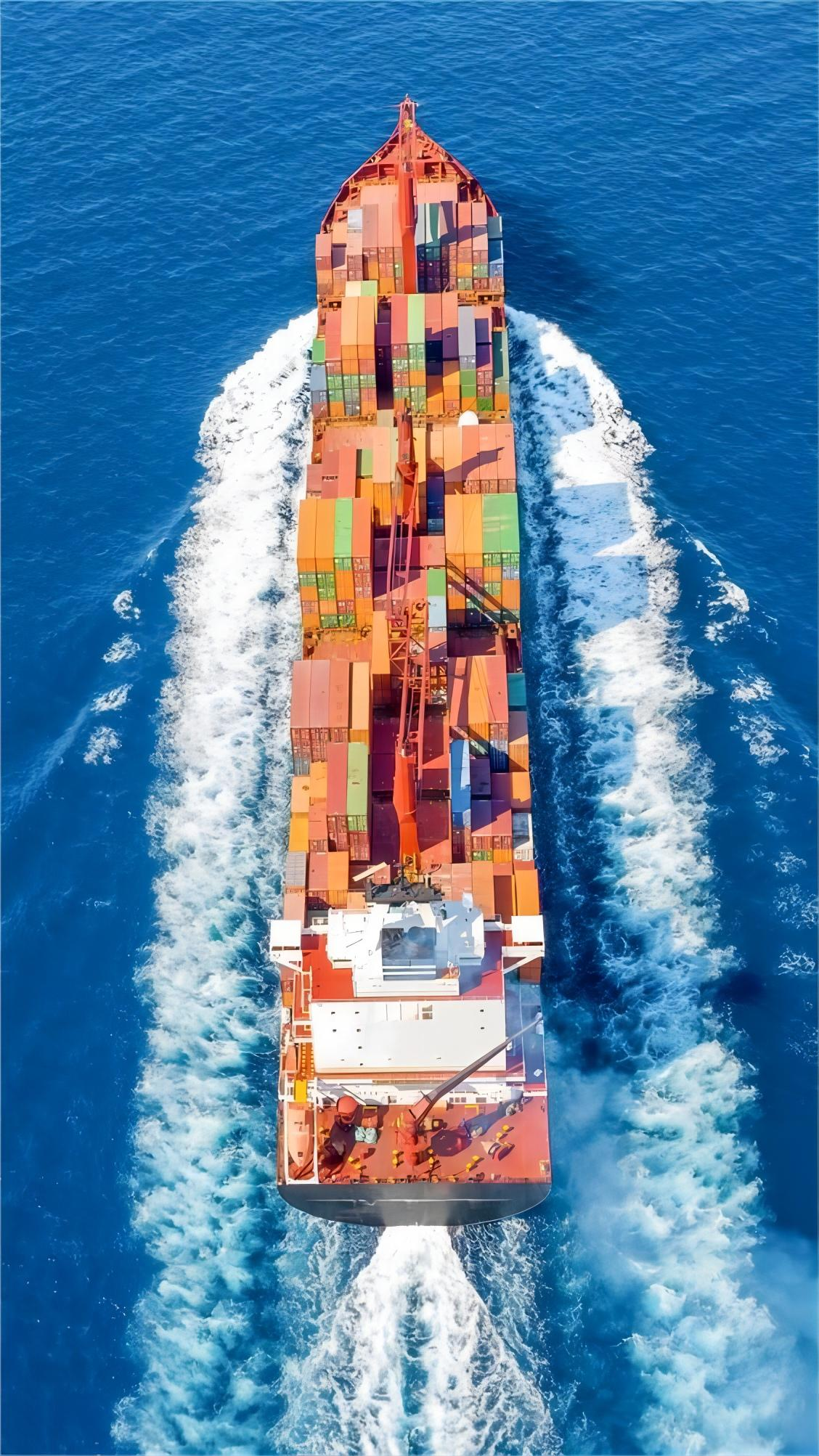
Determining the most effective transport mode depends largely on your budget and inventory turnover speed. For instance, sea freight remains the most economical choice for high-volume shipments that do not require immediate restocking. Most Australian sellers utilize this method for bulky items or seasonal inventory planned months in advance.
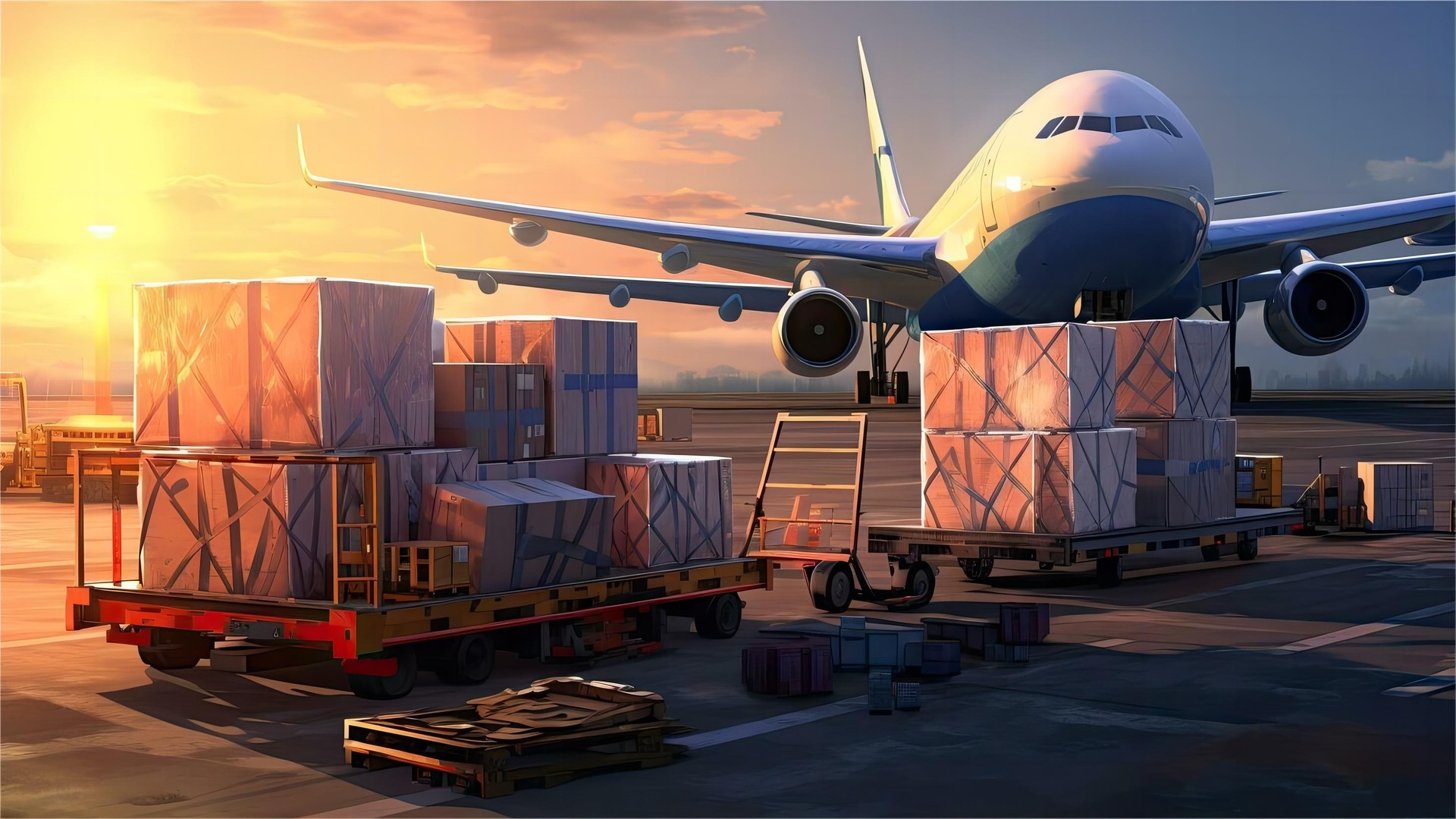
In contrast, air transport offers unparalleled speed for high-value electronics or urgent restocks. While the costs are higher, the reduced transit time allows for better cash flow management and faster response to market trends. Professional forwarders will often suggest a hybrid approach to balance costs and speed effectively.
Table 1 below illustrates the typical differences between these two primary shipping methods as of early 2026.
| Transit Time | 12-20 Days | 3-7 Days | 2-4 Days |
| Cost Level | Lowest | Moderate to High | Highest |
| Best For | Bulk Inventory | Urgent Restocks | Samples/Small Batches |
| Volume Limit | No Limit | Weight Dependent | Under 100kg |
How Does Sea Freight Compare to Other Shipping Options?
Analyzing all available routes is essential for optimizing your landed cost. While sea freight is the standard, alternatives like sea-air hybrids or express services offer different strategic advantages. For example, a sea-air route via Singapore can sometimes bypass port congestion in major Australian hubs during peak seasons.
Furthermore, direct express shipping is often the best choice for small parcels or trial product launches. It bypasses many of the traditional freight forwarding steps but comes at a significant price premium. Understanding these trade-offs allows you to select the right strategy for every stage of your product lifecycle.
The following table compares the most common shipping strategies for the China-to-Australia route in 2026.
| Sea Freight FCL | $800 – $1,800 | 12-18 Days | Best for full containers |
| Sea Freight LCL | $50 – $120 / CBM | 15-22 Days | Economical for small loads |
| Air Freight | $3.50 – $6.50 / kg | 5-8 Days | Fastest for heavy cargo |
| Express DDP | $7.00 – $12.00 / kg | 3-5 Days | Door-to-door convenience |
Navigating Customs and Compliance for Australian Amazon FBA
Managing the legal requirements of importing is often the most stressful part of the journey for new sellers. Specifically, Australia has strict biosecurity laws that apply to wooden packaging and certain organic materials. An experienced customs brokerage service will ensure all your documentation is perfect before the ship arrives.
Additionally, you must account for the Goods and Services Tax (GST) and potential import duties on your products. For many sellers, a Delivered Duty Paid (DDP) shipping agreement is the most efficient way to manage these costs. This arrangement ensures that the freight forwarder handles all tax payments, allowing your goods to flow seamlessly through the border.
Indeed, failing to provide the correct paperwork can lead to your cargo being held in bonded warehouses. These facilities charge high daily storage fees that can quickly erode your profit margins. Consequently, proactive compliance is not just a legal necessity but a financial one as well.
Step-by-Step Process for Shipping from China to Australia
Everything begins with the procurement of your goods and the coordination with your Chinese supplier. Once your products are ready, your amazon fba freight forwarder australia will arrange for pickup and transport to the nearest port. During this stage, the forwarder verifies that the packaging meets Amazon’s specific requirements for the Australian market.
Next, the cargo undergoes export customs clearance in China before being loaded onto the vessel or aircraft. For those using shipping from China to Australia, the transit time across the ocean is relatively short compared to European routes. Throughout this period, you should receive tracking updates to monitor the progress of your inventory.
Upon arrival in Australia, the final phase involves import clearance and local transport. The forwarder coordinates with Amazon’s carrier central to book a delivery appointment at the designated fulfillment center. Finally, your inventory is scanned into the system and becomes available for sale to Australian customers.
Real-World Case Studies: China to Australia FBA Success
Examining real scenarios helps clarify the costs and timelines involved in modern logistics. These examples reflect the market conditions observed in early 2026. Each case highlights a different strategy used by successful sellers to maintain their competitive edge.
+———————————————————+ | Case Study 1: High-Volume Home Decor | | Route: Ningbo, China to Melbourne, Australia | | Cargo: Ceramic Vases, 18 CBM, 3200 kg | | Container: 20GP Full Container | | | | Shipping Details: | | – Carrier: Major Ocean Carrier | | – Port of Loading: Ningbo | | – Port of Discharge: Melbourne | | – Route Type: Direct | | | | Cost Breakdown: | | – Ocean Freight: $1,150 | | – Origin Charges: $320 | | – Destination Charges: $450 | | – Customs and Duties: $850 | | – Total Landed Cost: $2,770 | | | | Timeline: | | – Booking to Loading: 4 days | | – Sea Transit: 16 days | | – Customs Clearance: 2 days | | – Total Door-to-Door: 25 days | | | | Key Insight: Using FCL reduced the per-unit cost by 22% | | compared to previous LCL shipments. | +———————————————————+
+———————————————————+ | Case Study 2: Urgent Electronics Restock | | Route: Shenzhen, China to Sydney, Australia | | Cargo: Tablet Accessories, 1.5 CBM, 450 kg | | Method: Air Freight DDP | | | | Shipping Details: | | – Carrier: Premium Air Service | | – Port of Loading: Shenzhen | | – Port of Discharge: Sydney | | – Route Type: Direct Air | | | | Cost Breakdown: | | – Air Freight: $2,100 | | – Origin Charges: $150 | | – Destination Charges: Included | | – Customs and Duties: Included | | – Total Landed Cost: $2,250 | | | | Timeline: | | – Booking to Loading: 2 days | | – Air Transit: 1 day | | – Customs Clearance: 1 day | | – Total Door-to-Door: 6 days | | | | Key Insight: DDP pricing allowed the seller to avoid | | unexpected local fees during a critical stock-out. | +———————————————————+
Note: Freight rates are subject to change based on fuel costs, carrier capacity, and seasonal demand. Contact us for a current quote tailored to your specific shipment.
Which Option Should You Choose?
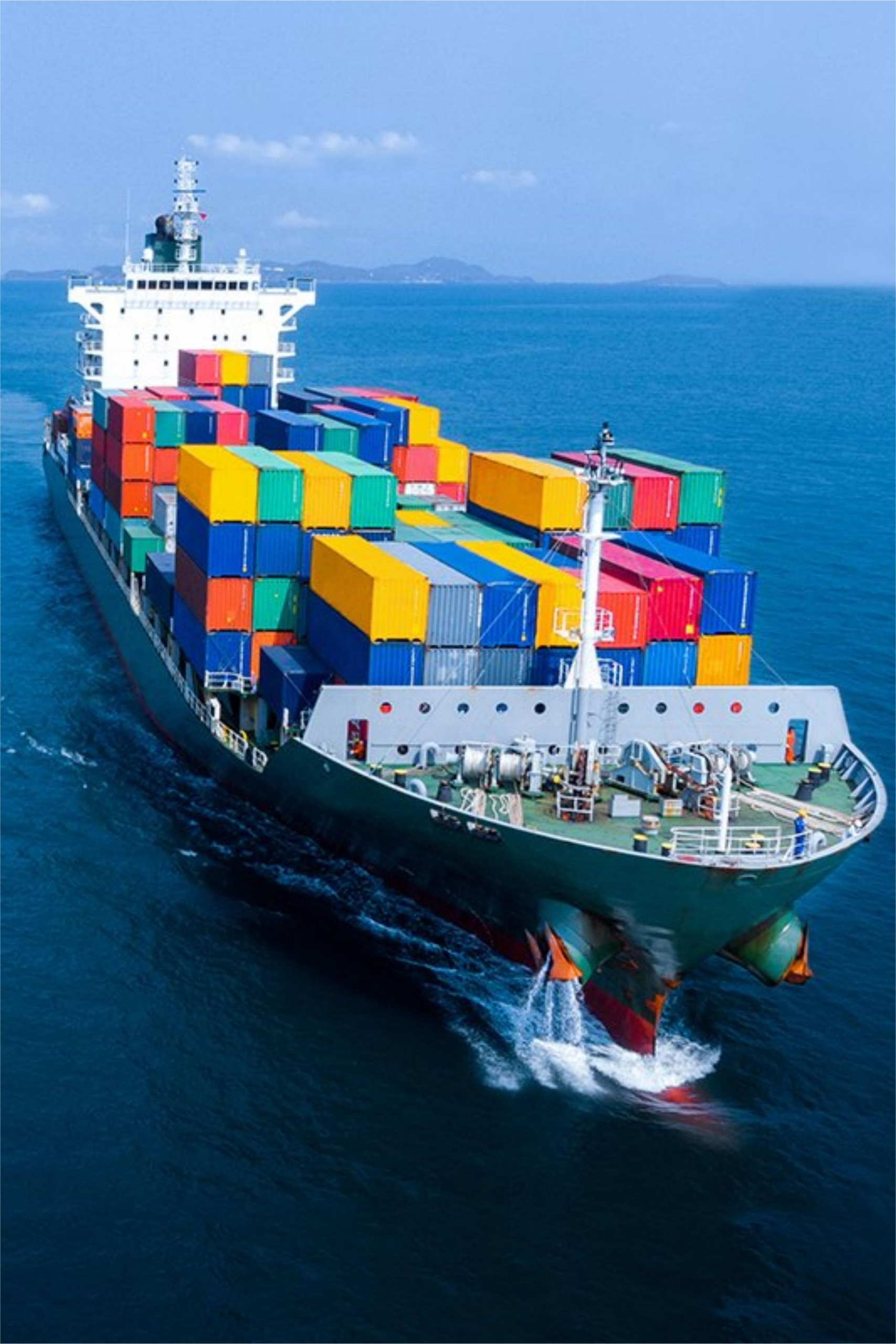
Selecting the right strategy requires a clear understanding of your business priorities. If your primary goal is to minimize costs and you have a stable sales velocity, sea freight LCL or FCL is almost always the superior choice. This method allows for the highest possible profit margins on every unit sold.
Conversely, if you are launching a new product and need to test the market quickly, air freight or express shipping is more appropriate. The speed of these methods reduces the risk of being out of stock while you gauge customer demand. Furthermore, high-value items with small physical dimensions often justify the higher costs of air transport.
Ultimately, many successful sellers use a 80-20 rule for their logistics. They ship 80 percent of their inventory via sea freight to keep costs low. Meanwhile, the remaining 20 percent is sent via air to handle unexpected spikes in demand or manufacturing delays.
Mastering Your Australian FBA Logistics
Successfully selling on Amazon Australia requires more than just a great product; it demands a robust logistics strategy. By partnering with a dedicated amazon fba freight forwarder australia, you ensure that your inventory arrives safely, legally, and on time. Whether you choose the cost-effectiveness of sea freight or the speed of air transport, professional guidance is invaluable.
As the Australian market continues to grow in 2026, staying ahead of logistics trends and costs will be a key differentiator for top sellers. Invest in a reliable partner today to secure your future in the competitive world of e-commerce.
Ready to streamline your Australian supply chain? Contact Top Logistics today to get a customized quote for your next shipment. Let our experts handle your amazon fba freight forwarder australia needs so you can focus on growing your brand. Visit our website to start your inquiry now.
Request Quote