

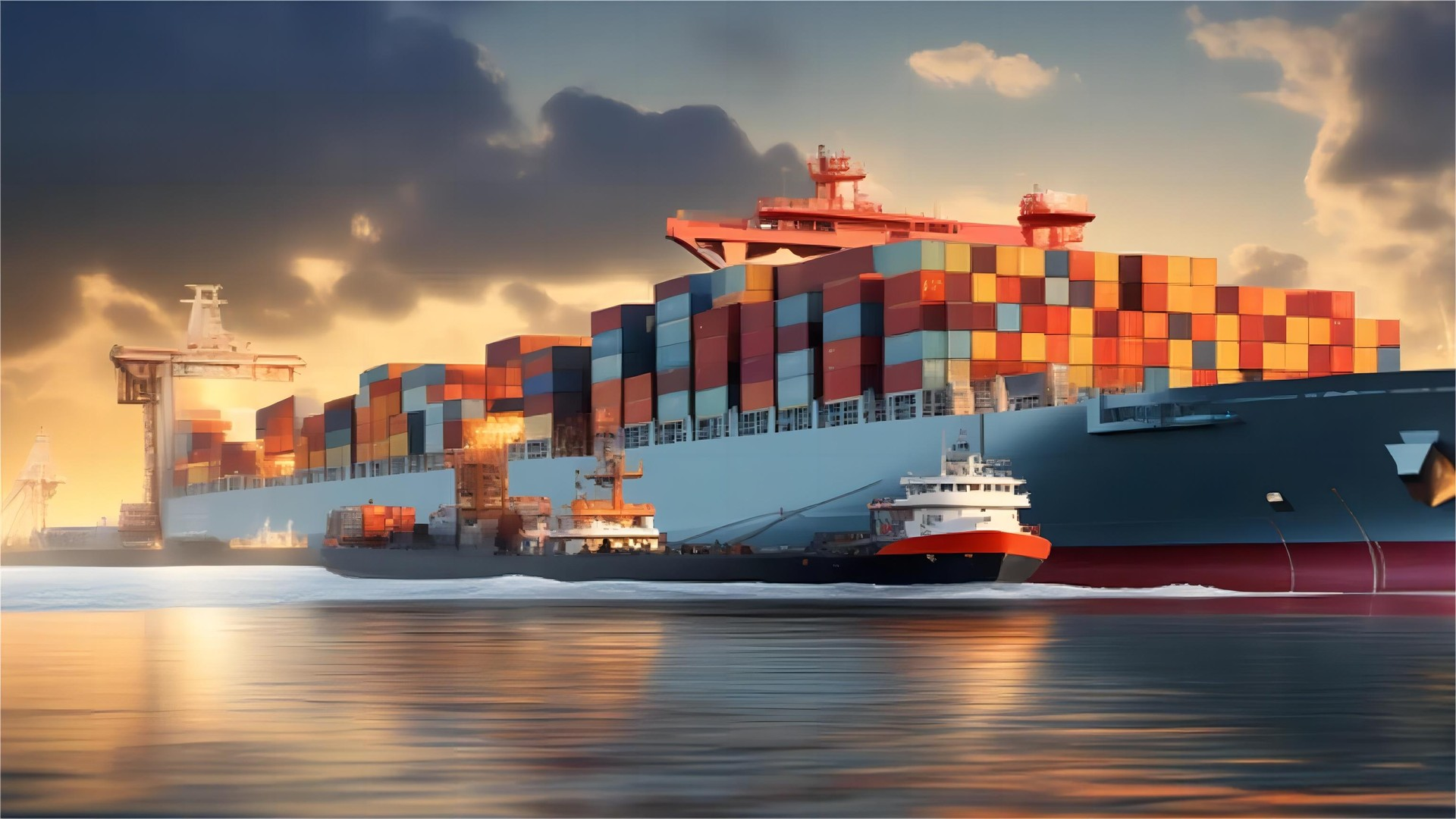
DDP Sea Freight China Australia: Complete 2026 Shipping Guide
DDP sea freight China Australia represents the most efficient logistics solution for businesses aiming to streamline their international trade operations in 2026. By partnering with DSV-Freight, importers can eliminate the complexities of managing multiple shipping stages and local tax obligations. This comprehensive guide details how Delivered Duty Paid terms provide total cost transparency and reliability for your supply chain.
What is DDP Sea Freight and Why is it Popular for Australia?
Delivered Duty Paid (DDP) is an incoterm where the seller assumes all responsibility for transporting goods to a specific destination. In the context of sea freight, this means the forwarder handles everything from the Chinese factory to the Australian doorstep.
Importers in Australia favor this method because it removes the risk of hidden costs and complex administrative tasks. Consequently, businesses can accurately calculate their landed costs before the cargo even leaves the port of loading.
Modern supply chains require this level of predictability to maintain competitive pricing in the local market. Therefore, DDP has become the standard for e-commerce sellers and retail distributors alike in early 2026.
The Role of the Freight Forwarder
Forwarders act as the single point of contact for the entire journey, managing both the maritime transit and local logistics. They coordinate with carriers, handle documentation, and ensure that all Australian Border Force requirements are satisfied.
Choosing an experienced partner ensures that your cargo moves through the supply chain without unnecessary delays. Moreover, a professional forwarder provides real-time tracking and proactive communication throughout the process.
How Does DDP Sea Freight China Australia Compare to Other Shipping Options?
Evaluating different shipping methods is essential for optimizing your logistics budget and meeting delivery deadlines. While door-to-door sea freight is the most cost-effective for large volumes, other options might suit urgent needs.
Air transport offers significantly faster transit times but comes at a much higher price point per kilogram. In contrast, sea freight allows for the transport of heavy or bulky items that would be cost-prohibitive via air.
Market data from Q1 2026 suggests that sea freight remains the preferred choice for over 85 percent of total trade volume between China and Australia. This preference stems from the balance of reliability and affordability offered by established maritime routes.
| Shipping Method | Cost Range (USD) | Transit Time | Best For |
|---|---|---|---|
| Sea Freight DDP | 800 – 2,000 | 15 – 25 Days | Bulk Inventory |
| Air Freight DDP | 4,500 – 8,000 | 5 – 8 Days | Urgent Electronics |
| Express Service | 9,000+ | 3 – 5 Days | Small Samples |
| LCL Sea DDP | 50 – 120 / CBM | 18 – 28 Days | Medium Shipments |

FCL vs LCL: Making the Right Choice
Full Container Load (FCL) is ideal for businesses with enough cargo to fill a 20-foot or 40-foot container. This method offers the fastest sea transit because the container is not shared with other shippers, reducing handling time.
Less than Container Load (LCL) serves smaller businesses that only need a portion of a container. Although LCL is more flexible, it requires additional time for consolidation at the origin and deconsolidation at the destination.
Understanding Transit Times and Major Routes
Timing is a critical factor for inventory management and customer satisfaction in the Australian market. Most shipping to Australia services depart from major hubs like Shanghai, Ningbo, and Shenzhen.
Direct routes to Sydney and Melbourne generally offer the quickest turnaround, while shipments to Perth or Adelaide may take slightly longer. Furthermore, seasonal factors such as the pre-Lunar New Year rush can impact vessel availability and port congestion.
Importers should factor in an additional seven to ten days for the DDP process beyond the actual time spent at sea. This buffer accounts for export customs in China, port handling, and final truck delivery within Australia.
| Origin Port | Destination Port | Sea Transit | Total Door-to-Door |
|---|---|---|---|
| Shenzhen | Sydney | 12 – 14 Days | 19 – 22 Days |
| Shanghai | Melbourne | 14 – 16 Days | 21 – 24 Days |
| Ningbo | Brisbane | 15 – 18 Days | 22 – 26 Days |
| Qingdao | Fremantle | 18 – 22 Days | 25 – 30 Days |
The Impact of 2026 Market Trends on Freight Rates
Global logistics trends in 2026 have seen a stabilization of rates following the disruptions of previous years. However, fuel surcharges and port infrastructure fees continue to influence the final cost of DDP services.
Technological advancements in tracking and automated customs processing have improved efficiency across the China-Australia route. Consequently, forwarders can now offer more precise delivery windows than ever before.
Sustainable shipping initiatives are also becoming more prominent, with many carriers introducing carbon-offsetting options. Indeed, eco-conscious Australian businesses are increasingly selecting logistics partners who prioritize green supply chain practices.
Seasonal Pricing Variations
Peak season typically occurs between August and October as retailers prepare for the end-of-year holiday period. During this time, rates can increase by 15 to 25 percent due to high demand and limited space.
Planning your shipments during the off-peak months of March through May can result in significant cost savings. Additionally, booking at least three weeks in advance helps secure lower rates and guaranteed equipment.
Real-World Case Studies: DDP Sea Freight Success
Examining actual shipping scenarios provides valuable insights into the practical application of DDP terms. These cases reflect typical market conditions and costs as of early 2026.
Every shipment presents unique challenges, from documentation requirements to local delivery constraints. By reviewing these examples, importers can better prepare for their own logistics journeys.
Case Study 1: Consumer Electronics to Sydney
Route: Shenzhen, China to Sydney, Australia. Cargo: Consumer Electronics, 12 CBM, 2400 kg. Container: LCL 12 CBM.
Shipping Details: Carrier: COSCO; Port of Loading: Shenzhen; Port of Discharge: Sydney; Route Type: Direct.
Cost Breakdown: Ocean Freight: 960 USD; Origin Charges: 250 USD; Destination Charges: 320 USD; Customs and Duties: 1,100 USD; Total Landed Cost: 2,630 USD.
Timeline: Booking to Loading: 3 days; Sea Transit: 14 days; Customs Clearance: 2 days; Total Door-to-Door: 19 days. Key Insight: Direct routing saved 4 days compared to transshipment options.
Case Study 2: Home Furniture to Melbourne
Route: Foshan, China to Melbourne, Australia. Cargo: Modular Furniture, 28 CBM, 4500 kg. Container: 20GP.
Shipping Details: Carrier: Maersk; Port of Loading: Nansha; Port of Discharge: Melbourne; Route Type: Direct.
Cost Breakdown: Ocean Freight: 1,100 USD; Origin Charges: 300 USD; Destination Charges: 400 USD; Customs and Duties: 2,200 USD; Total Landed Cost: 4,000 USD.
Timeline: Booking to Loading: 5 days; Sea Transit: 17 days; Customs Clearance: 3 days; Total Door-to-Door: 25 days. Key Insight: Using a 20GP was more cost-effective than LCL for this specific volume.

Customs Clearance and Australian Import Regulations
Navigating the legal requirements of the Australian Border Force is often the most daunting part of importing. Professional customs brokerage services are essential for ensuring that all goods comply with local standards.
Australian regulations regarding biosecurity and asbestos-free certification are particularly strict. Therefore, your forwarder must verify that all documentation is accurate and complete before the vessel arrives.
Failure to comply with these rules can result in heavy fines or the seizure of goods. Fortunately, a DDP service includes the management of these risks, providing peace of mind for the importer.
Mandatory Documentation Checklist
The Commercial Invoice must clearly state the value, description, and country of origin for all items. Meanwhile, the Packing List should detail the weight, dimensions, and contents of every individual package.
A Bill of Lading serves as the contract of carriage and must be correctly endorsed. Additionally, specific products may require permits or certificates of origin to qualify for preferential duty rates under trade agreements.
Strategic Cost-Saving Opportunities in 2026
Optimizing your shipping budget requires a proactive approach to logistics management. For instance, air freight should only be used for high-value or time-sensitive items to avoid eroding profit margins.
Consolidating multiple smaller orders into a single FCL shipment can significantly reduce the per-unit shipping cost. Furthermore, negotiating long-term contracts with forwarders can provide stability against market fluctuations.
Note: Freight rates are subject to change based on fuel costs, carrier capacity, and seasonal demand. Contact us for a current quote tailored to your specific shipment.
| Container Type | Capacity | Cost Range (USD) | Usage |
|---|---|---|---|
| 20GP | 33 CBM | 800 – 1,200 | Heavy Goods |
| 40GP | 67 CBM | 1,200 – 1,800 | General Cargo |
| 40HQ | 76 CBM | 1,400 – 2,000 | Large Volume |
Decision Framework: Which Option Should You Choose?
Selecting the right shipping method depends on your specific business priorities and cargo characteristics. If budget is your primary concern, DDP sea freight is almost always the superior choice for shipments over 2 CBM.
Speed-oriented businesses should consider hybrid solutions like sea-air or express services for urgent restocks. However, for the majority of consumer goods, the 20-day transit time of sea freight is manageable with proper inventory planning.
Utilizing Amazon FBA services within a DDP framework is especially effective for e-commerce entrepreneurs. This allows for a completely hands-off approach to international logistics and local fulfillment.
Volume Thresholds for Switching Methods
Shipments under 100 kg are usually best handled by express couriers due to minimal handling fees. Once cargo exceeds 200 kg or 1 CBM, the cost-efficiency of sea freight begins to outweigh the speed of air transport.
At the 15 CBM mark, it often becomes cheaper to book a full 20GP container rather than paying for LCL space. Consequently, monitoring your shipment volumes can lead to automatic cost reductions as your business scales.
Final Thoughts on DDP Sea Freight China Australia
Successfully managing DDP sea freight China Australia requires a blend of strategic planning and reliable partnerships. By understanding the transit times, cost factors, and regulatory requirements, you can build a resilient import operation.
The 2026 market offers numerous opportunities for businesses to save on logistics through consolidated shipping and expert customs management. Ultimately, the Delivered Duty Paid model provides the peace of mind needed to thrive in the competitive Australian marketplace.

Need a tailored shipping solution?
Take control of your supply chain today by requesting a personalized quote for DDP sea freight China Australia. Our team of logistics experts is ready to help you navigate the complexities of 2026 shipping rates and customs regulations. Contact us now to secure the best rates for your next shipment.