
Shipping from China to Adelaide: Complete 2026 Logistics Guide
Shipping from China to Adelaide requires a strategic approach to balance speed and cost efficiency for your supply chain. For businesses looking to scale their operations, partnering with a reliable logistics provider like DSV-Freight ensures your goods arrive safely and on schedule. Whether you are importing retail products or heavy industrial equipment, understanding the specific logistics landscape of South Australia is essential for success.
Understanding Your Options for Shipping from China to Adelaide
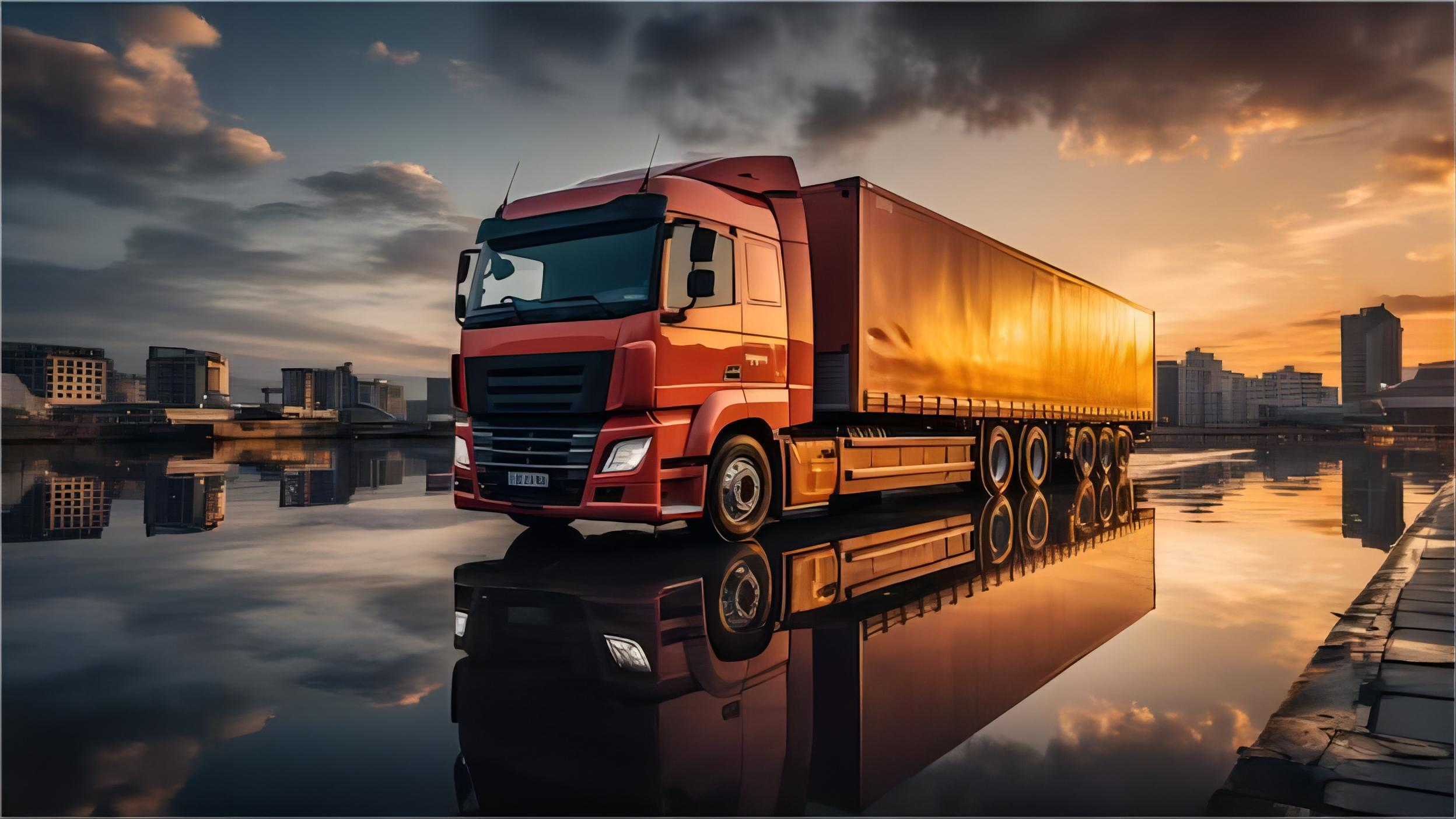
Choosing the right transport mode is the most critical decision for any importer targeting the South Australian market. Furthermore, the distance between major Chinese manufacturing hubs and Adelaide necessitates a well-planned logistics strategy. Consequently, most businesses rely on sea freight as their primary method for moving large volumes of cargo.
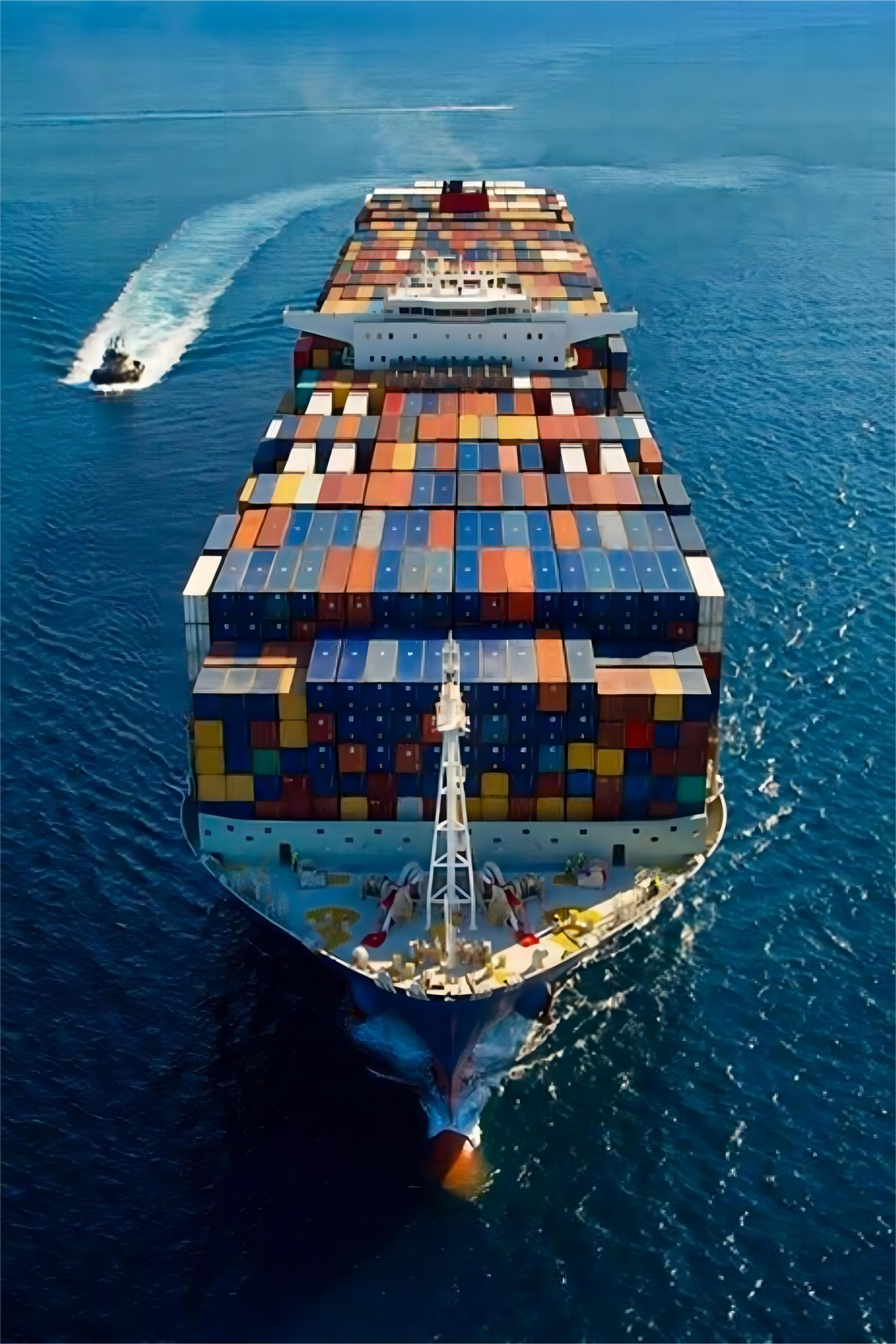
Ocean transport provides the most economical solution for bulk shipments and oversized items. Additionally, the Port of Adelaide offers modern facilities that handle both Full Container Load and Less than Container Load shipments efficiently. Moreover, the stability of maritime routes in early 2026 has made sea transport more predictable than in previous years.
Importers must evaluate their inventory needs against the longer transit times associated with ocean routes. Therefore, planning your orders at least six to eight weeks in advance is highly recommended to avoid stockouts. Meanwhile, smaller businesses often benefit from consolidated shipping options to reduce their overall landed costs.
How Does Sea Freight Compare to Other Shipping Options?
Comparing different transport methods is vital to ensure you are not overpaying for speed you do not need. While ocean freight is the most common choice, other alternatives exist depending on your specific requirements. In contrast to other global routes, rail freight is not a viable option for shipping from China to Adelaide due to the lack of trans-oceanic rail infrastructure.
Sea freight remains the backbone of trade between China and South Australia because of its high capacity. However, for urgent shipments, air transport serves as the only realistic alternative to ensure fast delivery. As a result, many companies use a hybrid approach, utilizing sea for bulk and air for emergency restocks.
Market data from early 2026 suggests that sea freight costs have stabilized after the disruptions seen in previous years. Consequently, businesses can now budget with greater accuracy for their quarterly imports. The following table provides an objective analysis of the viable shipping methods for this specific route.
| Shipping Method | Cost Range | Transit Time | Best For |
|---|---|---|---|
| Full Container (FCL) | $1,100 – $1,900 | 18 – 25 Days | Large Bulk Orders |
| Groupage (LCL) | $65 – $115/CBM | 22 – 30 Days | Small Inventories |
| Air Freight | $4.50 – $8.50/kg | 3 – 7 Days | Urgent/High Value |
| Express Courier | $8.00 – $15.00/kg | 2 – 5 Days | Samples/Documents |
Air Freight Solutions for Urgent Shipments to Adelaide
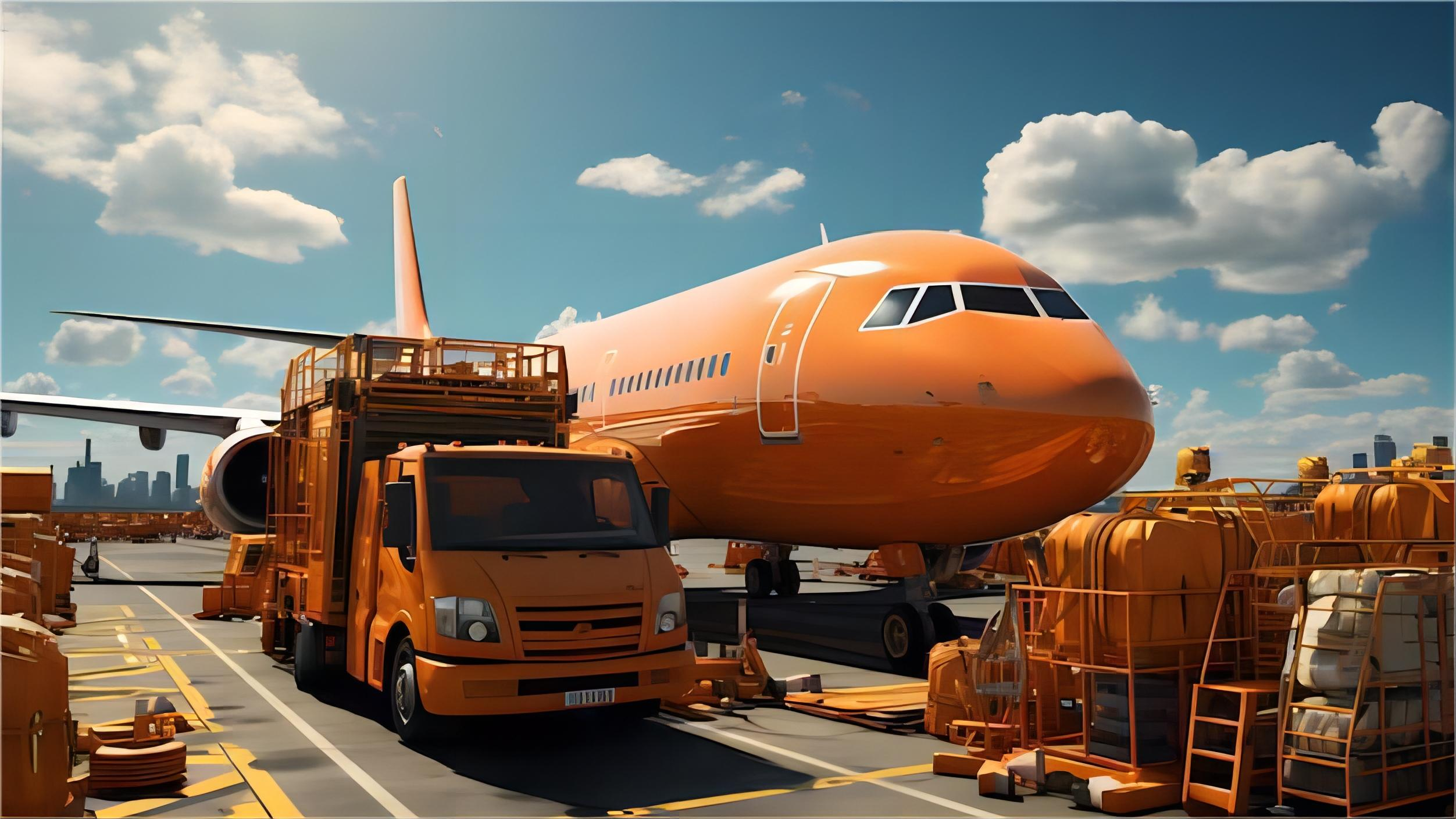
Urgent delivery requirements often necessitate the speed of air freight to keep production lines running or meet seasonal demand. Furthermore, Adelaide Airport handles a significant volume of international cargo, providing a direct gateway for time-sensitive goods. Consequently, this method is ideal for high-value electronics, pharmaceuticals, or fashion items.
Air transport offers superior security and reduced handling compared to maritime shipping. Additionally, the shorter transit time significantly reduces the risk of damage or theft during transit. Moreover, businesses can maintain lower inventory levels by relying on the fast replenishment cycles that air transport provides.
Importers should be aware that air freight costs are calculated based on either actual weight or volumetric weight. Therefore, optimizing your packaging is essential to avoid paying for empty space. Nevertheless, the speed advantage often justifies the higher expense for critical business components.
Estimated Transit Times from Major Chinese Ports to Adelaide
Transit times vary significantly depending on the port of origin and the specific shipping line used. For instance, shipments from Shenzhen often arrive faster than those departing from northern ports like Tianjin. In addition, the choice between direct services and transshipment via Singapore or Port Klang will impact your final delivery date.
Direct routes to Adelaide are generally more expensive but save several days of transit time. On the other hand, transshipment options might offer lower rates while adding five to seven days to the schedule. Understanding these trade-offs allows you to select the service that best matches your customer expectations.
Weather conditions and port congestion in both China and Australia can occasionally cause delays. Consequently, we recommend adding a buffer of three to five days to any estimated delivery schedule. The table below outlines typical transit times observed in the first quarter of 2026.
| Origin Port | Destination | Sea Transit | Air Transit |
|---|---|---|---|
| Shenzhen | Adelaide | 16 – 20 Days | 3 – 5 Days |
| Shanghai | Adelaide | 18 – 22 Days | 4 – 6 Days |
| Ningbo | Adelaide | 19 – 24 Days | 4 – 6 Days |
| Qingdao | Adelaide | 22 – 28 Days | 5 – 7 Days |
Navigating Customs Brokerage and Duties in Australia
Managing the complexities of Australian border regulations requires professional customs brokerage to avoid costly penalties. Furthermore, the Australian Border Force maintains strict standards for biosecurity and product safety. Consequently, ensuring all documentation is accurate before the cargo arrives is a fundamental step in the import process.
Importers must pay Goods and Services Tax and applicable customs duties unless an exemption applies. Moreover, the China-Australia Free Trade Agreement often allows for reduced or zero duty rates on many manufactured goods. Therefore, providing a valid Certificate of Origin is essential to capitalize on these financial benefits.
Incorrectly classified goods can lead to significant delays and additional storage fees at the port. Additionally, certain products may require specific permits or testing certificates to enter the country. Indeed, partnering with an experienced broker simplifies this entire procedure for new and established businesses alike.
Door to Door Services: Simplifying Your Supply Chain
Many modern businesses prefer door to door solutions to minimize their involvement in logistics details. Furthermore, this service covers everything from factory pickup in China to final delivery at your Adelaide warehouse. Consequently, it removes the need to coordinate multiple service providers across different time zones.
This comprehensive approach provides a single point of contact and one all-inclusive invoice. Additionally, it ensures that your cargo is tracked throughout its entire journey, providing peace of mind. Moreover, door-to-door services are particularly beneficial for small to medium enterprises that lack dedicated logistics departments.
Choosing this option allows you to focus on marketing and sales while professionals handle the transport complexities. Therefore, it is often the most efficient way to manage shipping from China to Australia without the stress of managing port logistics. Reliability and transparency are the hallmarks of a high-quality door-to-door service.
Which Option Should You Choose? Decision Framework
Determining the best shipping method involves evaluating your budget, timeline, and cargo characteristics. If your priority is cost savings and you have high volume, sea freight FCL is the logical choice. However, if you are shipping small quantities under 15 CBM, LCL offers a more flexible and affordable alternative.
Speed priority always points toward air freight or express services despite the higher costs. Additionally, cargo type plays a role, as hazardous materials or extremely heavy machinery may have restricted transport options. Consequently, you should assess your specific needs against the following criteria to make an informed decision.
Volume thresholds often dictate when to switch from LCL to FCL shipping. For example, once your shipment exceeds 15-20 CBM, booking a full 20GP container usually becomes more economical than paying per cubic meter. Without a doubt, a thorough cost-benefit analysis will reveal the most efficient path for your business.
Case Studies: Successful Shipments to Adelaide in 2026
Examining real-world examples provides valuable insight into the costs and timelines associated with this route. Furthermore, these scenarios illustrate how different businesses optimize their shipping based on their unique product requirements. Consequently, we have compiled two recent cases based on Q1 2026 market rates.
Case Study 1: Electronics Distribution +———————————————————+ | Route: Shenzhen, China to Adelaide, Australia | | Cargo: Consumer Electronics, 68 CBM, 14,000 kg | | Container: 40HQ (Full Container Load) | | | | Shipping Details: | | – Carrier/Service: Major Direct Carrier | | – Port of Loading: Shenzhen | | – Port of Discharge: Adelaide | | – Route Type: Direct | | | | Cost Breakdown: | | – Ocean Freight: $1,750 | | – Origin Charges: $320 | | – Destination Charges: $450 | | – Customs and Duties: $1,200 (Estimated) | | – Total Landed Cost: $3,720 | | | | Timeline: | | – Booking to Loading: 4 days | | – Sea Transit: 17 days | | – Customs Clearance: 2 days | | – Total Door-to-Door: 23 days | | | | Key Insight: Direct routing saved 6 days vs transship. | +———————————————————+
Case Study 2: Boutique Furniture Import +———————————————————+ | Route: Ningbo, China to Adelaide, Australia | | Cargo: Designer Chairs, 8 CBM, 1,200 kg | | Container: LCL (Less than Container Load) | | | | Shipping Details: | | – Carrier/Service: Consolidation Service | | – Port of Loading: Ningbo | | – Port of Discharge: Adelaide | | – Route Type: Transshipment via Singapore | | | | Cost Breakdown: | | – Ocean Freight: $720 ($90/CBM) | | – Origin Charges: $180 | | – Destination Charges: $290 | | – Customs and Duties: $400 | | – Total Landed Cost: $1,590 | | | | Timeline: | | – Booking to Loading: 6 days | | – Sea Transit: 24 days | | – Customs Clearance: 3 days | | – Total Door-to-Door: 33 days | | | | Key Insight: LCL provided 40 percent savings over FCL. | +———————————————————+
Note: Freight rates are subject to change based on fuel costs, carrier capacity, and seasonal demand. Contact us for a current quote tailored to your specific shipment.
Maximizing Efficiency for Your Adelaide Imports
Successfully managing shipping from China to Adelaide involves a balance of careful planning, accurate documentation, and choosing the right transport mode. Furthermore, by understanding the differences between sea and air freight, businesses can significantly reduce their overhead costs. Consequently, staying informed about market trends in 2026 allows for better budget management.
Reliable logistics partners provide the expertise needed to navigate complex customs regulations and port procedures. Moreover, utilizing door-to-door services can simplify the entire process for importers of all sizes. In conclusion, a well-executed shipping strategy is the foundation of a profitable import business in South Australia.
Need a tailored shipping solution?
Streamline your supply chain today with professional logistics support. Contact our team to receive a customized quote for shipping from China to Adelaide and ensure your cargo reaches South Australia efficiently. Send Inquiry: https://toplogisticslt.com/