
China to Australia Freight Rates: 2026 Shipping Cost Guide
China to Australia freight rates represent a significant variable for international businesses managing global supply chains in 2026. Navigating the complexities of trans-Pacific logistics requires a reliable partner like toplogisticslt.com to ensure your goods arrive on time and within budget. This comprehensive guide provides the latest market data and strategic insights to help you optimize your shipping expenditures this year.

Current Market Trends for China to Australia Freight Rates
Market conditions in early 2026 indicate that freight pricing has reached a period of relative stability compared to previous years. Specifically, the trade route between major Chinese hubs and Australian ports has benefited from increased carrier capacity and improved port efficiency. Consequently, importers are seeing more predictable pricing structures for their annual logistics planning.
Furthermore, environmental regulations and fuel surcharges continue to play a pivotal role in determining the final landed cost of goods. Because shipping lines are investing in greener technologies, some transitional costs are being passed through to the consumer in the form of variable surcharges. Understanding these nuances is essential for any business engaged in shipping to Australia during this fiscal period.
Moreover, seasonal demand remains a primary driver of price fluctuations throughout the year. For instance, the lead-up to the Lunar New Year and the Australian retail peak in the fourth quarter typically see rates rise by 15-25 percent. Therefore, booking your shipments at least four to six weeks in advance is highly recommended to secure the best possible pricing.
How Does Sea Freight Compare to Other Shipping Options?
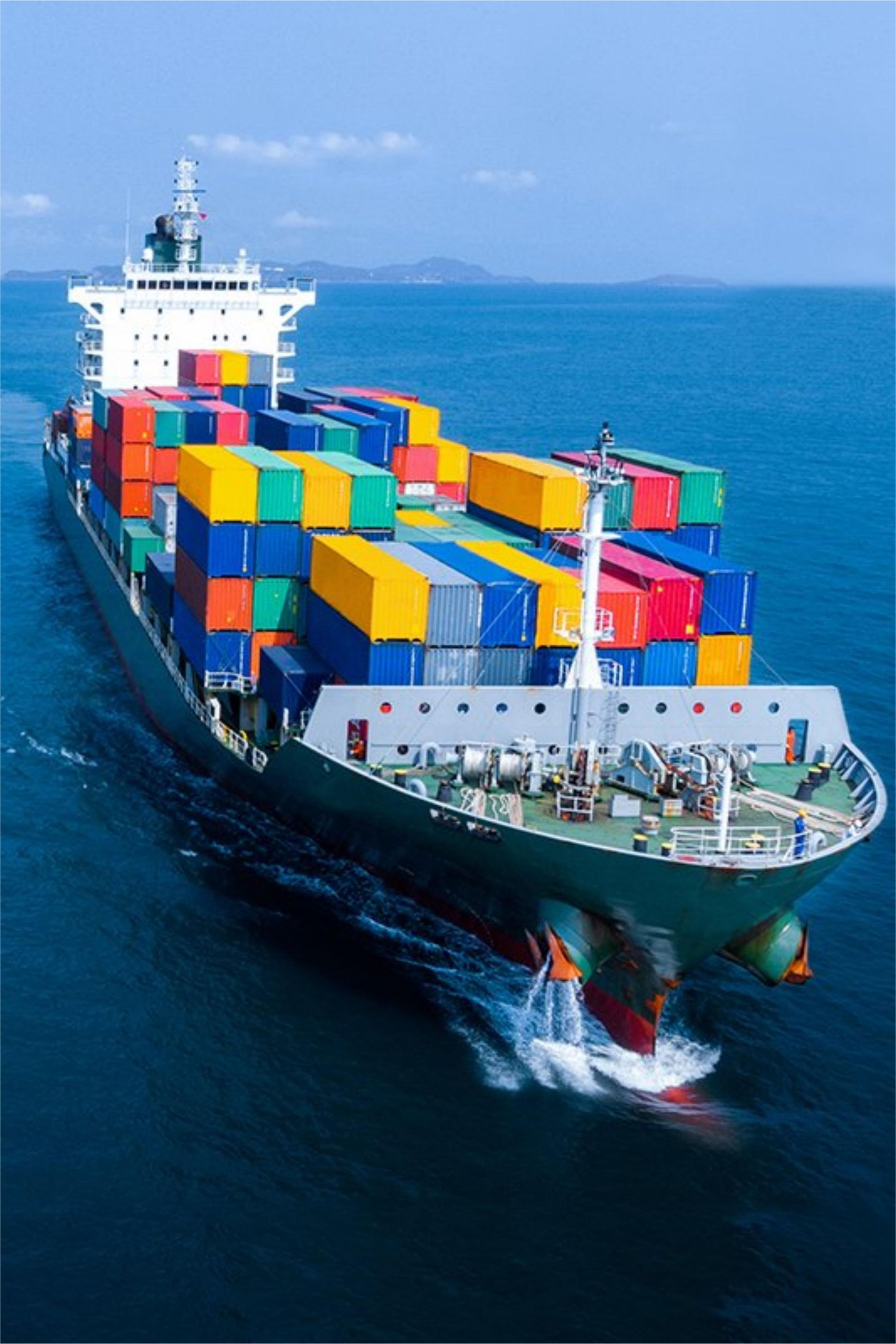
Sea freight remains the backbone of trade between China and Australia due to its high capacity and cost-effectiveness for bulk shipments. While air freight offers superior speed, the vast majority of consumer goods and industrial materials move via ocean lanes. Additionally, the development of faster sea routes has narrowed the gap for certain time-sensitive shipments.
Specifically, businesses must choose between Full Container Load (FCL) and Less than Container Load (LCL) based on their specific volume requirements. Indeed, sea freight provides the most scalable solution for companies moving everything from heavy machinery to palletized retail stock. We have provided a detailed comparison below to illustrate the trade-offs between available methods.
| Shipping Method | Cost Range (USD) | Transit Time | Best For |
|---|---|---|---|
| Sea Freight (FCL) | $900 – $2,100 | 14-25 Days | Large volumes/Full containers |
| Sea Freight (LCL) | $60 – $130 per CBM | 18-28 Days | Small to medium shipments |
| Air Freight | $4.50 – $9.50 per kg | 3-7 Days | Urgent/High-value goods |
| Express Service | $8.00 – $15.00 per kg | 2-5 Days | Samples and small parcels |
Sea Freight Cost Breakdown: FCL vs LCL
Choosing between FCL and LCL is one of the most critical decisions affecting your China to Australia freight rates. When you opt for FCL, you pay for the entire space within a 20ft or 40ft container, which offers greater security and faster handling. Conversely, LCL allows you to share container space with other shippers, making it an ideal choice for smaller volumes under 15 cubic meters.
Historically, FCL is more economical once your cargo volume exceeds approximately 13 to 15 cubic meters. This is because LCL shipments involve additional handling fees at both the origin and destination consolidation warehouses. Consequently, calculating the total landed cost per unit is vital before selecting your preferred container shipping method.
Note: Freight rates are subject to change based on fuel costs, carrier capacity, and seasonal demand. Contact us for a current quote tailored to your specific shipment.
Air Freight Rates and Transit Times for Urgent Cargo
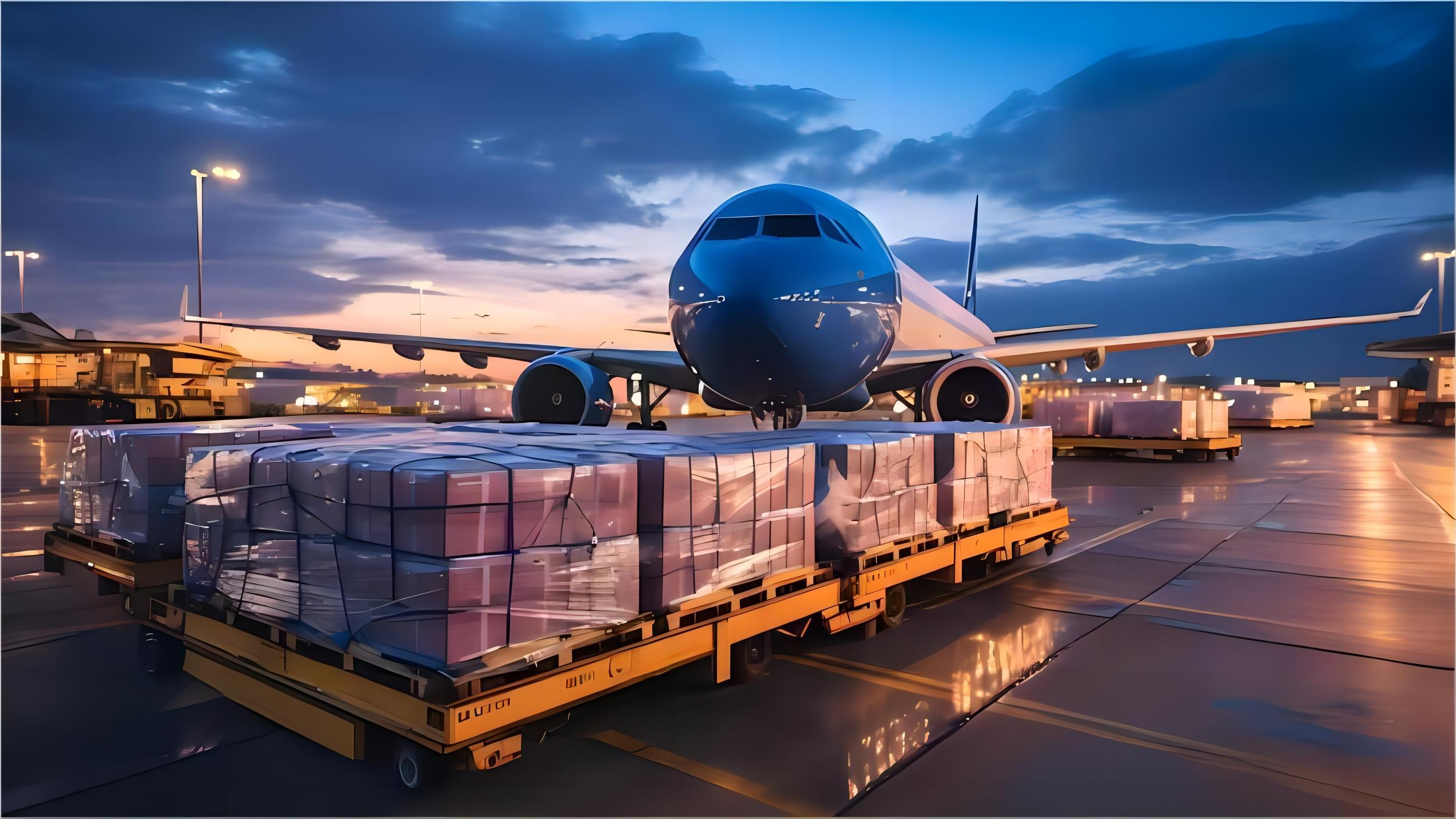
Air freight serves as the fastest logistics solution for businesses that cannot afford the longer lead times of ocean transport. Although it carries a higher price tag, the reduction in inventory carrying costs and the ability to respond quickly to market trends often justify the investment. Indeed, air freight is the preferred method for electronics, fashion, and perishable items.
Pricing for air transport is calculated based on either actual weight or volumetric weight, whichever is greater. As a result, lightweight but bulky items can be surprisingly expensive to ship by air. To optimize your costs, ensure that your packaging is as compact as possible to minimize the chargeable weight of your consignment.
Typically, transit times from major Chinese airports like Shanghai Pudong or Shenzhen Bao’an to Sydney or Melbourne range from 3 to 7 days. This includes the time required for export formalities and local handling at the destination airport. Meanwhile, direct flights are available but often command a premium over deferred services that include transshipment.
Major Shipping Routes and Transit Times to Australia
Transit times vary significantly depending on the port of origin in China and the specific destination port in Australia. For example, shipments departing from southern ports like Shenzhen generally reach Brisbane or Sydney faster than those leaving from northern ports like Tianjin. Understanding these geographic factors helps in creating a more accurate delivery schedule.
Furthermore, the choice between direct services and transshipment via hubs like Singapore or Port Klang will impact both the cost and the timeline. While direct routes are faster, transshipment options can sometimes offer lower China to Australia freight rates for non-urgent cargo. Below is a summary of typical transit times for major routes in 2026.
| Origin Port (China) | Destination Port | Sea Transit (Days) | Air Transit (Days) |
|---|---|---|---|
| Shanghai | Sydney | 16-20 | 3-5 |
| Shenzhen | Melbourne | 14-18 | 3-4 |
| Ningbo | Brisbane | 15-19 | 4-6 |
| Qingdao | Fremantle (Perth) | 22-28 | 5-7 |
Understanding Australian Customs and Import Documentation
Navigating the Australian Border Force requirements is a critical step in the import process that can affect your overall logistics speed. Failure to provide accurate documentation can lead to costly delays and storage fees at the wharf. Therefore, engaging a professional customs brokerage service is often the most efficient way to ensure compliance.
Specifically, Australia has strict biosecurity laws that require specific treatments for certain goods, such as timber or organic materials. Moreover, the China-Australia Free Trade Agreement (ChAFTA) allows for reduced or zero tariffs on many goods, provided you have a valid Certificate of Origin. Consequently, verifying your eligibility for these benefits can significantly reduce your total landed cost.
| Required Document | Purpose | Issued By | Importance |
|---|---|---|---|
| Commercial Invoice | Valuation and tax | Exporter | Mandatory |
| Packing List | Cargo verification | Exporter | Mandatory |
| Bill of Lading | Title to goods | Carrier | Mandatory |
| Certificate of Origin | Duty reduction | Chamber of Commerce | Highly Recommended |
Real-World Case Studies: 2026 Shipping Examples
Reviewing actual shipping scenarios provides valuable context for businesses planning their own logistics strategies. These examples reflect current market rates and typical operational challenges encountered on the China to Australia route. By analyzing these cases, you can better estimate your own China to Australia freight rates and timelines.
Historically, these case studies demonstrate the importance of selecting the right shipping mode for specific product types. Whether you are moving high-volume furniture or low-weight electronics, the strategy you employ will directly impact your bottom line. Below are two detailed scenarios based on early 2026 market data.
Case Study 1: Industrial Machinery from Shanghai to Sydney
+———————————————————+
| Route: Shanghai, China to Sydney, Australia |
| Cargo: CNC Machinery, 28 CBM, 14,500 kg |
| Container: 20GP (Full Container Load) |
| |
| Shipping Details: |
| – Carrier: Major Ocean Carrier |
| – Port of Loading: Shanghai Port |
| – Port of Discharge: Port Botany (Sydney) |
| – Route Type: Direct Service |
| |
| Cost Breakdown: |
| – Ocean Freight: $1,150 |
| – Origin Charges: $320 |
| – Destination Charges: $450 |
| – Total Landed Cost (excl. duties): $1,920 |
| |
| Timeline: |
| – Booking to Loading: 5 days |
| – Sea Transit: 17 days |
| – Customs Clearance: 2 days |
| – Total Door-to-Door: 24 days |
| |
| Key Insight: Direct FCL was 15% cheaper than LCL for |
| this volume and saved 5 days in transit. |
+———————————————————+
Case Study 2: Apparel from Guangzhou to Melbourne
+———————————————————+
| Route: Guangzhou, China to Melbourne, Australia |
| Cargo: Fashion Apparel, 4.5 CBM, 900 kg |
| Method: LCL (Less than Container Load) |
| |
| Shipping Details: |
| – Carrier: LCL Consolidator |
| – Port of Loading: Nansha Port |
| – Port of Discharge: Port of Melbourne |
| – Route Type: Transshipment via Singapore |
| |
| Cost Breakdown: |
| – Ocean Freight: $382 ($85 per CBM) |
| – Origin/CFS Fees: $210 |
| – Destination/Deconsolidation: $340 |
| – Total Landed Cost (excl. duties): $932 |
| |
| Timeline: |
| – Booking to Loading: 4 days |
| – Sea Transit: 22 days |
| – Customs Clearance: 3 days |
| – Total Door-to-Door: 29 days |
| |
| Key Insight: LCL provided a cost-effective solution for |
| a smaller volume that did not justify a full container. |
+———————————————————+
Which Option Should You Choose? Decision Framework
Selecting the optimal shipping method requires a balanced evaluation of your budget, timeline, and cargo characteristics. If your primary goal is cost reduction and you have flexible lead times, sea freight FCL is almost always the superior choice for large shipments. Conversely, if you are launching a new product or need to restock quickly, air freight provides the necessary agility.
Specifically, consider the following criteria when making your decision. For shipments under 2 cubic meters, air freight or express services often become competitive due to the high fixed costs of sea freight documentation. Meanwhile, for shipments between 2 and 15 cubic meters, LCL is the standard economical choice. Beyond 15 cubic meters, a 20ft container (FCL) usually offers the best value for your China to Australia freight rates.
Practical Strategies to Lower Your Freight Costs
Reducing your logistics expenses requires a proactive approach to planning and consolidation. One effective strategy is to consolidate multiple small orders from different suppliers into a single FCL shipment at a Chinese warehouse. Additionally, optimizing your product packaging can lead to significant savings by reducing the total cubic volume of your cargo.
Moreover, businesses should keep a close eye on the market and avoid shipping during peak seasons if possible. Historically, rates are at their lowest in the months immediately following the Lunar New Year. By aligning your procurement schedule with these market lulls, you can secure much lower China to Australia freight rates without compromising on service quality.
Finally, always request quotes from multiple freight forwarders to ensure you are receiving competitive market rates. However, remember that the cheapest quote is not always the best; reliability and local expertise in Australian customs are equally important. Prioritizing a partner with a strong track record will save you money in the long run by avoiding unnecessary delays and fines.
Summary of 2026 Shipping Trends
Understanding the factors that influence China to Australia freight rates is essential for maintaining a competitive edge in 2026. By choosing the right shipping method, optimizing your documentation, and planning around seasonal peaks, you can significantly reduce your logistics overhead. Ocean freight remains the most cost-effective solution for bulk goods, while air freight offers unmatched speed for urgent consignments.
Successfully navigating this trade lane requires constant monitoring of market trends and a deep understanding of both Chinese export and Australian import regulations. Partnering with an experienced freight forwarder ensures that your supply chain remains resilient and efficient. Start planning your next shipment today to take advantage of the stable rates and improved capacity currently available in the market.
Need a tailored shipping solution?
Optimizing your China to Australia freight rates is easier with the right logistics partner. Whether you need reliable sea freight or urgent air transport, we provide tailored solutions for your business. Visit our door to door service page today to request a personalized quote and streamline your 2026 shipping operations.