

New Zealand Import Shipping Company: 2026 Comprehensive Logistics Guide
Navigating the complexities of global trade requires a reliable partner who understands the specific demands of the Pacific region. Finding a professional new zealand import shipping company is the first step toward securing a seamless supply chain for your business. This guide explores current logistics trends and offers practical solutions for importing goods efficiently in 2026.
Choosing the Right New Zealand Import Shipping Company for Your Business
Selecting a logistics partner involves more than just comparing the lowest freight rates available on the market. Consequently, businesses must evaluate the expertise of a new zealand import shipping company in handling specific cargo types and navigating local regulations. You should prioritize providers that offer end-to-end visibility and robust communication channels throughout the transit process.
Moreover, the ideal partner should demonstrate a deep understanding of the 2026 market intelligence and seasonal fluctuations. For instance, peak season demand in late 2025 led to significant capacity constraints that required proactive planning. A seasoned provider will help you anticipate these shifts and secure space on major carriers well in advance.
Additionally, verify that your chosen company has established relationships with local port authorities in Auckland, Tauranga, and Lyttelton. These connections often facilitate smoother cargo handling and faster terminal processing. Without a doubt, local knowledge is an invaluable asset when managing international shipping rates 2026.
How Does Sea Freight Compare to Other Shipping Options?
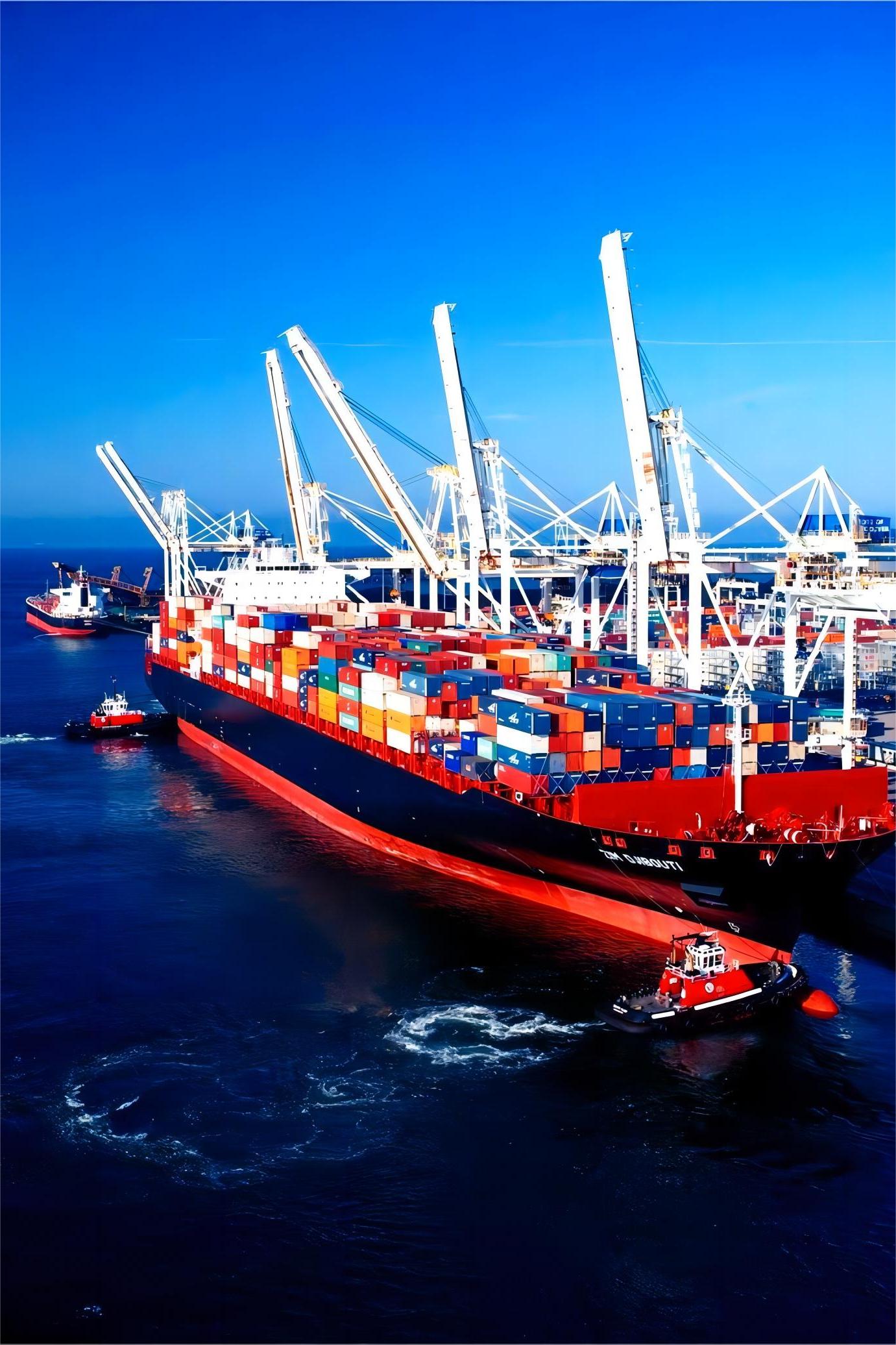
Ocean transport remains the backbone of trade between China and the Pacific, offering the most cost-effective solution for high-volume shipments. While sea freight provides significant savings, it requires careful scheduling due to longer transit times. Businesses must weigh the trade-offs between budget priorities and delivery speed.
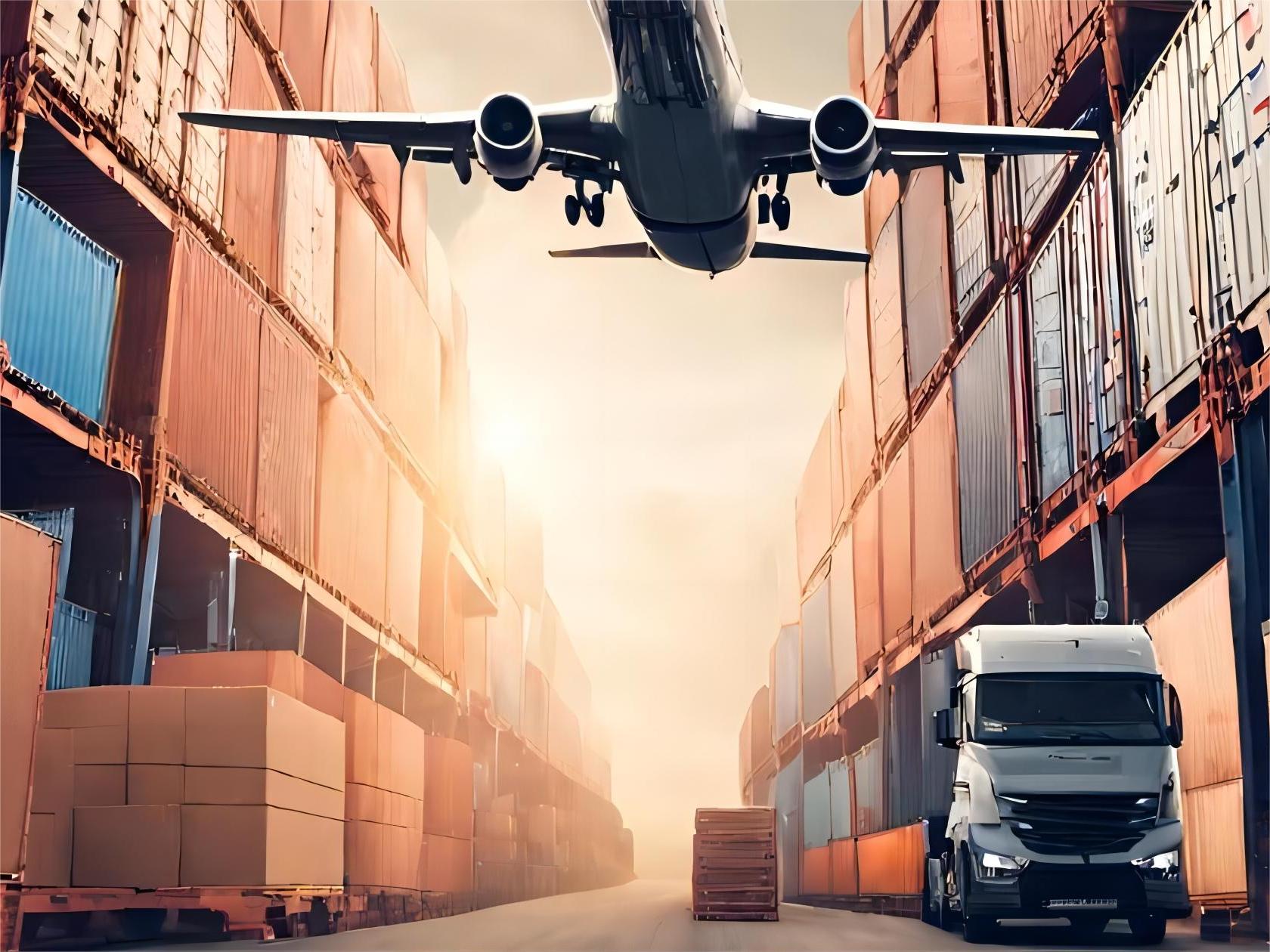
In contrast, air cargo solutions offer rapid delivery for high-value or time-sensitive products despite higher costs. For shipments originating in China, sea freight typically takes between 15 to 25 days depending on the specific port of discharge. Meanwhile, air transport can reduce this window to just a few days.
To summarize, the choice of method depends on your cargo volume, budget, and urgency. For shipments under 15 CBM, Less than Container Load (LCL) options are often the most economical. Conversely, Full Container Load (FCL) provides better security and faster handling for larger consignments.
| Shipping Method | Cost Range | Transit Time | Best For |
|---|---|---|---|
| Sea Freight (FCL) | $1,200 – $2,200 | 18-25 Days | Bulk goods and large inventory |
| Sea Freight (LCL) | $60 – $120 per CBM | 22-30 Days | Small business inventory |
| Air Freight | $4.50 – $8.00 per kg | 3-7 Days | Electronics and perishables |
| Express Service | $8.00 – $15.00 per kg | 2-5 Days | Urgent documents and samples |
Key Services Offered by a Professional New Zealand Import Shipping Company
A comprehensive logistics provider offers a suite of services designed to simplify the importing goods from China to NZ process. Beyond basic transport, these companies manage the intricate details of the global supply chain. This includes everything from initial supplier coordination to final last-mile delivery.
Furthermore, specialized customs brokerage services are essential for navigating the rigorous Biosecurity New Zealand requirements. Failure to comply with these standards can result in costly delays or even cargo rejection at the border. Therefore, expert guidance is necessary to ensure all documentation is accurate and complete.
In addition, many providers now offer integrated door to door solutions. This model minimizes the risk of damage during transshipment by using a single point of contact for the entire journey. As a result, businesses can focus on their core operations while the new zealand import shipping company handles the logistics.
Understanding 2026 Shipping Costs and Transit Times
As of early 2026, freight rates for the China to New Zealand route have stabilized following the volatility of previous years. Nevertheless, fuel surcharges and port congestion still influence the final landed cost of your goods. Understanding these variables is crucial for accurate budgeting and price forecasting.
For example, shipping a 20GP container from Shanghai to Auckland currently averages between $900 and $1,400. However, these rates can increase by 15-20% during the peak season from August to October. Consequently, we recommend requesting a current quote tailored to your specific shipment requirements.
Transit times are also influenced by whether you choose a direct route or a transshipment service via Singapore or Australia. While direct routes are faster, transshipment options can sometimes offer lower freight rates for non-urgent cargo. Always consider the impact of transit time on your inventory turnover and customer satisfaction.
| Origin Port | Destination Port | Direct Transit | Transshipment Transit |
|---|---|---|---|
| Shanghai | Auckland | 18 Days | 25-28 Days |
| Ningbo | Tauranga | 19 Days | 26-30 Days |
| Shenzhen | Lyttelton | 21 Days | 28-32 Days |
| Qingdao | Auckland | 22 Days | 30-35 Days |
Air Freight vs. Sea Freight for New Zealand Routes
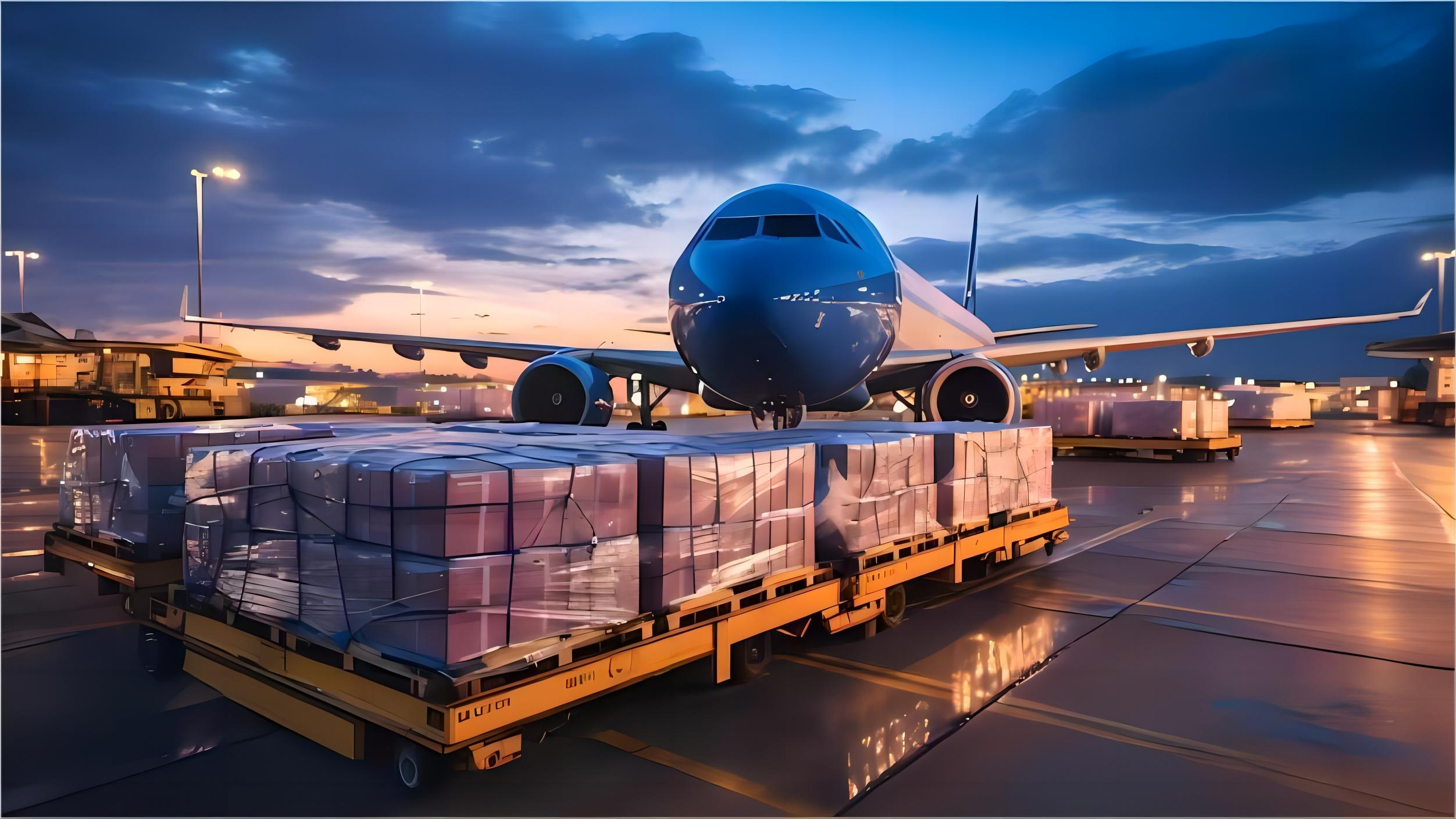
When speed is the primary concern, air freight is the superior choice for importing goods. This method is particularly effective for high-value items such as electronics or seasonal fashion products. Additionally, air transport offers higher security and lower insurance premiums compared to ocean freight.
On the other hand, sea freight is the only viable option for heavy machinery, bulk commodities, and large-scale retail stock. The cost difference is substantial; while sea freight costs approximately $1,500 for a full container, air freight for the same volume could exceed $20,000. Therefore, sea freight remains the preferred choice for most commercial imports.
Indeed, many businesses utilize a hybrid strategy to balance cost and speed. For instance, they might ship the majority of their stock via sea while using air freight for urgent restocks. This approach ensures a consistent supply chain without overextending the logistics budget.

Case Studies: Successful Imports to New Zealand
Case Study 1: Efficient Furniture Import. A retailer in Auckland needed to import a 40HQ container of home furniture from Shanghai. By using a direct sea freight service, they achieved a sea transit time of 18 days. The total landed cost, including origin charges and customs duties, was approximately $3,200, allowing the business to maintain healthy profit margins during the Q1 2026 season.
Case Study 2: Fast Electronics Restock. A technology distributor in Christchurch faced an unexpected stockout of high-demand components. They opted for an LCL shipment of 5 CBM from Ningbo using an express sea service. Despite the smaller volume, the shipment arrived in 22 days at a cost of $650, successfully meeting customer demand without the extreme expense of air freight.
Case Study 3: Seasonal Fashion Launch. A boutique clothing brand utilized air freight to transport 500kg of new season apparel from Guangzhou to Auckland. The cargo arrived in just 4 days, enabling the brand to launch their collection ahead of competitors. Although the cost was higher at $3,500, the early market entry justified the investment through increased sales volume.
Which Option Should You Choose?
Determining the best shipping method requires an objective analysis of your business goals and cargo characteristics. If your priority is budget and you are moving more than 15 CBM, FCL sea freight is almost always the best recommendation. For smaller shipments where cost is still a concern, LCL provides a flexible alternative.
However, if you are shipping perishable goods or high-value electronics with a short market lifespan, air freight is the necessary choice. Furthermore, consider the 2026 logistics trends that favor door to door services for small to medium enterprises. These services reduce the administrative burden of managing multiple vendors and port handling procedures.
Finally, always consult with your new zealand import shipping company to evaluate current market conditions. They can provide insights into carrier capacity and potential disruptions that might affect your delivery schedule. Note: Freight rates are subject to change based on fuel costs, carrier capacity, and seasonal demand. Contact us for a current quote tailored to your specific shipment.
The Future of Importing with a New Zealand Import Shipping Company
In conclusion, navigating the international trade landscape in 2026 requires a proactive and informed approach to logistics. By selecting a dedicated new zealand import shipping company, you gain access to the expertise needed to manage complex customs regulations and volatile freight rates. Whether you choose sea or air freight, the key to success lies in careful planning and clear communication.
As market conditions continue to evolve, staying adaptable and leveraging modern shipping strategies will provide a competitive advantage. Remember to evaluate your shipping options based on a balance of cost, speed, and reliability. With the right partner, importing goods into New Zealand becomes a predictable and efficient component of your business growth.
Get Your Shipping Quote Today
Streamline your supply chain today by partnering with a trusted new zealand import shipping company. Our team provides expert guidance on customs clearance and cost-effective freight solutions. Visit our website to request a personalized quote and discover how we can optimize your 2026 logistics. Send Inquiry: Visit https://toplogisticslt.com/
Frequently Asked Questions
What is the average transit time for sea freight from China to New Zealand?
Typical sea transit times range from 18 to 25 days for direct routes to major ports like Auckland. Transshipment options may take 30 days or more.
How are shipping costs calculated for New Zealand imports in 2026?
Costs are based on cargo volume (CBM), weight, shipping method, and current fuel surcharges. FCL is priced per container, while LCL and air freight are calculated by volume or weight.
Do I need a customs broker for importing goods into New Zealand?
Yes, a professional customs broker ensures compliance with Biosecurity New Zealand and helps avoid delays. They manage all necessary documentation and duty payments.
What is the difference between FCL and LCL shipping?
FCL means you rent an entire container for your goods, offering better security. LCL involves sharing container space with other shippers, which is cheaper for small volumes.
Are there specific restrictions for importing products into New Zealand?
New Zealand has strict biosecurity laws regarding organic materials, wood packaging, and certain chemicals. Always check current regulations before booking your shipment.
Can a new zealand import shipping company handle door to door delivery?
Most professional companies offer door to door services, managing the entire process from the supplier’s warehouse in China to your final destination in New Zealand.
How can I reduce my international shipping rates in 2026?
Consolidating shipments, booking in advance, and choosing sea freight over air are effective strategies. Avoiding peak seasons can also lead to significant cost savings.
What documents are required for New Zealand customs clearance?
Commonly required documents include the Bill of Lading, Commercial Invoice, Packing List, and any necessary import permits or biosecurity certificates.