

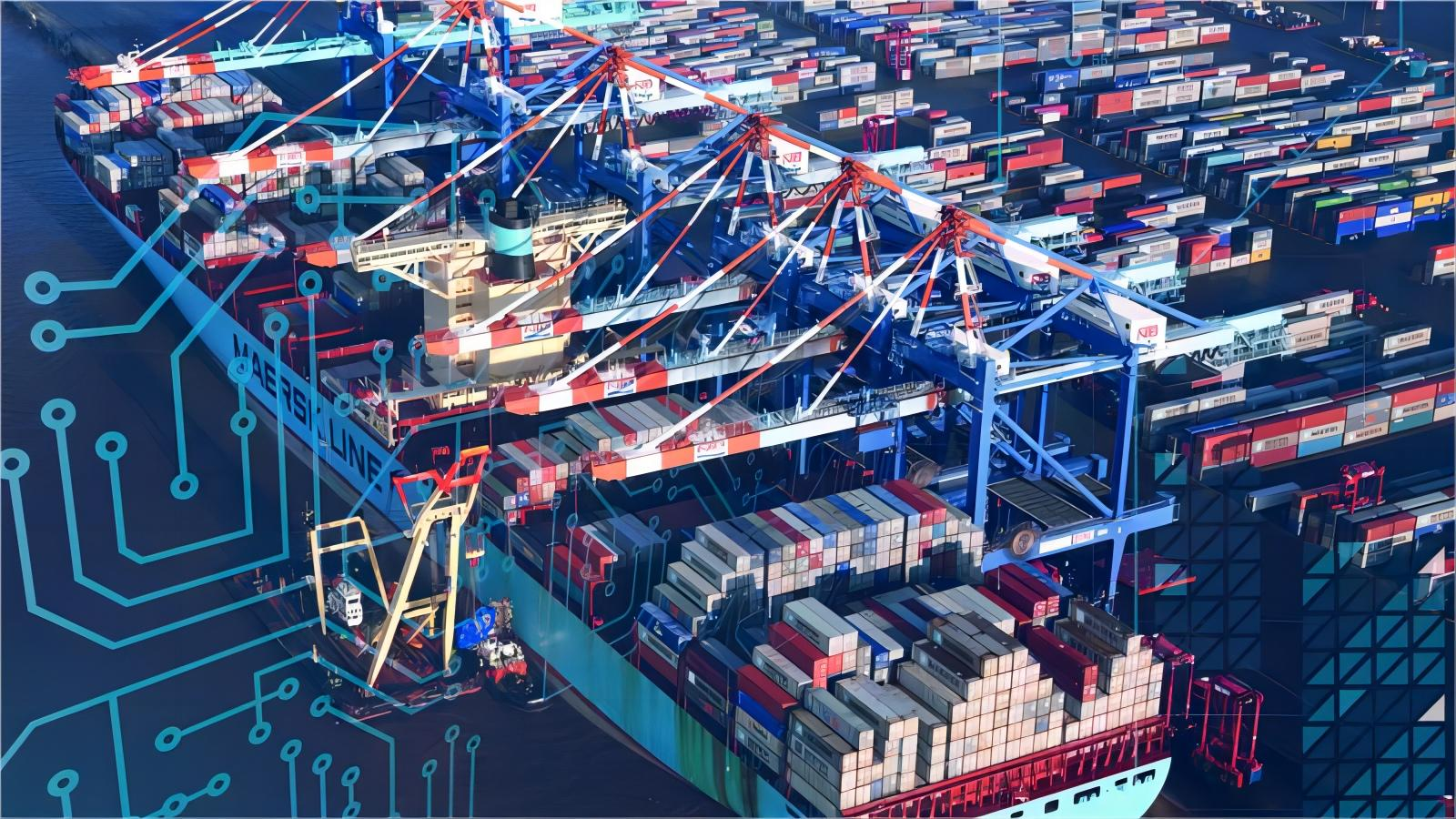
Door to Door Freight China Australia: 2026 Shipping Guide
Navigating the complexities of international logistics requires a reliable partner to manage every step of the journey. For businesses looking for seamless door to door freight china australia, finding an efficient solution is essential to maintaining a healthy supply chain. At Top Logistics, we provide comprehensive shipping solutions that bridge the gap between Chinese manufacturers and Australian consumers.

What is Door to Door Freight China Australia?
Door to door freight represents the most convenient shipping model available for modern importers. Consequently, the freight forwarder handles the entire process from the supplier’s warehouse in China to the final destination in Australia. This comprehensive service includes pickup, international transit, and final mile delivery.
Moreover, this method eliminates the need for the importer to coordinate with multiple logistics providers. Therefore, you can focus on your core business operations while experts manage the logistics chain. Indeed, door to door freight china australia is the preferred choice for businesses seeking simplicity and reliability.
Additionally, choosing a full-service provider ensures that all documentation is handled correctly. As a result, the risk of delays at the port or during customs inspection is significantly reduced. Meanwhile, the visibility of your cargo remains high throughout the entire transit period.
How Does Sea Freight Compare to Other Shipping Options?
When evaluating sea freight, cost-effectiveness is usually the primary advantage for large volumes. In contrast, air freight offers unparalleled speed for urgent or high-value shipments. Understanding these trade-offs is crucial for effective budget management.
For instance, sea freight is ideal for bulky items such as furniture, machinery, or large retail orders. On the other hand, air cargo is better suited for electronics or seasonal fashion items that require rapid market entry. Consequently, your choice depends on the specific requirements of your inventory and delivery schedule.
Furthermore, sea freight rates in early 2026 have remained relatively stable compared to the volatile periods of previous years. Nevertheless, businesses must account for longer transit times when planning their inventory cycles. Without a doubt, a balanced approach using multiple modes can optimize your total landed cost.
| Shipping Method | Cost Range | Transit Time | Best For |
|---|---|---|---|
| Sea Freight (FCL) | $800 – $2,000 | 12 – 25 Days | Bulk Goods |
| Sea Freight (LCL) | $50 – $120/CBM | 18 – 30 Days | Small Batches |
| Air Freight | $4.50 – $8.00/kg | 3 – 7 Days | Urgent Items |
| Express Service | $8.00 – $15.00/kg | 2 – 4 Days | Documents/Samples |
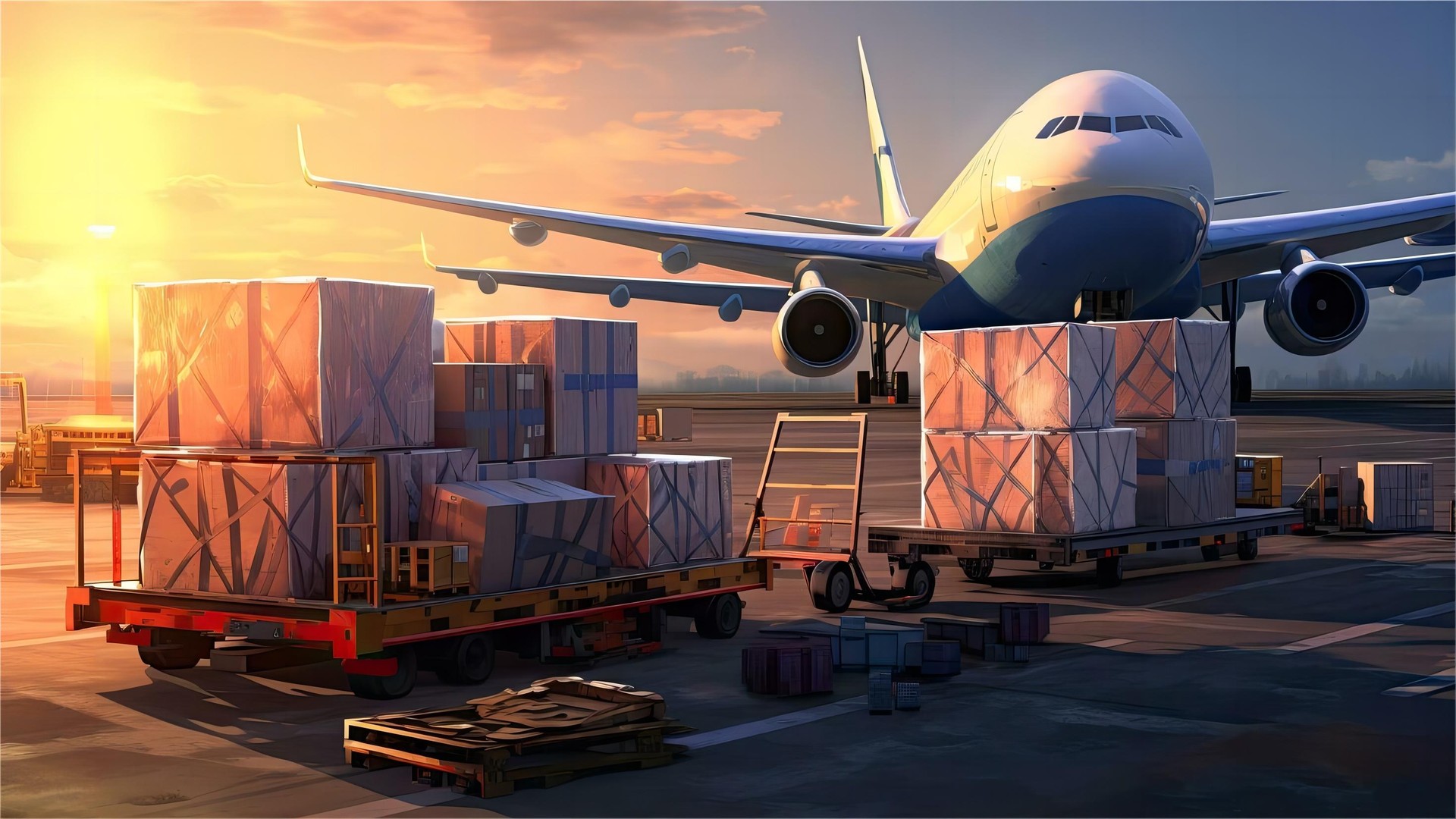
Understanding Shipping Costs and Transit Times for 2026
Current market data suggests that freight rates for the China-Australia route are influenced by seasonal demand and fuel surcharges. Specifically, a 20GP container from Ningbo to Sydney currently ranges between $800 and $1,200. Conversely, a 40HQ container may cost between $1,400 and $2,000 depending on the carrier.
Additionally, transit times vary based on the specific port of loading and discharge. For example, direct routes from Shenzhen to Brisbane typically take 12 to 15 days. However, transshipment via Singapore or Port Klang can extend the schedule by another 5 to 7 days.
Note: Freight rates are subject to change based on fuel costs, carrier capacity, and seasonal demand. Contact us for a current quote tailored to your specific shipment.
Which Option Should You Choose?
Budget priority: If your main goal is cost reduction, sea freight LCL or FCL is the recommended path. For shipments under 15 CBM, LCL is often the most economical choice. Furthermore, consolidating multiple orders into a single FCL shipment can further lower your per-unit cost.
Speed priority: When time is of the essence, air freight is the only viable solution. This is especially true for perishable goods or components needed for manufacturing lines. Consequently, the higher cost is justified by the prevention of costly downtime or lost sales.
Cargo type considerations: Hazardous materials or extremely heavy machinery may have restricted options. Therefore, consulting with a specialist in door to door freight china australia is necessary to ensure compliance with international safety regulations.
Key Documentation for Customs Brokerage in Australia
Navigating the Australian Border Force requirements is a critical component of the shipping process. Therefore, professional customs brokerage services are highly recommended for all importers. Accurate documentation prevents expensive storage fees and legal complications.
For instance, you must provide a Commercial Invoice, a Packing List, and a Bill of Lading for every shipment. Additionally, certain products may require specific permits or certificates of origin to qualify for tariff concessions. As a result, preparation is the key to a smooth clearance process.
Moreover, Australian biosecurity laws are among the strictest in the world. Consequently, any wood packaging materials must meet ISPM 15 standards. Failure to comply can lead to immediate treatment or even destruction of the cargo at the importer’s expense.
| Document Type | Purpose | Required For | Source |
|---|---|---|---|
| Commercial Invoice | Value Declaration | All Shipments | Supplier |
| Packing List | Cargo Verification | All Shipments | Supplier |
| Bill of Lading | Title of Goods | Sea Freight | Carrier |
| Packing Declaration | Biosecurity Check | All Sea Cargo | Forwarder |
FCL vs LCL: Choosing the Right Sea Freight Method
When utilizing door to door sea freight, you must choose between Full Container Load (FCL) and Less than Container Load (LCL). FCL provides a dedicated container for your goods, which reduces the risk of damage during handling. In contrast, LCL involves sharing space with other shippers, which is more cost-effective for smaller volumes.
Furthermore, FCL shipments are generally faster because they do not require consolidation or deconsolidation at the warehouse. Nevertheless, LCL remains a flexible option for businesses that do not have enough stock to fill a 20-foot container. Indeed, both methods are essential components of a modern supply chain.
Additionally, the choice between FCL and LCL affects your total door to door freight china australia timeline. While FCL might arrive at your door in 18 days, LCL might take 25 days due to the extra handling involved. Therefore, you should plan your inventory arrivals accordingly to avoid stockouts.

Real-World Case Studies for China-Australia Logistics
Case Study 1: Electronics Distribution to Sydney. Route: Shenzhen to Sydney. Cargo: Consumer electronics, 8 CBM, 1,200 kg. Method: Sea Freight LCL. Ocean Freight: $650. Origin/Dest Charges: $450. Customs/Duties: $2,100. Total Landed Cost: $3,200. Transit: 22 days. Key Insight: Consolidating multiple small orders into one LCL shipment saved the client 15% compared to air freight.
Case Study 2: Furniture Retailer in Melbourne. Route: Guangzhou to Melbourne. Cargo: Home furniture, 1x20GP FCL. Ocean Freight: $1,100. Origin/Dest Charges: $800. Customs/Duties: $1,500. Total Landed Cost: $3,400. Transit: 16 days. Key Insight: Direct shipping from Guangzhou reduced handling damage and ensured the seasonal collection arrived on time for the Q4 peak.
Case Study 3: Industrial Parts to Brisbane. Route: Shanghai to Brisbane. Cargo: Spare parts, 350kg. Method: Air Freight. Total Cost: $2,450. Transit: 5 days. Key Insight: Using air freight prevented a week of production downtime, proving that speed is sometimes more valuable than the lowest shipping rate.
Benefits of Using a Professional Freight Forwarder
Partnering with a professional forwarder for shipping from China to Australia provides significant strategic advantages. Firstly, they offer access to a global network of carriers and local agents. Consequently, they can negotiate better rates and secure space even during peak seasons.
Secondly, a forwarder acts as a single point of contact for your entire logistics operation. This simplifies communication and ensures that you receive real-time updates on your cargo’s status. Moreover, their expertise in international regulations helps you avoid costly compliance errors.
Finally, professional logistics providers offer value-added services such as cargo insurance and warehousing. These services protect your investment and provide flexibility in your distribution strategy. In short, a reliable forwarder is an extension of your own team.
Summary of Door to Door Freight Solutions
Successfully managing door to door freight china australia requires a deep understanding of costs, transit times, and customs requirements. By choosing the right shipping method and a professional partner, businesses can significantly reduce their logistics overhead.
Whether you prioritize the speed of air freight or the economy of sea freight, preparation is the ultimate key to success. We encourage you to use the data and frameworks provided in this guide to optimize your 2026 shipping strategy.
Ready to streamline your logistics?
Are you ready to streamline your supply chain with reliable door to door freight china australia? Our team of logistics experts is standing by to provide you with a customized quote and professional guidance for your next shipment. Contact us today to experience hassle-free international shipping. Send Inquiry: https://toplogisticslt.com/
Frequently Asked Questions
How long does door to door freight from China to Australia take?
Sea freight typically takes 18 to 30 days for door to door delivery. Air freight is much faster, usually arriving within 3 to 7 days depending on the final destination city.
What are the main costs involved in door to door shipping?
Costs include ocean or air freight, origin handling, export clearance, Australian customs duties, GST, and final delivery charges. Using a professional forwarder helps consolidate these into one quote.
Do I need a customs broker for Australian imports?
While not legally mandatory for individuals, using a professional customs broker is highly recommended for businesses to ensure compliance with Australian Border Force and biosecurity regulations.
What is the difference between FCL and LCL?
FCL (Full Container Load) means you rent an entire container for your goods. LCL (Less than Container Load) means you share container space with other shippers, which is cheaper for small volumes.
Are there specific items I cannot ship from China to Australia?
Yes, Australia has strict rules against certain chemicals, weapons, and untreated wood. Always check the prohibited items list or consult your forwarder before booking.
How can I track my shipment from China to Australia?
Most professional freight forwarders provide an online tracking portal or regular email updates using the Bill of Lading or container number to monitor progress.
Does door to door freight include insurance?
Standard freight quotes usually do not include comprehensive insurance. It is highly recommended to purchase separate cargo insurance to protect against loss or damage during transit.
How is GST calculated on Australian imports?
GST is generally 10% of the value of the taxable importation, which includes the value of the goods, the freight and insurance costs, and any customs duty paid.