

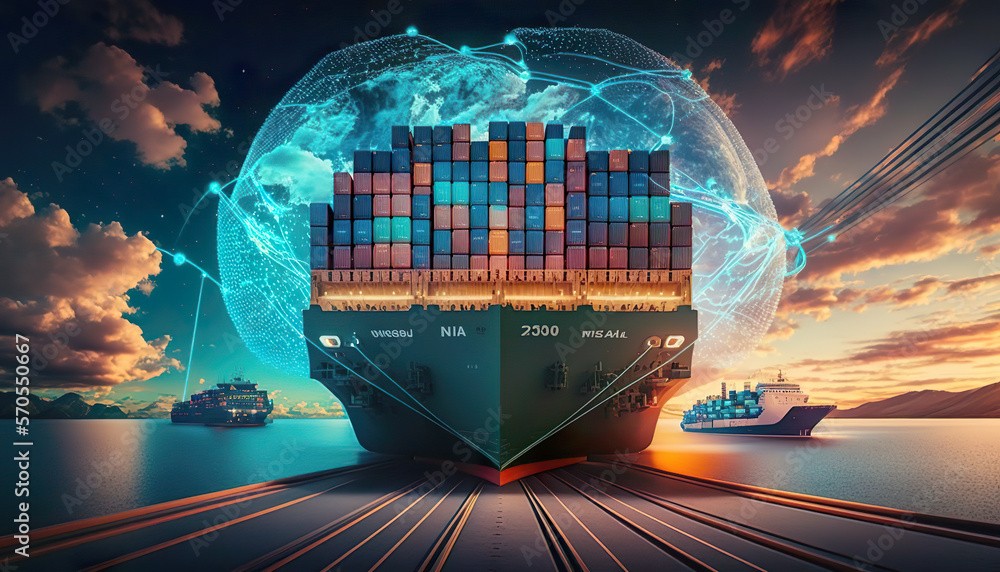
Top Australia Ecommerce Warehouse Provider for 2026 Growth
“Finding a reliable Australia ecommerce warehouse provider is essential for businesses looking to scale in the competitive southern hemisphere market. As digital trade continues to expand, Top Logistics offers comprehensive solutions that bridge the gap between global suppliers and local consumers. This guide explores how strategic warehousing and efficient freight management can transform your delivery schedule and customer satisfaction levels throughout 2026.”
❖
What is an Australia Ecommerce Warehouse Provider?
❖
An Australia ecommerce warehouse provider serves as the backbone of your local supply chain by managing storage and order fulfillment. These specialized facilities handle everything from receiving bulk cargo to picking, packing, and shipping individual customer orders. Consequently, businesses can maintain lower overhead costs while ensuring rapid delivery across the continent.
Moreover, modern providers integrate advanced inventory management software with your online storefront. This connectivity allows for real-time tracking and automated restocking alerts, which are vital for maintaining high service standards. Specifically, a 3PL partner in Australia helps you navigate the complexities of local logistics trends and consumer expectations.
Typically, these providers offer a range of value-added services such as kitting, labeling, and reverse logistics. By outsourcing these tasks, you can focus on marketing and product development rather than manual labor. Ultimately, the right partner acts as an extension of your brand in the Australian market.
❖
Why You Need a Local Warehouse Partner in 2026
❖
Shipping directly from overseas often results in long transit times and high individual shipping costs. However, utilizing an Australia ecommerce warehouse provider allows you to store inventory locally and reduce the last-mile delivery distance. This strategic move significantly improves the customer experience by offering next-day or two-day delivery options.
Furthermore, local warehousing helps mitigate the risks associated with global supply chain disruptions. By keeping a buffer of stock within Australia, you protect your business from sudden port closures or international transport delays. Indeed, market data suggests that localized inventory increases conversion rates by up to thirty percent.
Additionally, a local partner understands the specific nuances of the Australian geography and postal network. They can optimize shipping routes to save on domestic freight rates, especially for remote areas in Western Australia or the Northern Territory. Therefore, local expertise remains a competitive advantage in the 2026 retail landscape.
❖
How Does Sea Freight Compare to Other Shipping Options?
❖
When importing inventory to your Australia ecommerce warehouse provider, sea freight remains the most cost-effective method for large volumes. While it is slower than air transport, the cost per cubic meter is significantly lower for bulk shipments. Most businesses choose this method to stock their primary inventory levels for the quarter.
In contrast, air freight is ideal for high-value items or urgent restocks when inventory levels are critically low. Although the expense is higher, the rapid transit time ensures you never miss a sales opportunity due to out-of-stock messages. To summarize, a balanced approach using both methods often yields the best results for growing brands.
Below is a detailed comparison of the primary shipping methods used to move goods from major Chinese ports to Australian distribution centers.
| Shipping Method | Cost Range | Transit Time | Best For |
|---|---|---|---|
| Sea Freight (FCL) | $1,200 – $2,000 | 12 – 18 Days | Bulk Inventory |
| Sea Freight (LCL) | $80 – $160 / CBM | 15 – 22 Days | Mid-sized Shipments |
| Air Freight | $4.50 – $9.00 / KG | 3 – 7 Days | Urgent Restocks |
| Express Service | $7.00 – $12.00 / KG | 2 – 4 Days | Sample Testing |
❖
Real-World Logistics Case Studies
❖
Case Study 1: Electronics Distribution. Route: Shenzhen, China to Sydney, Australia. Cargo: Consumer Electronics, 5 CBM, 1200kg. Container: LCL 5 CBM. Shipping Details: Major carrier, Port of Loading: Shenzhen, Port of Discharge: Sydney. Route Type: Direct. Cost Breakdown: Ocean Freight: $450, Origin Charges: $200, Destination Charges: $350, Customs and Duties: $1,200. Total Landed Cost: $2,200. Timeline: Booking to Loading: 3 days, Sea Transit: 16 days, Customs Clearance: 2 days. Total Door-to-Door: 21 days. Key Insight: Consolidating multiple small orders into one LCL shipment saved the client forty percent compared to individual air parcels.
Case Study 2: Fashion Apparel. Route: Ningbo, China to Melbourne, Australia. Cargo: Seasonal Clothing, 28 CBM, 4500kg. Container: 20GP. Shipping Details: Major carrier, Port of Loading: Ningbo, Port of Discharge: Melbourne. Route Type: Direct. Cost Breakdown: Ocean Freight: $1,100, Origin Charges: $300, Destination Charges: $500, Customs and Duties: $2,500. Total Landed Cost: $4,400. Timeline: Booking to Loading: 4 days, Sea Transit: 15 days, Customs Clearance: 2 days. Total Door-to-Door: 21 days. Key Insight: Using a full container prevented damage during handling and ensured all seasonal stock arrived simultaneously for the 2026 spring launch.
Note: Freight rates are subject to change based on fuel costs, carrier capacity, and seasonal demand. Contact us for a current quote tailored to your specific shipment.
❖
Efficient Air Freight for Urgent Restocks
❖
For many ecommerce sellers, air freight serves as a vital tool for maintaining stock continuity. When a product goes viral or seasonal demand spikes unexpectedly, waiting three weeks for a ship is not an option. Consequently, air transport provides the necessary speed to keep your Australia ecommerce warehouse provider stocked.
Moreover, air cargo handling is generally more secure and involves less physical movement than sea freight. This reduction in handling makes it a preferred choice for fragile electronics or high-end luxury goods. Therefore, while the freight rates are higher, the lower insurance costs and reduced risk of damage can offset some of the expense.
Specifically, businesses should analyze their profit margins to determine when the speed of air transport justifies the cost. In many cases, the ability to fulfill orders immediately prevents customers from switching to a competitor. Ultimately, air freight is an investment in market share and customer loyalty.
❖
Navigating Customs and Import Regulations
❖
Importing goods into Australia requires a deep understanding of local regulations and tax obligations. Utilizing a professional customs brokerage service ensures that your documentation is accurate and compliant with Australian Border Force requirements. Failure to provide correct paperwork can lead to expensive delays and storage fees at the port.
Additionally, you must account for the Goods and Services Tax (GST) and potential customs duties on your imports. Most ecommerce goods are subject to a ten percent GST, which must be calculated based on the value of the goods plus insurance and freight. Consequently, working with an expert helps you calculate the total landed cost before the shipment leaves China.
Furthermore, certain products may require specific permits or quarantine inspections by the Department of Agriculture, Fisheries and Forestry. Your Australia ecommerce warehouse provider can often assist in coordinating these inspections to ensure a smooth transition from the port to the warehouse shelf.
| Document Name | Purpose | Required For | Issuer |
|---|---|---|---|
| Commercial Invoice | Value Declaration | All Shipments | Seller/Supplier |
| Packing List | Content Verification | All Shipments | Seller/Supplier |
| Bill of Lading | Title of Goods | Sea Freight | Carrier |
| COO Certificate | Duty Reductions | FTA Shipments | Chamber of Commerce |
❖
Leveraging Amazon FBA and Local Warehousing
❖
Many sellers utilize Amazon FBA to tap into the massive Prime customer base in Australia. However, relying solely on Amazon for storage can become expensive during peak seasons due to their high storage fees. Instead, many successful brands use a hybrid model with a private Australia ecommerce warehouse provider.
In this model, you store the bulk of your inventory in a more affordable 3PL facility and drip-feed stock into Amazon centers as needed. This strategy minimizes your overall storage costs while still allowing you to offer Prime shipping to customers. Moreover, it gives you a backup fulfillment channel if Amazon’s warehouses reach capacity.
Consequently, this multi-channel approach provides greater flexibility and control over your inventory levels. You can fulfill orders from your own website, eBay, and Catch.com.au all from a single pool of stock. Therefore, a local warehouse partner acts as the central hub for your entire Australian retail operation.
❖
Which Option Should You Choose?
❖
Deciding on the best logistics strategy depends on your business size, product type, and growth goals for 2026. If your primary goal is budget priority, we recommend sea freight combined with a suburban warehouse location to minimize costs. On the other hand, if speed priority is paramount, air freight and a Sydney-based fulfillment center are the best choices.
Cargo type considerations also play a major role in your decision-making process. For instance, bulky furniture items are almost always better suited for sea freight due to their volume. Conversely, lightweight accessories or high-tech gadgets can often be moved profitably via air transport. Without a doubt, analyzing your product dimensions is the first step in planning.
Volume thresholds are also a key factor when switching between methods. Once your monthly volume exceeds 15 cubic meters, moving from LCL to a full 20GP container becomes significantly more economical. Meanwhile, if you are shipping less than 100kg per month, express courier services might be more practical than traditional freight.
❖
Optimizing Your Shipping from China to Australia
❖
Successful shipping from China to Australia requires careful planning and coordination between multiple parties. You must ensure that your supplier in China understands the labeling requirements for the Australian market to avoid processing delays. Additionally, choosing the right port of loading in China can save several days in transit time.
Furthermore, 2026 logistics trends suggest that direct routes from Shanghai and Ningbo are currently the most stable. While transshipment via Singapore can sometimes offer lower rates, the risk of delays is higher during peak seasons. Therefore, we generally recommend direct services for ecommerce stock where timing is critical for sales.
In fact, many businesses are now adopting ‘green logistics’ practices to appeal to eco-conscious Australian consumers. This includes using recycled packaging materials and choosing carriers with carbon-offset programs. By aligning your logistics with consumer values, you can build a stronger brand presence in the local market.
❖
Future Trends in Australian Ecommerce Logistics
❖
As we progress through 2026, automation in warehousing is becoming more accessible for small and medium enterprises. Robotic picking systems and AI-driven demand forecasting are helping an Australia ecommerce warehouse provider process orders faster than ever before. Consequently, the gap between small boutiques and major retailers is narrowing in terms of delivery speed.
Moreover, the rise of regional fulfillment centers is allowing for faster delivery to non-metropolitan areas. Instead of shipping everything from Sydney, brands are splitting inventory between multiple locations to be closer to their customers. This decentralized approach reduces shipping costs and environmental impact simultaneously.
Finally, the integration of blockchain technology is improving transparency throughout the international shipping process. Customers now expect to see every step of their package’s journey, from the factory floor in China to their doorstep in Brisbane. Embracing these technologies is no longer optional for those who wish to lead the market.
Success with Your Australia Ecommerce Warehouse Provider
To summarize, selecting the right Australia ecommerce warehouse provider is a transformative decision for any international brand. By localizing your inventory, you effectively eliminate the barriers of distance and time that often hinder cross-border trade. This approach ensures that your customers receive their orders quickly, which is the most significant driver of repeat business in 2026.
Furthermore, balancing sea and air freight allows you to maintain optimal stock levels without overextending your budget. Remember to stay informed about customs regulations and logistics trends to keep your supply chain efficient and compliant. With the right strategy and a reliable 3PL partner, your business is well-positioned for long-term success in the vibrant Australian market.
Ready to streamline your logistics?
Ready to streamline your Australian operations? Partner with a premier Australia ecommerce warehouse provider today to reduce your shipping costs and improve delivery times. Contact Top Logistics for a customized quote and let our experts handle your 2026 supply chain needs. Visit our website to learn more about our comprehensive logistics solutions.
Frequently Asked Questions
How do I choose the best warehouse location in Australia?
What are the typical storage costs for ecommerce in 2026?
Can a 3PL integrate with my Shopify or WooCommerce store?
How long does sea freight from China to Australia take?
Do I need a local Australian business entity to use a warehouse?
What is the difference between FCL and LCL shipping?
How are returns handled by an Australia ecommerce warehouse provider?
Are there peak season surcharges I should know about?