

Shipping from China to Christchurch: 2026 Freight Guide and Rates
Navigating the complexities of shipping from China to Christchurch requires a strategic approach to ensure your cargo arrives safely and on time. At DSV-Freight, we specialize in streamlining these trans-Pacific routes for businesses of all sizes. Consequently, understanding the latest logistics trends and cost structures is essential for maintaining a competitive edge in the New Zealand market.
✦
What are the primary methods for shipping from China to Christchurch?
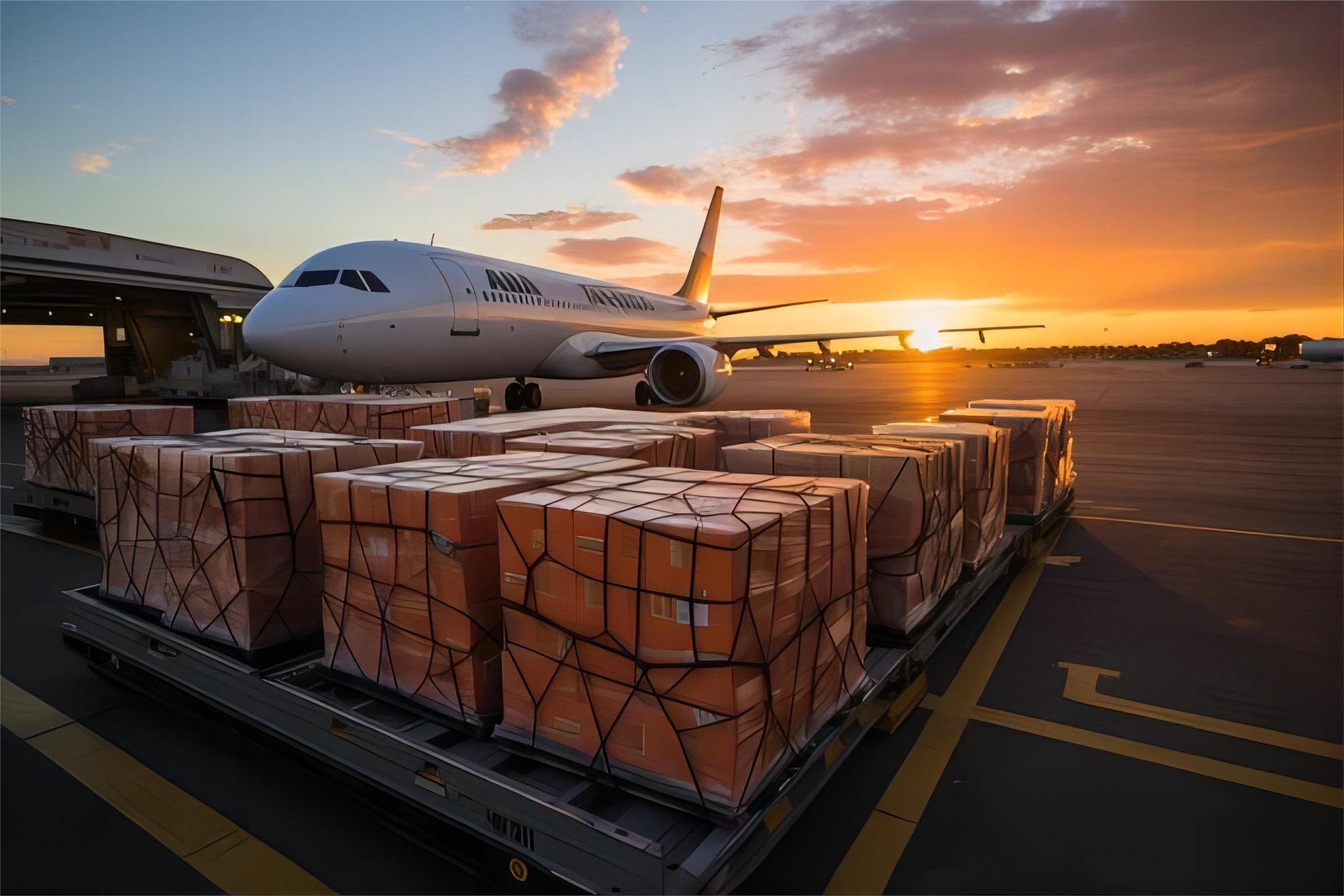
Choosing the right transport mode depends heavily on your budget, timeline, and cargo volume. For most businesses, sea freight remains the backbone of trade between China and the South Island. However, air freight offers unparalleled speed for high-value or time-sensitive electronics and medical supplies.
Moreover, the choice between Full Container Load (FCL) and Less than Container Load (LCL) significantly impacts your landed cost. FCL provides a dedicated space for your goods, which reduces handling risks during the long journey across the Pacific. On the other hand, LCL allows smaller importers to share container space, making it a cost-effective solution for modest shipments.
Meanwhile, multi-modal solutions are becoming increasingly popular in early 2026 to bypass occasional port congestion. These hybrid strategies often involve shipping to major hubs like Auckland before utilizing coastal shipping or rail to reach Christchurch. Indeed, selecting the optimal method requires a balance between transit speed and total expenditure.
The efficiency of ocean freight services
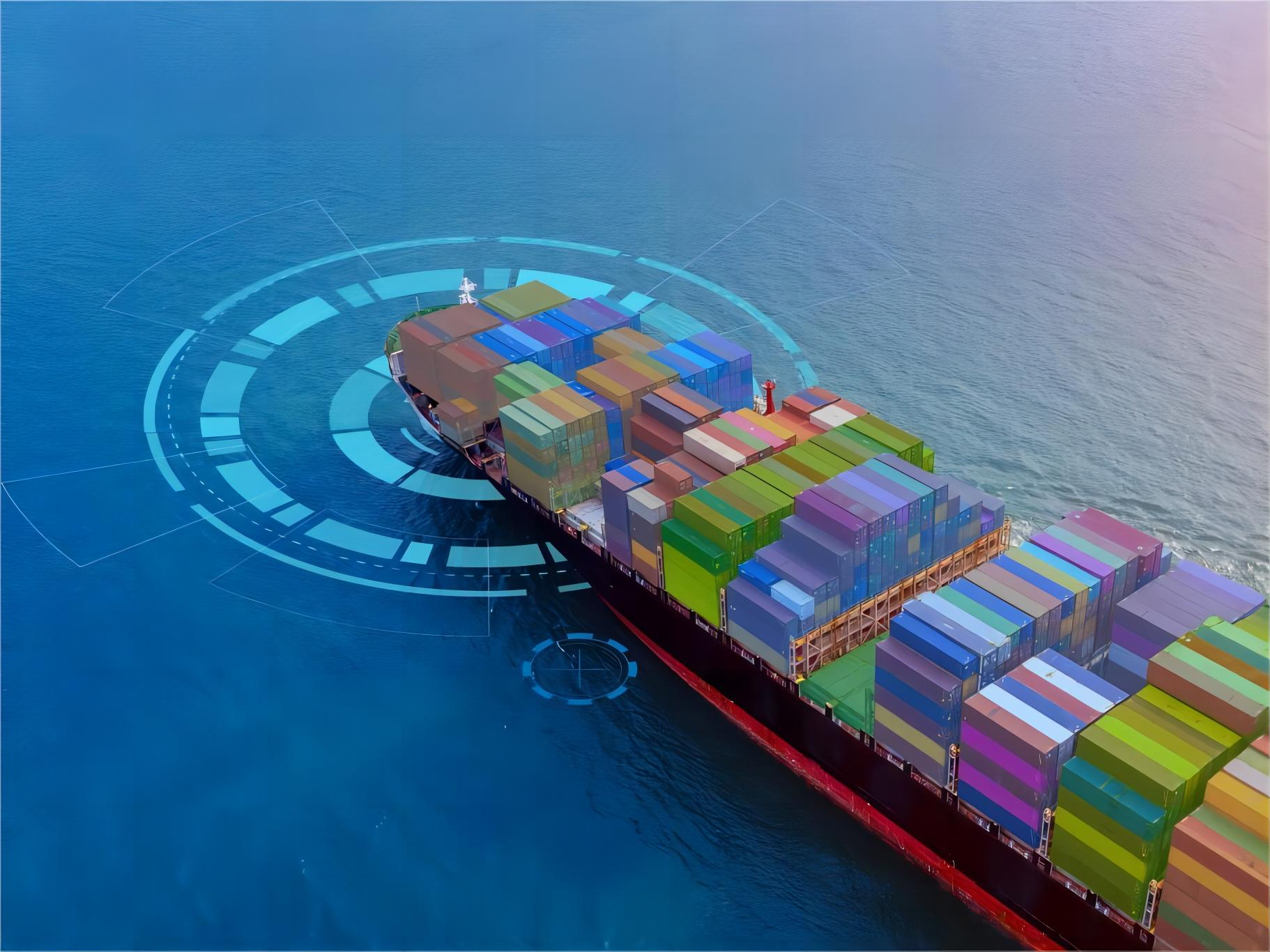
Utilizing sea freight is the most economical way to move large volumes of goods into the Lyttelton Port. Most vessels depart from major Chinese hubs like Shanghai, Ningbo, or Shenzhen. Furthermore, the 2026 maritime schedule has become more predictable compared to previous years.
Specifically, direct services to New Zealand have expanded to accommodate the growing demand for renewable energy components and construction materials. Nevertheless, importers must account for seasonal weather patterns that can occasionally disrupt South Pacific routes. Accordingly, planning your booking at least three weeks in advance is highly recommended.
How much does shipping from China to Christchurch cost in 2026?
Freight rates have stabilized in the first quarter of 2026 after the fluctuations seen in late 2025. Currently, the market reflects a balanced supply of container capacity and steady demand from New Zealand retailers. Therefore, businesses can budget with greater confidence than in previous cycles.
Additionally, fuel surcharges and port handling fees at Lyttelton play a significant role in the final invoice. While base ocean freight might seem low, destination charges can add several hundred dollars to the total cost. Consequently, it is vital to request a comprehensive quote that covers all local fees.
| Shipping Method | Estimated Cost (USD) | Transit Time | Best For |
|---|---|---|---|
| 20GP Container (FCL) | $900 – $1,300 | 16-22 Days | Bulk goods, heavy machinery |
| 40HQ Container (FCL) | 1,500 – $2,100 | 16-22 Days | High volume, light retail |
| LCL (per CBM) | $55 – $95 | 22-28 Days | Small business inventory |
| Air Freight (per KG) | $4.50 – $7.50 | 4-7 Days | Urgent parts, electronics |
Why choose air freight for urgent Christchurch deliveries?
When time is the most critical factor, air freight stands out as the superior choice. This method reduces the transit time from weeks to just a few days, which is essential for perishable goods or critical machinery parts. Furthermore, the security levels at air terminals are typically higher than at sea ports.
In addition, air transport minimizes the need for heavy packaging, which can slightly offset the higher freight rates. Many Christchurch-based tech firms prefer this method for high-value components to maintain lean supply chains. Indeed, the reliability of flight schedules ensures that production lines never stop due to shipping delays.
How does sea freight compare to other shipping options?
Analyzing the trade-offs between different logistics strategies is crucial for long-term profitability. While sea freight is the cheapest option for the China-to-New Zealand route, it lacks the agility of express services. On the contrary, express couriers provide a seamless experience but at a premium price point.
Furthermore, rail freight is not a viable direct option for this island nation, leaving sea and air as the primary contenders. Importers often utilize a mix of both to manage their inventory levels effectively. For example, they might ship the bulk of their stock by sea while using air freight for emergency restocks.
| Shipping Method | Cost Range | Transit Time | Limitations |
|---|---|---|---|
| Direct Sea Freight | Low | 16-20 Days | Longer lead times |
| Transshipment (via SG) | Very Low | 25-35 Days | Higher delay risk |
| Standard Air Freight | High | 5-8 Days | Weight/Size limits |
| Express Courier | Very High | 3-5 Days | Most expensive |
What documentation is required for New Zealand customs?
Navigating the legal requirements is often the most challenging part of importing into Christchurch. You must ensure that all paperwork is accurate to avoid costly delays at the border. Specifically, New Zealand Customs and the Ministry for Primary Industries (MPI) have strict biosecurity standards.
Moreover, engaging a professional customs brokerage service can save you significant time and stress. They handle the complex classification of goods and ensure that all duties and GST are calculated correctly. Consequently, your cargo can clear customs within 24 to 48 hours of arrival.
| Document Name | Purpose | Issuer | Criticality |
|---|---|---|---|
| Commercial Invoice | Valuation of goods | Supplier | Mandatory |
| Bill of Lading | Title to cargo | Carrier | Mandatory |
| Packing List | Detailed contents | Supplier | Mandatory |
| Certificate of Origin | Duty exemptions | Chamber of Commerce | Recommended |
Which option should you choose for your cargo?
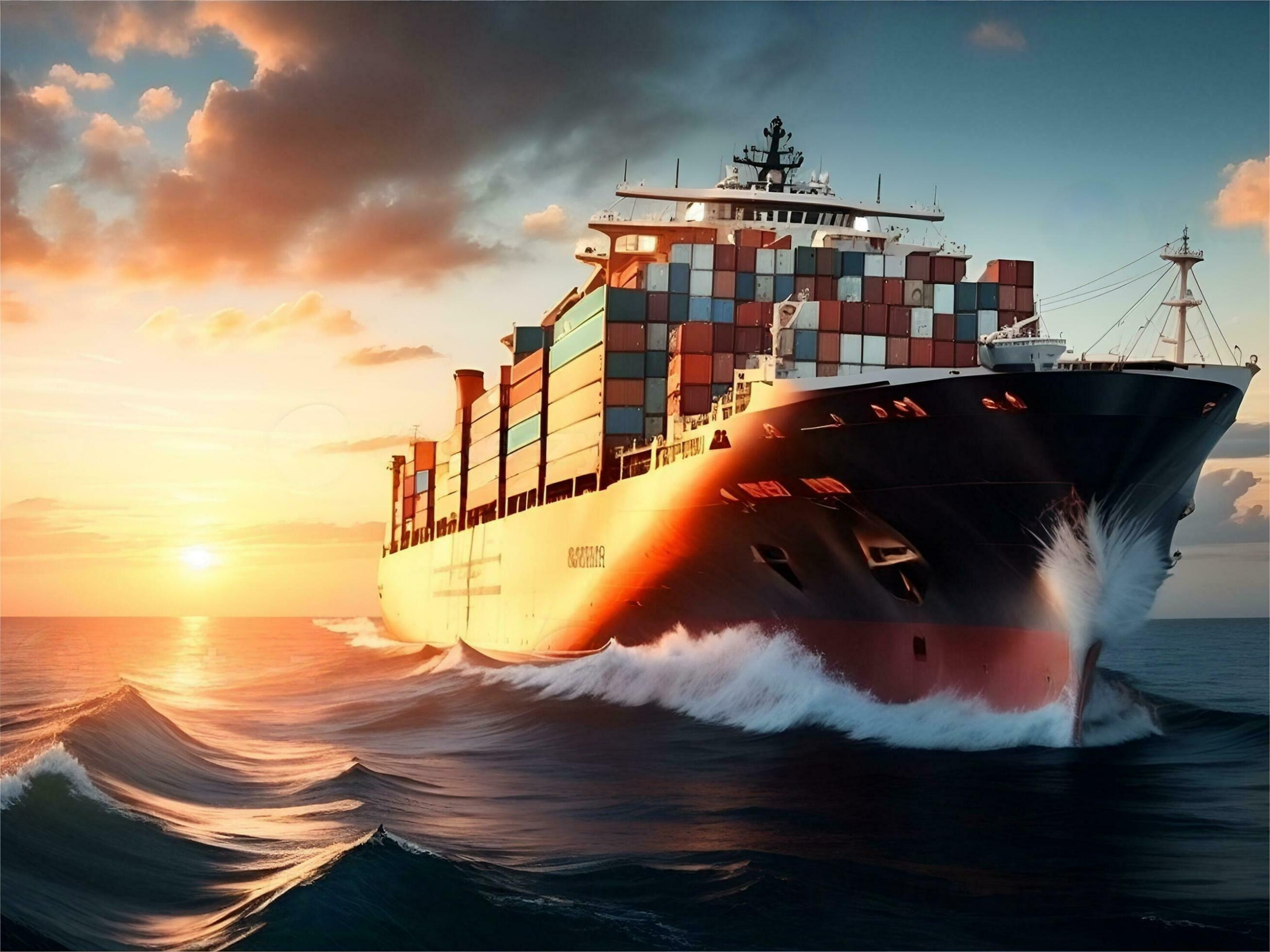
Determining the best logistics path requires a clear understanding of your business priorities. If your primary goal is cost reduction and you have flexible lead times, sea freight is the clear winner. However, if you are launching a new product or responding to a sudden market surge, the speed of air freight is worth the investment.
Additionally, consider the nature of your goods before making a final decision. Fragile or high-value items often benefit from the reduced handling involved in air transport. Meanwhile, durable goods like furniture or industrial equipment are perfectly suited for the longer ocean voyage. To summarize, your decision should align with both your financial targets and your customer service commitments.
Real-world shipping scenarios and case studies
Examining actual shipments provides valuable insights into the practicalities of the China-to-Christchurch route. These examples illustrate the costs and timelines associated with different cargo types in the 2026 market. Consequently, you can use these benchmarks to better estimate your own shipping requirements.
Case Study 1: FCL Electronics Shipment
Case Study 1: High-Volume Electronics Import. Route: Shenzhen to Lyttelton, Christchurch. Cargo: Consumer electronics, 65 CBM, 12,000 kg. Container: 40HQ. Shipping Details: Carrier: Major carrier, Port of Loading: Shenzhen, Port of Discharge: Lyttelton, Route Type: Direct. Cost Breakdown: Ocean Freight: $1,950, Origin Charges: $320, Destination Charges: $450, Customs and Duties: $1,100 (GST), Total Landed Cost: $3,820. Timeline: Booking to Loading: 4 days, Sea Transit: 17 days, Customs Clearance: 2 days, Total Door-to-Door: 23 days. Key Insight: Direct routes from Shenzhen significantly reduced the risk of damage for sensitive electronic components.
Case Study 2: LCL Furniture Distribution
Case Study 2: Boutique Furniture Supply. Route: Ningbo to Christchurch. Cargo: Designer chairs and tables, 8 CBM, 1,200 kg. Container: LCL. Shipping Details: Carrier: Consolidation service, Port of Loading: Ningbo, Port of Discharge: Lyttelton, Route Type: Transshipment via Auckland. Cost Breakdown: Ocean Freight: $680, Origin Charges: $150, Destination Charges: $280, Customs and Duties: $420, Total Landed Cost: $1,530. Timeline: Booking to Loading: 6 days, Sea Transit: 24 days, Customs Clearance: 3 days, Total Door-to-Door: 33 days. Key Insight: Using LCL allowed the importer to maintain inventory without the cost of a full container.
How to optimize your door-to-door logistics strategy?
Implementing a door to door service eliminates the hassle of managing multiple vendors. This comprehensive approach covers everything from the factory pickup in China to the final delivery at your Christchurch warehouse. Furthermore, it provides a single point of accountability for your entire supply chain.
Moreover, for smaller parcels or urgent documents, an express service is often the most efficient route. These services bypass much of the traditional freight handling processes, ensuring rapid delivery. Accordingly, integrating these options into your logistics plan can significantly improve your operational efficiency.
Final thoughts on Christchurch shipping
Successfully managing shipping from China to Christchurch requires a blend of careful planning and the right logistics partnerships. Whether you prioritize the cost-effectiveness of sea freight or the rapid transit of air cargo, understanding the 2026 market landscape is vital. By focusing on accurate documentation and choosing the appropriate shipping method, you can ensure your goods arrive efficiently at the Lyttelton port.
Indeed, the New Zealand market offers great opportunities for those who can master their supply chain. Stay informed about logistics trends and continue to optimize your freight strategies for the best results. Note: Freight rates are subject to change based on fuel costs, carrier capacity, and seasonal demand. Contact us for a current quote tailored to your specific shipment.