


Sea Freight China to Tahiti: 2026 Shipping Guide and Costs
Navigating the logistics of sea freight China to Tahiti requires a deep understanding of Pacific shipping lanes and Tahitian customs protocols. Businesses looking to expand their footprint in French Polynesia must balance transit speed with cost-efficiency to remain competitive in 2026. By partnering with a reliable logistics provider like toplogisticslt.com, importers can streamline their supply chain and avoid common pitfalls associated with remote island deliveries. This guide provides a comprehensive analysis of current market rates, transit schedules, and strategic shipping alternatives tailored for the modern global economy.

How Does Sea Freight China to Tahiti Work in 2026?
Shipping goods across the Pacific involves a complex network of carriers and transshipment hubs that connect major Chinese ports to Papeete. Most cargo originating from industrial centers like Shanghai or Shenzhen undergoes a systematic consolidation process before departing for the South Pacific. Consequently, understanding the nuances of maritime transport is essential for managing lead times and inventory levels effectively.
Moreover, the 2026 logistics landscape has seen significant shifts in carrier alliances, leading to more predictable schedules for the China-Tahiti route. Indeed, many shipping lines now offer direct services or efficient transshipment via Australia or New Zealand, which helps in reducing the overall voyage duration. Therefore, selecting the right port of loading is the first critical step in optimizing your sea freight China to Tahiti strategy.
Additionally, the integration of digital tracking technologies allows importers to monitor their shipments in real-time, providing much-needed transparency. Meanwhile, the rise of eco-friendly shipping initiatives in 2026 has introduced new fuel surcharges that businesses must account for in their annual budgeting. In addition, local regulations in French Polynesia continue to evolve, making it vital to stay informed about current import mandates.
Choosing Between FCL and LCL Shipping Options
Determining whether to use Full Container Load (FCL) or Less than Container Load (LCL) depends largely on your cargo volume and budget constraints. For large-scale shipments, sea freight in the form of FCL offers the best value and security. For instance, a 20GP or 40HQ container provides an exclusive space for your goods, minimizing the risk of damage from other shippers’ cargo.
On the other hand, LCL is an excellent solution for smaller businesses that do not have enough inventory to fill an entire container. In this scenario, your goods share space with other shipments, and you only pay for the volume you occupy. However, keep in mind that LCL often involves longer transit times due to the consolidation and deconsolidation processes at the ports.
Furthermore, pricing for FCL has stabilized in early 2026, though seasonal spikes still occur during the pre-Lunar New Year period. Without a doubt, choosing the correct container type can significantly impact your landed cost and overall profitability. As a result, many savvy importers analyze their shipping frequency to decide which method aligns best with their 2026 supply chain goals.
| Shipping Method | Ideal Volume | Cost Structure | Security Level |
|---|---|---|---|
| FCL (20GP/40HQ) | Above 15 CBM | Flat rate per container | High (Sealed container) |
| LCL (Consolidated) | 1 to 15 CBM | Price per CBM/Weight | Moderate (Shared space) |
What Are the Estimated Costs for Sea Freight China to Tahiti?
Pricing for maritime transport is influenced by several variables, including fuel costs, seasonal demand, and port congestion levels. Based on current market rates for Q1 2026, shipping a 20GP container from Shanghai to Papeete typically ranges between $2,200 and $3,100. Meanwhile, larger 40HQ containers often see rates between $3,800 and $5,200, depending on the specific carrier and service level selected.
Additionally, LCL rates for this route are generally quoted between $90 and $140 per cubic meter. It is important to remember that these figures represent the ocean freight component only and do not include local port charges or duties. Consequently, importers should always request a comprehensive quote that covers all potential surcharges to avoid unexpected expenses upon arrival.
Note: Freight rates are subject to change based on fuel costs, carrier capacity, and seasonal demand. Contact us for a current quote tailored to your specific shipment.
| Container Type | Estimated Rate (USD) | Transit Time | Route Type |
|---|---|---|---|
| 20GP Container | $2,200 – $3,100 | 25-35 Days | Transshipment |
| 40HQ Container | $3,800 – $5,200 | 25-35 Days | Transshipment |
| LCL (per CBM) | $90 – $140 | 35-45 Days | Consolidated |
How Does Sea Freight Compare to Other Shipping Options?
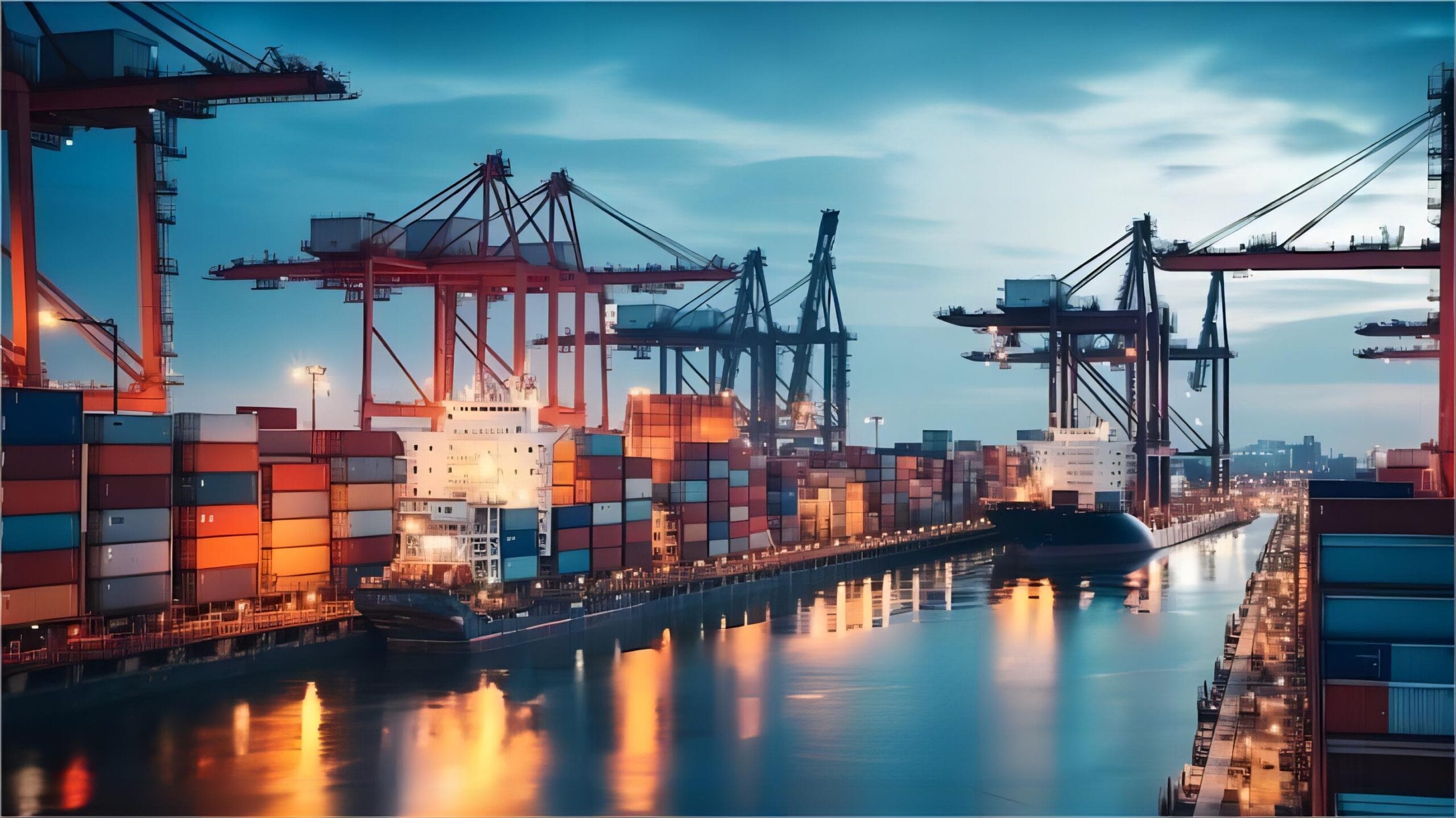
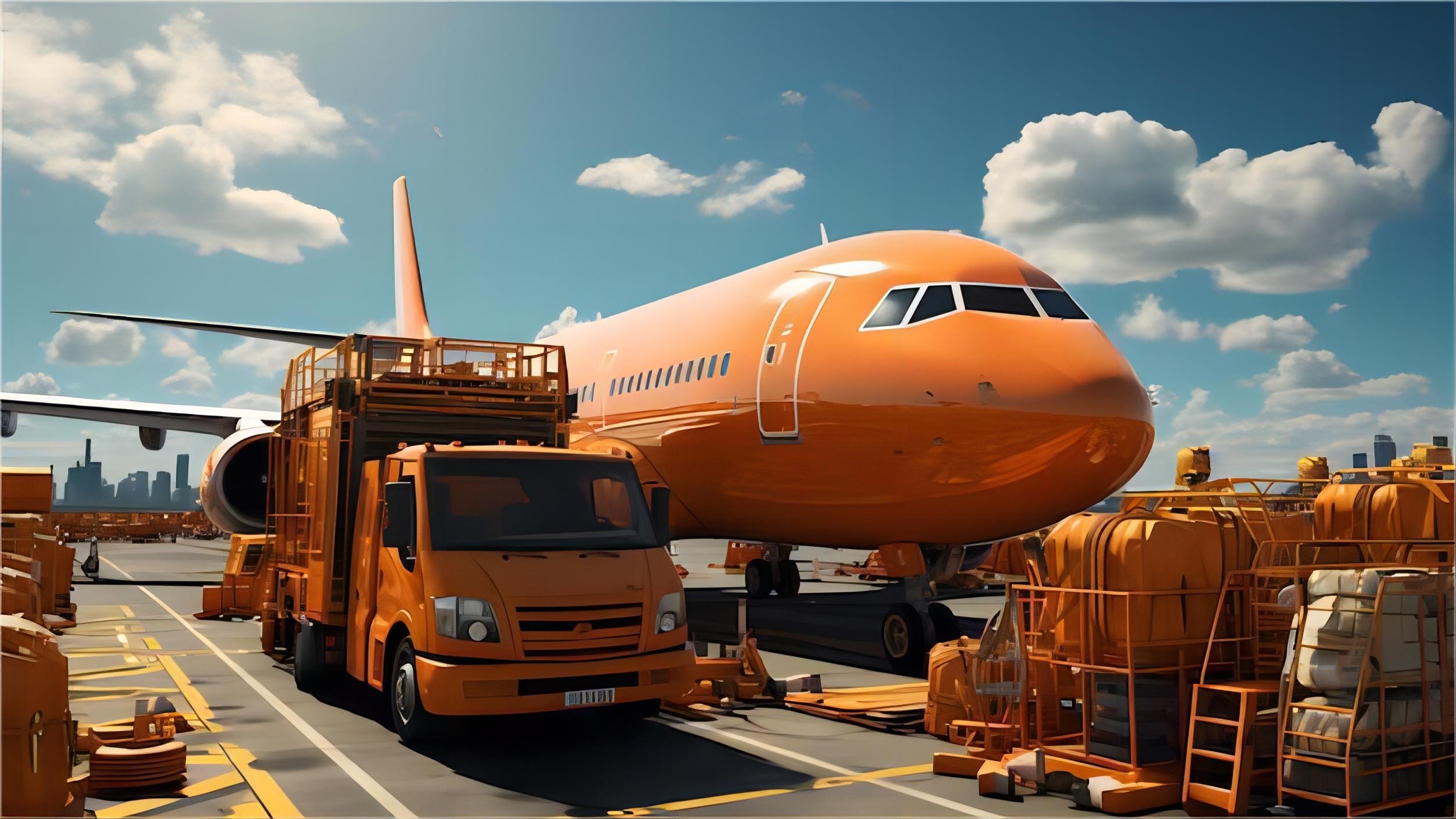
While sea freight China to Tahiti is the most popular choice for bulk goods, other methods offer distinct advantages depending on the urgency of the shipment. For example, air freight is significantly faster but comes at a much higher price point. Indeed, air transport is usually reserved for high-value or time-sensitive items like electronics or emergency medical supplies.
In contrast, sea freight remains the backbone of trade for French Polynesia due to its ability to handle oversized and heavy cargo economically. For instance, shipping a metric ton of machinery via sea is roughly 80% cheaper than using air transport. Furthermore, for very small packages, an express service might be more convenient despite the higher unit cost.
Moreover, hybrid solutions such as sea-air combinations are gaining traction in 2026 for those seeking a middle ground between speed and cost. This approach often involves shipping goods by sea to a regional hub like Auckland and then flying them to Tahiti. Therefore, the choice of method should always be aligned with the specific requirements of the cargo and the delivery deadline.
| Shipping Method | Cost Range | Transit Time | Best For |
|---|---|---|---|
| Sea Freight | $ (Low) | 25-40 Days | Bulk, Heavy Cargo |
| Air Freight | $$$$ (High) | 5-9 Days | Urgent, High Value |
| Express Service | $$$ (Medium) | 3-6 Days | Samples, Documents |
Which Option Should You Choose?
Selecting the optimal shipping strategy requires a clear assessment of your business priorities and the nature of your cargo. If your primary goal is cost reduction and you have flexible lead times, sea freight China to Tahiti is undoubtedly the most logical choice. However, if you are dealing with perishable goods or seasonal inventory that must hit the shelves immediately, air freight may justify the extra investment.
For shipments that fall between 1 and 15 CBM, we generally recommend LCL to maximize savings without paying for empty container space. On the other hand, if your volume exceeds 15 CBM, upgrading to a 20GP FCL container often results in a lower cost per unit. Additionally, consider utilizing a door to door service to simplify the logistics chain and reduce the administrative burden on your team.
Budget priority: Recommend LCL or FCL sea freight with longer transit times to secure lower rates. Speed priority: Recommend air freight or express services for door-to-door delivery within 10 days. Volume thresholds: Once your shipment exceeds 15 CBM, FCL becomes more economical than LCL for the China to Tahiti route.
Customs Brokerage and Documentation Requirements
Navigating the customs landscape in French Polynesia is a critical aspect of sea freight China to Tahiti that cannot be overlooked. Every shipment must be accompanied by accurate documentation, including a Commercial Invoice, Packing List, and Bill of Lading. Furthermore, certain products may require specific certificates of origin or health permits to clear the Port of Papeete.
Consequently, employing a professional customs brokerage service is highly recommended to ensure compliance with local laws. In 2026, Tahitian customs have implemented stricter digital filing requirements, making it essential to have your paperwork in order well before the vessel arrives. Indeed, even a small error in documentation can lead to costly delays and storage fees at the terminal.
Moreover, understanding the duty structures for different commodity codes can help you estimate the total landed cost more accurately. For example, luxury goods and electronics often carry higher import taxes compared to essential raw materials. Therefore, conducting a thorough pre-shipment review of all documents is a best practice that saves time and money in the long run.
Real-World Case Studies for China to Tahiti Shipping
Examining real-world scenarios provides valuable insights into the practicalities of sea freight China to Tahiti. These cases highlight the importance of planning and selecting the right service levels for different types of cargo.
Case Study 1: Furniture Import for Tahiti Resort Route: Ningbo, China to Papeete, Tahiti Cargo: Luxury hotel furniture, 65 CBM, 12,000 kg Container: 1 x 40HQ Shipping Details: – Carrier: Major Pacific Carrier – Port of Loading: Ningbo – Port of Discharge: Papeete – Route Type: Transshipment via Auckland Cost Breakdown: – Ocean Freight: $4,200 – Origin Charges: $450 – Destination Charges: $600 – Total Landed Cost (Freight): $5,250 Timeline: – Booking to Loading: 5 days – Sea Transit: 32 days – Customs Clearance: 3 days – Total Door-to-Door: 40 days Key Insight: Using FCL allowed the resort to receive all furniture in a single, secure batch, preventing damage and simplifying the installation schedule.
Case Study 2: Solar Panel Distribution Route: Shanghai, China to Papeete, Tahiti Cargo: Solar panels and inverters, 18 CBM, 4,500 kg Container: 1 x 20GP Shipping Details: – Carrier: Regional Specialist – Port of Loading: Shanghai – Port of Discharge: Papeete – Route Type: Direct Service Cost Breakdown: – Ocean Freight: $2,850 – Origin Charges: $380 – Destination Charges: $520 – Total Landed Cost (Freight): $3,750 Timeline: – Booking to Loading: 4 days – Sea Transit: 28 days – Customs Clearance: 2 days – Total Door-to-Door: 34 days Key Insight: Choosing a 20GP container instead of LCL for 18 CBM saved the client approximately $400 in total freight costs and reduced handling risks.
Case Study 3: Retail Apparel Consignments Route: Shenzhen, China to Papeete, Tahiti Cargo: Summer clothing line, 4 CBM, 800 kg Container: LCL Service Shipping Details: – Carrier: Consolidation Expert – Port of Loading: Shenzhen – Port of Discharge: Papeete – Route Type: Transshipment via Sydney Cost Breakdown: – Ocean Freight: $480 ($120/CBM) – Origin Charges: $150 – Destination Charges: $220 – Total Landed Cost (Freight): $850 Timeline: – Booking to Loading: 7 days – Sea Transit: 42 days – Customs Clearance: 4 days – Total Door-to-Door: 53 days Key Insight: LCL provided a cost-effective entry point for a small boutique, although the longer transit time required advanced inventory planning.
Strategic Success in Shipping to Tahiti
To summarize, managing sea freight China to Tahiti successfully in 2026 requires a blend of careful planning, accurate documentation, and the right choice of shipping methods. Whether you opt for FCL to secure large volumes or LCL for smaller consignments, understanding the market dynamics is essential for maintaining a healthy bottom line. Additionally, leveraging professional customs brokerage services ensures that your goods move through the Port of Papeete without unnecessary friction.
As global trade continue to evolve, staying informed about transit times and cost fluctuations will remain a competitive advantage for Tahitian importers. By focusing on efficiency and transparency, businesses can build resilient supply chains that withstand the challenges of Pacific logistics. Ultimately, the right sea freight China to Tahiti strategy is one that balances speed, cost, and reliability to meet your specific commercial objectives.

Need a tailored shipping solution?
Ready to optimize your supply chain with reliable sea freight China to Tahiti? Contact our logistics experts today for a customized quote and professional guidance on your next shipment. Visit toplogisticslt.com to get started.