
Scaling Globally: How a Logistics Provider Supporting International Expansion Strategies Drives Growth
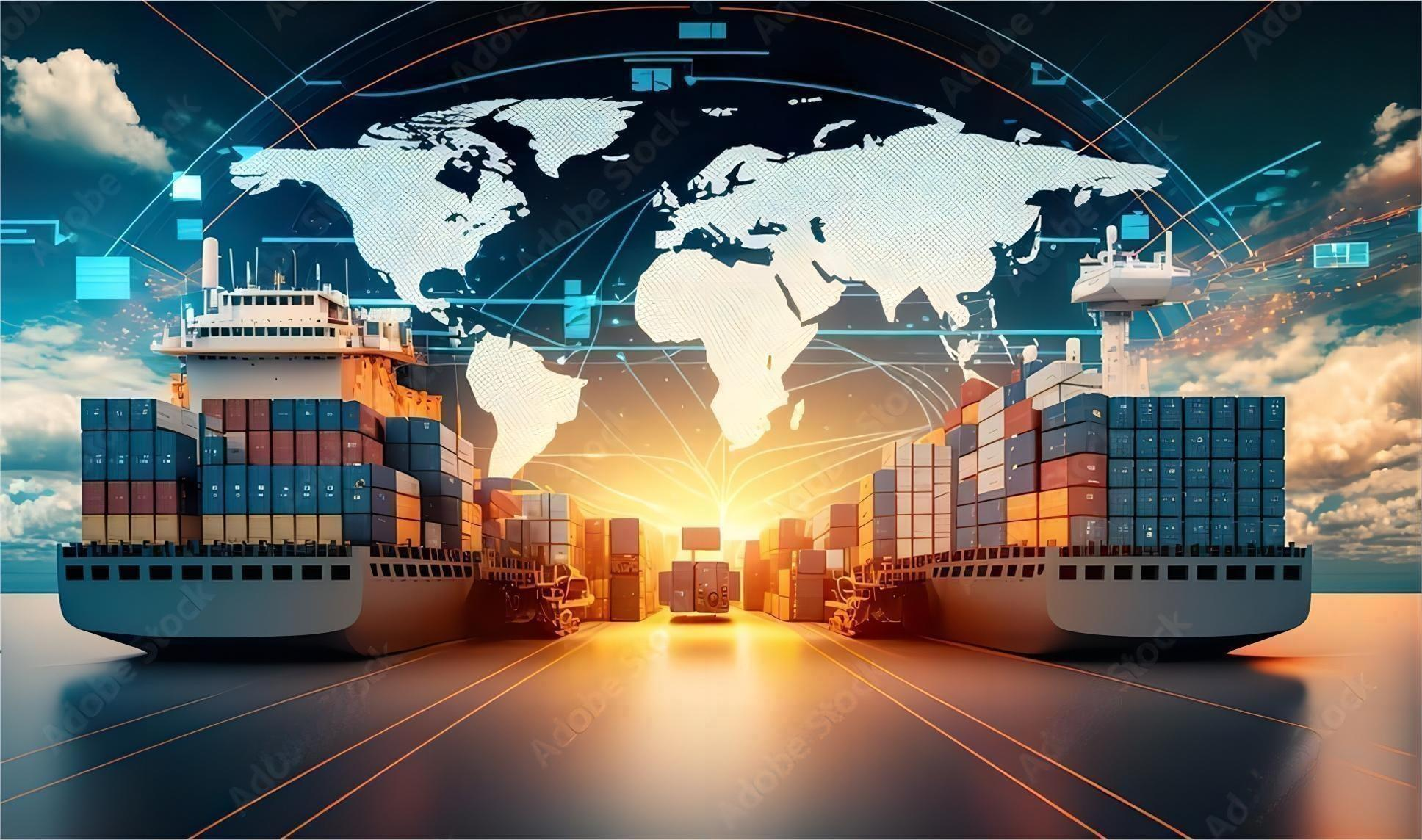
Expanding into foreign markets is a significant milestone for any growing enterprise. However, the complexity of global trade can often hinder progress without the right partner. A logistics provider supporting international expansion strategies provides the necessary infrastructure to navigate these challenges effectively. They allow businesses to scale operations while maintaining efficiency and customer satisfaction across borders.

Navigating the Complexity of Global Supply Chain Management
Managing a global supply chain management system requires more than just moving boxes. It involves coordinating multiple carriers, handling international freight forwarding, and ensuring product safety across borders.
A professional partner simplifies these moving parts by offering comprehensive cross-border shipping solutions. This allows your team to focus on marketing and product development while the experts handle the transit.
Without specialized support, companies often face unexpected delays and rising costs. A logistics provider supporting international expansion strategies mitigates these risks through established routes and carrier relationships.
Ensuring Customs Compliance and Duty Optimization
Every country has unique import regulations and tax structures. Navigating these requires deep customs compliance expertise to avoid legal issues or shipment seizures.
Your partner should provide duty and tax optimization to help reduce the total cost of landed goods. This strategy ensures your products remain priced competitively during the overseas market entry phase.
Proper risk management in global trade is essential for long-term sustainability. Expert providers monitor changing trade laws so your business remains compliant at all times.
Comparing Domestic and International Logistics Needs
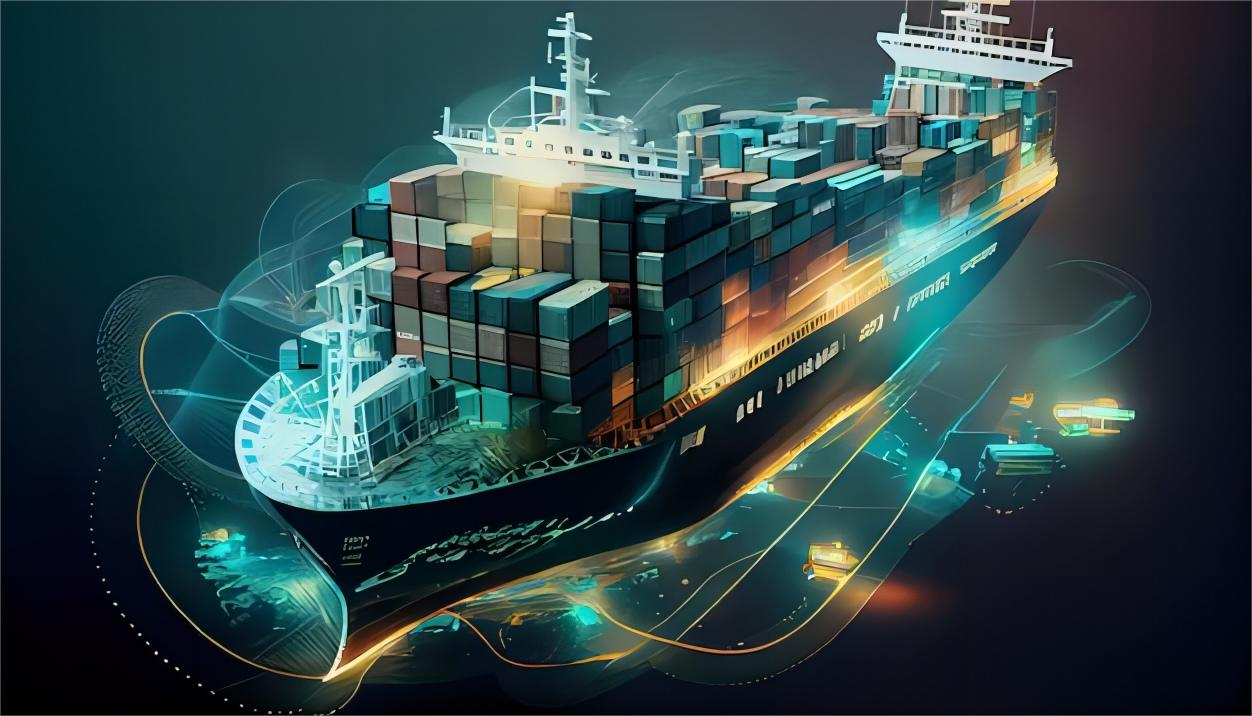
Understanding the differences between local operations and global expansion is critical for success. The scale and regulatory requirements change significantly once you cross a border.
The following table highlights the key areas where a logistics provider supporting international expansion strategies adds the most value compared to standard domestic services.
| Feature | Domestic Focus | Global Expansion Support |
|---|---|---|
| Regulatory Scope | Single country laws | Multi-jurisdictional compliance |
| Shipping Methods | Primarily ground transport | Air and international freight forwarding |
| Inventory Strategy | Centralized regional hubs | Localized global distribution network |
| Cost Factors | Fuel and labor costs | Duties and tax optimization |
Scalable Warehousing and Global Distribution
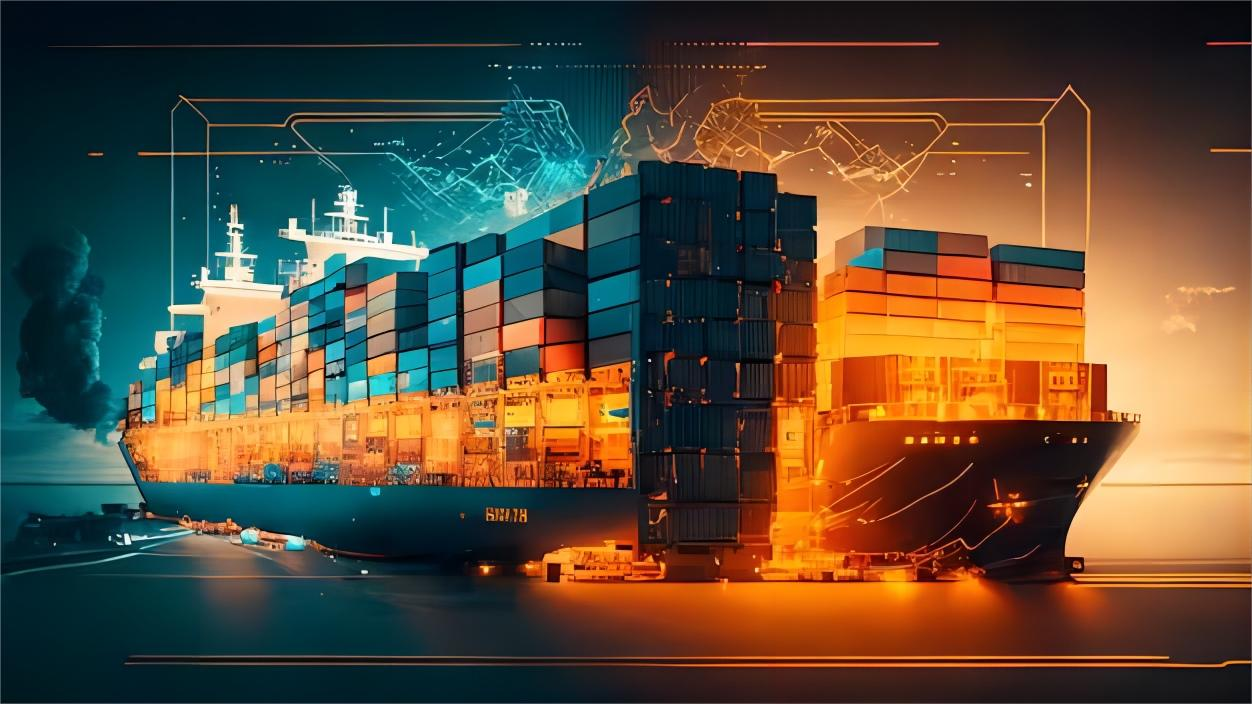
Rapid growth requires flexible storage options that grow with your sales volume. Utilizing scalable warehousing solutions ensures you only pay for the space you need during seasonal peaks.
A robust global distribution network places your inventory closer to the end customer. This proximity is vital for meeting modern expectations for fast delivery in new markets.
E-commerce fulfillment services integrated into your logistics plan allow for seamless order processing. This integration creates a consistent brand experience for customers regardless of their physical location.
Leveraging Supply Chain Visibility Tools
Transparency is the key to managing a successful international operation. Supply chain visibility tools provide real-time data on shipment locations and inventory levels across the globe.
High-quality data helps you identify bottlenecks before they become expensive problems. This proactive approach is a hallmark of third-party logistics (3PL) global experts.
Efficient last-mile delivery international ensures that the final leg of the journey is as smooth as the first. Advanced tracking keeps customers informed and improves overall satisfaction.
Achieving Sustainable Global Growth
Partnering with a logistics provider supporting international expansion strategies is a strategic investment for any brand. It provides the infrastructure, technology, and expertise needed to scale without the typical growing pains of international trade.
By streamlining your global supply chain management, you position your brand for long-term success. Focus on your core business and let the logistics experts handle the complexities of the global market.
Need a tailored shipping solution?
Ready to take your business to the global stage? Contact our team today to learn how our cross-border shipping solutions can accelerate your overseas market entry. Visit our website to get a custom quote and start your expansion journey.