

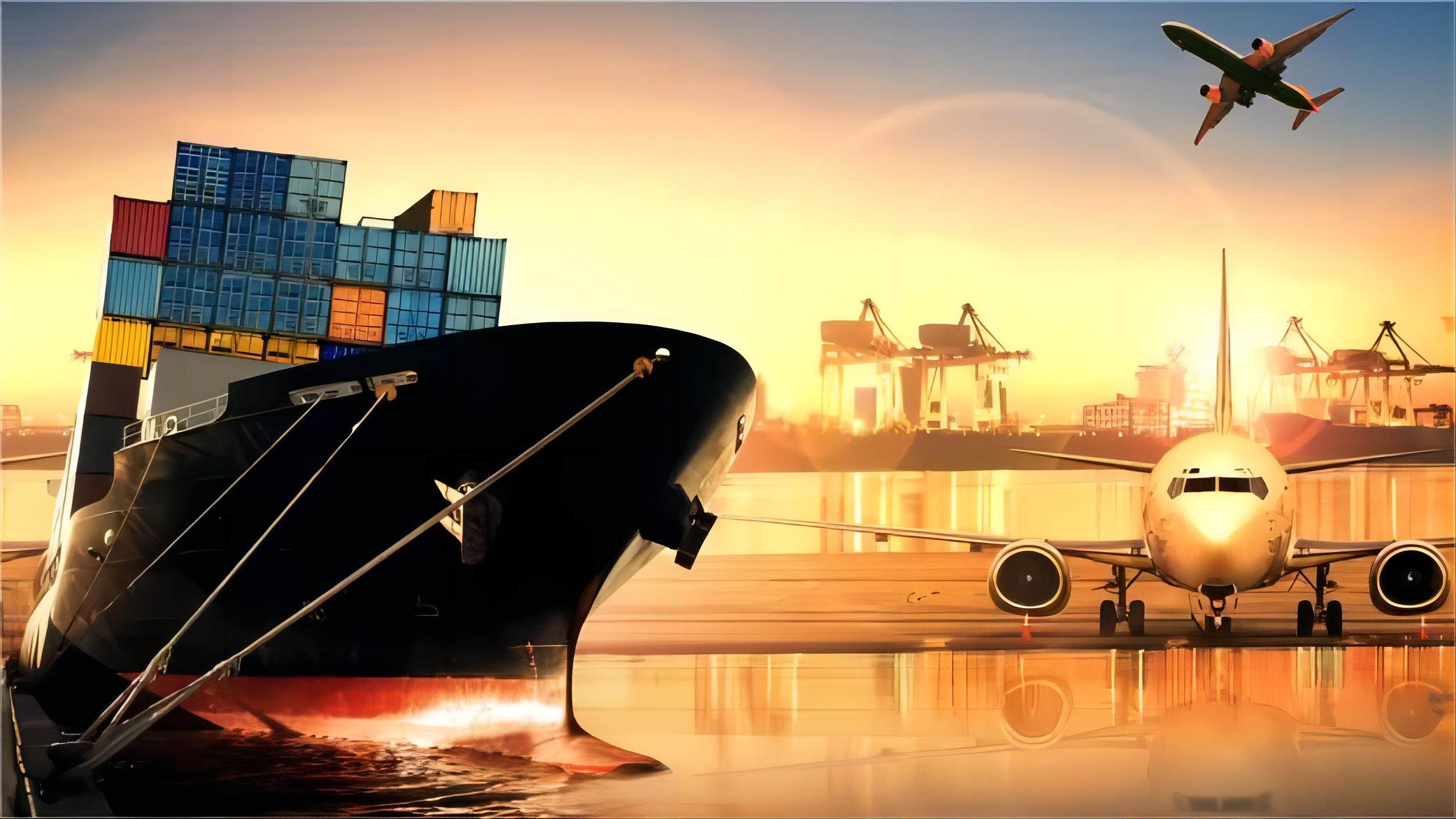
Ocean Freight China South Pacific: 2026 Shipping Costs and Transit Times
Managing ocean freight China South Pacific logistics requires a deep understanding of maritime routes and regional infrastructure. As global trade patterns shift in 2026, businesses must optimize their supply chains to maintain a competitive edge. You can find comprehensive support for these routes at toplogisticslt.com, where expert teams handle complex international shipping requirements. This guide explores the essential components of shipping to the South Pacific, ensuring your cargo arrives safely and cost-effectively.

Why Choose Ocean Freight China South Pacific for Your Business?
Ocean freight remains the most economical choice for transporting large volumes of goods across the Pacific. Consequently, businesses often prefer this method for bulky items such as machinery, construction materials, and consumer electronics. Utilizing sea freight allows companies to leverage economies of scale that other transport modes simply cannot match.
Furthermore, the environmental impact of maritime transport is significantly lower than air travel. Shipping lines in 2026 have adopted greener technologies, making ocean transport a sustainable choice for eco-conscious brands. Therefore, choosing the sea route helps your business meet both financial and corporate responsibility goals.
Reliability has also improved as carriers invest in better tracking and port infrastructure. Meanwhile, the South Pacific islands have upgraded their terminals to handle larger vessels more efficiently. As a result, the consistency of delivery schedules has reached new heights this year.
How Does Ocean Freight China South Pacific Compare to Other Shipping Options?
Comparing different transport modes is essential for choosing the right strategy for your specific cargo. While sea transport is slow, its capacity for heavy loads is unparalleled in the industry. On the other hand, air freight provides speed but at a much higher cost per kilogram.
Indeed, most businesses use a hybrid approach depending on the urgency of the shipment. For instance, seasonal inventory might travel by sea while urgent spare parts fly to their destination. This balance ensures that supply chains remain resilient against unexpected market fluctuations.
Moreover, the lack of rail connectivity between China and the South Pacific makes maritime trade the primary lifeline for the region. Without a doubt, ocean transport is the backbone of trade for island nations like Fiji and Papua New Guinea.
| Shipping Method | Cost Range | Transit Time | Best For |
|---|---|---|---|
| Ocean Freight (FCL) | $1,200 – $2,800 | 18-28 Days | Bulk goods, Full containers |
| Ocean Freight (LCL) | $60 – $120/CBM | 22-35 Days | Small shipments, Samples |
| Air Freight | $4.50 – $8.00/kg | 3-7 Days | High-value, Urgent items |
| Sea-Air Hybrid | Moderate | 12-15 Days | Balanced cost and speed |
What are the Transit Times for South Pacific Destinations?
Transit times vary significantly based on the specific port of discharge and the carrier’s route. For example, direct services from Shanghai to Suva are faster than transshipment routes via Singapore. Typically, you should expect a sea voyage of approximately 20 to 30 days for most major islands.
Additionally, port congestion can occasionally add a few days to the total door-to-door timeline. However, major logistics hubs in China like Ningbo and Shenzhen offer frequent departures to minimize waiting times. Consequently, careful planning allows for predictable delivery windows.
Market data suggests that early booking is the key to securing the best transit times in 2026. By scheduling your shipment at least three weeks in advance, you can avoid the delays associated with peak season capacity crunches.
| Destination Port | Origin Port | Avg. Transit Time | Frequency |
|---|---|---|---|
| Suva, Fiji | Shanghai | 22 Days | Weekly |
| Port Moresby, PNG | Shenzhen | 18 Days | Bi-weekly |
| Honiara, Solomon Is. | Ningbo | 28 Days | Every 10 Days |
| Apia, Samoa | Guangzhou | 32 Days | Monthly |
Understanding FCL and LCL Shipping Options
Choosing between Full Container Load (FCL) and Less than Container Load (LCL) depends on your cargo volume. FCL is ideal for businesses that can fill a 20ft or 40ft container, offering better security and faster handling. Conversely, LCL allows you to share container space with other shippers, which is perfect for smaller loads.
Nevertheless, LCL shipments require more time for consolidation and deconsolidation at the ports. Therefore, if speed is a priority and you have a medium-sized load, FCL might still be the better choice. In addition, FCL reduces the risk of damage since the container remains sealed until it reaches your warehouse.
Regardless of the method, professional cargo handling is vital for the rougher seas often encountered in the Pacific. Most experts recommend using high-quality packing materials to withstand the humidity and movement during the long voyage.
Essential Customs Documentation for South Pacific Imports
Navigating the regulatory landscape of the South Pacific requires precision and attention to detail. Every country has unique requirements, but a standard set of documents is usually mandatory for all shipments. Engaging a professional customs brokerage service can prevent costly delays and fines.
Specifically, you will need a commercial invoice, a detailed packing list, and the Bill of Lading. Furthermore, certain agricultural products or hazardous materials require specialized permits and certificates of origin. Without a doubt, missing paperwork is the leading cause of port storage charges.
Indeed, 2026 has seen an increase in digital documentation requirements across the region. Consequently, ensuring your digital files are formatted correctly for local customs systems is more important than ever. Always double-check the harmonized system (HS) codes to ensure accurate duty calculations.
Door-to-Door Logistics Solutions for the South Pacific
Managing the last mile of delivery in island nations can be challenging due to limited inland infrastructure. However, choosing a door to door service simplifies the process by covering every step from the factory to the final destination. This comprehensive approach removes the burden of coordinating multiple local transporters.
Moreover, integrated logistics providers manage the transshipment between large ocean vessels and smaller inter-island barges. This ensures that even remote locations receive their goods without significant interruptions. Transitioning from international water to local roads is seamless with the right partner.
Actually, many businesses find that door-to-door services are more cost-effective when considering the total landed cost. By bundling shipping, customs, and trucking, you often receive better rates than booking each segment individually.
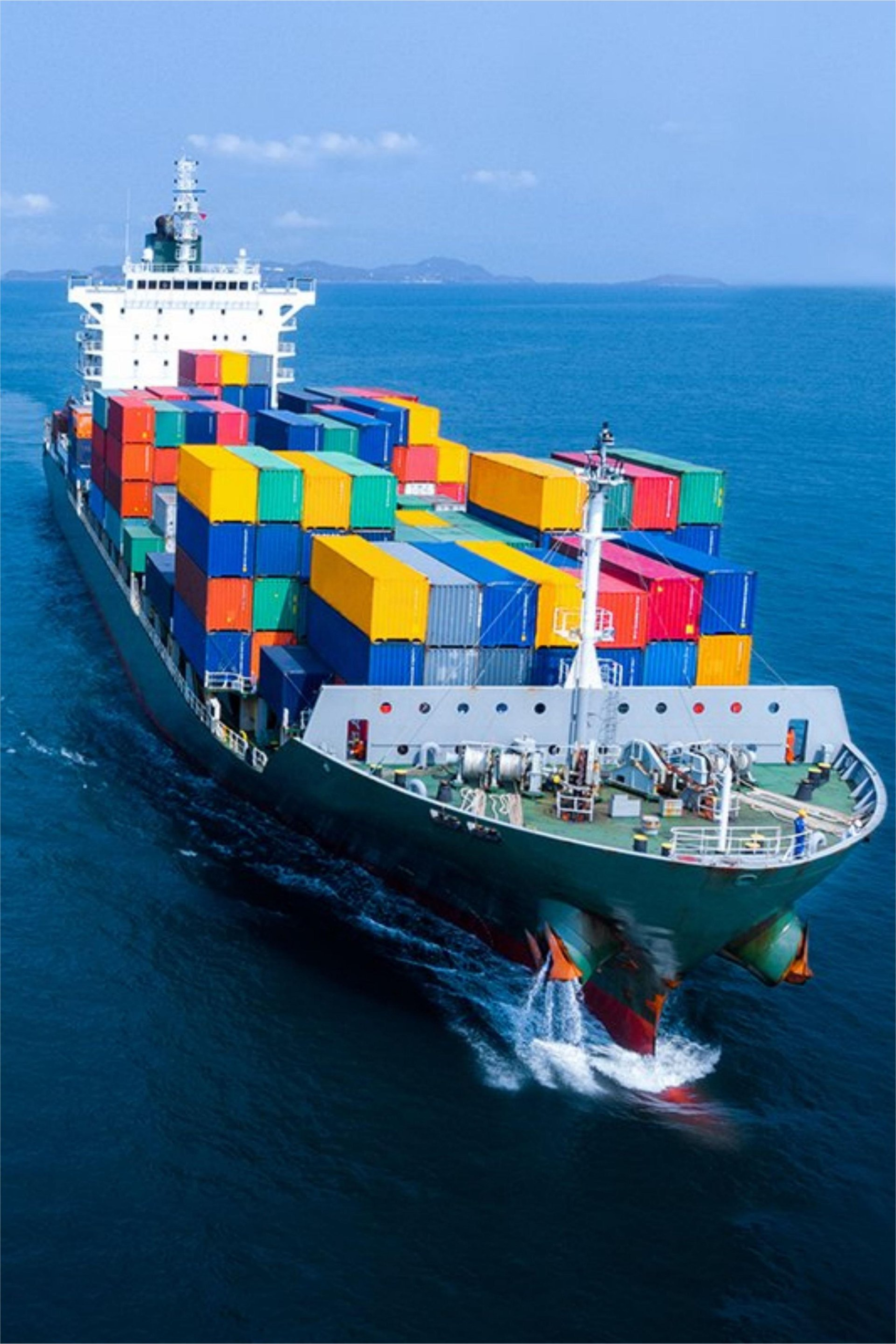
Real-World Case Studies for 2026
Case Study 1: Solar Panel Distribution to Fiji. Route: Ningbo, China to Suva, Fiji. Cargo: 40HQ Container of solar panels. Shipping Method: FCL Ocean Freight. Total Landed Cost: $3,450 (including duties). Transit Time: 24 days. Key Insight: Direct booking during the Q1 off-peak season saved the client 15% on freight rates.
Case Study 2: Retail Goods to Papua New Guinea. Route: Guangzhou, China to Port Moresby, PNG. Cargo: 8 CBM of clothing and accessories. Shipping Method: LCL Ocean Freight. Total Landed Cost: $1,120. Transit Time: 29 days. Key Insight: Utilizing a consolidation service reduced costs compared to shipping to Australia and then transshipping.
Case Study 3: Construction Machinery to Solomon Islands. Route: Shanghai to Honiara. Cargo: Heavy excavator (OOG). Shipping Method: Flat Rack Ocean Freight. Total Landed Cost: $5,800. Transit Time: 35 days. Key Insight: Specialized cargo handling was required at the destination due to limited crane capacity.
Which Option Should You Choose? A Decision Framework
Deciding on the best shipping strategy involves evaluating your budget, timeline, and cargo nature. If your priority is the lowest possible cost, then LCL ocean freight is typically the winner for small volumes. However, if you are moving high-value electronics, the added security of FCL or the speed of air freight might justify the expense.
For shipments over 15 CBM, you should almost always choose a 20ft FCL container. This threshold is where the cost of LCL often exceeds the flat rate of a full container. Furthermore, consider the fragility of your goods; FCL involves less handling and thus less risk of breakage.
Lastly, always account for seasonal demand. During the August to October peak season, rates for ocean freight China South Pacific can increase by 20%. Therefore, shipping during the first half of the year can lead to substantial savings for your bottom line.
Current Market Trends and 2026 Outlook
As of early 2026, the maritime industry has stabilized following the fluctuations of previous years. Freight rates have settled into a more predictable pattern, although fuel surcharges remain a variable factor. Additionally, the push for automation in Chinese ports has decreased loading times by nearly 10%.
Meanwhile, South Pacific nations are investing in ‘blue economy’ initiatives that improve port sustainability. This shift is attracting more international carriers to the region, increasing competition and potentially lowering prices for shippers. Consequently, the outlook for 2026 remains positive for importers and exporters alike.
Note: Freight rates are subject to change based on fuel costs, carrier capacity, and seasonal demand. Contact us for a current quote tailored to your specific shipment.
Mastering Your South Pacific Supply Chain
Successfully navigating ocean freight China South Pacific routes requires a combination of strategic planning and local expertise. By understanding the differences between FCL and LCL, and staying informed about transit times, you can make smarter logistics decisions. Transitioning to a more efficient shipping model will undoubtedly improve your business’s profitability in 2026.
Remember that documentation and customs compliance are just as important as the physical transport of goods. Partnering with a reliable freight forwarder ensures that every detail is managed professionally. Start optimizing your ocean freight today to stay ahead in the dynamic South Pacific market.
Need a tailored shipping solution?
Ready to streamline your ocean freight China South Pacific operations? Our expert team is standing by to provide you with a customized quote and the most efficient routing options available in 2026. Contact us today to secure your space and ensure your cargo reaches the South Pacific on time and within budget. See how we can transform your supply chain: Send Inquiry.