

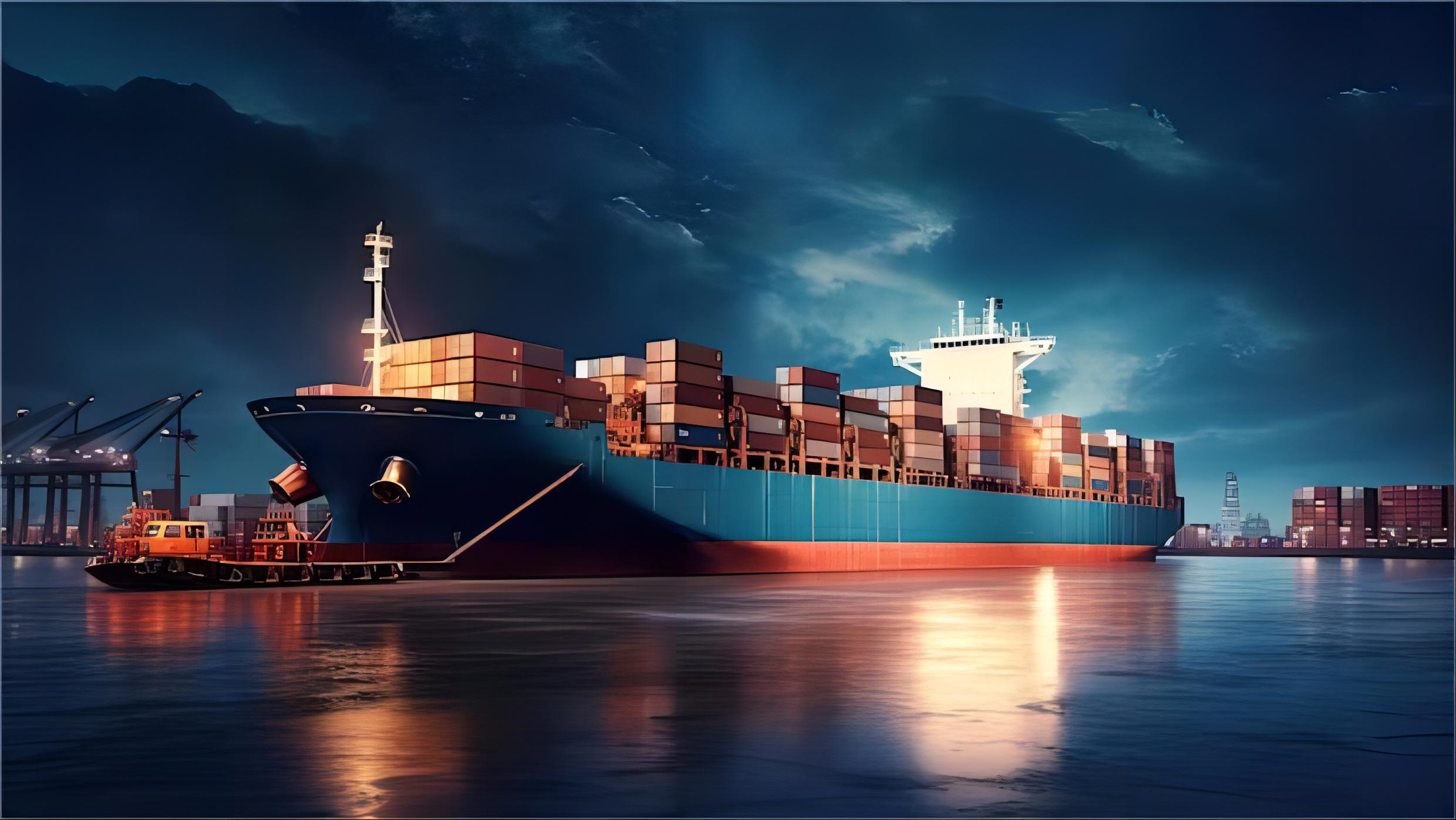
Logistics Company China Tonga: Expert 2026 Shipping Guide
Securing a dependable logistics company China Tonga is the first step toward building a resilient supply chain in the South Pacific. As we move through 2026, the trade corridor between Chinese manufacturing hubs and Nuku’alofa has become increasingly sophisticated, requiring specialized knowledge of regional maritime schedules. This guide provides a detailed analysis of shipping methodologies, cost structures, and regulatory requirements to help you navigate the complexities of importing goods to Tonga efficiently.
✦
Why You Need a Specialized Logistics Company China Tonga
Navigating the logistics landscape of the South Pacific requires more than just standard freight services. Specifically, the route from China to Tonga involves unique transshipment challenges that only an experienced logistics company China Tonga can manage effectively. Many shipments require consolidation in major hubs like Fiji or New Zealand before reaching their final destination in Nuku’alofa.

Moreover, the seasonal weather patterns in the Pacific can significantly impact delivery schedules and vessel availability. Consequently, working with a partner who understands these regional nuances ensures that your cargo remains safe and on track. Professional forwarders provide the necessary visibility and risk management strategies to mitigate potential delays during the peak cyclone season.
Furthermore, the economic ties between these two nations have strengthened in 2026, leading to more frequent vessel rotations. Therefore, businesses can now access a wider variety of shipping options, ranging from budget-friendly sea freight to rapid air cargo solutions. Choosing the right partner means gaining access to these optimized routes and competitive 2026 market rates.
Comprehensive Sea Freight Solutions for Tonga
For most businesses, sea freight remains the most economical method for transporting heavy or bulky items to the islands. You can choose between Full Container Load (FCL) and Less than Container Load (LCL) depending on your total cargo volume. In 2026, ocean freight rates have stabilized, providing a predictable cost structure for long-term planning.
Full Container Load services are ideal for large shipments of construction materials or retail inventory that require an entire 20GP or 40HQ container. Meanwhile, LCL consolidation China services allow smaller businesses to share container space, significantly reducing costs for shipments under 15 cubic meters. This flexibility is crucial for maintaining lean inventory levels while serving the Tongan market.
Typically, transit times for sea freight range from 25 to 35 days, depending on whether the vessel is direct or requires transshipment. Modern tracking technology now allows importers to monitor their containers in real-time, providing better predictability for local distribution. We recommend booking at least three weeks in advance during the Q4 peak season to secure space on the most reliable carriers.
| Container Type | Capacity (CBM) | Estimated Cost (USD) | Transit Time |
|---|---|---|---|
| 20GP Standard | 33 CBM | $1,400 – $2,100 | 28-35 Days |
| 40HQ High Cube | 76 CBM | $2,400 – $3,600 | 28-35 Days |
| LCL (Per CBM) | 1-15 CBM | $120 – $180 | 35-42 Days |
Expedited Air Freight and Express Services
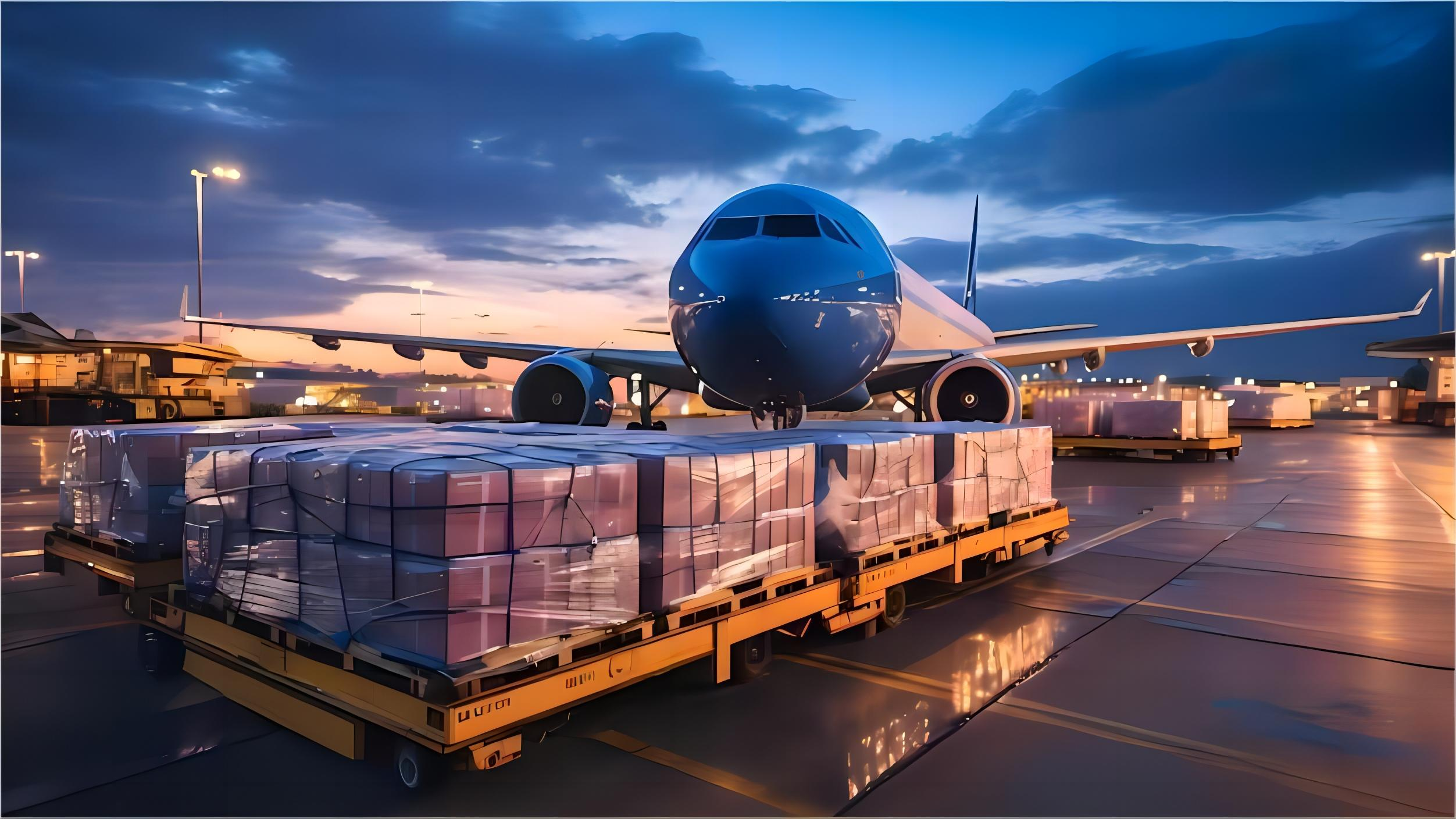
When speed is the primary priority, air freight offers the fastest connection between Chinese industrial centers and Fua’amotu International Airport. This method is particularly suitable for high-value electronics, pharmaceuticals, or urgent spare parts that cannot wait for sea transit. Although the cost per kilogram is higher, the reduction in lead time can be a significant competitive advantage.
Additionally, for smaller parcels under 100kg, our express service provides a seamless door-to-door solution. These services include the handling of all documentation and local delivery, making it the most convenient option for e-commerce sellers and small businesses. In 2026, we have seen a 15% increase in air cargo capacity to the South Pacific, leading to more reliable daily schedules.
Furthermore, air cargo rates are influenced by fuel surcharges and seasonal demand, often peaking before the holiday season. However, the efficiency of air transport reduces the need for extensive warehousing and minimizes the risk of damage or theft. For shipments exceeding 500kg, we often suggest deferred air freight as a cost-saving alternative that still arrives much faster than ocean transport.
How Does Sea Freight Compare to Other Shipping Options?
Understanding the trade-offs between different transport modes is essential for optimizing your logistics budget. While sea freight is the backbone of global trade, it may not always be the best choice for every scenario. Specifically, when comparing it to air or multimodal options, one must consider the total landed cost rather than just the freight rate.
For instance, shipping a single pallet via sea might involve high fixed port charges that make it more expensive than a courier service. On the other hand, heavy machinery is almost exclusively moved via ocean freight due to the extreme weight restrictions of aircraft. Below is a detailed comparison of the primary shipping methods used by a logistics company China Tonga in 2026.
Interestingly, some importers are now exploring hybrid solutions that combine sea freight to a regional hub like shipping to Australia followed by air transit to Tonga. This approach can offer a middle ground between cost and speed, though it requires precise coordination. Always evaluate your specific cargo requirements against these benchmarks before making a final decision.
| Shipping Method | Cost Range | Transit Time | Best For |
|---|---|---|---|
| Sea Freight (FCL) | Low | 28-38 Days | Bulk Goods |
| Sea Freight (LCL) | Medium | 35-45 Days | Small Inventory |
| Air Freight | High | 5-9 Days | Urgent/High Value |
| Express Courier | Premium | 3-6 Days | Documents/Samples |
Navigating Customs Brokerage and Import Regulations
Successful importing requires a thorough understanding of Tongan customs regulations and documentation requirements. Utilizing a professional customs brokerage service is highly recommended to avoid costly delays at the port of entry. In 2026, Tonga has implemented new digital filing systems that require precise data entry for all commercial invoices.
Moreover, different product categories may attract varying levels of import duties and consumption taxes. For example, renewable energy equipment often qualifies for duty concessions, whereas luxury goods may face higher tariffs. Consequently, having an expert review your HS codes before the cargo leaves China can save thousands of dollars in unexpected fees.
Additionally, certain items require specific permits from Tongan government agencies, such as the Ministry of Agriculture for food products. Therefore, ensuring that all paperwork is complete and accurate is the most effective way to guarantee a smooth clearance process. We provide a comprehensive checklist to help our clients prepare for the arrival of their goods in Nuku’alofa.
| Document Type | Required For | Issuer | Purpose |
|---|---|---|---|
| Commercial Invoice | All Shipments | Seller | Value Declaration |
| Packing List | All Shipments | Seller | Cargo Identification |
| Bill of Lading | Sea Freight | Carrier | Title of Goods |
| Certificate of Origin | Duty Concessions | Chamber of Commerce | Preferential Rates |
The Benefits of Door to Door Logistics
Managing multiple vendors for trucking, shipping, and clearance can be an administrative burden for many business owners. Choosing a Door to door service simplifies the entire process by providing a single point of contact from the factory in China to your warehouse in Tonga. This comprehensive approach minimizes the risk of communication errors and ensures a more consistent delivery schedule.
Specifically, our team handles the inland haulage in China, the international freight, and the final mile delivery in Nuku’alofa. This end-to-end visibility is particularly valuable for companies that do not have their own dedicated logistics department. In 2026, the demand for integrated logistics has surged as businesses look for ways to streamline their operations.
Furthermore, door-to-door services often include cargo insurance as part of the package, providing peace of mind against unforeseen events. While the upfront cost might appear higher than port-to-port shipping, the reduction in hidden fees and administrative time often results in a lower total cost of ownership. We recommend this option for any business looking for a hassle-free import experience.
Real-World Case Studies: Shipping to Tonga
Examining real-world examples can provide valuable insights into the practicalities of international shipping. These case studies reflect actual scenarios handled by a logistics company China Tonga during the 2025-2026 period. They illustrate how different shipping methods are applied to specific business needs and the resulting timelines and costs.
Case Study 1: Solar Energy Components. A local contractor in Nuku’alofa needed to import solar panels and batteries from a factory in Shenzhen. Due to the weight and fragility of the items, we recommended FCL sea freight. The cargo was loaded into a 20GP container, cleared customs in 3 days, and arrived at the job site within 32 days of booking.
Case Study 2: Boutique Fashion Retailer. A clothing boutique required the latest seasonal trends from Guangzhou to be delivered within a week to meet a local festival deadline. We utilized air freight for the 250kg shipment. Despite the higher cost, the goods arrived in 6 days, allowing the retailer to capitalize on peak market demand and maximize their profit margins.
Case Study 1: Construction Materials FCL
Box Case Study 1: Infrastructure Support Route: Shanghai, China to Nuku’alofa, Tonga Cargo: Steel structures and cement, 28 CBM, 18,500 kg Container: 20GP Full Container Shipping Details: – Carrier: Major Pacific Carrier – Port of Loading: Shanghai – Port of Discharge: Nuku’alofa – Route Type: Transshipment via Suva, Fiji Cost Breakdown: – Ocean Freight: $1,950 – Origin Charges: $320 – Destination Charges: $450 – Customs & Duties: $1,200 – Total Landed Cost: $3,920 Timeline: – Booking to Loading: 5 days – Sea Transit: 31 days – Customs Clearance: 4 days – Total Door-to-Door: 40 days Key Insight: Using a 20GP for heavy construction materials provided the best balance of cost and weight capacity for this infrastructure project.
Case Study 2: Electronics Air Freight
Box Case Study 2: Urgent Tech Restock Route: Shenzhen, China to Nuku’alofa, Tonga Cargo: Smartphones and tablets, 1.5 CBM, 320 kg Service: Standard Air Freight Shipping Details: – Carrier: Major Airline Cargo – Port of Loading: Shenzhen (SZX) – Port of Discharge: Fua’amotu (TBU) – Route Type: Direct to Hub, then Regional Flight Cost Breakdown: – Air Freight: $2,240 – Origin Charges: $150 – Destination Charges: $210 – Customs & Duties: $850 – Total Landed Cost: $3,450 Timeline: – Booking to Loading: 2 days – Air Transit: 5 days – Customs Clearance: 2 days – Total Door-to-Door: 9 days Key Insight: Air freight was essential to avoid stockouts during a major promotional period, justifying the higher transport cost.
Cost-Saving Strategies for 2026 Shipments
Reducing your shipping expenses requires a proactive approach to cargo management and carrier negotiations. One of the most effective strategies is to optimize your packaging to reduce the volumetric weight of your shipments. Since many carriers charge based on the larger of actual weight or dimensional weight, compact packaging can lead to significant savings.
Additionally, consolidating multiple small orders into a single LCL shipment can help you avoid paying minimum fees on several individual parcels. Furthermore, booking your shipments during the off-peak months of February through April can often result in lower ocean freight rates. Many carriers offer discounts during these periods to maintain vessel utilization levels.
Finally, always request quotes from multiple providers to ensure you are receiving the most competitive 2026 market rates. However, remember that the cheapest option is not always the best if it involves longer transit times or poor communication. Balancing cost with reliability is the hallmark of a successful logistics strategy for the Tonga market.
Final Thoughts on Choosing a Logistics Company China Tonga
In conclusion, finding the right logistics company China Tonga is vital for any business looking to succeed in the South Pacific market in 2026. By understanding the differences between sea and air freight, preparing accurate documentation, and utilizing door-to-door services, you can ensure your goods arrive safely and cost-effectively.
As trade continues to grow, staying informed about market trends and logistics innovations will remain a key competitive advantage. Whether you are shipping heavy machinery or small consumer goods, a professional partner will provide the expertise needed to navigate the challenges of international trade with confidence.
Note: Freight rates are subject to change based on fuel costs, carrier capacity, and seasonal demand. Contact us for a current quote tailored to your specific shipment.