

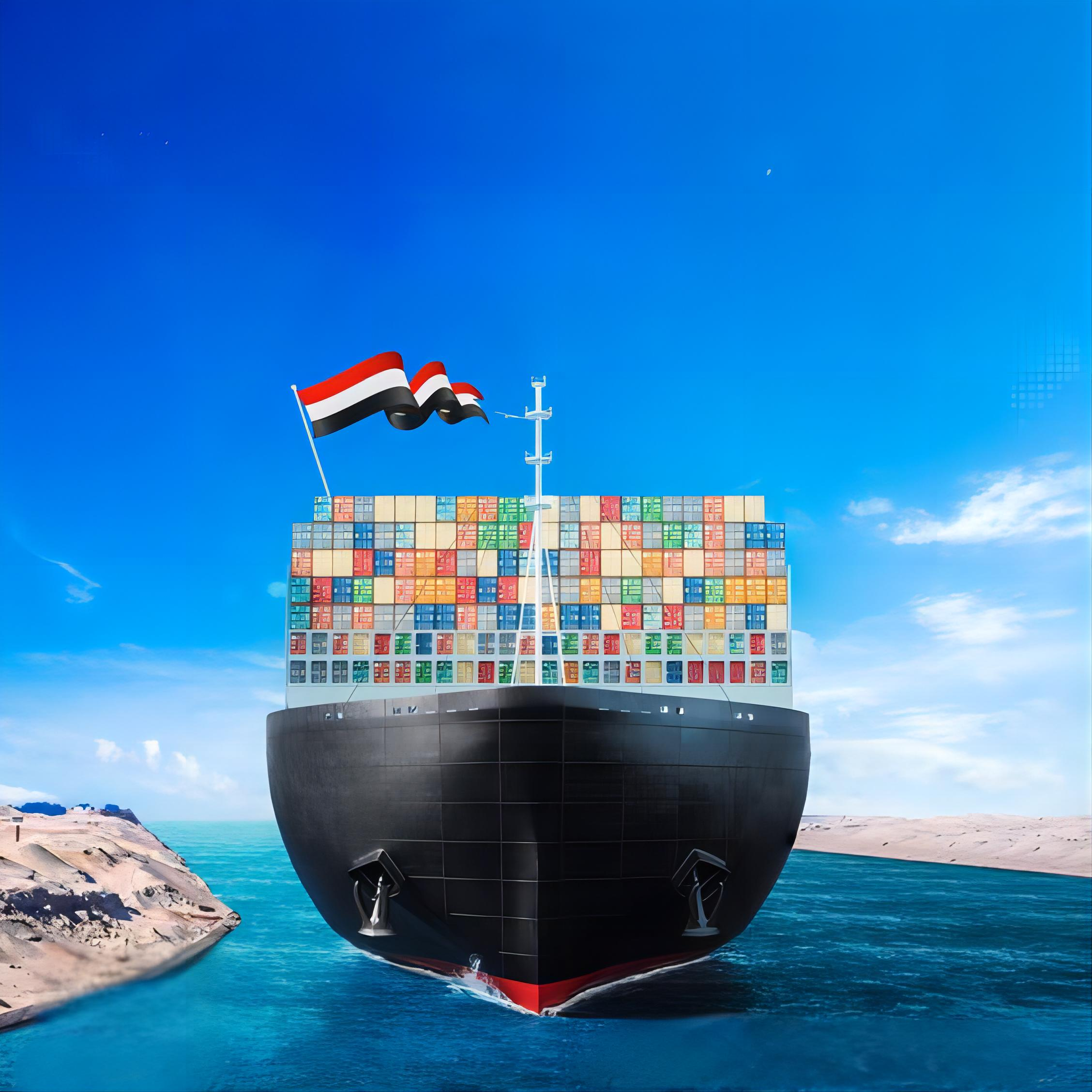
International Freight Australia Imports: 2026 Comprehensive Shipping Guide
Managing international freight Australia imports requires a sophisticated understanding of global supply chains and local regulatory requirements in 2026. Consequently, businesses must partner with experienced logistics providers like Top Logistics to navigate the complexities of modern trade routes. This guide provides a detailed analysis of current market trends, shipping costs, and strategic advice for importing goods into the Australian market effectively.

How Does Sea Freight Compare to Other Shipping Options?
Specifically, choosing the right transport mode is the most critical decision for any business handling international freight Australia imports. Sea freight remains the backbone of Australian trade due to its high capacity and cost-effectiveness for bulk commodities. However, air freight offers unmatched speed for high-value or time-sensitive cargo that cannot wait for ocean transit.

Moreover, the choice between Full Container Load (FCL) and Less than Container Load (LCL) significantly impacts your overall logistics budget. While FCL provides more security and faster handling, LCL allows smaller businesses to share container space and reduce costs. Therefore, importers must evaluate their volume and urgency before committing to a specific shipping method.
Additionally, market data from early 2026 suggests that sea freight rates have stabilized after the fluctuations of previous years. Indeed, businesses are now focusing on reliability and port efficiency rather than just the lowest possible price. Consequently, selecting a carrier with a proven track record for on-time delivery is essential for maintaining a healthy supply chain.
| Shipping Method | Cost Range | Transit Time | Best For | Limitations |
|---|---|---|---|---|
| Sea Freight (FCL) | $1,200 – $2,500 | 12 – 22 Days | Large volumes | Slower transit |
| Air Freight | $4.50 – $9.00/kg | 3 – 7 Days | Urgent cargo | High cost |
| LCL Shipping | $60 – $120/CBM | 15 – 25 Days | Small pallets | Handling risks |
| Express Service | $12 – $20/kg | 2 – 4 Days | Samples/Docs | Weight limits |
Comparison of Primary Shipping Methods
For instance, air freight is generally reserved for electronics, pharmaceuticals, and perishable goods. In contrast, sea freight handles everything from heavy machinery to consumer retail products. Furthermore, express services provide a middle ground for smaller parcels requiring door-to-door delivery within a week.
Optimizing Costs for International Freight Australia Imports
Furthermore, many importers overlook the potential savings found in optimized packing and consolidation. By maximizing container utilization, you can significantly lower the per-unit cost of your sea freight shipments. Additionally, scheduling shipments during off-peak periods can help avoid seasonal surcharges that typically occur in late Q3 and early Q4.
Nevertheless, the cheapest option is not always the most efficient when considering hidden costs like port storage or delayed inventory. Specifically, if a shipment is delayed, the lost sales revenue might far exceed the savings gained from a slower shipping route. Therefore, a balanced approach that prioritizes consistency is often the most profitable strategy for Australian businesses.
Indeed, utilizing a freight forwarder with local expertise in Australia can help identify cost-saving opportunities through better route planning. For example, direct sailings to Brisbane might be more expensive than transshipment via Singapore, but they save five days of transit time. Consequently, importers should request multiple quotes to compare direct versus indirect shipping options.
Which Option Should You Choose?
If your budget is the main priority, we recommend sea freight FCL for volumes over 15 CBM. On the other hand, if speed is your primary concern, air freight is the only viable solution for meeting tight deadlines. For mid-range volumes, LCL remains the most flexible choice for growing businesses.
Understanding Customs Brokerage and Compliance
Navigating the legal requirements for international freight Australia imports is a complex task that requires meticulous attention to detail. Specifically, the Australian Border Force (ABF) maintains strict regulations regarding biosecurity and prohibited imports. Consequently, hiring a professional customs brokerage service is highly recommended to ensure compliance and avoid costly fines.
Moreover, the implementation of the Free Trade Agreement (FTA) between China and Australia continues to offer duty-free opportunities for eligible goods. However, importers must provide a valid Certificate of Origin to claim these benefits during the clearance process. Additionally, GST (Goods and Services Tax) is generally applicable to most imported items and must be calculated accurately based on the landed value.
Furthermore, recent updates in 2026 have introduced more stringent reporting requirements for carbon emissions associated with international transport. As a result, businesses should be prepared to provide data on their shipping methods as part of their corporate sustainability reporting. Indeed, staying ahead of these regulatory changes is vital for maintaining a seamless import operation.
| Document Type | Purpose | Required By | Typical Format |
|---|---|---|---|
| Commercial Invoice | Valuation of goods | Customs | PDF/Digital |
| Packing List | Inventory check | Warehouse/Port | PDF/Excel |
| Bill of Lading | Title of goods | Carrier/Bank | Original/Telex |
| Cert. of Origin | Duty exemptions | Customs | Official Form |
Realistic Case Studies for Australian Imports
To illustrate the practical application of these strategies, we have compiled two real-world examples from our 2026 operations. These cases highlight the typical costs and timelines associated with different shipping methods for international freight Australia imports. Specifically, they demonstrate how careful planning can overcome common logistical hurdles.
Case Study 1: Electronics from Shenzhen to Sydney. Route: Shenzhen, China to Port Botany, Sydney. Cargo: High-end consumer electronics, 68 CBM, 12,500 kg. Container: 40HQ. Shipping Details: Direct service via major carrier. Port of Loading: Shenzhen. Port of Discharge: Sydney. Cost Breakdown: Ocean Freight: $1,950. Origin Charges: $450. Destination Charges: $550. Customs and Duties: $4,200. Total Landed Cost: $7,150. Timeline: Booking to Loading: 3 days. Sea Transit: 14 days. Customs Clearance: 2 days. Total Door-to-Door: 19 days. Key Insight: Using a direct route avoided transshipment delays in Singapore during the Q1 peak.
Case Study 2: Textiles from Ningbo to Melbourne. Route: Ningbo, China to Melbourne Port. Cargo: Organic cotton apparel, 8 CBM, 1,200 kg. Shipping Method: LCL (Less than Container Load). Port of Loading: Ningbo. Port of Discharge: Melbourne. Route Type: Transshipment via Singapore. Cost Breakdown: Ocean Freight: $640. Origin Charges: $280. Destination Charges: $320. Customs and Duties: $1,100. Total Landed Cost: $2,340. Timeline: Booking to Loading: 5 days. Sea Transit: 22 days. Customs Clearance: 3 days. Total Door-to-Door: 30 days. Key Insight: LCL was 70% cheaper than air freight for this volume, despite the longer transit time. Note: Freight rates are subject to change based on fuel costs, carrier capacity, and seasonal demand. Contact us for a current quote tailored to your specific shipment.
Alternative Strategies and Hybrid Solutions
In addition to standard air and sea options, many businesses are now exploring hybrid logistics models to balance speed and cost. For example, sea-air solutions involve shipping goods by sea to a hub like Singapore and then flying them to Australia. Consequently, this method can reduce transit times by 50% compared to pure sea freight while remaining much cheaper than direct air freight.
Furthermore, door-to-door services have become increasingly popular for e-commerce sellers in 2026. Specifically, these all-inclusive packages handle everything from factory pickup to final delivery at an Australian warehouse. Therefore, importers can focus on marketing and sales while the logistics provider manages the complex international freight Australia imports process.
Indeed, another effective strategy involves utilizing bonded warehousing in Australia to defer duty and GST payments until the goods are sold. This approach improves cash flow and allows for better inventory management during periods of high market volatility. As a result, many large-scale retailers are integrating bonded storage into their long-term supply chain planning.

Navigating the 2026 Market Context
As of Q2 2026, the logistics landscape for shipping to Australia has been influenced by increased automation at major ports. Specifically, Port Botany and the Port of Melbourne have implemented new AI-driven scheduling systems that have reduced vessel wait times. However, labor negotiations in the transport sector remain a factor that can occasionally disrupt delivery schedules.
Moreover, environmental regulations are driving a shift toward more sustainable shipping practices across the Pacific. Consequently, many carriers are introducing ‘green’ surcharges to fund the transition to low-emission fuels. Additionally, businesses that prioritize eco-friendly logistics may find themselves at a competitive advantage as consumer preferences continue to evolve toward sustainability.
Meanwhile, technological advancements in tracking and visibility have made international freight Australia imports more transparent than ever before. Importers can now access real-time data regarding the location and condition of their cargo throughout the entire journey. Therefore, the risk of unexpected delays is minimized, allowing for more precise inventory planning and customer service.
Mastering Your Australian Import Strategy
To summarize, successful international freight Australia imports depend on a combination of strategic planning, regulatory compliance, and the right logistics partnerships. By understanding the trade-offs between sea and air freight, businesses can make informed decisions that support their long-term growth. Furthermore, staying informed about market trends and customs requirements in 2026 will help you avoid common pitfalls and reduce unnecessary expenses.
Ultimately, the goal of any import operation should be to create a resilient and flexible supply chain that can adapt to changing global conditions. Whether you are shipping full containers or small LCL loads, consistency and transparency remain the most important factors for success. Consequently, we encourage you to apply the insights from this guide to optimize your next shipment to Australia.

Start Your Shipment
Streamline your international freight Australia imports today by partnering with the industry experts at Top Logistics. Our team provides tailored solutions that optimize your costs and ensure timely delivery across all Australian ports. Visit our website to request a personalized quote and discover how we can enhance your global supply chain. Send Inquiry: https://toplogisticslt.com/
Request Quote