

Import Shipping China to NZ: 2026 Guide to Costs and Logistics
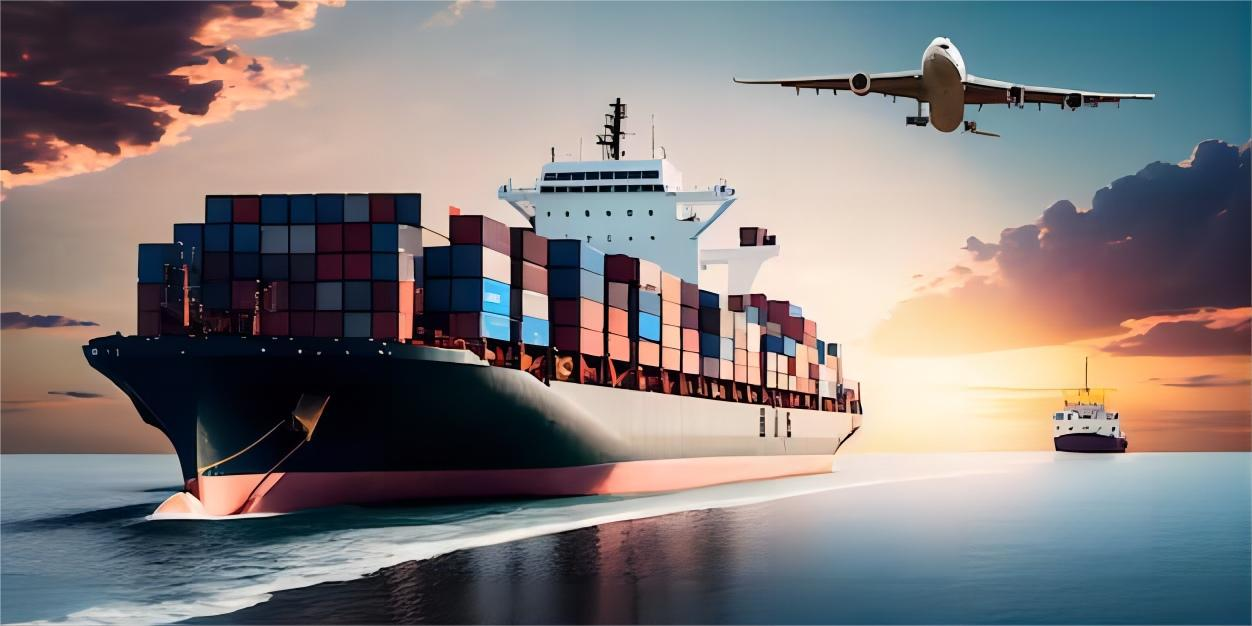
Navigating the complexities of import shipping China to NZ can be a daunting task for many business owners. Consequently, understanding the 2026 logistics landscape is essential for maintaining a healthy supply chain and reducing overhead costs. This guide provides a comprehensive overview of how to manage your cargo efficiently from major Chinese hubs to New Zealand ports.
What is the Process for Import Shipping China to NZ?
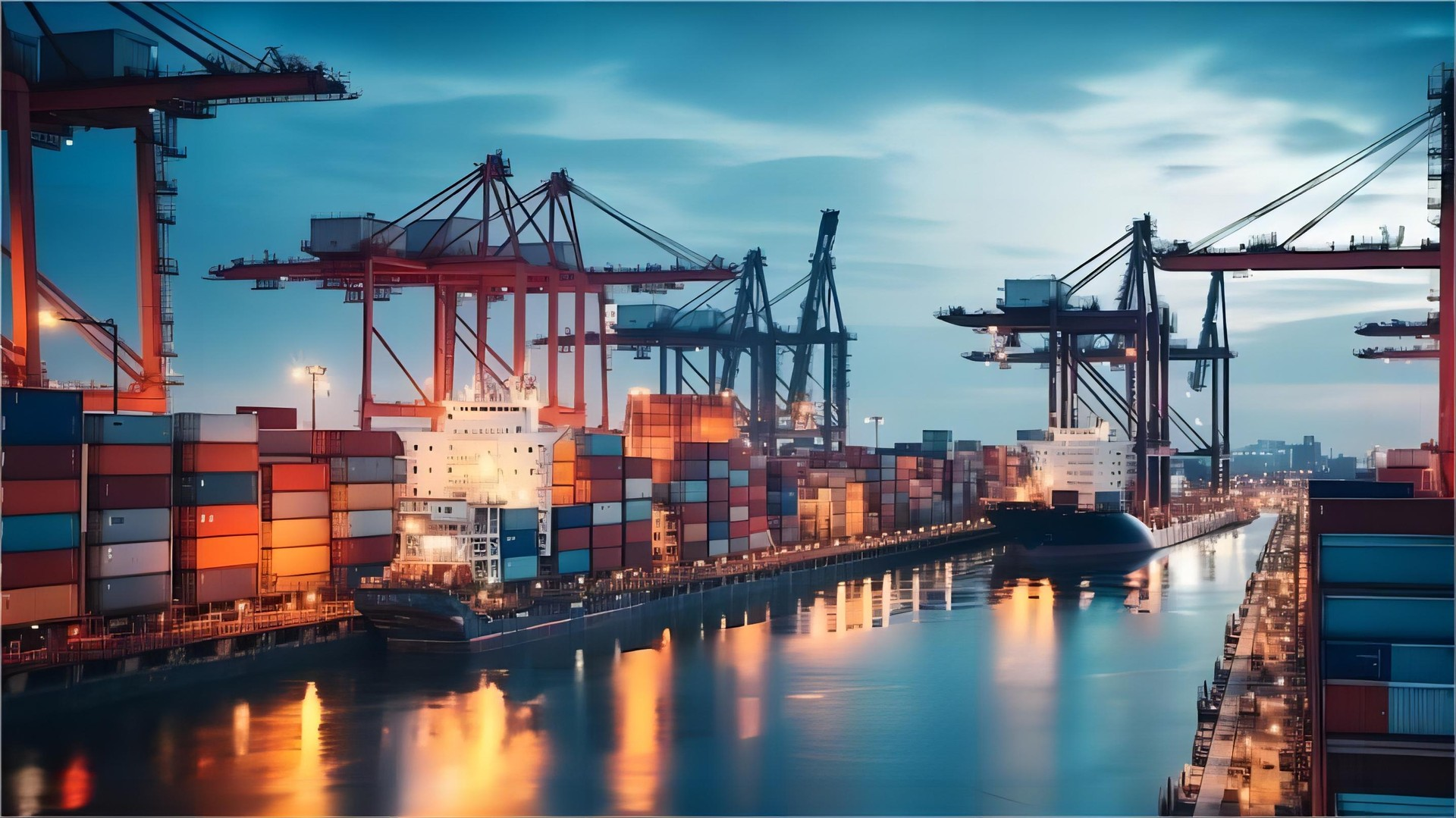
Starting the journey of importing goods requires a clear understanding of the steps involved between the supplier and the final destination. First, you must identify a reliable supplier in China and confirm the Incoterms for your shipment.
Moreover, choosing the right freight forwarder is critical to ensure that your cargo moves smoothly through international waters. Therefore, you should prepare all necessary commercial invoices and packing lists well in advance.
Subsequently, your goods will be picked up and transported to a major port such as Shanghai or Shenzhen for export clearance. Meanwhile, New Zealand customs regulations must be reviewed to avoid any unexpected delays upon arrival.
Sea Freight vs. Air Freight: Which Method Fits Your Business?
Choosing between different transport modes depends heavily on your budget and how quickly you need your inventory. For instance, sea freight remains the most cost-effective solution for large-scale shipments and bulky items.
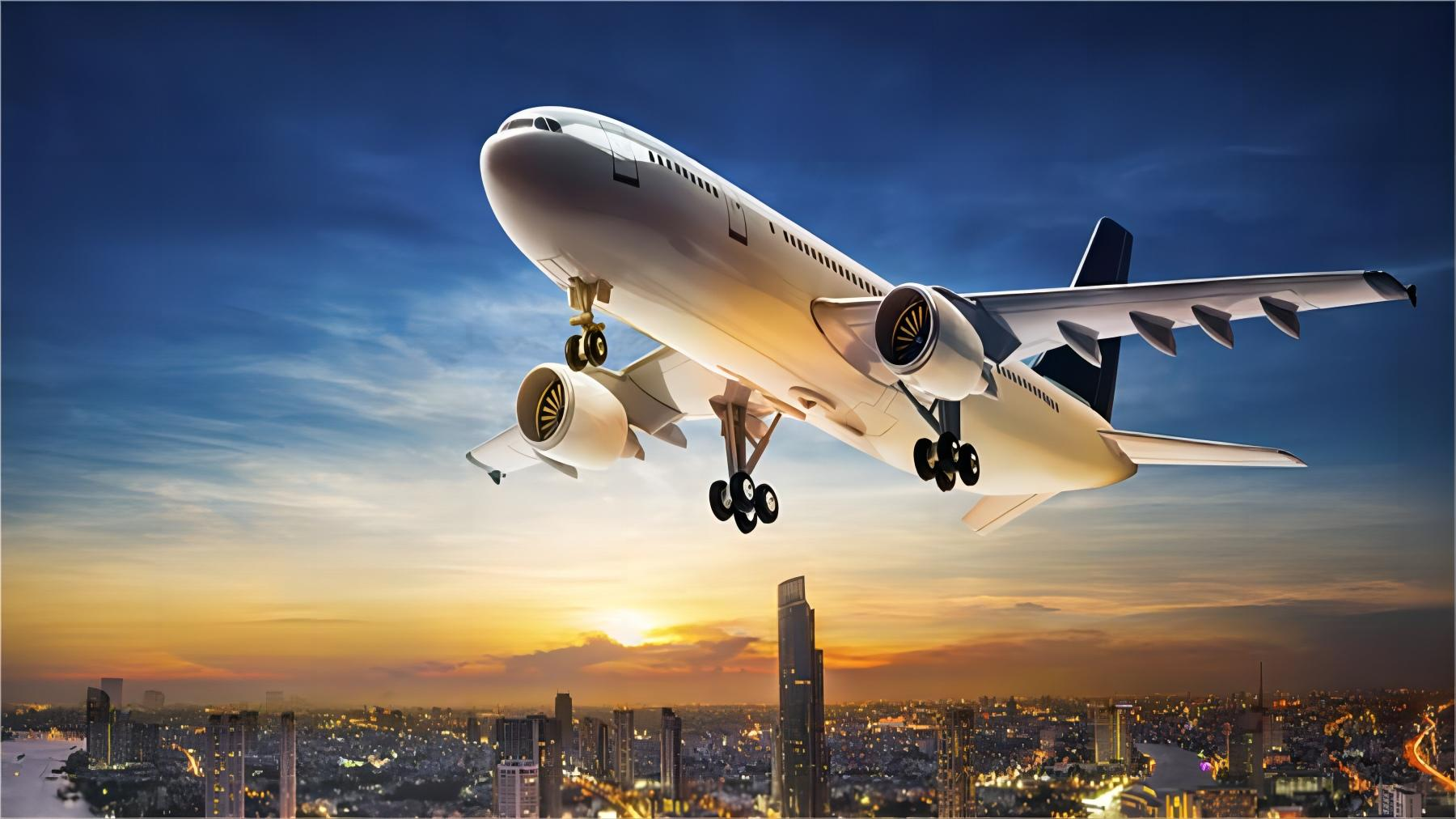
On the other hand, air freight offers unparalleled speed for high-value or time-sensitive products. Consequently, businesses must weigh the higher costs of air travel against the potential lost revenue of a slow supply chain.
Furthermore, sea freight is generally divided into Full Container Load (FCL) and Less than Container Load (LCL) options. As a result, even smaller businesses can take advantage of ocean shipping by sharing container space with other importers.
| Method | Cost Range (2026) | Transit Time | Best For |
|---|---|---|---|
| Sea Freight (20GP) | $950 – $1,250 | 14 – 18 Days | Bulk goods, heavy machinery |
| Sea Freight (40HQ) | $1,600 – $2,100 | 14 – 18 Days | High volume inventory |
| Air Freight (per kg) | $4.50 – $7.50 | 3 – 6 Days | Electronics, urgent stock |
| LCL (per CBM) | $60 – $90 | 18 – 22 Days | Small pallets, samples |

How Does Sea Freight Compare to Other Shipping Options?
While sea freight is the dominant mode for this route, alternative strategies can sometimes provide better value depending on the specific scenario. For example, using an express service might be more efficient for documents or small parcels under 45kg.
Additionally, some importers utilize hybrid sea-air solutions to balance cost and speed, though this is less common for the China-NZ corridor. Indeed, the lack of direct rail links makes maritime and aerial routes the primary focus for New Zealand logistics.
Consequently, direct sea routes are often 10% more expensive than transshipment options but save approximately 5 to 7 days of transit time. Therefore, you should evaluate whether the time savings justify the additional freight expenditure.
| Shipping Method | Cost Range | Transit Time | Limitations |
|---|---|---|---|
| Direct Sea | Moderate | 12-15 Days | Higher port fees |
| Transshipment Sea | Low | 20-25 Days | Higher risk of delays |
| Express Courier | Very High | 2-4 Days | Strict weight limits |
| Standard Air | High | 5-7 Days | Airport congestion |
Essential Customs Documents for New Zealand Imports
Navigating the legal requirements of the New Zealand Customs Service is a vital part of the import process. Specifically, you will need a valid Bill of Lading, a Commercial Invoice, and a detailed Packing List for every shipment.
Moreover, engaging a professional customs brokerage can prevent costly errors and ensure compliance with local biosecurity laws. Consequently, this helps in avoiding the detention of goods at the border, which can lead to significant demurrage charges.
Furthermore, certain products may require specific permits or certificates of origin to qualify for preferential tariff rates under trade agreements. As a result, proactive documentation management is the key to a seamless entry into the New Zealand market.
| Document Name | Purpose | Required By | Impact of Absence |
|---|---|---|---|
| Bill of Lading | Title of goods | Carrier/Customs | Cargo cannot be released |
| Commercial Invoice | Duty valuation | Customs | Incorrect tax assessment |
| Packing List | Cargo verification | Port Authorities | Physical inspection delay |
| Biosecurity Decl. | Pest control | MPI New Zealand | Mandatory quarantine |
Key Factors Influencing Shipping Costs in 2026
Several variables determine the final price you pay for transporting goods across the Pacific. For instance, fuel surcharges fluctuate based on global oil prices, directly impacting the base freight rates offered by carriers.
Additionally, seasonal demand plays a significant role, with prices typically spiking during the lead-up to the Chinese New Year and the Christmas period. Therefore, booking your space at least 3 to 4 weeks in advance is highly recommended during these peak windows.
Meanwhile, port congestion in major hubs like Auckland can lead to surcharges and longer waiting times for vessels. Consequently, importers should factor in a buffer for both their budget and their delivery schedules to account for these market shifts.
Transit Times from Major Chinese Ports to New Zealand
The origin port in China significantly influences how long your goods will spend at sea. For example, shipments from southern ports like Shenzhen or Guangzhou usually have slightly shorter transit times to New Zealand than those from northern ports like Tianjin.
Furthermore, the choice of carrier and the specific service string will determine if the vessel stops at intermediate ports in Southeast Asia. Consequently, a direct service from Shanghai to Auckland is often the fastest maritime option available for importers.
Notably, weather conditions in the Pacific can occasionally cause minor deviations from the scheduled arrival times. Therefore, maintaining communication with your logistics provider ensures you receive real-time updates regarding any changes to the vessel’s ETA.
Door-to-Door Logistics: Streamlining Your Supply Chain
Many modern businesses prefer a door to door service to simplify their internal operations. This approach allows the freight forwarder to handle every aspect of the journey, from the factory floor in China to your warehouse in NZ.
Additionally, this model reduces the number of touchpoints and different service providers you need to manage. Consequently, it often results in better accountability and a more transparent pricing structure for the entire shipping process.
Moreover, door-to-door services include the final mile delivery, which is often the most complex part of the logistics chain. Indeed, having a single partner manage both international freight and local trucking provides significant peace of mind for small and medium enterprises.
Which Option Should You Choose? Decision Framework
Deciding on the best shipping method requires a careful analysis of your specific business needs and cargo characteristics. If your primary goal is to minimize expenditure and your lead times are flexible, sea freight is the obvious choice.
However, if you are launching a new product or need to replenish stock urgently, the speed of air freight justifies the higher investment. Furthermore, consider the nature of your goods; fragile or perishable items often benefit from the shorter handling times associated with air transport.
Ultimately, a balanced approach might involve shipping the majority of your inventory by sea while using air freight for emergency top-ups. As a result, you can maintain high service levels without overspending on your total logistics budget.
Case Studies and Real-World Examples
To illustrate how these factors work in practice, we have compiled two realistic scenarios based on current 2026 market data. These examples highlight the costs and timelines associated with different shipping strategies for the China to New Zealand route.
Case Study 1: Shanghai to Auckland via Sea Freight. Cargo: Furniture, 28 CBM. Method: 20GP FCL. Ocean Freight: $1,050. Origin/Destination Charges: $650. Total Landed Cost: $1,700. Sea Transit: 16 days. Total Door-to-Door: 24 days.
Case Study 2: Shenzhen to Christchurch via Air Freight. Cargo: High-end Electronics, 150 kg. Method: Standard Air. Freight Cost: $975. Customs and Handling: $320. Total Landed Cost: $1,295. Transit Time: 5 days. Total Door-to-Door: 8 days.
Note: Freight rates are subject to change based on fuel costs, carrier capacity, and seasonal demand. Contact us for a current quote tailored to your specific shipment.
Final Thoughts on Importing from China to New Zealand
Successfully managing import shipping China to NZ requires a blend of strategic planning, accurate documentation, and the right logistics partnerships. By understanding the differences between sea and air freight, you can make informed decisions that protect your profit margins.
Furthermore, staying informed about 2026 market trends and customs regulations will help you navigate potential challenges with confidence. Whether you are a first-time importer or an established business, choosing the right shipping strategy is the foundation of a successful international trade operation.
Need a tailored shipping solution?
Ready to optimize your import shipping China to NZ? Our team of experts is standing by to provide you with a customized quote and professional logistics advice tailored to your 2026 business goals. Contact us today to streamline your supply chain and reduce your freight costs. Visit our inquiry page to get started with a free consultation.