


Freight Services China to New Zealand: 2026 Shipping Guide
Navigating the complex world of international logistics requires a strategic approach to ensure your goods arrive safely and on time. Many businesses struggle with fluctuating costs and regulatory hurdles when managing freight services China to New Zealand without professional support. Visit toplogisticslt.com to explore comprehensive logistics solutions that streamline your entire import process from mainland China to Kiwi shores. Consequently, understanding the nuances of the 2026 shipping market will help you maintain a competitive edge in the local New Zealand market.
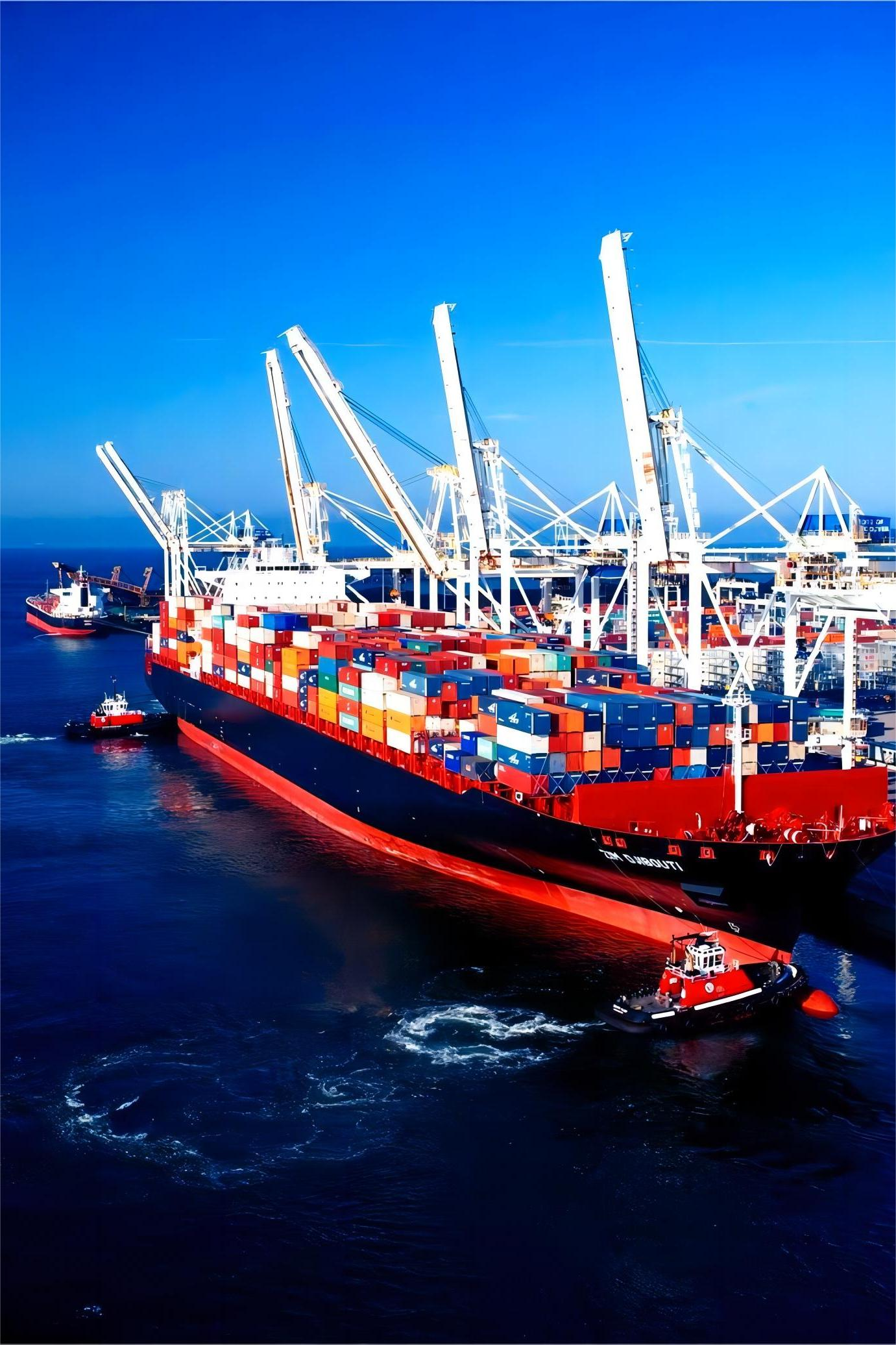
How Does Sea Freight Compare to Other Shipping Options?
Choosing the right transport mode is the most critical decision in your supply chain strategy. While ocean transport remains the backbone of global trade, alternative methods offer specific advantages depending on your urgency and budget. Moreover, the 2026 market has seen a shift toward more integrated multimodal solutions for high-value goods.
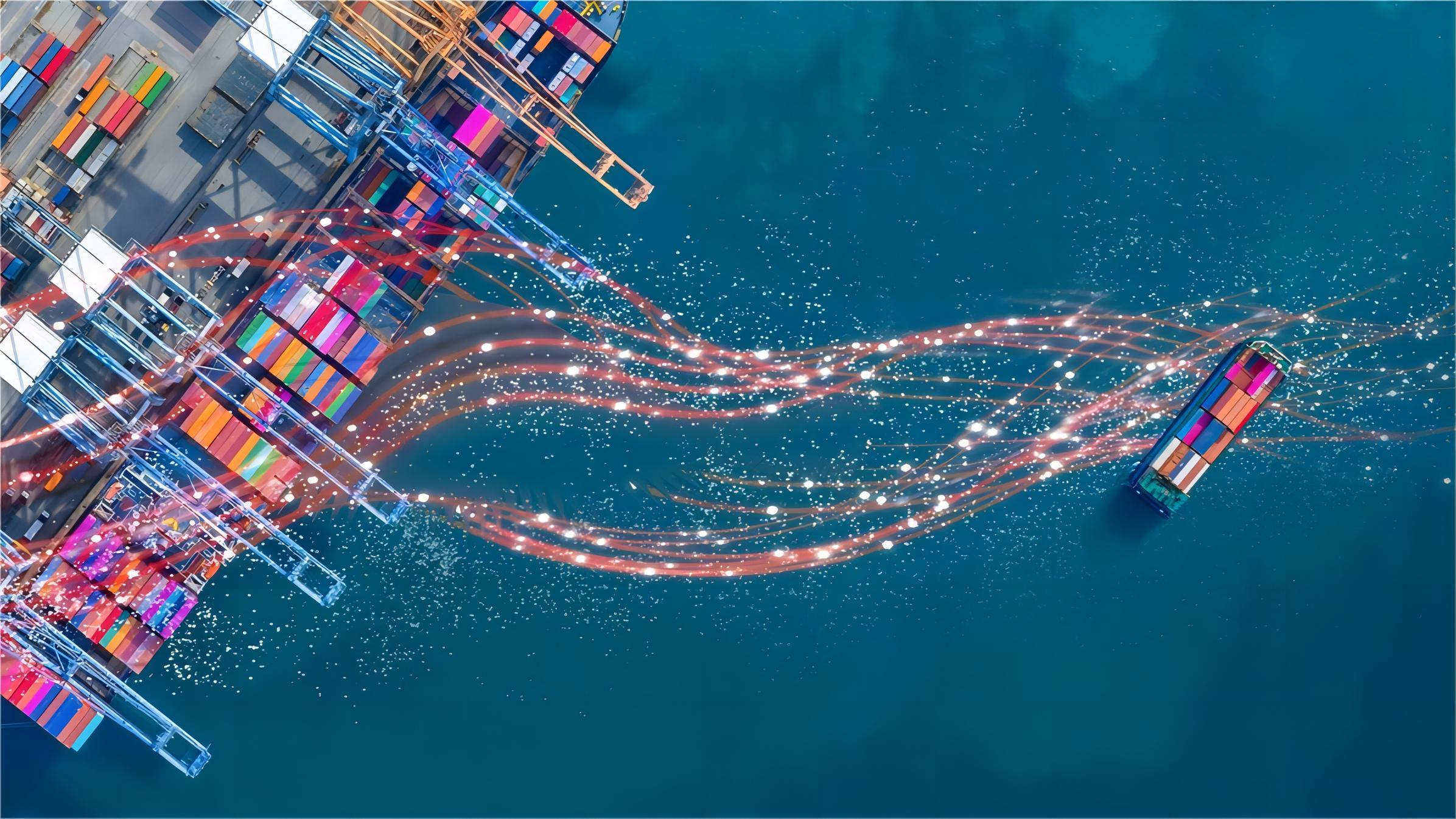
Sea freight offers the most economical solution for large volumes, though it requires longer lead times. In contrast, air cargo provides rapid delivery for time-sensitive electronics or perishables. Meanwhile, express courier services handle small parcels with door-to-door convenience but at a significantly higher price point per kilogram.
Evaluating these options requires a balanced look at transit times and landed costs. Therefore, we have compiled a comparison to help you identify the most suitable method for your specific cargo requirements.
| Shipping Method | Cost Range | Transit Time | Best For | Limitations |
|---|---|---|---|---|
| Sea Freight (FCL) | $1,200 – $2,200 | 15-25 Days | Large Bulk Shipments | Slow Transit |
| Sea Freight (LCL) | $80 – $150/CBM | 20-30 Days | Small Pallets | Handling Risks |
| Air Freight | $4.50 – $8.00/kg | 3-7 Days | High-Value Goods | High Cost |
| Express Courier | $8.00 – $15.00/kg | 2-5 Days | Samples/Documents | Weight Limits |
Understanding Air Freight Services China to New Zealand
Speed is the primary driver for businesses selecting air freight to move their inventory. As of early 2026, air cargo capacity has stabilized, allowing for more predictable delivery schedules between major Chinese hubs and Auckland Airport. Additionally, this method reduces the need for extensive inventory holding, which improves your overall cash flow.
Security is another significant benefit when choosing air transport for your freight services China to New Zealand. Airports maintain rigorous handling standards that minimize the risk of theft or damage during transit. Furthermore, the shorter duration in the supply chain reduces the exposure of your goods to environmental factors.
Pricing for air cargo is generally calculated based on either actual weight or volumetric weight. Consequently, optimizing your packaging is essential to avoid paying for empty space within your cartons. Most providers offer both standard and deferred air services to provide a balance between speed and expenditure.
Maximizing Efficiency with Ocean Freight Solutions
Most importers rely on sea freight to transport the bulk of their commercial goods. This method is particularly effective for heavy machinery, furniture, and large-scale consumer products destined for the New Zealand market. Indeed, the cost-per-unit advantage of ocean transport remains unmatched for high-volume traders.
Full Container Load (FCL) shipping provides you with an entire 20ft or 40ft container for your exclusive use. This approach is often faster than LCL because it avoids the consolidation and deconsolidation processes at the ports. On the other hand, Less than Container Load (LCL) allows you to pay only for the space you occupy, which is ideal for smaller businesses.
Strategic planning for ocean voyages involves monitoring seasonal demand and port congestion levels. Typically, rates increase during the peak season from August to October as retailers prepare for the holiday rush. Planning your shipments at least 6-8 weeks in advance can help you secure better rates and guaranteed space on vessels.
Cost Factors and 2026 Market Trends
Freight rates from China to New Zealand have reached a new equilibrium following the disruptions of previous years. Current market data suggests that ocean freight costs are influenced heavily by fuel surcharges and carrier capacity management. Nevertheless, savvy importers can still find competitive pricing by comparing multiple quotes and routes.
Landed costs involve more than just the base freight rate provided by your carrier. You must also account for port handling fees, documentation costs, and local trucking charges in New Zealand. Additionally, currency fluctuations between the NZD and USD can impact your final bill significantly over a long transit period.
Note: Freight rates are subject to change based on fuel costs, carrier capacity, and seasonal demand. Contact us for a current quote tailored to your specific shipment.
| Route (China to NZ) | 20GP Container | 40HQ Container | Transit Time | Frequency |
|---|---|---|---|---|
| Shanghai to Auckland | $950 – $1,300 | 1,600 – $2,100 | 14-18 Days | Weekly |
| Shenzhen to Tauranga | $850 – $1,200 | 1,500 – $2,000 | 12-16 Days | Bi-Weekly |
| Ningbo to Lyttelton | $1,100 – $1,500 | 1,900 – $2,500 | 20-25 Days | Weekly |
| Qingdao to Auckland | $1,050 – $1,450 | 1,850 – $2,400 | 18-22 Days | Weekly |
Customs Brokerage and Compliance Requirements
Navigating the New Zealand Customs Service requirements is a vital step in any freight services China to New Zealand operation. Failure to provide accurate documentation can lead to expensive delays and potential fines at the border. Therefore, engaging a professional customs brokerage service is highly recommended for first-time and regular importers alike.
Documentation requirements generally include a commercial invoice, packing list, and a bill of lading or airway bill. Furthermore, specific items like food, wood products, or chemicals may require additional biosecurity permits from the Ministry for Primary Industries (MPI). Ensuring all paperwork is translated and compliant with NZ standards will speed up the clearance process.
Goods and Services Tax (GST) is usually applied at a rate of 15% on the landed value of the goods. Additionally, some products may attract specific import duties depending on their classification under the Harmonized System (HS) codes. Correct classification is essential to ensure you are not overpaying or underpaying your tax obligations.
Streamlining Your Supply Chain with Door to Door Services
Many modern businesses prefer the simplicity of door to door logistics to manage their imports. This comprehensive service covers every step of the journey, from the factory floor in China to your warehouse in New Zealand. Consequently, you can focus on sales and marketing while the logistics provider handles the operational heavy lifting.
Choosing a single provider for the entire route reduces the risk of communication gaps between different agents. Moreover, it often results in more transparent pricing as all fees are consolidated into one final quote. This visibility is crucial for maintaining accurate profit margins and managing customer expectations.
For e-commerce sellers, integrating express service into your door-to-door strategy can provide the speed needed for high-demand items. While more expensive, the ability to restock quickly can prevent lost sales during peak shopping periods. Most providers now offer real-time tracking so you can monitor your shipment’s progress 24/7.
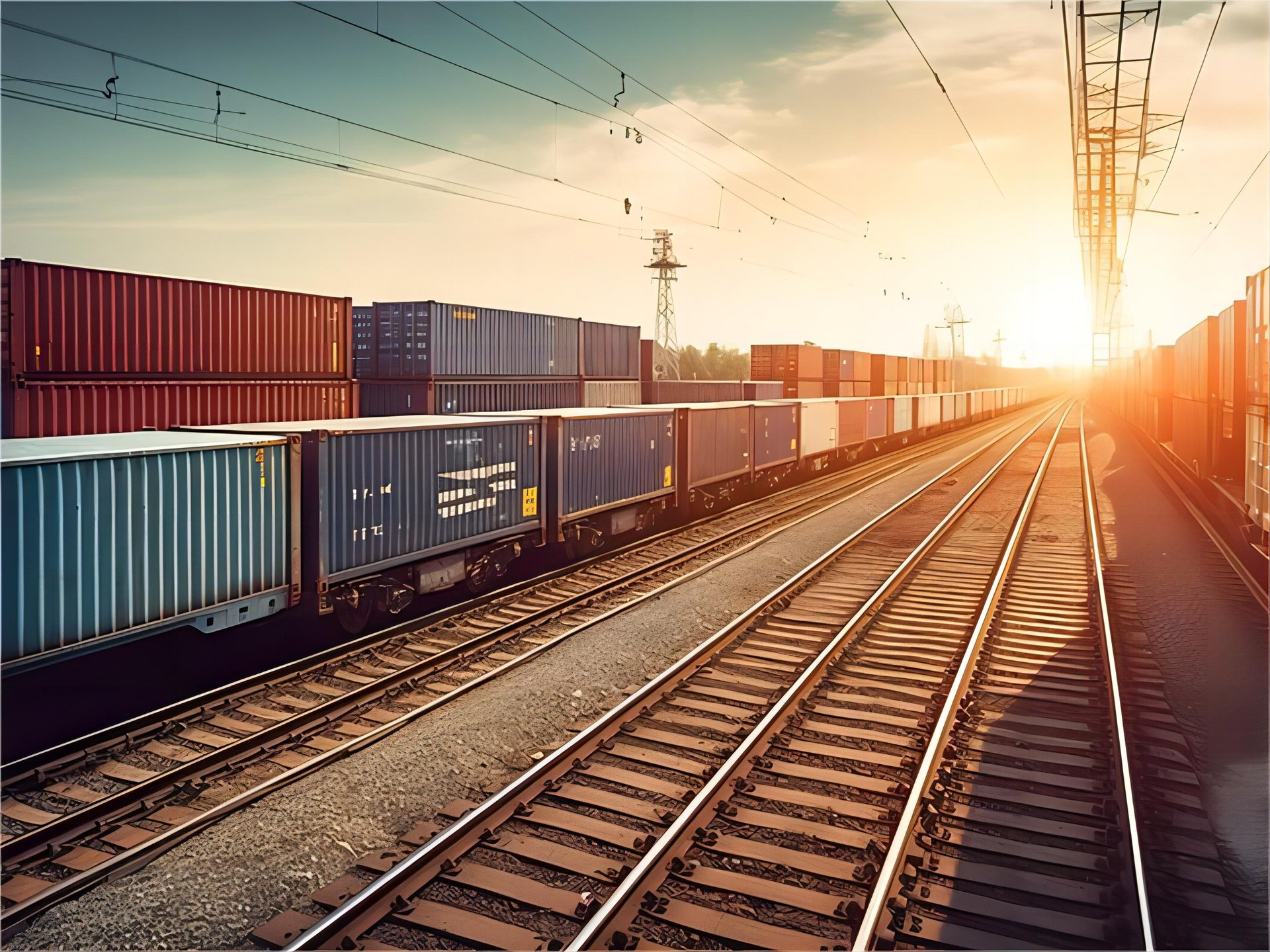
Real Case Studies: Freight Services China to New Zealand
Analyzing real-world examples provides valuable insight into the practical challenges and successes of international shipping. These cases reflect typical scenarios encountered by New Zealand businesses in the 2025-2026 market. By reviewing these outcomes, you can better prepare for your own logistics journey.
Case Study 1: Electronics from Shenzhen to Auckland Route: Shenzhen, China to Auckland, NZ Cargo: Consumer Electronics, 5 CBM, 1,200 kg Container: LCL 5 CBM Shipping Details: – Carrier: Major Ocean Carrier – Port of Loading: Shenzhen – Port of Discharge: Auckland – Route Type: Direct Cost Breakdown: – Ocean Freight: $650 – Origin Charges: $220 – Destination Charges: $310 – Customs & Duties: $1,450 (GST included) – Total Landed Cost: $2,630 Timeline: – Booking to Loading: 3 days – Sea Transit: 15 days – Customs Clearance: 2 days – Total Door-to-Door: 20 days Key Insight: Early booking allowed the client to avoid a 15% GRI (General Rate Increase) scheduled for the following week.
Case Study 2: Furniture from Ningbo to Christchurch Route: Ningbo, China to Lyttelton, NZ Cargo: Home Furniture, 28 CBM, 4,500 kg Container: 20GP Shipping Details: – Carrier: COSCO – Port of Loading: Ningbo – Port of Discharge: Lyttelton – Route Type: Transshipment via Singapore Cost Breakdown: – Ocean Freight: $1,250 – Origin Charges: $350 – Destination Charges: $480 – Customs & Duties: $3,200 – Total Landed Cost: $5,280 Timeline: – Booking to Loading: 5 days – Sea Transit: 24 days – Customs Clearance: 3 days – Total Door-to-Door: 32 days Key Insight: Using a 20GP container was more cost-effective than LCL for this volume, saving the client approximately $400 in handling fees.
Which Option Should You Choose?
Selecting the perfect shipping strategy depends on your specific priorities regarding time, cost, and cargo nature. If your primary goal is budget optimization for non-urgent goods, ocean freight is the clear winner. However, if you are launching a new product and need it in stock immediately, air freight is the necessary choice.
Cargo volume also plays a significant role in the decision-making process. For shipments under 1 CBM, express courier services are often the most practical and surprisingly cost-effective. Once you exceed 15 CBM, moving to a full 20GP container usually provides better security and lower unit costs compared to LCL.
Hybrid solutions are becoming increasingly popular for businesses seeking a middle ground. For example, you might ship 20% of your order via air to meet immediate demand while the remaining 80% travels by sea. This approach balances speed and cost while ensuring your customers are never left waiting for out-of-stock items.
Mastering Your Logistics from China to New Zealand
Successfully managing freight services China to New Zealand requires a combination of market knowledge, strategic planning, and reliable partnerships. By understanding the differences between sea and air options, you can make informed decisions that protect your profit margins. Furthermore, staying updated on customs regulations and 2026 market trends ensures your goods move smoothly across borders.
Ultimately, the right logistics strategy is one that aligns with your business goals and customer expectations. Whether you prioritize the speed of air cargo or the economy of ocean containers, professional guidance is invaluable. Start planning your next shipment today to take advantage of the current stable rates and efficient transit schedules.
Start Your Shipment
Ready to optimize your supply chain with reliable freight services China to New Zealand? Our expert team is standing by to provide a tailored quote for your next shipment. Contact us today to secure the best rates for 2026. Send Inquiry
Request Quote