


Freight Forwarder China to Australia: 2026 Shipping Rates and Logistics Guide
“Finding a reliable freight forwarder China to Australia is the most critical step for businesses looking to optimize their supply chain in 2026. Managing international logistics involves navigating complex customs regulations, fluctuating fuel surcharges, and various transport modes. Consequently, importers need a partner who can provide transparent pricing and reliable delivery schedules to ensure goods arrive safely. This guide explores everything you need to know about shipping from China to Australia, from selecting the right method to understanding the latest market trends.”
What are the Primary Shipping Methods from China to Australia?
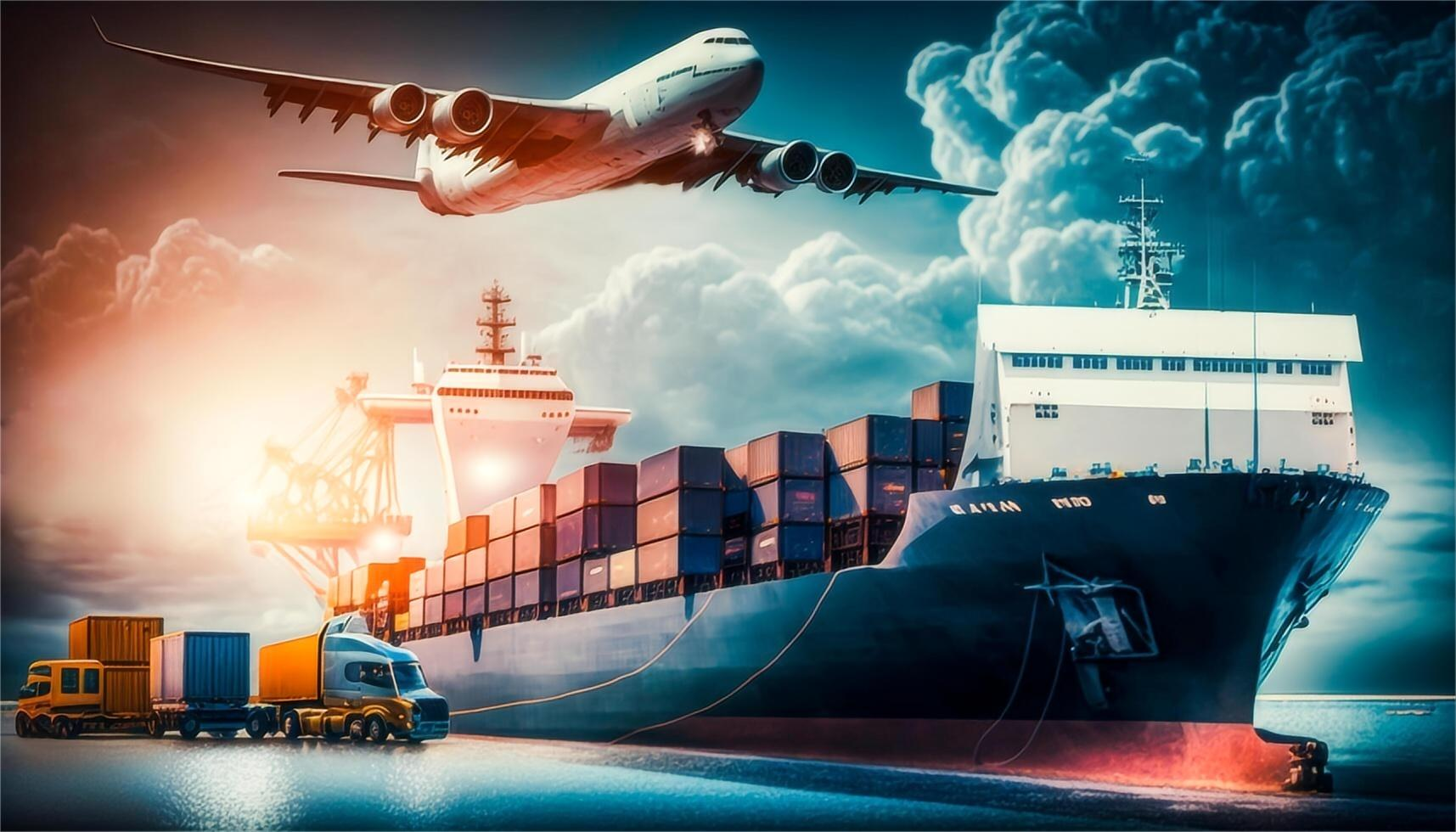
❖Selecting the appropriate transport mode depends largely on your budget, cargo volume, and required transit time. Most businesses utilize either sea or air transport, as rail freight is not a viable option for this specific transoceanic route. Furthermore, the choice between these methods will significantly impact your total landed cost and inventory turnover rates.
Moreover, sea freight remains the most popular choice for bulk commodities and large inventory rests due to its cost-effectiveness. In contrast, air freight serves as the go-to solution for high-value electronics or urgent replenishment of stock. Therefore, understanding the nuances of each service is essential for effective logistics management.
| Method | Transit Time | Cost Level | Best For |
|---|---|---|---|
| Air Freight | 3-7 Days | High | Urgent/High Value |
| Sea Freight (FCL) | 12-25 Days | Medium | Large Volumes |
| Sea Freight (LCL) | 18-35 Days | Low | Small Shipments |
| Express Service | 2-5 Days | Very High | Samples/Small Parcels |
Ocean Freight Solutions
Ocean transport is the backbone of global trade, offering two main options: Full Container Load (FCL) and Less than Container Load (LCL). For businesses with enough cargo to fill a 20ft or 40ft container, sea freight FCL provides the best security and price per unit. Additionally, LCL allows smaller importers to share container space, making it a flexible alternative for growing brands.
Air Freight Services
When speed is the absolute priority, air freight offers transit times as short as three to seven days. This method is particularly useful for seasonal products or time-sensitive components that keep production lines running. Nevertheless, the higher cost per kilogram means it is best reserved for items with high profit margins or low weight-to-volume ratios.
How Does Sea Freight Compare to Other Shipping Options?
❖Analyzing the trade-offs between different logistics strategies is vital for maintaining a competitive edge in the Australian market. While sea freight is the most economical, it requires longer lead times and more complex cargo handling at the ports. Consequently, many businesses are now looking at hybrid models to balance cost and speed.
For example, direct sea routes from Shenzhen to Sydney are faster but more expensive than transshipment routes via Singapore. Meanwhile, express courier services provide a seamless experience but at a significant premium. Accordingly, you must weigh the urgency of your shipment against the potential savings of slower transport modes.
| Shipping Method | Cost Range | Transit Time | Best For |
|---|---|---|---|
| Direct Sea | $1,200 – $2,000 | 12-18 Days | FCL Shipments |
| Transshipment Sea | $900 – $1,500 | 22-30 Days | Budget Priority |
| Standard Air | $4.50 – $8.00/kg | 5-9 Days | Medium Volume |
| Express Courier | $8.00 – $15.00/kg | 2-4 Days | E-commerce/Samples |
Navigating Customs Brokerage and Compliance in Australia
❖Importing goods into Australia requires strict adherence to the Department of Home Affairs and Biosecurity regulations. Indeed, failing to provide accurate documentation can lead to significant delays and expensive storage fees at the wharf. Therefore, hiring a professional customs brokerage service is often a wise investment for first-time or high-volume importers.
Furthermore, Australian customs apply Goods and Services Tax (GST) and potential duties based on the classification of your items. Specifically, using the correct Harmonized System (HS) codes ensures you do not overpay or face penalties for misdeclaration. Consequently, your freight forwarder should assist in verifying all paperwork before the vessel departs China.
The Benefits of Door to Door Logistics
❖Managing multiple logistics providers can be a headache for busy entrepreneurs. As a result, many choose door to door shipping to simplify the entire process. This comprehensive service covers everything from factory pickup in China to final delivery at your warehouse in Melbourne or Brisbane.
Additionally, this model provides a single point of contact and one consolidated invoice, which improves financial tracking. Because the forwarder handles the inland trucking at both ends, the risk of miscommunication between different carriers is greatly reduced. Indeed, this is the preferred method for businesses shipping to Australia who want a hands-off approach to their supply chain.
2026 Freight Rates and Market Trends
❖Market data suggests that freight rates from China to Australia have stabilized in early 2026 compared to the volatility of previous years. However, seasonal peaks during the lead-up to the end-of-year holidays still cause temporary price spikes. Typically, rates increase by 15-25 percent between August and October as retailers stock up for the Christmas season.
According to industry benchmarks, the average cost for a 40HQ container from Shanghai to Sydney currently ranges between $1,400 and $2,000. These figures are subject to change based on fuel costs and carrier capacity. Note: Freight rates are subject to change based on fuel costs, carrier capacity, and seasonal demand. Contact us for a current quote tailored to your specific shipment.
Real Case Studies: Shipping Success Stories
❖Examining real-world examples helps illustrate the practical challenges and costs involved in international trade. Below are two scenarios based on typical shipments handled in late 2025 and early 2026.
Case Study 1: Electronics Distribution. Route: Shenzhen, China to Sydney, Australia. Cargo: Consumer electronics, 15 CBM, 3,200 kg. Container: LCL. Shipping Details: Major carrier, Port of Loading: Shenzhen, Port of Discharge: Sydney, Route Type: Direct. Cost Breakdown: Ocean Freight: $1,150; Origin Charges: $320; Destination Charges: $450; Customs and Duties: $1,800; Total Landed Cost: $3,720. Timeline: Booking to Loading: 3 days; Sea Transit: 14 days; Customs Clearance: 2 days; Total Door-to-Door: 22 days. Key Insight: Direct sailing saved 8 days compared to transshipment via Singapore.
Case Study 2: Furniture Retailer. Route: Ningbo, China to Melbourne, Australia. Cargo: Home furniture, 68 CBM. Container: 40HQ. Shipping Details: COSCO, Port of Loading: Ningbo, Port of Discharge: Melbourne, Route Type: Direct. Cost Breakdown: Ocean Freight: $1,850; Origin Charges: $400; Destination Charges: $550; Customs and Duties: $2,100; Total Landed Cost: $4,900. Timeline: Booking to Loading: 5 days; Sea Transit: 18 days; Customs Clearance: 3 days; Total Door-to-Door: 30 days. Key Insight: Planning 4 weeks in advance secured a lower rate before the Q4 peak season.
Which Shipping Option Should You Choose?
❖Choosing the right strategy depends on your specific business priorities. If your primary goal is budget optimization, sea freight LCL or transshipment routes are the most suitable. On the other hand, if you need to fulfill urgent orders, air freight is the clear winner despite the higher expense.
Volume thresholds also play a major role in the decision-making process. For instance, once your shipment exceeds 15 CBM, it often becomes more economical to book a full 20ft container rather than paying for LCL space. Meanwhile, cargo type considerations like fragility or hazardous material status may limit your choices to specific carriers or methods.
Mastering Your Logistics with a Freight Forwarder China to Australia
Successfully importing goods requires a deep understanding of transit times, shipping costs, and customs compliance. By selecting a dedicated freight forwarder China to Australia, you gain access to expert knowledge that protects your bottom line. Whether you choose the speed of air freight or the volume of sea freight, the right partner ensures a smooth journey from factory to front door.
To summarize, staying informed about 2026 market trends and planning your shipments in advance will help you avoid unnecessary delays. Start optimizing your logistics strategy today to ensure your business remains competitive in the evolving Australian trade landscape.

Ready to streamline your logistics?
Streamline your supply chain today by partnering with a professional freight forwarder China to Australia. Our team provides tailored logistics solutions to ensure your cargo arrives on time and within budget. Visit our website to request a personalized quote and experience hassle-free international shipping. Visit https://toplogisticslt.com/ to get started. Send Inquiry: toplogisticslt.com
Request Quote