

FCL Shipping China to Australia: 2026 Logistics Guide
Navigating the complexities of international trade requires a robust strategy for your global supply chain management. When you partner with toplogisticslt.com, you gain access to streamlined solutions for FCL shipping China to Australia that minimize costly delays. This comprehensive guide explores how businesses can optimize their cargo handling and manage logistics trends effectively in the 2026 market environment. Consequently, importers can make informed decisions that balance speed, security, and cost-efficiency for their large-scale shipments.
✦
What is FCL Shipping and Why is it Beneficial?
Full Container Load, or FCL, refers to a shipping mode where a single importer occupies an entire container for their goods. Specifically, this method is ideal for businesses moving large volumes that can fill a 20ft or 40ft container. Choosing sea freight via FCL often results in lower risks of damage since the container remains sealed from the point of origin to the final destination. Moreover, FCL shipments generally face fewer handling stages compared to Less than Container Load (LCL) options.
Furthermore, FCL shipping China to Australia provides a more predictable delivery schedule for high-priority inventory. Because the container is dedicated to one shipper, there is no need to wait for other cargo to be consolidated or deconsolidated at the port. Therefore, you can expect a more direct route and faster overall transit times. Additionally, the per-unit shipping cost typically decreases as you maximize the space within the container, making it a highly economical choice for bulk commodities or large manufactured items.
In addition, the 2026 market has seen a shift toward more sustainable shipping practices within the FCL sector. Many carriers now offer carbon-offsetting options and utilize newer, more fuel-efficient vessels for the China-Australia corridor. Consequently, businesses can align their logistics operations with environmental goals while maintaining competitive freight rates. Meanwhile, the security of FCL remains a primary draw, as the risk of contamination or loss is significantly reduced when your goods are not mixed with other shippers’ products.
Current FCL Shipping Rates China to Australia for 2026
Understanding the cost structure of FCL shipping China to Australia is essential for accurate budgeting and price forecasting. As of early 2026, freight rates have stabilized following the global disruptions seen in previous years. However, several factors still influence the final price, including fuel surcharges, seasonal demand, and specific port pairings. For instance, shipping from a major hub like Shanghai to Sydney may be cheaper than shipping from an inland Chinese city to a smaller Australian port.
Additionally, the type of container you select will dictate a large portion of your total landed cost. A 20GP container is often sufficient for heavy, dense cargo, whereas a 40HQ container is better suited for voluminous items like furniture or electronics. To provide a clearer picture of the current market, we have compiled a table showing the estimated price ranges for major routes. Please note that these figures represent ocean freight only and exclude local charges or duties.
Moreover, businesses should account for peak season surcharges that typically occur between August and October. During this period, demand for consumer goods spikes in preparation for the holiday season, which often leads to a 15-25 percent increase in rates. Nevertheless, booking your space at least 3-4 weeks in advance can help you secure more favorable pricing. Industry averages for this route suggest that rates are currently at their most competitive levels since the stabilization of the 2025 market.
| Route (China to AU) | 20GP Container | 40HQ Container | Transit Time |
|---|---|---|---|
| Shanghai to Sydney | $850 – $1,150 | $1,450 – $1,900 | 14-18 Days |
| Shenzhen to Melbourne | $800 – $1,100 | $1,400 – $1,850 | 12-16 Days |
| Ningbo to Brisbane | $900 – $1,250 | $1,500 – $2,000 | 15-19 Days |
| Qingdao to Fremantle | $1,000 – $1,350 | $1,650 – $2,150 | 18-22 Days |
How Does FCL Compare to Other Shipping Options?
When planning your logistics, it is vital to compare FCL with alternative methods like LCL or air freight to ensure you are using the most efficient mode. While door to door FCL services offer the best value for large volumes, smaller shipments might benefit from different strategies. For example, if you are shipping less than 15 cubic meters, LCL might be more cost-effective despite the longer handling times. On the other hand, urgent cargo often requires the speed of air transport.
Specifically, air freight remains the fastest option but comes at a significant premium. For a shipment that would cost $1,800 in a 40HQ container, the equivalent volume by air could exceed $20,000. Therefore, air freight is generally reserved for high-value, time-sensitive goods like medical supplies or luxury electronics. In contrast, sea freight provides the capacity and affordability needed for the majority of commercial trade between China and Australia. Additionally, there are no rail freight options for this specific route due to the geographic barrier of the ocean.
Choosing the right method depends on your specific business priorities, such as budget, speed, and cargo volume. If your priority is cost-savings and you have a consistent volume of goods, FCL is almost always the superior choice. However, if you are testing a new product line with small quantities, starting with LCL might be more prudent. To summarize, a hybrid approach using different modes for different product categories can often optimize a company’s total logistics spend while maintaining supply chain agility.
| Method | Cost Range | Transit Time | Best For |
|---|---|---|---|
| FCL (20GP/40HQ) | Low ($800-$2,000) | 12-22 Days | Bulk/Large Cargo |
| LCL (Per CBM) | Moderate ($50-$90) | 18-28 Days | Small Shipments |
| Air Freight | High ($4.50+/kg) | 3-7 Days | Urgent/High Value |
| Express Service | Very High | 2-5 Days | Samples/Docs |
Transit Times and Port Considerations
Shipping times for FCL shipping China to Australia are relatively short compared to European or North American routes. Generally, vessels departing from Southern Chinese ports like Shenzhen or Guangzhou arrive in Australia faster than those from Northern ports like Tianjin. For instance, a direct service from Shenzhen to Melbourne can take as little as 12 days under optimal conditions. Meanwhile, transshipment routes via Singapore or Port Klang may add 5-7 days to the total duration but can sometimes offer lower freight rates.
Moreover, port congestion in Australia can occasionally impact the actual delivery date. Major hubs such as Sydney’s Port Botany and the Port of Melbourne are highly efficient, yet seasonal peaks can lead to minor delays in berthing. Consequently, it is wise to build a buffer of 3-5 days into your supply chain planning. Additionally, the efficiency of your customs brokerage partner plays a critical role in how quickly your container is released for inland transport after it arrives at the wharf.
Industry data suggests that direct routes currently cost 10-15 percent more than transshipment options but offer higher reliability. If your business operates on a just-in-time inventory model, the extra cost for a direct service is usually a worthwhile investment. On the other hand, if you are moving non-perishable goods with flexible deadlines, choosing a transshipment route can yield significant savings over the long term. Ultimately, the choice of port and route should align with your specific delivery requirements and budget constraints.
Customs Documentation and Compliance Requirements
Importing goods into Australia requires strict adherence to the regulations set by the Australian Border Force (ABF) and the Department of Agriculture, Fisheries and Forestry (DAFF). Specifically, you must provide a complete set of documents including a Bill of Lading, Commercial Invoice, and Packing List. Failure to provide accurate documentation can result in heavy fines or your cargo being held at the port. Therefore, many importers utilize professional services to ensure all paperwork is compliant with current 2026 standards.
Furthermore, Australia has specific biosecurity requirements that are among the strictest in the world. For example, any timber packaging or pallets used in FCL shipping China to Australia must be treated and marked according to ISPM 15 standards. If the container is found to have pests or soil, it may require expensive fumigation or even be refused entry. Consequently, verifying that your Chinese suppliers follow these packing protocols is a vital step in the shipping process. Meanwhile, certain goods may qualify for duty-free entry under the China-Australia Free Trade Agreement (ChAFTA).
In addition, ensuring you have a valid Certificate of Origin is essential to claim any preferential tariff rates under ChAFTA. Without this document, you may be required to pay the standard 5 percent duty rate on many categories of goods. Indeed, the cost of compliance is much lower than the cost of non-compliance, which can include storage fees known as demurrage and detention. To avoid these issues, it is highly recommended to engage a service provider who understands the nuances of both Chinese export laws and Australian import regulations.
Real-World FCL Shipping Case Studies
Examining real-world examples can provide valuable insights into the practicalities of FCL shipping China to Australia. These cases highlight the importance of planning and the impact of choosing the right logistics strategy. Based on market rates as of early 2026, the following scenarios illustrate typical costs and timelines for common import commodities.
Case Study 1: Electronics from Shenzhen to Melbourne. A tech retailer imported a 40HQ container of consumer electronics. Route: Shenzhen to Melbourne via direct service. Cargo: 65 CBM, 12,000 kg. Ocean Freight: $1,450. Origin Charges: $350. Destination Charges: $450. Customs and Duties: $1,200. Total Landed Cost: $3,450. Timeline: Booking to Loading: 4 days; Sea Transit: 13 days; Customs Clearance: 2 days; Total Door-to-Door: 19 days. Key Insight: Using a direct service ensured the retailer met their product launch deadline without inventory gaps.
Case Study 2: Furniture from Ningbo to Sydney. A home decor business moved a 20GP container of wooden furniture. Route: Ningbo to Sydney with transshipment via Singapore. Cargo: 28 CBM, 8,000 kg. Ocean Freight: $950. Origin Charges: $300. Destination Charges: $400. Customs and Duties: $800. Total Landed Cost: $2,450. Timeline: Booking to Loading: 5 days; Sea Transit: 21 days; Customs Clearance: 3 days; Total Door-to-Door: 29 days. Key Insight: Choosing a transshipment route saved the client $200 in freight costs, which was acceptable given their flexible schedule.
Case Study 3: Industrial Parts for Amazon FBA. A manufacturer used Amazon FBA services to ship a 40HQ of machinery components. Route: Shanghai to Brisbane. Cargo: 60 CBM, 18,000 kg. Ocean Freight: $1,600. Origin/Destination/Customs: $1,100. Total Landed Cost: $2,700. Timeline: Total Door-to-Door: 24 days. Key Insight: Proper palletization and biosecurity compliance prevented any delays at the Brisbane port, allowing for rapid stock replenishment.
Choosing the Right Freight Forwarder for Your Cargo
Selecting a reliable freight forwarder is perhaps the most critical decision in your logistics journey. A good partner will not only provide competitive rates for FCL shipping China to Australia but also offer proactive communication and problem-solving. Specifically, you should look for a company with a strong network in both China and Australia to handle local logistics smoothly. This ensures that any issues at the port of loading or discharge are addressed immediately by local experts who speak the language.
Additionally, verify that your forwarder offers comprehensive services such as cargo insurance and real-time tracking. In the volatile shipping market of 2026, having visibility into your container’s location allows you to manage customer expectations more effectively. Moreover, a forwarder that provides consolidated billing and clear fee structures will help you avoid hidden costs that can erode your profit margins. Therefore, conducting thorough due diligence and checking industry reviews is a necessary step before signing any service agreements.
Ultimately, the goal is to build a long-term relationship with a logistics provider that understands your business needs. Whether you are shipping seasonal goods or maintaining a steady flow of industrial supplies, a dedicated account manager can provide tailored advice to optimize your routes. Furthermore, as trade regulations evolve, your forwarder should keep you informed of any changes that might affect your shipments. By choosing a partner like DSV-Freight, you ensure your cargo is in professional hands throughout its journey across the ocean.
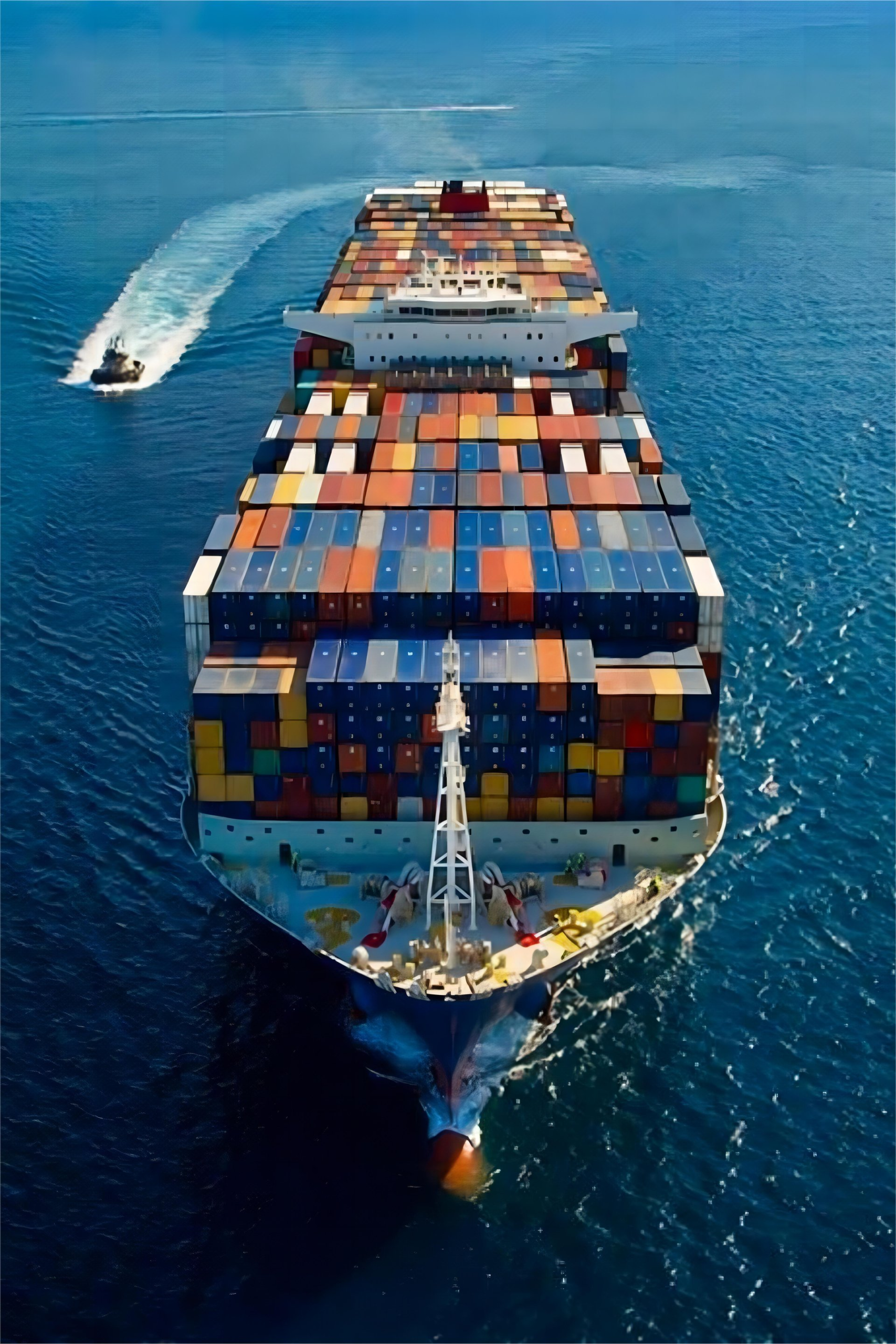
Final Thoughts on FCL Shipping China to Australia
To summarize, FCL shipping China to Australia remains the most efficient and cost-effective method for transporting large volumes of goods in 2026. By understanding the nuances of freight rates, transit times, and customs compliance, businesses can significantly reduce their logistics overhead and improve delivery reliability. Additionally, choosing the right container size and shipping route allows for greater flexibility in managing inventory levels and meeting market demand.
Furthermore, the integration of professional customs brokerage and door-to-door services can further simplify the complex process of international trade. As market conditions continue to evolve, staying informed about logistics trends and biosecurity requirements will be essential for any successful importer. Ultimately, a well-planned FCL strategy is a cornerstone of a resilient and profitable supply chain. Note: Freight rates are subject to change based on fuel costs, carrier capacity, and seasonal demand. Contact us for a current quote tailored to your specific shipment.