

Door to Door Shipping China to NZ: The 2026 Logistics Guide
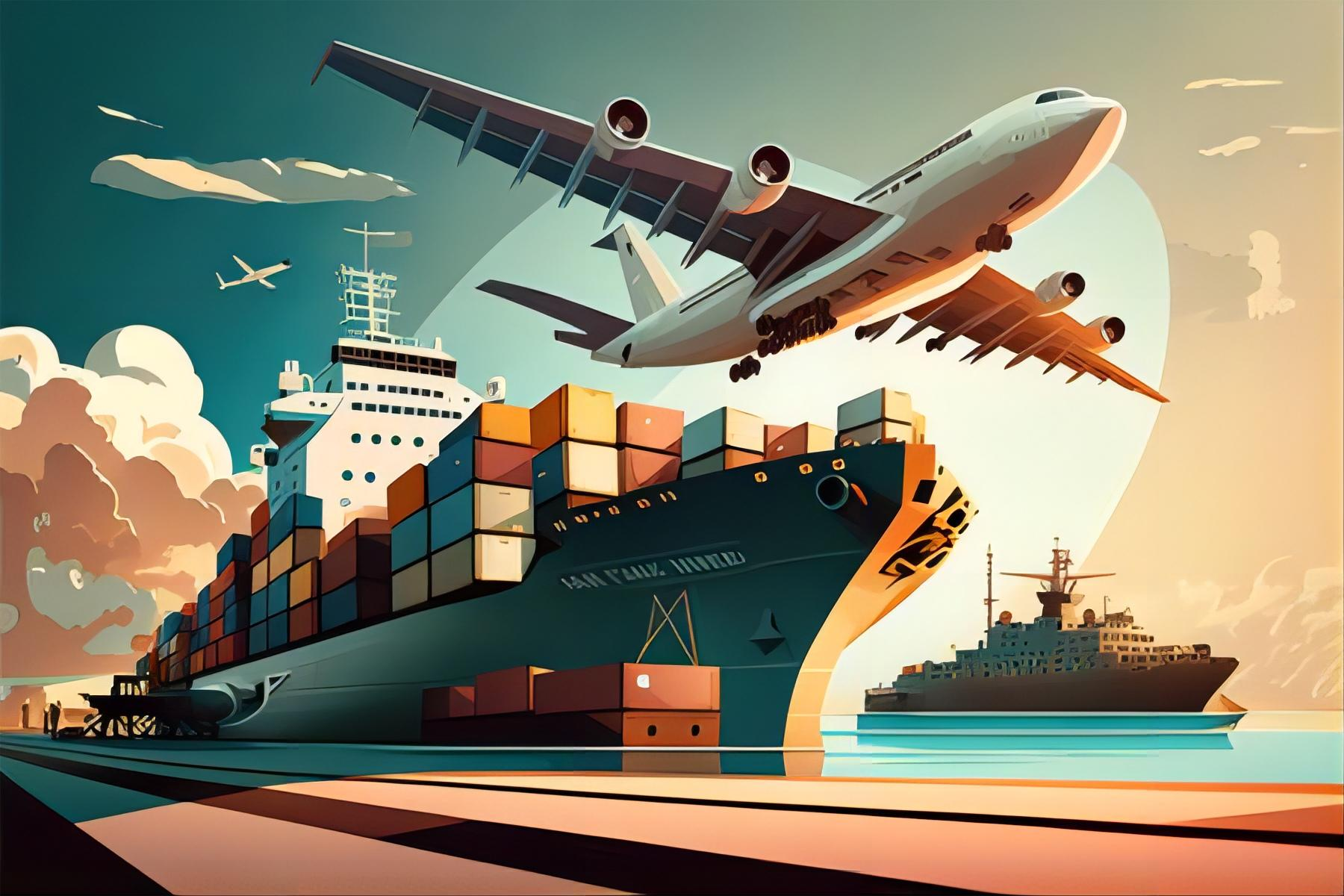
Importing goods into the New Zealand market requires a sophisticated logistics strategy to maintain a competitive edge in 2026. Many savvy business owners partner with DSV-Freight to streamline their global supply chains. Utilizing professional door to door shipping China to NZ eliminates the stress of managing multiple vendors by providing a single point of contact for the entire journey. This comprehensive guide explores every facet of the shipping process from Chinese manufacturing hubs to your doorstep in Auckland, Wellington, or Christchurch.
Why Choose Door to Door Shipping China to NZ in 2026?
Modern businesses increasingly prefer comprehensive logistics solutions that minimize the need for manual oversight. Consequently, door to door shipping China to NZ has become the gold standard for importers seeking efficiency and reliability. This service model covers everything including pickup, export clearance, international freight, and final mile delivery.
Moreover, the complexity of international trade regulations in 2026 makes professional management essential for avoiding costly delays. You can focus on scaling your business while experts handle the intricate details of cargo movement. Additionally, integrated tracking systems now offer real-time visibility into every stage of the shipment’s progress.
Furthermore, this streamlined approach often reduces the risk of damage during transit. Because a single provider oversees the entire chain, there are fewer hand-off points where errors typically occur. Therefore, choosing a full-service logistics partner ensures your inventory arrives in pristine condition at your New Zealand facility.
How Does Sea Freight Compare to Other Shipping Options?
Choosing the right transport mode is the most critical decision for your bottom line. While sea freight remains the most popular choice for bulk goods, other methods offer specific advantages for different scenarios. We have analyzed the current 2026 market to provide an objective comparison of your available choices.
Indeed, ocean transport offers unparalleled cost-efficiency for large volumes of consumer goods or industrial equipment. On the other hand, air transport provides the speed necessary for high-value electronics or urgent replenishment. Meanwhile, express services cater to small parcels that require immediate delivery without the complexity of traditional freight.
Specifically, for shipments originating in China, rail freight is not a viable option for the New Zealand route due to geographical constraints. Consequently, importers must decide between various maritime and aviation strategies based on their budget and timeline requirements. Use the table below to evaluate which method aligns best with your current business goals.
| Shipping Method | Cost Range | Transit Time | Best For |
|---|---|---|---|
| Sea Freight (FCL) | USD 1,200 – 2,500 | 18 – 25 Days | Large inventory bulk |
| Sea Freight (LCL) | USD 80 – 150/CBM | 22 – 30 Days | Smaller pallets |
| Air Freight | USD 4.50 – 8.00/kg | 5 – 8 Days | High-value goods |
| Express Service | USD 9.00 – 15.00/kg | 3 – 5 Days | Samples and parcels |
Understanding Air Freight vs Sea Freight for New Zealand Imports
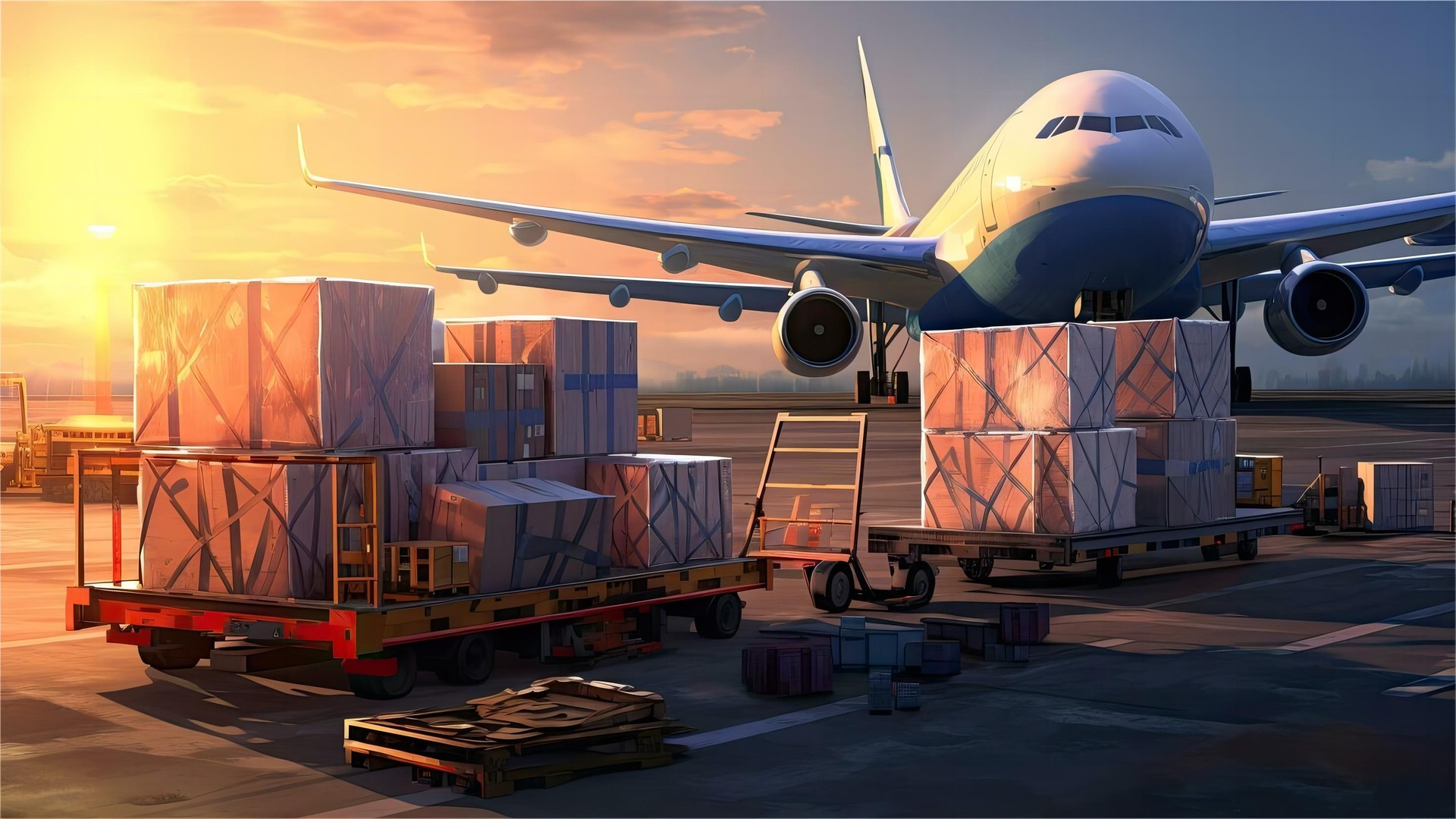
Evaluating the trade-off between speed and cost is a daily challenge for logistics managers. For instance, air freight can save you weeks of lead time but significantly increases your landed cost. Nevertheless, for seasonal products with a short shelf life, the speed of air transport often justifies the higher expense.
Alternatively, sea freight allows for much higher profit margins on low-cost items. Most importers utilize Full Container Load (FCL) for maximum security and speed within the maritime sector. However, Less than Container Load (LCL) serves as an excellent alternative for those who do not have enough volume to fill a 20-foot container.
Actually, many businesses in 2026 are adopting hybrid strategies to balance their inventory needs. You might ship 20 percent of your stock via air to meet immediate demand while the remaining 80 percent travels by sea. Consequently, this balanced approach ensures product availability while keeping overall shipping costs manageable.
Navigating Customs Brokerage and Import Regulations
New Zealand has strict biosecurity and customs regulations that can surprise unprepared importers. Therefore, engaging a professional customs brokerage service is vital for a smooth entry into the country. They ensure that all documentation meets the standards of the New Zealand Customs Service and the Ministry for Primary Industries.
Moreover, the 2026 regulatory environment places a heavy emphasis on sustainable packaging and accurate cargo descriptions. Failure to comply can result in expensive quarantine fees or even the destruction of goods. In addition, knowing which HS codes apply to your products can save you thousands in unnecessary duty payments.
Indeed, the door to door model typically includes customs handling as a core component. This means the provider prepares the import entry and pays the GST on your behalf before final delivery. As a result, you avoid the administrative burden of dealing with government agencies directly.
Breaking Down the Costs of Door to Door Shipping China to NZ
Understanding the components of your shipping quote helps you identify potential areas for cost savings. Generally, your total invoice will include the base freight rate, fuel surcharges, and local port handling fees. Additionally, door to door shipping China to NZ includes the pickup fee in China and the final delivery charge in New Zealand.
Note: Freight rates are subject to change based on fuel costs, carrier capacity, and seasonal demand. Contact us for a current quote tailored to your specific shipment. Based on current market rates for Q1 2026, we have compiled an average pricing guide for common container sizes on this route.
Furthermore, you should account for maritime insurance which typically costs about 0.3 percent of the cargo value. While it may seem like an extra expense, it provides essential protection against unforeseen events at sea. Consequently, most professional logistics providers strongly recommend comprehensive coverage for all international shipments.
| Container Type | Ocean Freight | Local Charges | Total Estimated |
|---|---|---|---|
| 20GP Container | USD 950 – 1,300 | USD 400 – 600 | USD 1,350 – 1,900 |
| 40GP Container | USD 1,600 – 2,100 | USD 600 – 850 | USD 2,200 – 2,950 |
| 40HQ Container | USD 1,800 – 2,400 | USD 650 – 900 | USD 2,450 – 3,300 |
Transit Times and Delivery Schedules for Major NZ Cities
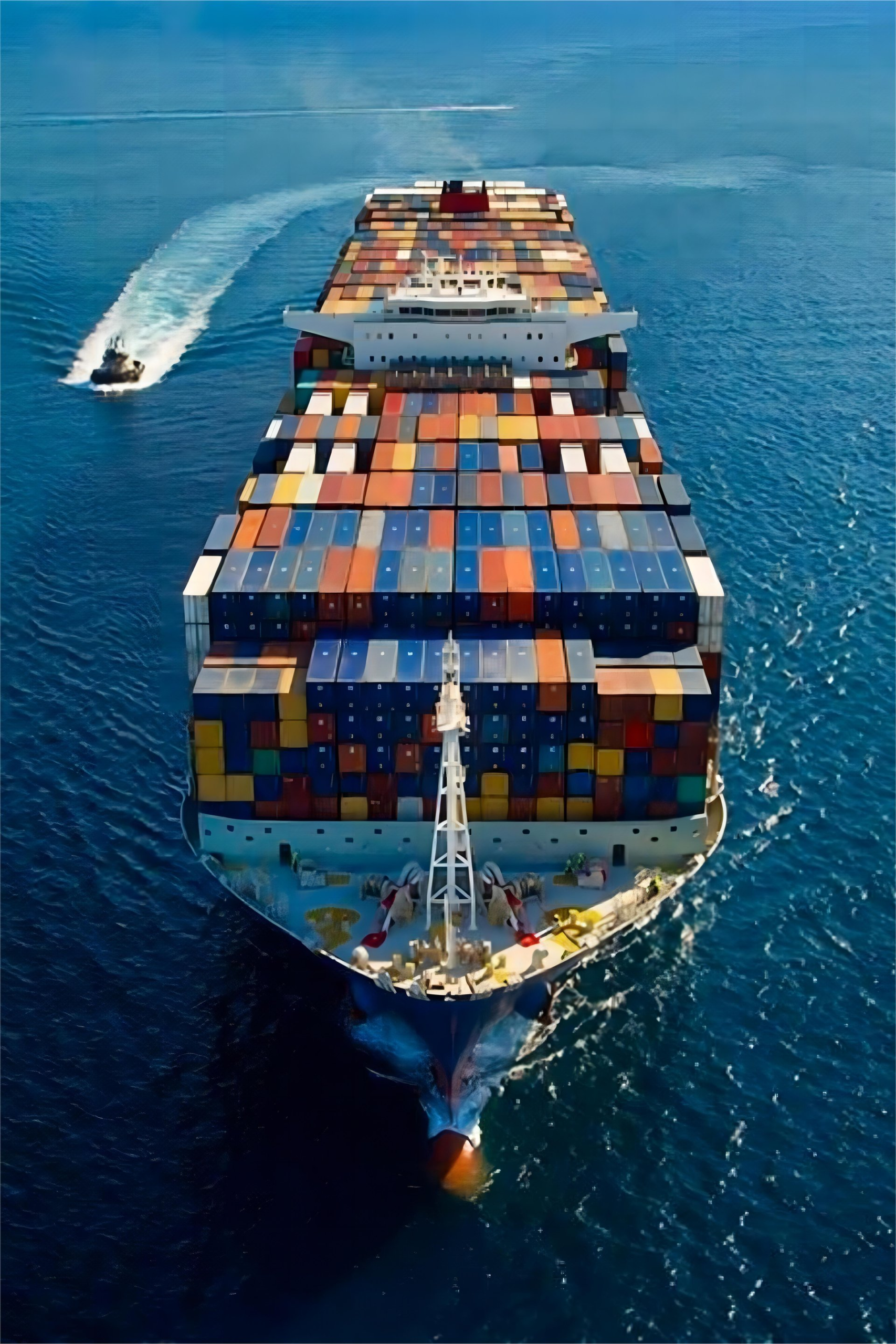
The time your goods spend in transit depends heavily on the port of origin and the final destination city. For example, shipments from Shenzhen to Auckland are generally faster than those originating in Northern China destined for Dunedin. Typically, direct vessels offer the most reliable schedules for businesses with strict deadlines.
However, transshipment via major hubs like Singapore or Port Klang can sometimes offer lower rates at the cost of a few extra days. You must weigh the importance of speed against the potential savings of a slower route. Meanwhile, local delivery within New Zealand usually adds another 2 to 5 days depending on the proximity to the port.
According to industry benchmarks for 2026, port efficiency in Auckland has improved, reducing the time goods spend in terminals. Nevertheless, peak seasons during the lead-up to Christmas still see increased congestion. Therefore, planning your shipments at least six weeks in advance is highly recommended during the fourth quarter.
| Origin Port | Destination City | Transit (Sea) | Total Door to Door |
|---|---|---|---|
| Shenzhen | Auckland | 16 – 19 Days | 22 – 26 Days |
| Shanghai | Wellington | 20 – 24 Days | 26 – 32 Days |
| Ningbo | Christchurch | 22 – 26 Days | 28 – 35 Days |
| Qingdao | Auckland | 24 – 28 Days | 30 – 38 Days |
Real-World Case Studies: China to New Zealand Logistics
Case Study 1: Electronics Distribution. Route: Shenzhen, China to Auckland, NZ. Cargo: Consumer electronics, 12 CBM, 2,500 kg. Method: LCL Sea Freight. Ocean Freight: USD 1,150. Origin Charges: USD 220. Destination Charges: USD 340. Customs and Duties: USD 1,800. Total Landed Cost: USD 3,510. Timeline: 24 days total. Key Insight: Consolidating multiple small orders into one LCL shipment saved the client 30 percent compared to air freight.
Case Study 2: Home Furniture Retailer. Route: Ningbo, China to Christchurch, NZ. Cargo: Flat-pack furniture, 40HQ Container. Method: FCL Sea Freight. Ocean Freight: USD 2,100. Origin Charges: USD 450. Destination Charges: USD 700. Customs and Duties: USD 4,200. Total Landed Cost: USD 7,450. Timeline: 32 days total. Key Insight: Direct shipping to Lyttelton Port avoided expensive coastal shipping costs from Auckland to the South Island.
These examples reflect typical rates as of early 2026 and demonstrate the importance of selecting the right port of entry. By analyzing these scenarios, you can better estimate the potential costs for your own specific cargo requirements. Always remember that volume and weight play a significant role in the final calculation.
Which Shipping Option Should You Choose for Your Business?
Determining the best logistics path requires a clear understanding of your priorities. If your primary goal is budget optimization, sea freight is the undeniable winner for almost any shipment over 1 cubic meter. Conversely, if you are launching a new product and need it on shelves immediately, express service is the better choice.
Specifically, for shipments under 100 kilograms, air freight or express is usually more economical than the minimum charges associated with sea freight. Once you exceed 150 kilograms, the cost per unit for sea transport drops dramatically. Therefore, the volume of your cargo is often the deciding factor in the sea vs air debate.
In addition, consider the nature of your goods. Fragile or perishable items might benefit from the shorter handling times associated with air transport. On the other hand, durable goods like machinery or textiles are perfectly suited for the longer journey in a shipping container. Ultimately, a professional freight forwarder can provide a tailored recommendation based on your specific SKU profile.
Essential Documentation for Smooth Customs Clearance
The success of your door to door shipping China to NZ depends heavily on accurate paperwork. For instance, the Commercial Invoice must clearly state the value, country of origin, and detailed description of all items. Additionally, the Packing List should specify the dimensions and weight of every individual carton or pallet.
Moreover, a Bill of Lading serves as the contract of carriage and the title to the goods. You must also provide a Packing Declaration for New Zealand biosecurity, stating whether timber packaging was used. Without this specific document, your cargo may be subject to mandatory fumigation at your expense.
Finally, ensure you have any necessary permits for restricted items like chemicals or certain electronics. Consequently, verifying your documentation requirements before the ship leaves China is the best way to prevent storage fees at the destination port. Your logistics partner will typically review these documents to ensure they are audit-ready.
Final Thoughts on New Zealand Logistics
Navigating the waters of international trade requires a blend of strategic planning and expert execution. By choosing door to door shipping China to NZ, you effectively bridge the gap between global manufacturing and local distribution. This comprehensive service ensures that your business remains agile and responsive to market demands in 2026.
Furthermore, the integration of professional customs handling and multi-modal transport options provides a safety net for your operations. Whether you are a small startup or an established retailer, the right shipping strategy is a cornerstone of your success. We encourage you to evaluate your current shipping methods and consider the long-term benefits of a managed door to door solution.
Get Your Shipping Quote Today
Ready to optimize your supply chain with reliable door to door shipping China to NZ? Contact our team today for a customized quote and expert guidance on your next shipment. Visit our website to request a consultation and see how we can simplify your international logistics.
Request Quote