

DDP Container Shipping Australia: The Complete 2026 Logistics Guide
Navigating international trade requires a clear understanding of Incoterms to avoid unexpected costs and delays at the border. For businesses looking to simplify their logistics, DSV-Freight offers comprehensive solutions for ddp container shipping australia that ensure your cargo arrives safely and on time. This method removes the burden of customs clearance and tax payments from the buyer, making it a preferred choice for many Australian importers in 2026.
What is DDP Container Shipping Australia?
Delivered Duty Paid (DDP) is an Incoterm where the seller assumes all responsibility, risks, and costs associated with transporting goods. Consequently, the seller handles everything until the buyer receives the cargo at the agreed destination in Australia.

This arrangement includes paying for export and import duties, taxes, and other charges like insurance and freight. Therefore, the buyer enjoys a hassle-free experience with no hidden fees upon arrival.
In the context of ddp container shipping australia, this means your supplier or freight forwarder manages the entire journey from the factory in China to your warehouse in Sydney or Melbourne. Indeed, it is the most convenient option for those new to international trade.
Moreover, using DDP helps businesses calculate their total landed cost accurately before the shipment even leaves the port. This predictability is vital for maintaining healthy profit margins in the competitive Australian market.
How Does DDP Compare to Other Shipping Options?
When planning your logistics strategy, it is essential to compare DDP with alternatives like DAP (Delivered at Place) or FOB (Free on Board). Each method offers different levels of control and cost responsibility for the importer.
While sea freight remains the most popular choice for bulk goods, the choice of Incoterm significantly impacts your workload. For instance, under FOB, you must manage the sea freight and customs yourself once the goods are on the ship.
On the other hand, DDP provides a comprehensive service that covers every step of the supply chain. Although the initial quote might look higher, it includes all duties and GST, which are often overlooked in other methods.
| Shipping Method | Cost Range (20GP) | Transit Time | Best For | Limitations |
|---|---|---|---|---|
| DDP Sea Freight | $1,500 – $2,800 | 14-22 Days | E-commerce & Retail | Higher upfront cost |
| DAP Sea Freight | $900 – $1,600 | 14-22 Days | Experienced Traders | Hidden port fees |
| DDP Air Freight | $4,000 – $7,500 | 3-7 Days | Urgent/High Value | Weight restrictions |
| FOB Sea Freight | $700 – $1,200 | 14-22 Days | Full Control | Complex paperwork |
Understanding Shipping Costs and Freight Rates in 2026
Freight rates for ddp container shipping australia have seen moderate fluctuations as of early 2026. Factors such as fuel surcharges, port congestion, and seasonal demand continue to influence the final price you pay.
Typically, a 20GP container from China to Australia costs between $800 and $1,200 for the ocean freight portion alone. However, when you factor in DDP services, the price increases to cover customs clearance and local delivery.
Furthermore, Australian GST (10%) and potential customs duties must be calculated based on the value of the goods. By choosing a DDP service, these costs are pre-paid by the forwarder, preventing any delivery delays.
Note: Freight rates are subject to change based on fuel costs, carrier capacity, and seasonal demand. Contact us for a current quote tailored to your specific shipment.
FCL vs LCL for Australian Shipments
For shipments under 15 CBM, Less than Container Load (LCL) is often more economical at $60-90 per CBM. Meanwhile, Full Container Load (FCL) is better for larger volumes to ensure cargo safety and faster transit.
Additionally, FCL allows for better security as the container is sealed at the origin and only opened at your destination. Consequently, this reduces the risk of damage during handling at transshipment hubs.
The Importance of Professional Customs Brokerage
Australia has strict biosecurity and customs regulations that can be difficult for the uninitiated to navigate. Therefore, engaging a professional customs brokerage is essential for a smooth DDP experience.
The Australian Border Force (ABF) and the Department of Agriculture, Fisheries and Forestry (DAFF) require precise documentation for all imports. Without accurate paperwork, your container could face expensive quarantine delays or fines.
Luckily, a DDP service includes the management of these documents, such as the Commercial Invoice, Packing List, and Certificate of Origin. This ensures that your ddp container shipping australia process remains compliant with all local laws.
Transit Times and Logistics Trends for 2026
In 2026, transit times from major Chinese ports like Shanghai or Shenzhen to Australia have stabilized. Most direct routes to Sydney or Brisbane take approximately 12 to 18 days, depending on the carrier.
However, shipments to Perth or Adelaide might take longer due to transshipment via Singapore or Port Klang. Regardless of the destination, door to door services provide the most efficient timeline by minimizing hand-off delays.
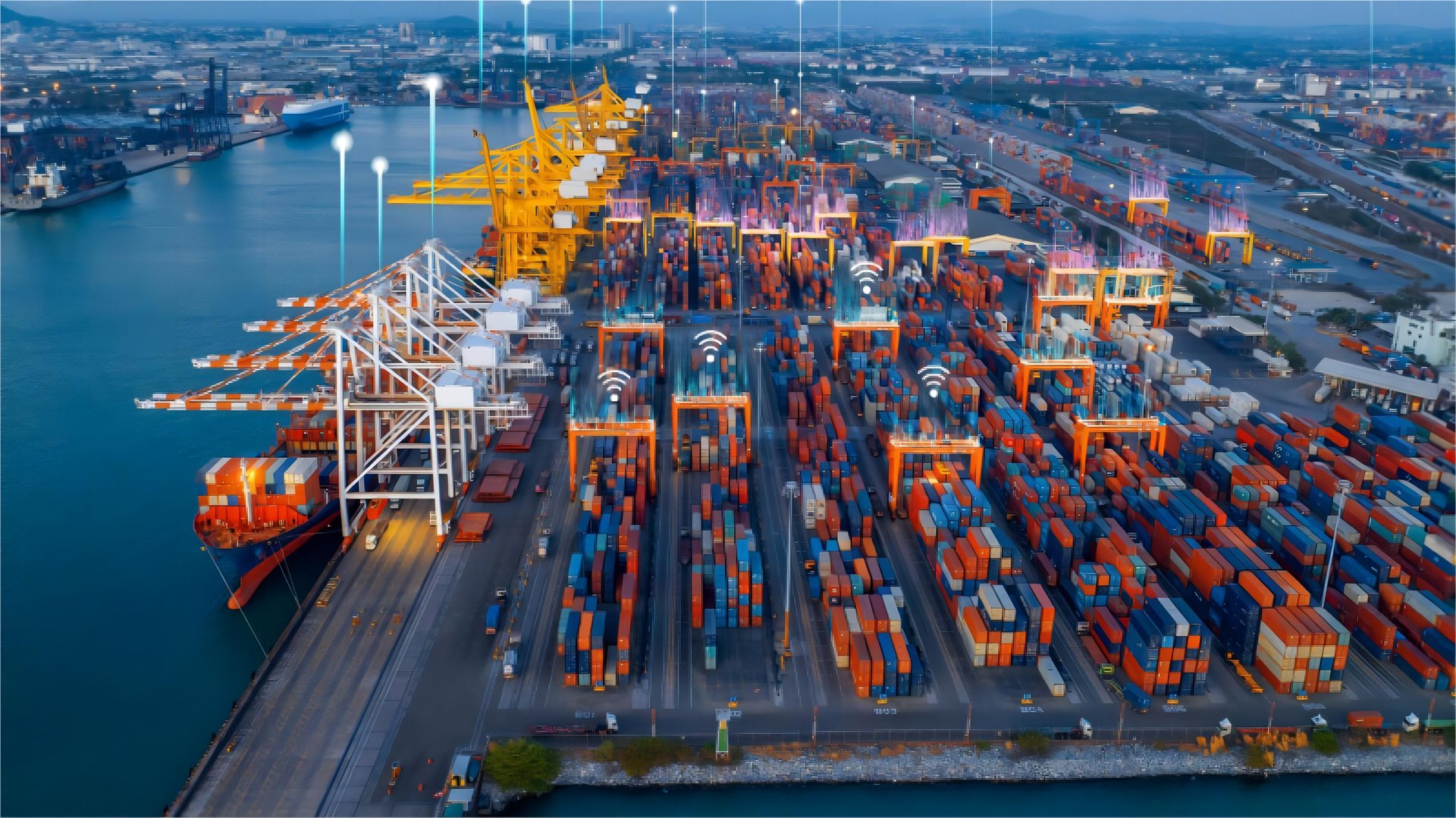
Moreover, the industry is seeing an increase in digital tracking technologies. Consequently, importers can now monitor their ddp container shipping australia in real-time, providing better visibility for supply chain planning.
| Port of Loading | Port of Discharge | Transit (Days) | Service Type |
|---|---|---|---|
| Shanghai | Sydney | 14-16 | Direct |
| Shenzhen | Melbourne | 12-15 | Direct |
| Ningbo | Brisbane | 15-18 | Direct |
| Qingdao | Fremantle | 20-25 | Transshipment |
Real-World Case Studies: DDP Shipments to Australia
To better understand how ddp container shipping australia works in practice, let us look at two recent examples from early 2026. These cases highlight the costs and timelines associated with different cargo types.
Case Study 1: Furniture Import to Melbourne. A retailer imported a 40HQ container of home furniture from Foshan. By using DDP, they avoided the complexity of managing local Australian port charges and GST payments manually.
Case Study 2: Electronics LCL to Sydney. A small business imported 5 CBM of consumer electronics from Shenzhen. DDP allowed them to receive the goods directly at their office without needing a customs license.
Case Study 1: Bulk Furniture Shipment
Route: Foshan, China to Melbourne, Australia. Cargo: Home Furniture, 65 CBM. Container: 40HQ. Carrier: COSCO. Port of Loading: Nansha. Port of Discharge: Melbourne. Route Type: Direct.
Cost Breakdown: Ocean Freight: $1,900. Origin Charges: $450. Destination Charges: $600. Customs & Duties: $2,200. Total Landed Cost: $5,150. Timeline: Booking to Loading: 4 days. Sea Transit: 15 days. Customs: 2 days. Total: 21 days.
Key Insight: Using FCL for furniture minimized damage risks and provided a lower cost per cubic meter compared to LCL.
Case Study 2: LCL Electronics Shipment
Route: Shenzhen, China to Sydney, Australia. Cargo: Electronics, 5 CBM, 1200kg. Container: LCL. Carrier: Major Carrier. Port of Loading: Yantian. Port of Discharge: Sydney. Route Type: Direct.
Cost Breakdown: Ocean Freight: $450. Origin Charges: $150. Destination Charges: $250. Customs & Duties: $800. Total Landed Cost: $1,650. Timeline: Booking to Loading: 3 days. Sea Transit: 14 days. Customs: 3 days. Total: 20 days.
Key Insight: DDP made this small shipment viable for a first-time importer by removing the need for a local customs agent.
Which Option Should You Choose?
Selecting the right method for shipping from china to australia depends on your specific business needs and budget. If you prioritize convenience and price certainty, DDP is undoubtedly the best choice.
Budget priority: If you have a dedicated logistics team in Australia, you might save a small amount by using DAP or FOB. However, be prepared to handle the administrative burden and unexpected port fees.
Speed priority: For urgent stock replenishment, DDP air freight is the fastest option, though significantly more expensive. For most standard retail goods, DDP sea freight offers the best balance of cost and speed.
Cargo type: Perishable goods or hazardous materials may require specialized handling that not all DDP providers offer. Always verify that your forwarder has experience with your specific product category.
Final Thoughts on DDP Container Shipping Australia
In conclusion, ddp container shipping australia represents the gold standard for convenience in international trade. By shifting the responsibility of duties and logistics to the seller, Australian businesses can focus on growth rather than paperwork.
Furthermore, the stability of the 2026 shipping market makes this an ideal time to establish robust DDP routes. Whether you are shipping FCL or LCL, the benefits of predictable costs and door-to-door delivery are clear.
Always remember to partner with an experienced freight forwarder who understands the nuances of Australian customs. This partnership will ensure your goods move through the supply chain without unnecessary delays or expenses.
Need a tailored shipping solution?
Ready to simplify your supply chain? Contact us today for a professional quote on ddp container shipping australia and let our experts handle the heavy lifting for you.