

Customs Clearance Auckland Imports: 2026 Logistics Guide
Navigating the complexities of customs clearance Auckland imports is a critical step for businesses looking to succeed in the New Zealand market. By partnering with Top Logistics, importers can efficiently manage their supply chain while avoiding costly border delays. This comprehensive guide explores the latest 2026 regulations and logistics strategies to ensure your cargo reaches its destination smoothly.
✦
What Is the Process for Customs Clearance Auckland Imports?
The process of managing customs clearance Auckland imports involves several mandatory steps regulated by the New Zealand Customs Service. Initially, every importer must ensure that their goods are correctly classified using the Harmonized System (HS) codes. Furthermore, you must submit an import entry electronically before the cargo arrives at the Port of Auckland or Auckland Airport.
Consequently, the accuracy of your documentation determines how quickly the authorities release your shipment. In addition to standard customs checks, many items require biosecurity clearance from the Ministry for Primary Industries (MPI). Therefore, working with an experienced partner helps mitigate the risk of inspections that could stall your delivery schedule.
Most businesses choose to utilize customs brokerage services to handle these technical filings. This approach minimizes errors and ensures compliance with the latest 2026 trade regulations. Moreover, digital systems have streamlined the communication between carriers and border agencies, allowing for faster processing than in previous years.
Essential Documents for Importing into Auckland
Successful customs clearance Auckland imports rely heavily on the quality of your paperwork. For instance, the commercial invoice must clearly state the value, origin, and description of the goods. Additionally, a packing list is required to detail the contents of each container or pallet.
Meanwhile, the Bill of Lading or Air Waybill serves as the contract of carriage and proof of ownership. Without these documents, the cargo cannot legally enter the country. Indeed, missing information is the leading cause of port congestion and unexpected storage fees for New Zealand businesses.
| Document Type | Required For | Key Information | Issuer |
|---|---|---|---|
| Commercial Invoice | All Shipments | Value and HS Code | Seller/Exporter |
| Packing List | Bulk/FCL/LCL | Weight and Volume | Exporter |
| Bill of Lading | Sea Freight | Tracking and Title | Shipping Line |
| MPI Declaration | Biosecurity | Risk Materials | Importer/Agent |
How Does Auckland Import Clearance Compare to Other Shipping Options?
When planning your logistics, you must decide which transport mode best suits your budget and timeline. For example, sea freight remains the most cost-effective solution for large volumes of goods. On the other hand, air freight offers unmatched speed for high-value or urgent inventory.
Moreover, the choice of method significantly impacts the complexity of customs clearance Auckland imports. Sea shipments often face more rigorous biosecurity checks due to the nature of containerized transport. In contrast, air cargo usually moves through the terminal faster but at a much higher price point per kilogram.
| Method | Cost Range | Transit Time | Best For |
|---|---|---|---|
| Sea Freight (FCL) | $1,500 – $2,800 | 14-22 Days | Large Inventory |
| Air Freight | $6.00 – $12.00/kg | 3-6 Days | Urgent Goods |
| Express Service | $15.00 – $25.00/kg | 2-4 Days | E-commerce/Samples |
Which Shipping Option Should You Choose?
Selecting the right strategy depends on your specific business priorities and the nature of your cargo. If your primary goal is to minimize shipping costs, sea freight is the logical choice for shipments exceeding 2 cubic meters. However, if you are dealing with seasonal trends or stockouts, air freight provides the necessary agility.
Furthermore, consider the de minimis threshold for New Zealand imports, which affects how duties are calculated for low-value goods. For shipments under 1,000 NZD, the process is significantly simpler and often avoids GST at the border. Nevertheless, for commercial-scale imports, you must factor in the full cost of duties and maritime security fees.
Case Study 1: Electronics from Shenzhen to Auckland
Case Study: High-Volume Electronics Import. Route: Shenzhen, China to Auckland, NZ. Cargo: Consumer Electronics, 28 CBM, 4,500 kg. Container: 20GP. Shipping Details: Carrier: Major Ocean Carrier. Port of Loading: Shenzhen. Port of Discharge: Auckland. Route Type: Direct.
Cost Breakdown: Ocean Freight: $1,650. Origin Charges: $350. Destination Charges: $420. Customs and Duties: $2,100. Total Landed Cost: $4,520. Timeline: Booking to Loading: 4 days. Sea Transit: 18 days. Customs Clearance: 2 days. Total Door-to-Door: 24 days.
Key Insight: By using a direct sea route, the importer saved 15 percent on freight costs compared to transshipment via Singapore. Consequently, the shipment arrived ahead of the Q1 2026 sales peak.
Case Study 2: Industrial Parts via Air Freight
Case Study: Urgent Machinery Components. Route: Shanghai, China to Auckland, NZ. Cargo: Precision Parts, 0.5 CBM, 120 kg. Shipping Method: Air Freight. Port of Loading: Shanghai Pudong (PVG). Port of Discharge: Auckland (AKL).
Cost Breakdown: Air Freight: $980. Origin Charges: $120. Destination Charges: $150. Customs and Duties: $450. Total Landed Cost: $1,700. Timeline: Booking to Loading: 1 day. Air Transit: 2 days. Customs Clearance: 1 day. Total Door-to-Door: 4 days.
Key Insight: Although the per-kilogram cost was high, the rapid transit time prevented a factory shutdown in Auckland. This demonstrates when speed outweighs the importance of low shipping costs.
Cost-Saving Strategies for Auckland Imports
To reduce the total landed cost of your goods, you should explore several alternative strategies. Firstly, consolidating multiple small shipments into a single Less than Container Load (LCL) can lower your freight rates. Secondly, ensure your supplier provides accurate weights and measures to avoid surprise surcharges at the port.
Additionally, utilizing door to door services can simplify your billing and reduce the number of intermediaries. This often results in better transparency and lower administrative overhead. Finally, always verify if your products qualify for any free trade agreements between China and New Zealand to reduce duty obligations.
Managing Biosecurity and MPI Requirements
New Zealand has some of the strictest biosecurity laws in the world to protect its unique environment. Therefore, customs clearance Auckland imports always involve an MPI assessment. If your cargo contains wood packaging, it must be treated and marked according to ISPM 15 standards.
Furthermore, certain goods like food, plant products, and used machinery require specific import permits. Failure to provide these permits can lead to the destruction or re-export of your goods at your expense. Consequently, checking the MPI import health standards before shipping is a mandatory step for any professional importer.
Logistics Trends and Market Outlook for 2026
As of early 2026, the Auckland logistics market has stabilized following the global supply chain disruptions of previous years. Freight rates from major Asian hubs to New Zealand are currently in a sustainable range, although fuel surcharges remain volatile. Moreover, there is an increasing shift toward sustainable shipping practices and carbon-neutral logistics solutions.
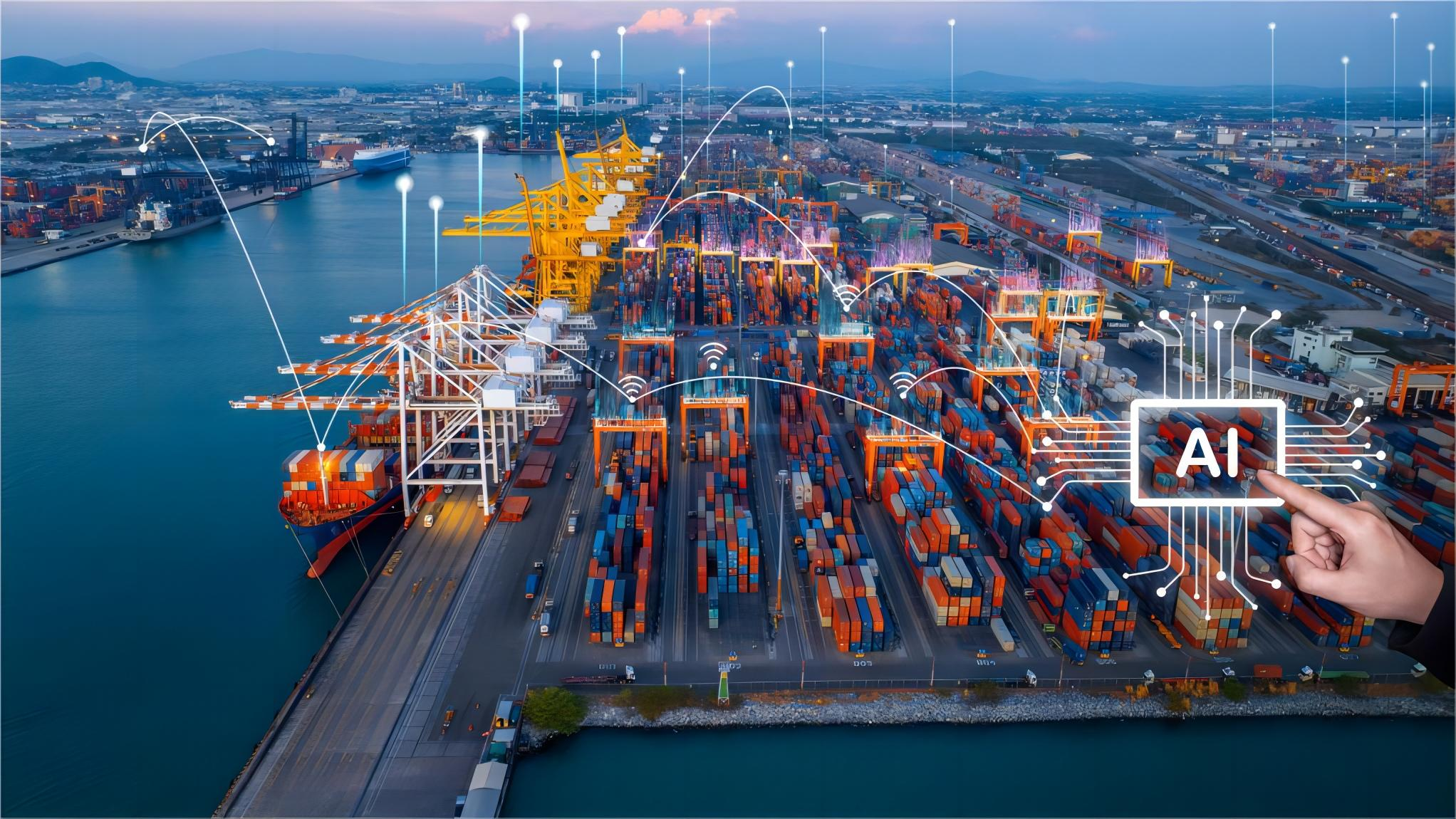
Digital transformation is also playing a significant role in customs clearance Auckland imports. The adoption of blockchain for documentation and AI-driven risk assessment has reduced the average clearance time by 20 percent compared to 2024. Importers who embrace these technologies will likely gain a competitive advantage in the coming years.
Why Partner with a Freight Forwarder for Auckland?
Managing international trade requires a deep understanding of maritime law and local regulations. A professional freight forwarder can manage everything from shipping from China to Australia and the wider Oceania region. They act as your advocate at the border, ensuring that your interests are protected.
In addition, they provide real-time tracking and proactive communication regarding any potential delays. This level of service is invaluable for maintaining a reliable supply chain. Ultimately, the cost of hiring an expert is often offset by the savings gained through efficient routing and the avoidance of customs penalties.
Mastering Your Auckland Import Strategy
Successfully managing customs clearance Auckland imports requires a combination of careful planning, accurate documentation, and the right logistics partners. By understanding the various shipping methods and regulatory requirements, you can ensure your goods arrive on time and within budget.
As the New Zealand market continues to evolve in 2026, staying informed about logistics trends and biosecurity rules will remain essential. Whether you choose sea or air freight, the key to success lies in maintaining a transparent and efficient supply chain from origin to destination.
Note: Freight rates are subject to change based on fuel costs, carrier capacity, and seasonal demand. Contact us for a current quote tailored to your specific shipment.