

China to New Zealand Transit Time Shipping: 2026 Logistics Guide
Shipping from China to New Zealand requires a strategic approach to balance speed and cost in the modern supply chain. Whether you are importing retail goods or industrial machinery, understanding the china to new zealand transit time shipping variables is the first step toward successful logistics management. Businesses must navigate fluctuating port conditions and seasonal demand to ensure their inventory arrives on schedule. This comprehensive guide provides the latest data for 2026 to help you optimize your shipping strategy from major Chinese hubs to New Zealand ports.

How Does Sea Freight Compare to Other Shipping Options?
Selecting the right transport mode depends heavily on your budget and urgency requirements. While sea freight remains the most popular choice for bulk commodities, alternatives like air freight and express courier services offer significant time savings for smaller shipments. Furthermore, comparing these options helps businesses identify where they can trim costs without compromising their delivery schedules.
Specifically, ocean freight provides the lowest cost per unit for large volumes, making it ideal for FCL shipments. Conversely, express services bypass much of the traditional port handling, allowing for rapid door-to-door delivery. Notably, the logistics landscape in 2026 shows a trend toward hybrid solutions that combine the reliability of sea routes with the speed of local distribution networks.
Regardless of the method, shippers should consider the total landed cost rather than just the initial freight rate. Consequently, factoring in customs duties, local trucking, and warehouse handling is essential for an accurate comparison. For businesses also looking at regional hubs, shipping from china to australia offers a similar transit profile but with different regulatory requirements.
| Shipping Method | Cost Range | Transit Time | Best For |
|---|---|---|---|
| Sea Freight FCL | $1,100 – $2,200 | 14-22 Days | Full Containers |
| Sea Freight LCL | $60 – $120/CBM | 18-25 Days | Small Pallets |
| Air Freight | $4.50 – $8.50/kg | 3-7 Days | Urgent Cargo |
| Express Service | $7.00 – $12.00/kg | 2-5 Days | Small Parcels |
Which Option Should You Choose?
Budget priority usually dictates a move toward sea freight, especially for shipments exceeding 15 CBM. If your cargo is under 100 kg, express services often become more economical due to reduced handling fees. High-value electronics or perishable goods almost always require air freight to minimize the risk of damage and depreciation during transit.
Sea Freight: FCL and LCL Transit Times
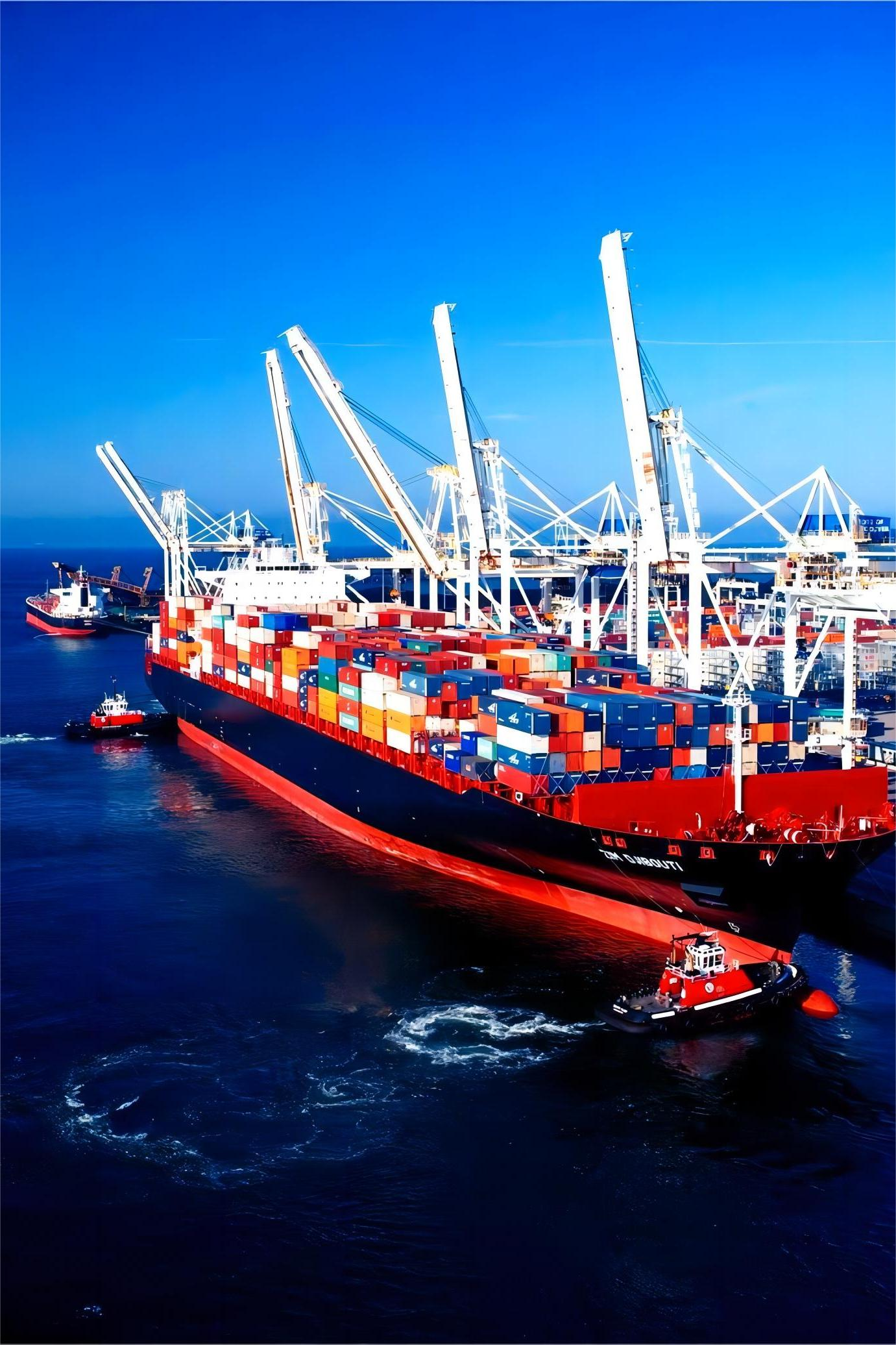
Utilizing sea freight is the most cost-effective way to move large quantities of goods across the Pacific. Transit times generally range from 14 to 25 days depending on the departure port in China and the arrival port in New Zealand. Moreover, direct sailings from Shanghai or Ningbo to Auckland are typically the fastest ocean routes available.
Full Container Load (FCL) shipments generally move faster than Less than Container Load (LCL) shipments because they do not require consolidation or deconsolidation. Additionally, FCL reduces the risk of cargo damage as the container remains sealed from the origin factory to the destination warehouse. Therefore, high-volume importers prefer FCL to maintain a tighter delivery schedule.
In contrast, LCL shipping allows smaller businesses to share container space, which lowers the entry cost for importing. However, this method adds approximately 3 to 5 days to the total transit time due to the necessary handling at Container Freight Stations (CFS). Subsequently, shippers must account for these extra days when planning their inventory cycles for the New Zealand market.
| China Port | NZ Port | Transit (Days) | Service Type |
|---|---|---|---|
| Shanghai | Auckland | 14-16 | Direct |
| Ningbo | Wellington | 18-21 | Transshipment |
| Shenzhen | Auckland | 15-17 | Direct |
| Qingdao | Lyttelton | 22-25 | Transshipment |
Major Port Transit Times
Direct routes from Shenzhen to Auckland typically take 15 days, while shipments to Wellington or Lyttelton may take slightly longer. Meanwhile, departures from Northern China ports like Qingdao might require 20 to 22 days of sea transit. Most carriers operate weekly schedules, so missing a booking window can delay your shipment by a full seven days.
Air Freight and Express: When Speed is Critical
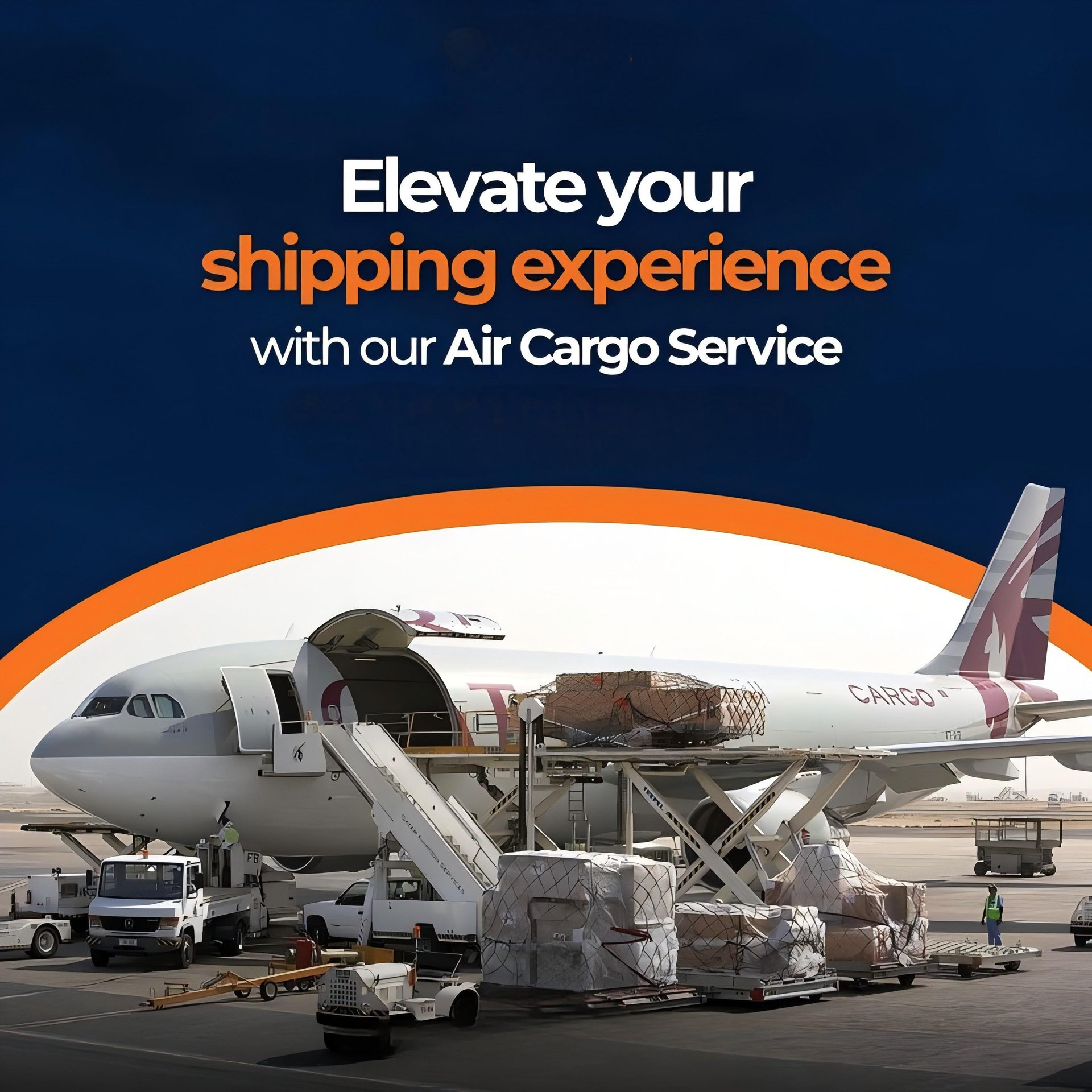
When your supply chain demands immediate replenishment, air freight provides the necessary speed to meet tight deadlines. Most air cargo from China reaches New Zealand airports like AKL or CHC within 3 to 7 days, including ground handling. Furthermore, air transport significantly reduces the lead time for seasonal products or urgent replacement parts.
Similarly, utilizing an express service is the fastest way to move documentation or small samples. These services offer a door-to-door solution that handles all customs formalities on behalf of the shipper. Consequently, express shipping is the preferred method for e-commerce businesses and startups testing the New Zealand market.
Market data suggests that air freight rates in 2026 have stabilized, though they remain significantly higher than ocean rates. Indeed, the cost per kilogram is the primary trade-off for the rapid transit time. Nevertheless, for high-value items where the cost of a stockout exceeds the freight premium, air transport is the logical choice.
Real-World Logistics Case Studies
Analyzing real-world scenarios helps importers understand the practical application of different shipping methods. These cases reflect typical shipments handled during the 2025-2026 period, highlighting costs and timelines. Moreover, they illustrate how different cargo types require specific logistics strategies to ensure successful delivery.
Case Study 1: Electronics from Shanghai. Route: Shanghai to Auckland. Cargo: Solar Panels, 18 CBM, 4500 kg. Container: 20GP. Shipping Details: Carrier: Maersk, Port of Loading: Shanghai, Port of Discharge: Auckland, Route Type: Direct. Cost Breakdown: Ocean Freight: $1,150, Origin Charges: $250, Destination Charges: $320, Customs & Duties: $1,800, Total Landed Cost: $3,520. Timeline: Booking to Loading: 4 days, Sea Transit: 14 days, Customs Clearance: 2 days, Total Door-to-Door: 20 days. Key Insight: Direct routes from Shanghai offered the most stability during the Q1 2026 peak.
Case Study 2: Clothing from Shenzhen. Route: Shenzhen to Wellington. Cargo: Apparel, 5 CBM, 1200 kg. Container: LCL. Shipping Details: Carrier: Major Carrier, Port of Loading: Shenzhen, Port of Discharge: Wellington, Route Type: Transshipment via Singapore. Cost Breakdown: Ocean Freight: $450, Origin Charges: $150, Destination Charges: $200, Customs & Duties: $600, Total Landed Cost: $1,400. Timeline: Booking to Loading: 5 days, Sea Transit: 25 days, Customs Clearance: 3 days, Total Door-to-Door: 33 days. Key Insight: Transshipment adds significant time but reduces costs for smaller volumes.
Case Study 3: Medical Equipment from Guangzhou. Route: Guangzhou to Christchurch. Cargo: Medical Devices, 0.5 CBM, 80 kg. Method: Air Freight. Shipping Details: Carrier: Air China, Port of Loading: Guangzhou, Port of Discharge: Christchurch, Route Type: Direct. Cost Breakdown: Air Freight: $550, Origin Charges: $100, Destination Charges: $150, Customs & Duties: $300, Total Landed Cost: $1,100. Timeline: Booking to Loading: 2 days, Air Transit: 2 days, Customs Clearance: 2 days, Total Door-to-Door: 6 days. Key Insight: Air freight is essential for sensitive equipment requiring rapid deployment.
Navigating Customs and Documentation
Efficient customs brokerage is vital to prevent delays once your cargo arrives in New Zealand. The NZ Customs Service requires precise documentation, including the commercial invoice, packing list, and bill of lading. Additionally, certain products may require specific permits from the Ministry for Primary Industries (MPI) to pass biosecurity checks.
Furthermore, ensuring that your HS codes are accurate will prevent overpayment of duties or potential fines. Most importers work with professional brokers to manage these complexities and ensure compliance with the latest 2026 regulations. Consequently, proactive document preparation can save several days of transit time by facilitating pre-clearance.
Typical rates as of early 2026 for customs entry fees range from $50 to $150 per shipment, excluding duties and GST. In addition, MPI inspections for high-risk goods can add $100 to $300 in costs. Therefore, factoring these expenses into your initial budget is crucial for maintaining profitability.
| Document Name | Purpose | Required For | Timeline |
|---|---|---|---|
| Commercial Invoice | Value Declaration | All Shipments | Before Loading |
| Packing List | Cargo Verification | All Shipments | Before Loading |
| Bill of Lading | Title of Goods | Sea Freight | Departure |
| MPI Declaration | Biosecurity | Wood/Food/Plants | Arrival |
Strategies to Reduce Shipping Costs
Implementing a door to door strategy can often simplify your logistics and reveal hidden cost-saving opportunities. By consolidating the entire transport chain under one provider, you reduce the number of middleman markups. Moreover, this approach provides better visibility into the china to new zealand transit time shipping progress.
Another effective strategy involves optimizing your packaging to maximize container utilization. Specifically, reducing empty space in your boxes can lower your LCL costs or allow you to fit more units into an FCL container. Additionally, shipping during the off-peak season (February to April) can result in rates that are 15-25% lower than the Q4 peak.
Finally, negotiating long-term contracts with freight forwarders can provide price stability in a volatile market. While spot rates may occasionally be lower, contract rates protect your business from sudden price spikes during periods of high demand. Indeed, consistency is often more valuable than chasing the absolute lowest price for individual shipments.
Final Thoughts on China to New Zealand Logistics
Navigating the china to new zealand transit time shipping landscape in 2026 requires a balance of speed, cost, and reliability. By understanding the differences between sea and air freight, and preparing for customs requirements in advance, you can ensure a smooth import process. Furthermore, leveraging professional logistics services allows you to focus on your core business while experts handle the complexities of international trade. Whether you choose FCL, LCL, or express shipping, staying informed about market trends will remain your greatest advantage.
Note: Freight rates are subject to change based on fuel costs, carrier capacity, and seasonal demand. Contact us for a current quote tailored to your specific shipment.
Get Your Shipping Quote Today
Ready to optimize your supply chain and secure the best china to new zealand transit time shipping rates? Contact our logistics experts today to receive a personalized quote and professional guidance for your next shipment. Send Inquiry: Visit https://toplogisticslt.com/
Request Quote