


China to Guam Cargo Shipping: Complete 2026 Logistics Guide
Navigating the complexities of china to guam cargo shipping requires a strategic approach to ensure timely and cost-effective delivery. Businesses frequently face challenges with fluctuating rates and port congestion, but professional logistics management provides a reliable solution. For comprehensive support, visit toplogisticslt.com to streamline your international trade operations today.
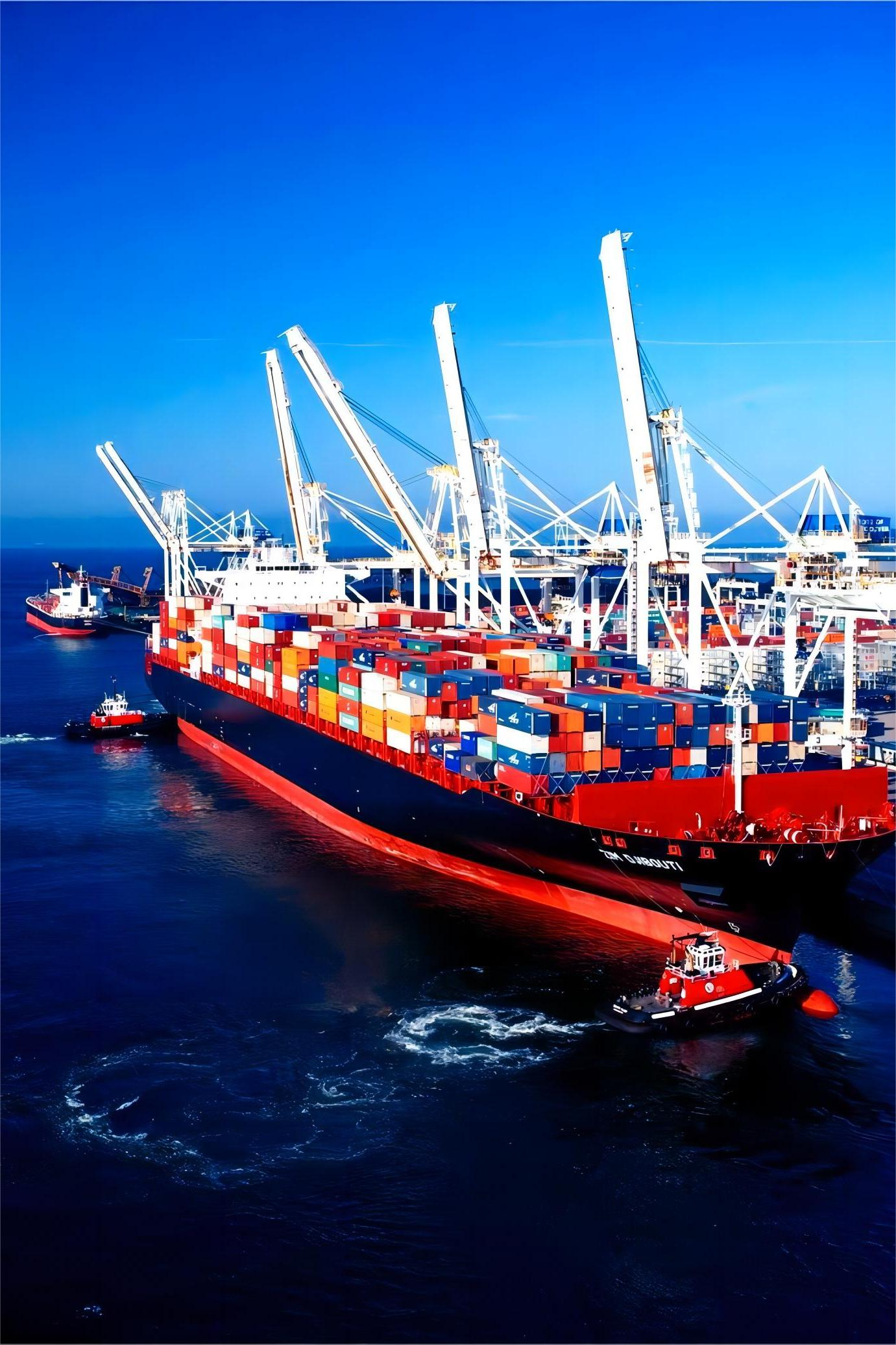
Understanding China to Guam Cargo Shipping Logistics
Shipping goods from the manufacturing hubs of China to the strategic island of Guam involves unique geographical considerations. Since Guam is a US territory in the Western Pacific, it serves as a vital hub for regional trade and military logistics. Consequently, shippers must understand both international maritime laws and specific local regulations.
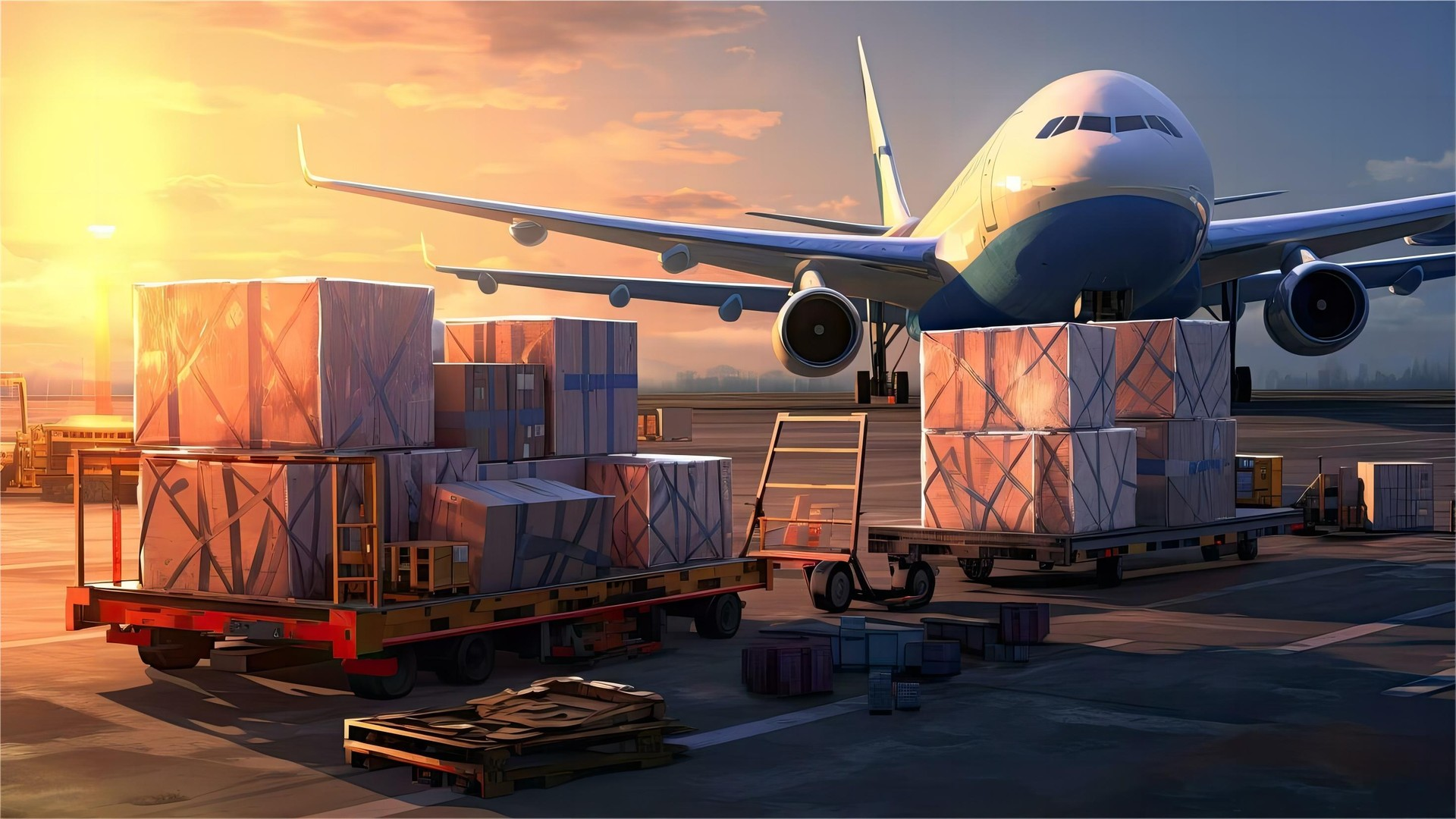
Moreover, the distance between major Chinese ports like Shanghai or Shenzhen and Guam requires efficient route planning. Most cargo arrives via ocean transit, although air freight remains a popular choice for high-value or urgent items. Therefore, selecting the right freight forwarder is essential for navigating these specific transpacific corridors.
Additionally, the 2026 market has seen a stabilization in rates after previous global disruptions. Shippers are now focusing on reliability and visibility within their supply chains to maintain competitive advantages. Meanwhile, technological advancements in tracking have made it easier to monitor shipments in real-time.
How Does Sea Freight Compare to Other Shipping Options?
When evaluating china to guam cargo shipping, sea freight stands out as the most economical method for large volumes. Specifically, businesses moving heavy machinery or bulk retail goods benefit significantly from lower per-unit costs. However, the transit time is considerably longer than air-based alternatives.
In contrast, air freight offers unparalleled speed for time-sensitive deliveries. While sea freight may take several weeks, air transport can deliver goods within a matter of days. Nevertheless, the cost difference is substantial, often making air freight ten times more expensive for the same weight.
Furthermore, express services provide a middle ground for smaller parcels. These services combine the speed of air transport with the convenience of door-to-door handling. Consequently, they are ideal for e-commerce businesses or urgent document transfers.
| Shipping Method | Cost Range | Transit Time | Best For |
|---|---|---|---|
| Sea Freight (FCL) | $1,800 – $3,200 | 18 – 25 Days | Large Bulk Shipments |
| Sea Freight (LCL) | $150 – $300/CBM | 22 – 30 Days | Small to Mid Loads |
| Air Freight | $5.50 – $9.00/kg | 3 – 7 Days | High Value/Urgent |
| Express Courier | $12 – $18/kg | 2 – 4 Days | Small Parcels |
Primary Ocean Freight Solutions for Guam
Utilizing sea freight is the backbone of trade for the Guam market. Shippers can choose between Full Container Load (FCL) and Less than Container Load (LCL) based on their cargo volume. For instance, FCL is ideal for those who have enough goods to fill a 20ft or 40ft container.
On the other hand, LCL allows multiple shippers to share space within a single container. This approach is highly cost-effective for smaller businesses that do not require a full container’s capacity. Additionally, it provides flexibility in inventory management by allowing more frequent, smaller shipments.
Notably, the Port of Guam, also known as Apra Harbor, is the primary entry point for all ocean cargo. Carriers like Matson and Maersk operate regular schedules from major Chinese ports. As a result, maintaining a consistent delivery schedule is possible with proper forward planning.
FCL vs LCL: Which Should You Choose?
Choosing between FCL and LCL depends largely on your total volume and budget. If your shipment exceeds 15 cubic meters, FCL usually offers the best value and security. Conversely, for shipments under 10 cubic meters, LCL is typically the more economical route despite slightly longer handling times.
Furthermore, FCL shipments generally face fewer risks of damage since the container is only opened at the destination. LCL cargo, however, undergoes more handling at consolidation warehouses. Therefore, fragile items might require enhanced packaging when shipped via LCL.
Air Freight Solutions for High-Priority Cargo
For many businesses, the speed of air freight is a critical component of their logistics strategy. When inventory levels are low or seasonal demand spikes, air transport ensures that shelves remain stocked. Indeed, the rapid transit time helps minimize the risk of lost sales due to stockouts.
Moreover, air cargo is often safer for delicate electronics or pharmaceutical products. The reduced time in transit and controlled environment of aircraft holds decrease the likelihood of environmental damage. Consequently, many tech companies prefer this method despite the higher financial investment.
In addition, air freight logistics involve complex scheduling with major carriers. Cargo usually routes through hubs like Tokyo or Honolulu before arriving at Antonio B. Won Pat International Airport. Accordingly, working with an experienced agent helps navigate these transshipment points efficiently.
Door to Door Services for Seamless Delivery
Implementing door to door shipping eliminates the stress of managing multiple logistics providers. This comprehensive service covers the entire journey from the factory in China to the final warehouse in Guam. As a result, shippers can focus on their core business activities while experts handle the transport details.
Furthermore, this model includes pickup, international transit, and final mile delivery. It is particularly beneficial for businesses without dedicated logistics departments. Meanwhile, the consolidated billing simplifies accounting and financial tracking for international shipments.
Additionally, door-to-door services often include basic insurance and tracking as standard features. This transparency provides peace of mind throughout the china to guam cargo shipping process. Therefore, it remains one of the most popular choices for modern importers.
Customs Clearance and Documentation Requirements
Navigating customs brokerage is a vital step in avoiding costly delays at the border. Because Guam follows US Customs and Border Protection (CBP) regulations, all documentation must be precise and compliant. For example, incorrect Harmonized System (HS) codes can lead to significant fines or cargo seizures.
Moreover, essential documents include the commercial invoice, packing list, and bill of lading. Certain items may also require specific certificates of origin or permits from federal agencies. Consequently, proactive document preparation is the best way to ensure a smooth clearance process.
Notably, working with a licensed broker can expedite the release of goods. These professionals understand the nuances of Guam’s local tax laws and federal import requirements. Indeed, their expertise often saves shippers more money in avoided delays than the cost of their service.
| Document Type | Description | Required By | Timeline |
|---|---|---|---|
| Commercial Invoice | Proof of purchase and value | CBP / Customs | At time of entry |
| Packing List | Detailed list of contents | Carrier / Customs | Before loading |
| Bill of Lading | Contract of carriage | Carrier | Issued at loading |
| ISF (10+2) | Security filing for ocean | CBP | 24hrs before loading |

Express Service for Small Shipments
When you need to send samples or small orders, an express service is often the most efficient choice. These providers offer end-to-end tracking and rapid delivery times, often reaching Guam in under five business days. Furthermore, the simplified customs process for low-value items speeds up delivery significantly.
Additionally, express shipping is ideal for e-commerce sellers who need to fulfill individual customer orders. The reliability of these services builds trust with consumers who expect fast shipping. However, for larger shipments, the costs can become prohibitive compared to traditional freight.
Therefore, it is wise to use express services strategically for high-margin or time-critical items. Most providers offer online portals for easy booking and label generation. Consequently, managing small-scale logistics becomes a much simpler task for growing businesses.
Real-World Case Studies for 2026 Shipping Routes
Examining real-world examples provides valuable insight into the practicalities of china to guam cargo shipping. These cases reflect actual market conditions as of early 2026, including current pricing and transit trends. By studying these scenarios, shippers can better estimate their own costs and timelines.
Case Study 1: Solar Panel Distribution Route: Shenzhen, China to Apra Harbor, Guam Cargo: 500 Solar Panels, 28 CBM, 12,000 kg Container: 1 x 40HQ (FCL) Shipping Details: – Carrier: Matson – Port of Loading: Shenzhen – Port of Discharge: Guam – Route Type: Direct Cost Breakdown: – Ocean Freight: $3,150 – Origin Charges: $450 – Destination Charges: $550 – Customs Duties: $0 (Renewable Energy Incentive) – Total Landed Cost: $4,150 Timeline: – Booking to Loading: 4 days – Sea Transit: 19 days – Customs Clearance: 2 days – Total Door-to-Door: 25 days Key Insight: Direct routing from Shenzhen minimized handling risks for fragile solar cells.
Case Study 2: Urgent Electronics Restock Route: Shanghai, China to Tamuning, Guam Cargo: High-end Laptops, 1.5 CBM, 450 kg Shipping Method: Air Freight Shipping Details: – Carrier: Major Air Cargo Carrier – Airport of Loading: Shanghai Pudong (PVG) – Airport of Discharge: Guam (GUM) – Route Type: Transshipment via Narita Cost Breakdown: – Air Freight: $3,375 ($7.50/kg) – Handling Fees: $200 – Customs Clearance: $150 – Total Landed Cost: $3,725 Timeline: – Pickup to Flight: 1 day – Air Transit: 3 days – Customs Clearance: 1 day – Total Door-to-Door: 5 days Key Insight: Air freight was essential to meet a product launch deadline despite the higher cost.
Case Study 3: Retail Furniture LCL Route: Ningbo, China to Dededo, Guam Cargo: Office Furniture, 8 CBM, 2,200 kg Shipping Method: Sea Freight (LCL) Shipping Details: – Carrier: Consolidation Service – Port of Loading: Ningbo – Port of Discharge: Guam – Route Type: Transshipment via Busan Cost Breakdown: – Ocean Freight: $1,440 ($180/CBM) – Origin Charges: $300 – Destination Charges: $400 – Customs Duties: $220 – Total Landed Cost: $2,360 Timeline: – Consolidation Time: 6 days – Sea Transit: 24 days – Customs Clearance: 3 days – Total Door-to-Door: 33 days Key Insight: LCL provided a budget-friendly option for a mid-sized furniture retailer.
Which Shipping Option Should You Choose for Guam?
Selecting the optimal shipping method depends on your specific business priorities and cargo characteristics. If your primary goal is budget conservation, sea freight is undoubtedly the superior choice for large shipments. However, you must account for the longer lead times in your inventory planning.
For those prioritizing speed, air freight or express services are necessary. These options are particularly suitable for perishable goods or high-value items where the cost of capital tied up in transit is high. Consequently, the faster turnover of inventory can often offset the higher shipping rates.
Hybrid solutions also exist, such as sea-air combinations, though these are less common for the Guam route. Most shippers find that a mix of FCL for base stock and air freight for emergency refills provides the best balance. Therefore, a diversified logistics strategy is often the most resilient approach.
Note: Freight rates are subject to change based on fuel costs, carrier capacity, and seasonal demand. Contact us for a current quote tailored to your specific shipment.
Final Thoughts on Shipping to Guam
In summary, successful china to guam cargo shipping relies on a deep understanding of transit modes, costs, and customs requirements. By choosing between sea and air freight based on your volume and urgency, you can maintain a lean and efficient supply chain. Additionally, partnering with an experienced freight forwarder ensures that your documentation is always in order.
As we move through 2026, staying informed about market trends and logistics innovations will remain a key competitive advantage. Whether you are shipping bulk industrial goods or small retail parcels, the right strategy makes all the difference. Start planning your next shipment today to ensure your goods arrive safely and on time in Guam.

Ready to streamline your logistics?
Ready to optimize your china to guam cargo shipping strategy for 2026? Contact our expert logistics team today for a personalized quote and professional guidance. Visit our website to learn more about our comprehensive freight services and how we can help your business grow through efficient global trade. Send Inquiry: Visit toplogisticslt.com
Request Quote