


China to Australia Import Service: 2026 Shipping Rates and Logistics Guide
Developing a robust supply chain requires a specialized china to australia import service that can handle the complexities of international trade. As we move into 2026, the logistics corridor between these two nations has become more efficient, yet it still demands careful planning to avoid hidden costs. Consequently, businesses must leverage professional expertise to ensure their cargo moves seamlessly from Chinese factories to Australian warehouses. This guide provides a comprehensive overview of shipping methods, customs requirements, and cost-saving strategies for the modern importer.
What are the Primary Shipping Methods for a China to Australia Import Service?
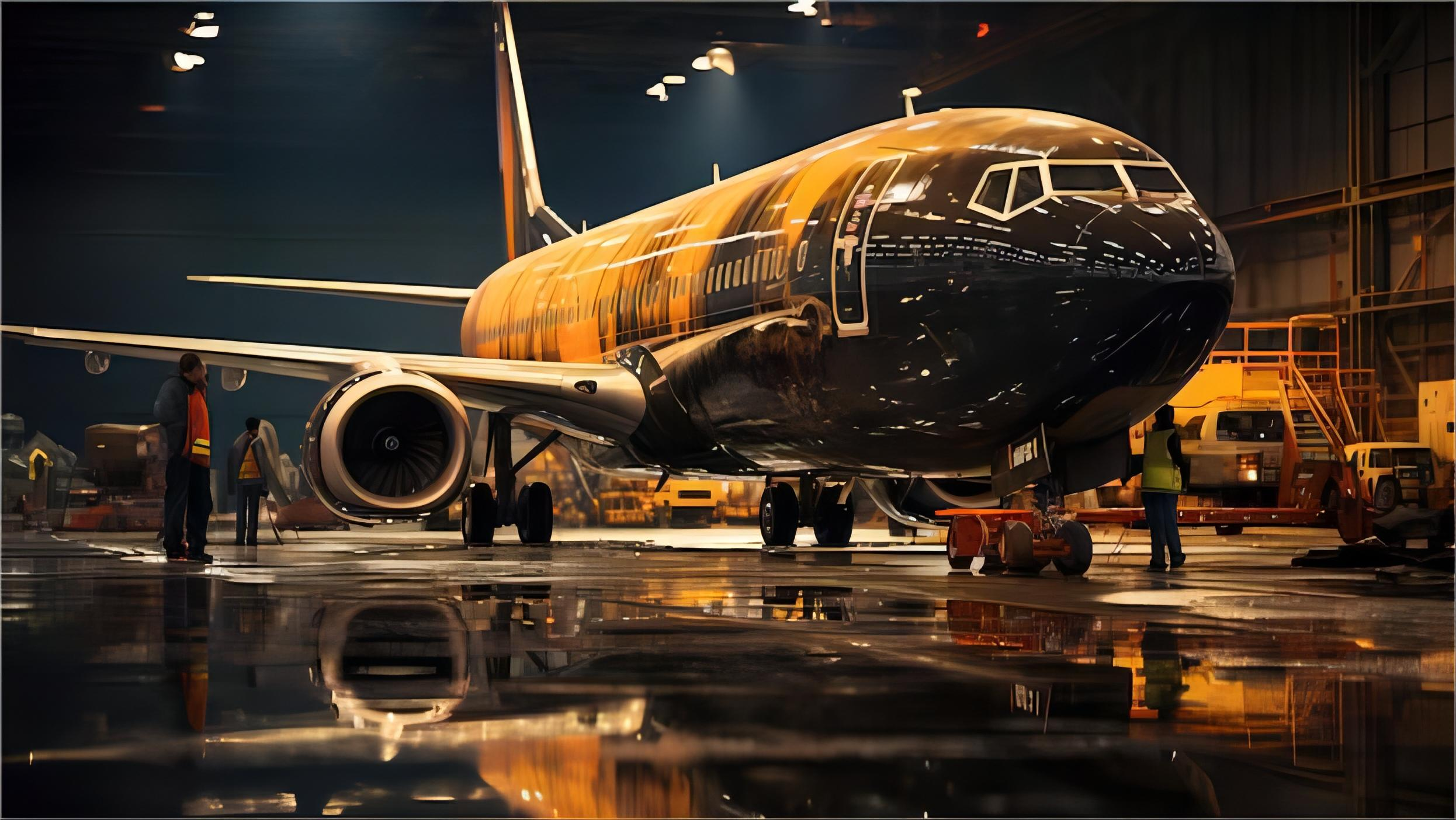
Selecting the right shipping method is the most critical decision in your logistics strategy. For instance, most businesses rely on sea freight because it offers the best balance between capacity and cost for large volumes. In contrast, time-sensitive shipments usually require air freight to meet tight deadlines.
Moreover, the choice between Full Container Load (FCL) and Less than Container Load (LCL) depends heavily on your specific cargo volume. FCL is generally more secure and faster for larger shipments, whereas LCL allows smaller businesses to share container space and reduce overhead. Additionally, the rise of e-commerce has popularized Amazon FBA services, which streamline the process for online retailers.
Furthermore, modern logistics providers now offer hybrid solutions that combine the speed of air with the economy of sea. However, these are less common for the direct China-Australia route compared to long-haul European paths. Therefore, most importers focus on optimizing their sea or air schedules based on seasonal demand and port congestion levels in 2026.
| Method | Cost Range | Transit Time | Best For |
|---|---|---|---|
| Sea Freight (FCL) | $1,200 – $2,000 | 12-18 Days | Bulk Goods |
| Sea Freight (LCL) | $50 – $90/CBM | 15-22 Days | Small Shipments |
| Air Freight | $4.50 – $7.50/kg | 3-7 Days | High-Value Items |
| Express Courier | $7.00 – $12.00/kg | 2-4 Days | Samples/Urgent |
How Does Sea Freight Compare to Other Shipping Options?
Analyzing the trade-offs between different transport modes is essential for maintaining a healthy profit margin. While sea freight remains the backbone of the China to Australia import service, it is not always the most efficient choice for every scenario. For example, a 40HQ container might cost $1,800 in early 2026, but the same volume via air would be prohibitively expensive for low-margin goods.
On the other hand, air freight provides a level of security and speed that sea transport cannot match. Consequently, high-tech electronics or fashion items with short shelf lives often justify the higher expenditure. Meanwhile, sea freight requires a longer lead time, which means businesses must carry more inventory to mitigate the risk of stockouts.
Additionally, importers should consider the environmental impact and fuel surcharges which fluctuate throughout the year. Indeed, 2026 has seen a shift toward more sustainable shipping practices, with some carriers offering carbon-offset options for Australian routes. Accordingly, your choice of method should align with both your budget and your corporate social responsibility goals.
| Strategy | Cost Impact | Time Impact | Risk Level |
|---|---|---|---|
| Direct Sea Route | Standard | 12-15 Days | Low |
| Transshipment via SG | 10% Lower | 18-25 Days | Medium |
| Sea-to-Door | All-Inclusive | 15-20 Days | Low |
| Priority Air | 20% Higher | 2-3 Days | Very Low |
Alternative Strategy: Multi-Modal and Courier Services
For shipments that are too large for standard air freight but too urgent for sea, express services offer a middle ground. Specifically, express service providers handle the entire end-to-end process, including customs. This alternative is particularly effective for spare parts or high-priority retail restocks.
Another alternative strategy involves transshipment via Southeast Asian hubs like Singapore. While this can sometimes reduce costs by 10%, it typically adds 5-7 days to the transit time. Therefore, this approach is only recommended for non-urgent shipments where cost-saving is the absolute priority.
Which Shipping Option Should You Choose?
Deciding on the best logistics path requires a clear framework based on your business priorities. If your primary concern is the lowest possible landed cost, sea freight LCL or FCL is the undisputed winner. However, if you are launching a new product and need to hit a specific market window, air freight is the only viable solution.
Consider the volume thresholds that trigger a change in strategy. For instance, once a shipment exceeds 15 CBM, it often becomes more economical to book a 20GP container rather than paying for LCL space. Moreover, the type of cargo matters; hazardous materials or refrigerated goods require specialized handling that may limit your options to specific carriers.
Ultimately, a balanced approach often works best. For example, you might ship 20% of your stock via air to meet immediate demand and the remaining 80% via sea to keep your average shipping costs down. Without a doubt, this hybrid strategy helps maintain agility in the competitive Australian market.
Real-World Case Studies: China to Australia Logistics 2026
Reviewing actual shipping data provides a realistic expectation of costs and timelines. Below are two scenarios handled by professional freight forwarders in the current market environment. These examples illustrate the importance of choosing a comprehensive door to door service to simplify the process.
Note: Freight rates are subject to change based on fuel costs, carrier capacity, and seasonal demand. Contact us for a current quote tailored to your specific shipment.
Case Study 1: Electronics from Shenzhen to Sydney
Route: Shenzhen, China to Sydney, Australia. Cargo: Consumer Electronics, 3 CBM, 850 kg. Method: Sea Freight LCL. Port of Loading: Shenzhen. Port of Discharge: Sydney. Route Type: Direct.
Cost Breakdown: Ocean Freight: $240. Origin Charges: $150. Destination Charges: $280. Customs & Duties: $1,200. Total Landed Cost: $1,870. Timeline: Booking to Loading: 3 days. Sea Transit: 14 days. Customs Clearance: 2 days. Total Door-to-Door: 19 days.
Key Insight: Using LCL was 70% cheaper than air freight for this weight, allowing the importer to maintain a higher margin on the retail price. Based on Q1 2026 market rates.
Case Study 2: Furniture from Foshan to Melbourne
Route: Foshan, China to Melbourne, Australia. Cargo: Home Furniture, 68 CBM. Container: 40HQ. Port of Loading: Nansha. Port of Discharge: Melbourne. Route Type: Direct.
Cost Breakdown: Ocean Freight: $1,650. Origin Charges: $320. Destination Charges: $450. Customs & Duties: $2,100. Total Landed Cost: $4,520. Timeline: Booking to Loading: 5 days. Sea Transit: 17 days. Customs Clearance: 3 days. Total Door-to-Door: 25 days.
Key Insight: Proper documentation of the ChAFTA certificate of origin saved the importer 5% in import duties, significantly reducing the total landed cost. Typical rates as of early 2026.
Navigating Australian Customs and Duties with a Customs Brokerage
Managing the legal requirements of an import service is often the most daunting part for new businesses. Because Australia has strict biosecurity and customs regulations, any error in paperwork can lead to expensive delays or fines. Consequently, employing a professional customs brokerage is highly recommended to ensure compliance.
Furthermore, you must be aware of the Goods and Services Tax (GST) and potential import duties. Under the China-Australia Free Trade Agreement (ChAFTA), many goods qualify for zero or reduced tariffs. However, you must provide a valid Certificate of Origin to claim these benefits. Meanwhile, certain products like wood or organic materials require specific treatment and inspection by the Department of Agriculture, Fisheries and Forestry (DAFF).
Indeed, the digitalization of the Australian Border Force systems in 2026 has accelerated clearance times, but accuracy remains paramount. For instance, ensuring your HS codes are correctly classified can prevent your cargo from being held for manual inspection. Therefore, a proactive approach to documentation is the best way to avoid unnecessary storage fees at the port.
| Document | Purpose | Required By | Priority |
|---|---|---|---|
| Commercial Invoice | Value Declaration | Customs | Critical |
| Packing List | Content Verification | DAFF/Customs | Critical |
| Bill of Lading | Title to Goods | Carrier/Customs | Critical |
| ChAFTA Certificate | Duty Reduction | Customs | High |
Cost-Saving Strategies for Australian Importers in 2026
Reducing your logistics spend requires more than just finding the lowest freight rate. For example, optimizing your packaging can significantly reduce the CBM of your shipment, which is particularly beneficial for LCL and air freight. Additionally, consolidating shipments from multiple Chinese suppliers into a single container can save thousands of dollars in destination charges.
Another effective strategy is to book your shipments at least 2-3 weeks in advance. During peak seasons, such as the lead-up to Christmas or after the Chinese New Year, rates can spike by 20-30%. By securing space early, you avoid these premium surcharges. Moreover, consider using a freight forwarder who offers transparent, all-in pricing to avoid ‘hidden’ fees upon arrival in Australia.
Finally, always verify the Incoterms used in your purchase agreement. Shipping under FOB (Free on Board) terms gives you more control over the logistics process and costs compared to CIF (Cost, Insurance, and Freight). Consequently, you can choose your own freight forwarder and negotiate better rates directly. Without a doubt, these small adjustments can lead to substantial long-term savings.
Mastering Your China to Australia Import Strategy
In conclusion, successfully managing a china to australia import service requires a combination of strategic planning, the right shipping methods, and expert customs navigation. As we have explored, whether you choose the speed of air freight or the volume efficiency of sea freight, understanding the 2026 market landscape is essential for success.
By leveraging professional brokerage services and implementing cost-saving strategies like shipment consolidation and ChAFTA utilization, you can significantly improve your bottom line. Remember that logistics is a dynamic field; staying informed about transit times and regulatory changes will keep your business competitive in the Australian market.

Get Your Shipping Quote Today
Ready to optimize your supply chain with a reliable china to australia import service? Contact our expert team today for a tailored quote and seamless logistics experience. Visit https://toplogisticslt.com/ to get started.
Request Quote