

China to Australia Cargo Service: 2026 Shipping Guide and Rates
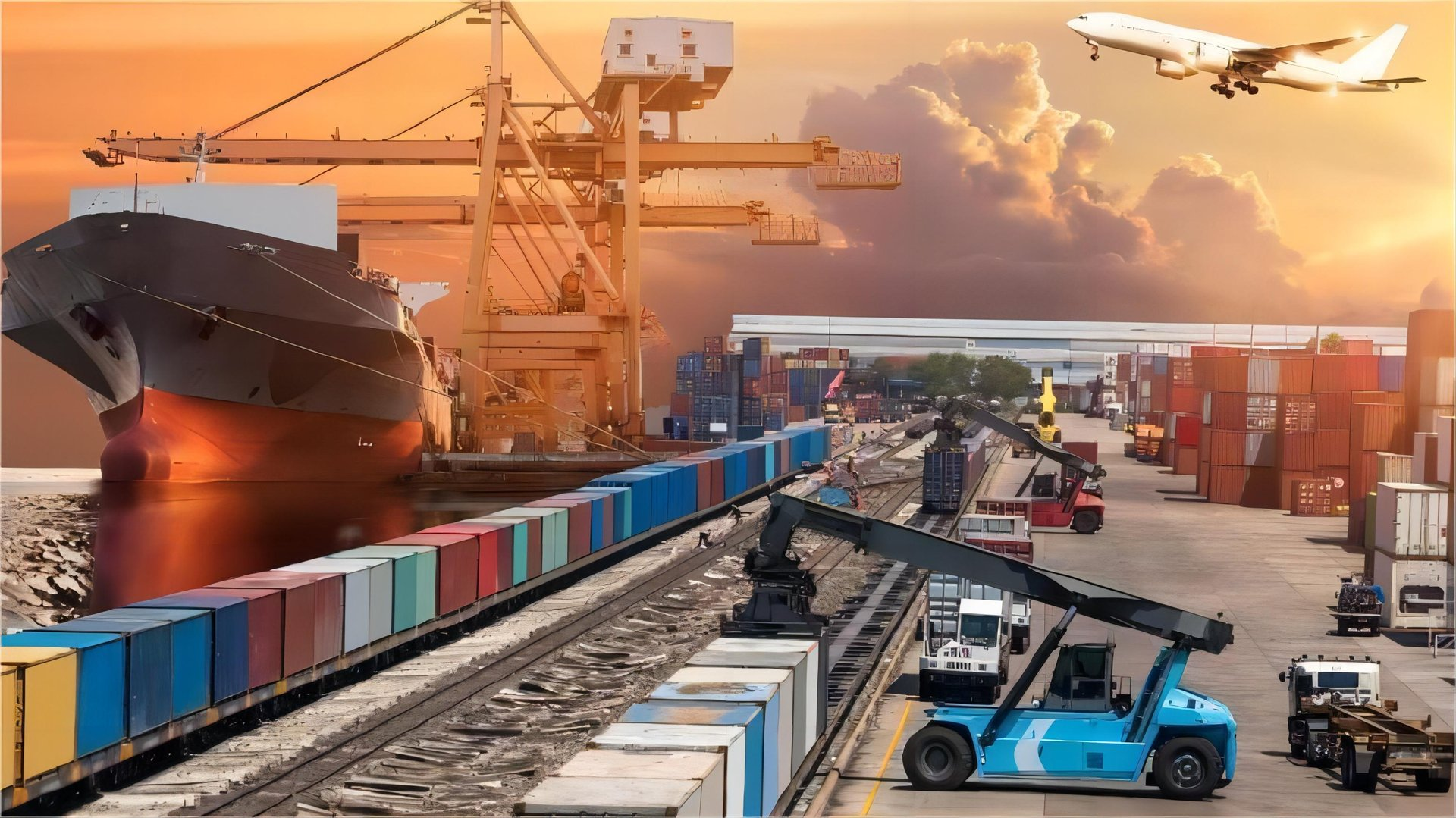
Navigating the complexities of international trade requires a dependable partner to manage your supply chain effectively. Finding a reliable china to australia cargo service is essential for businesses looking to minimize delays and reduce overhead costs in the competitive 2026 market. This comprehensive guide explores the best shipping methods, current freight rates, and strategic logistics solutions to ensure your goods arrive safely and on schedule. Whether you are importing electronics, textiles, or industrial machinery, understanding the nuances of the trans-Pacific route will empower your decision-making process.
Understanding Your China to Australia Cargo Service Options
Choosing the right transportation method depends heavily on your specific budget, timeline, and cargo volume. Most businesses primarily utilize sea freight because it offers the most cost-effective solution for large-scale shipments. Consequently, sea transport remains the backbone of the trade corridor between major Chinese ports and Australian hubs like Sydney and Melbourne.
Furthermore, you must decide between Full Container Load (FCL) and Less than Container Load (LCL) based on your inventory needs. FCL provides exclusive use of a container, which typically increases security and speed for high-volume orders. In contrast, LCL allows you to share container space with other shippers, making it an ideal choice for smaller batches or e-commerce logistics.
Additionally, the 2026 shipping landscape has seen improvements in port efficiency and digital tracking. Modern carriers now provide real-time updates, allowing you to monitor your cargo handling throughout the entire journey. Therefore, selecting a forwarder with advanced technology integration is more important than ever for maintaining a transparent supply chain.
How Does Sea Freight Compare to Other Shipping Options?
While sea freight is the most common choice, it is not always the most efficient for every business scenario. For instance, air freight offers significantly faster transit times, though it comes at a much higher price point per kilogram. Businesses must weigh the urgency of their delivery schedule against the potential savings of ocean transport.
Moreover, hybrid solutions like sea-air combinations have gained popularity in early 2026 for those seeking a middle ground. These strategies involve shipping by sea to a regional hub followed by air transport to the final destination. This approach can save approximately 30% on costs compared to pure air freight while still arriving faster than standard sea routes.
Specifically, the following table illustrates how different methods stack up against each other in the current market.
| Shipping Method | Cost Range | Transit Time | Best For | Limitations |
|---|---|---|---|---|
| Sea FCL | $800 – $2,000 | 12-18 Days | Bulk Goods | Port Congestion |
| Sea LCL | $50 – $100/CBM | 15-22 Days | Small Loads | Sorting Delays |
| Air Freight | $4 – $8/kg | 3-7 Days | High Value | High Cost |
| Express | $7 – $12/kg | 2-5 Days | Samples | Weight Limits |
Air Freight Solutions for Urgent Australian Shipments
When time is of the essence, utilizing air freight ensures your products reach the Australian market within days rather than weeks. This method is particularly beneficial for perishable items, high-tech components, or urgent replenishment of stock. Indeed, many retailers rely on air cargo to meet sudden spikes in consumer demand.
Additionally, air transport reduces the risk of damage or theft due to shorter handling times and stricter airport security. Although the environmental footprint is larger, the speed advantage often justifies the investment for time-sensitive cargo. Consequently, many businesses allocate a portion of their logistics budget specifically for emergency air shipments.
Moreover, the development of more fuel-efficient aircraft in 2025 and 2026 has helped stabilize air freight rates. While they remain higher than sea freight, the gap is narrowing for certain high-density goods. Therefore, you should always request a quote for both methods to see which offers the best value for your specific shipment.
Key Factors Influencing Shipping Costs in 2026
Several variables determine the final price of your china to australia cargo service, including fuel surcharges and seasonal demand. For example, during the peak season from August to October, freight rates typically increase by 15-25% as retailers prepare for the holiday period. Planning your shipments outside of these windows can lead to significant cost savings.
Furthermore, the choice of departure port in China can impact your total landed cost. Major hubs like Shanghai, Ningbo, and Shenzhen offer more frequent sailings and competitive rates due to high carrier volume. On the other hand, shipping from smaller inland ports might involve additional trucking costs to reach the coast.
Notably, the Australian government has implemented new environmental levies on certain shipping routes in early 2026. These regulations aim to reduce the carbon footprint of international trade but may add a small surcharge to your invoice. In addition, fluctuations in the exchange rate between the CNY and AUD can affect your overall procurement costs.
| Container Type | 20GP Rate | 40GP Rate | 40HQ Rate | Capacity |
|---|---|---|---|---|
| Standard | $850 – $1,100 | $1,300 – $1,700 | $1,500 – $1,900 | 33 – 76 CBM |
| Refrigerated | $1,400 – $1,800 | $2,200 – $2,800 | $2,500 – $3,200 | Temp Control |
| Open Top | $1,200 – $1,600 | $1,900 – $2,400 | $2,100 – $2,700 | Oversized |
Customs Brokerage and Import Regulations for Australia
Navigating the legal requirements of the Australian Border Force is a critical step in the import process. Utilizing a professional customs brokerage service helps ensure that all documentation is accurate and compliant with local laws. This reduces the risk of expensive fines or lengthy delays at the port of discharge.
Specifically, you must provide a commercial invoice, packing list, and a bill of lading for every shipment. Australia also has strict biosecurity laws, particularly for wood packaging and organic materials. Consequently, failing to provide a valid fumigation certificate can result in your cargo being quarantined or returned to the origin.
Furthermore, the ChAFTA (China-Australia Free Trade Agreement) continues to provide duty-free or reduced-tariff access for many goods. To benefit from these rates, you must provide a valid Certificate of Origin. Therefore, verifying the eligibility of your products before shipping is a vital part of your international shipping regulations strategy.

Door to Door Logistics: A Seamless Supply Chain Solution
Many businesses now prefer a door to door service to simplify their operations. This all-inclusive model covers everything from factory pickup in China to final delivery at your warehouse in Australia. By consolidating these steps, you reduce the number of intermediaries and minimize the risk of communication errors.
Moreover, this service often includes last-mile delivery, which is frequently the most complex part of the logistics chain. In Australia, this might involve specialized trucking services to reach regional areas or high-traffic urban centers like Sydney’s CBD. Consequently, a comprehensive provider can manage these local challenges more effectively than a fragmented network.
Additionally, for smaller e-commerce sellers, an express service can provide door-to-door delivery in as little as three days. This is ideal for fulfilling individual customer orders or shipping high-value samples. Indeed, the convenience of a single point of contact makes this an attractive option for growing enterprises.
Real-World Case Studies: China to Australia Logistics
Examining actual shipping scenarios provides valuable insights into the practicalities of the China-Australia route. These examples highlight how different businesses optimize their cargo handling to achieve better results. Based on Q1 2026 market data, these cases reflect current pricing and transit realities.
Specifically, the following cards detail the logistics journey of three different shipments, illustrating the diversity of cargo types and methods used in modern trade.
Package 1: Electronics Distribution Route: Shenzhen, China to Sydney, Australia Cargo: Consumer Electronics, 68 CBM, 14,000 kg Container: 40HQ Full Container Shipping Details: – Carrier: Major Ocean Carrier – Port of Loading: Shenzhen (Yantian) – Port of Discharge: Port Botany (Sydney) – Route Type: Direct Cost Breakdown: – Ocean Freight: $1,650 – Origin Charges: $320 – Destination Charges: $450 – Customs and Duties: $800 (Estimated) – Total Landed Cost: $3,220 Timeline: – Booking to Loading: 3 days – Sea Transit: 13 days – Customs Clearance: 2 days – Total Door-to-Door: 18 days Key Insight: Direct sailings from Shenzhen significantly reduced transit time during the Q1 2026 period.
Package 2: Urgent Medical Supplies Route: Shanghai, China to Melbourne, Australia Cargo: Medical Equipment, 2.5 CBM, 450 kg Container: Air Freight (Palletized) Shipping Details: – Carrier: International Air Cargo – Port of Loading: Shanghai Pudong (PVG) – Port of Discharge: Melbourne (MEL) – Route Type: Direct Flight Cost Breakdown: – Air Freight: $2,400 – Origin Charges: $150 – Destination Charges: $200 – Customs and Duties: $120 – Total Landed Cost: $2,870 Timeline: – Booking to Loading: 1 day – Air Transit: 14 hours – Customs Clearance: 1 day – Total Door-to-Door: 4 days Key Insight: Air freight was essential for meeting a critical hospital supply deadline in Victoria.
Package 3: Furniture Retailer Route: Ningbo, China to Brisbane, Australia Cargo: Wooden Furniture, 12 CBM, 3,200 kg Container: LCL (Shared Container) Shipping Details: – Carrier: LCL Consolidator – Port of Loading: Ningbo – Port of Discharge: Port of Brisbane – Route Type: Transshipment via Singapore Cost Breakdown: – Ocean Freight: $960 – Origin Charges: $180 – Destination Charges: $350 – Customs and Duties: $400 – Total Landed Cost: $1,890 Timeline: – Booking to Loading: 5 days – Sea Transit: 21 days – Customs Clearance: 3 days – Total Door-to-Door: 29 days Key Insight: LCL provided a cost-effective solution for a shipment that did not require a full 20GP container.
Which Option Should You Choose? Decision Framework
Determining the best china to australia cargo service requires a clear understanding of your priorities. If your primary goal is to minimize expenditure, sea freight (specifically LCL for smaller volumes) is almost always the superior choice. However, you must be prepared for the longer lead times associated with ocean transit.
Conversely, if you are shipping high-value items or face tight deadlines, air freight provides the necessary speed and security. For shipments weighing between 100kg and 500kg, the price difference between LCL and air freight often narrows, making air a more viable alternative than it initially appears.
Ultimately, you should consider a hybrid approach for a balanced supply chain. For example, ship 80% of your inventory via sea freight for cost efficiency and 20% via air freight to maintain stock levels. This strategy ensures you can respond to market changes without overextending your logistics budget.
Mastering Your China to Australia Cargo Service
Successfully managing a china to australia cargo service involves balancing speed, cost, and reliability. By understanding the differences between sea and air freight, and leveraging the benefits of FCL and LCL shipping, you can build a more resilient supply chain. Furthermore, staying informed about 2026 market trends and customs regulations will help you avoid common pitfalls and unnecessary expenses.
Indeed, the right logistics partner makes all the difference in navigating the trans-Pacific trade route. Whether you choose door-to-door delivery or port-to-port shipping, focus on clear communication and accurate documentation. Consequently, your business will be well-positioned to capitalize on the growing trade opportunities between China and the Australian market.
Start Your Shipment
Optimizing your china to australia cargo service starts with a customized quote from industry experts. Contact us today to receive a detailed breakdown of shipping costs and transit times tailored to your business needs. Visit our inquiry page to start your journey toward a more efficient supply chain. Send Inquiry: Visit toplogisticslt.com
Request Quote