

China Australia Cargo Logistics: 2026 Comprehensive Shipping Guide
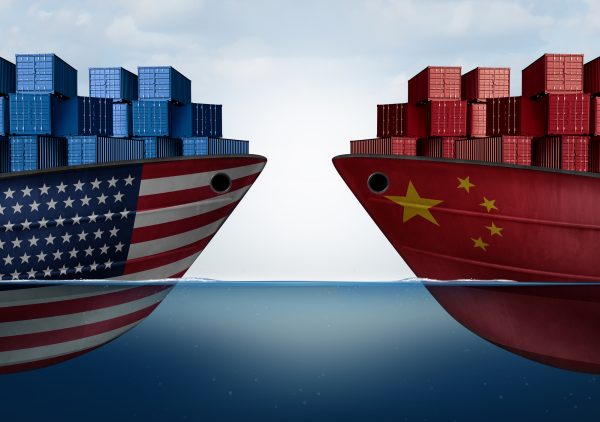
Navigating the complexities of China Australia cargo logistics requires a strategic approach to manage costs and timelines effectively. Whether you are a small business owner or a large enterprise, choosing the right partner like DSV-Freight can streamline your entire supply chain. This guide explores the latest trends, pricing, and methods for moving goods between these two major trading partners in 2026. Indeed, understanding the nuances of international trade is essential for maintaining a competitive edge in the Australian market.
What Are the Primary Modes for China Australia Cargo Logistics?
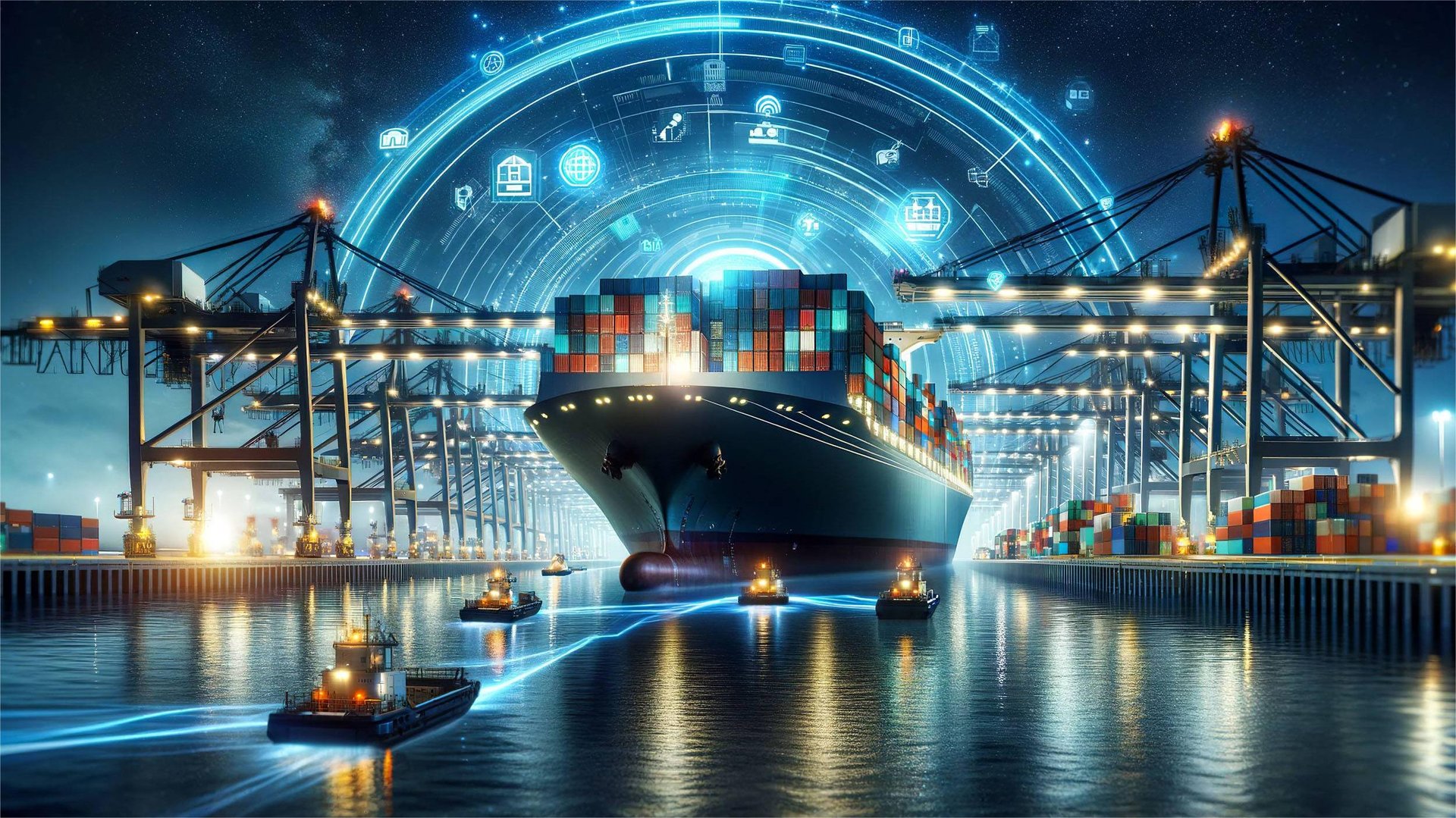
Selecting the appropriate transport mode is the first critical decision in your logistics journey. Most businesses rely on maritime or aviation solutions depending on their budget and urgency. Additionally, the nature of the cargo often dictates which method is most feasible for the route.
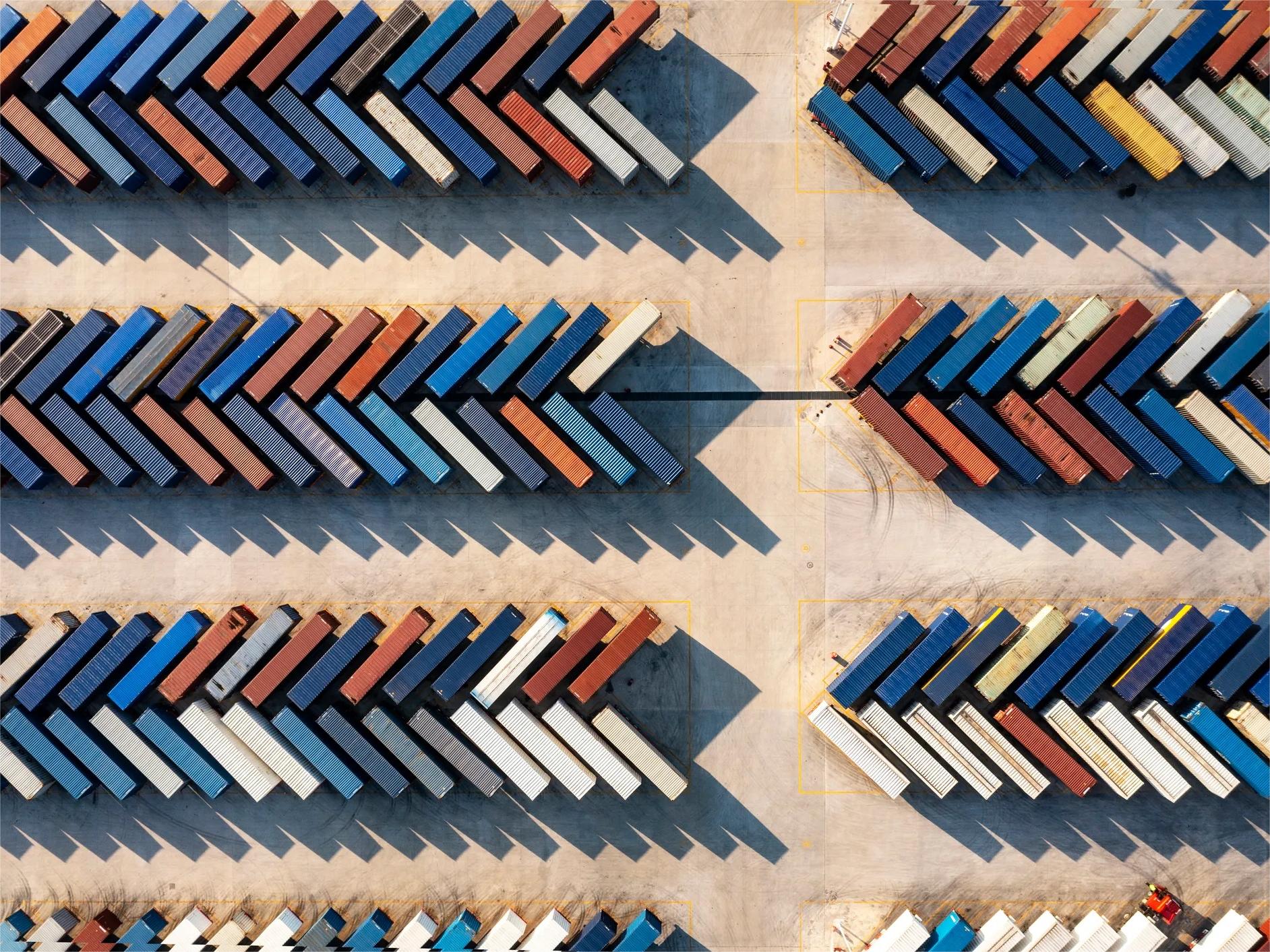
For massive volumes, sea freight remains the most cost-effective solution available. It allows for the transport of heavy machinery, bulk commodities, and large consumer goods at a fraction of the cost of air transport. Consequently, it is the backbone of the trade relationship between China and Australia.
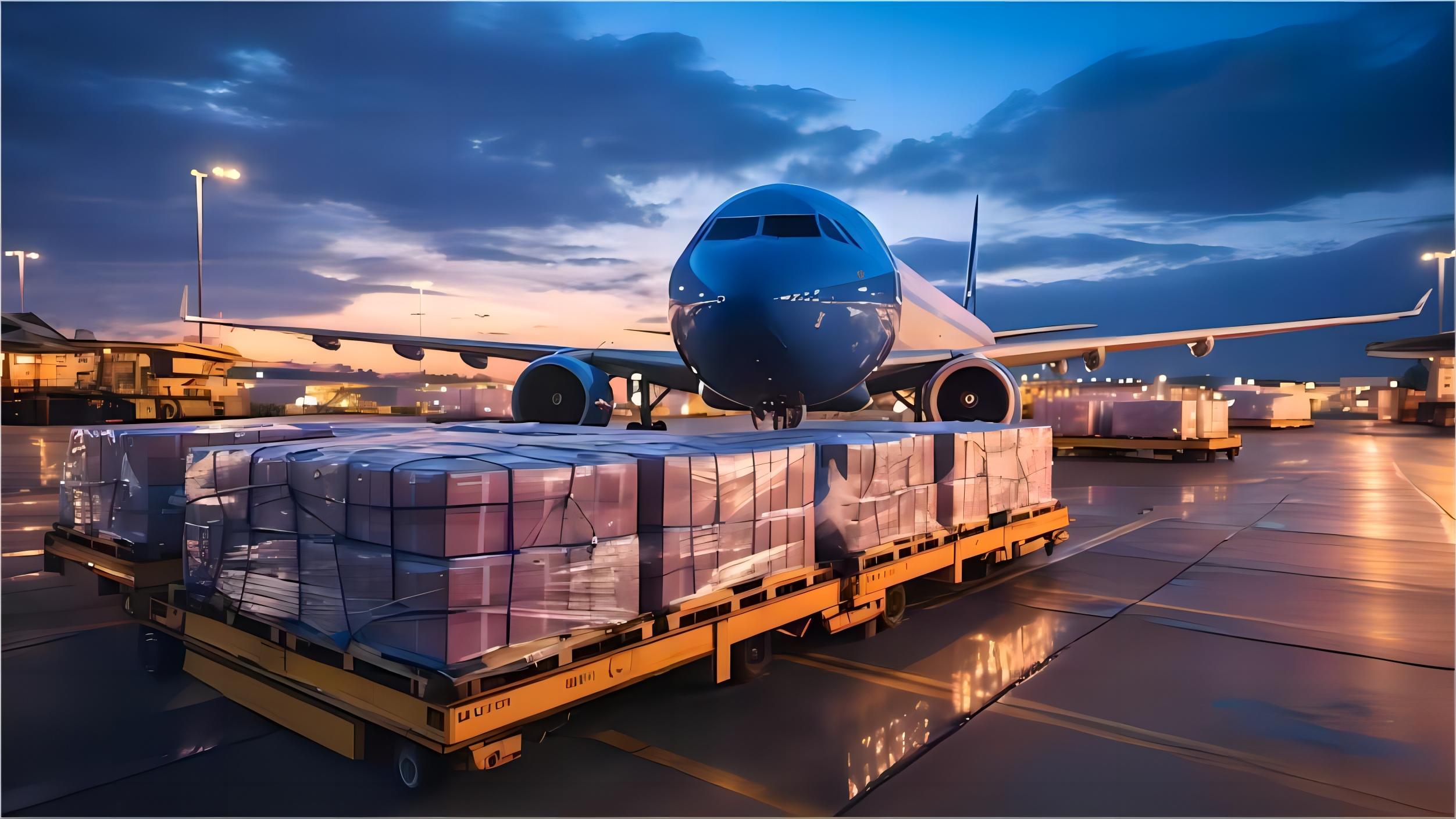
On the other hand, air freight provides the speed necessary for high-value or perishable items. While the costs are significantly higher, the reduced transit time can be a lifesaver for urgent inventory needs. Therefore, businesses must weigh the trade-off between speed and expense carefully.
Meanwhile, specialized services like express service cater to small parcels and documents. These services offer door-to-door convenience with integrated tracking. As a result, they are ideal for e-commerce sellers and small-scale importers.
How Does Sea Freight Compare to Other Shipping Options?
When analyzing China Australia cargo logistics, comparing sea freight against its alternatives is vital for cost optimization. Sea freight is generally categorized into Full Container Load (FCL) and Less than Container Load (LCL). However, air freight and express options serve entirely different market segments.
While sea freight costs approximately 800 to 1800 dollars for a container in early 2026, air freight for the same weight could cost ten times as much. Furthermore, the transit time for ocean vessels ranges from 12 to 18 days, whereas planes arrive in 3 to 7 days. Thus, the choice depends heavily on your specific business cycle.
In addition to cost and speed, environmental impact is becoming a major consideration for Australian companies. Sea transport has a much lower carbon footprint per ton-kilometer compared to air transport. Consequently, many brands are shifting to maritime routes to meet sustainability goals.
| Shipping Method | Cost Range | Transit Time | Best For |
|---|---|---|---|
| Sea Freight (FCL) | $800 – $2,000 | 12 – 18 Days | Large volumes |
| Sea Freight (LCL) | $50 – $120/CBM | 15 – 22 Days | Small shipments |
| Air Freight | $4.50 – $8.50/kg | 3 – 7 Days | High value goods |
| Express Service | $7.00 – $12.00/kg | 2 – 5 Days | Urgent samples |
Which Option Should You Choose for Your Shipments?
Deciding on the best logistics strategy requires a clear understanding of your priorities. If your primary goal is budget conservation, sea freight is the clear winner for almost any cargo size. Nevertheless, if you are facing a stock-out or handling seasonal products, air freight might be the only viable path.
For shipments under 15 CBM, LCL is often more economical than renting a full container. However, once you exceed that threshold, FCL becomes more cost-effective due to the flat-rate pricing of containers. Moreover, FCL offers better security and faster handling at the ports.
Consider a hybrid approach if you have a mix of inventory needs. For instance, you could send 20 percent of your stock via air to meet immediate demand and the remaining 80 percent via sea. Indeed, this strategy balances costs while ensuring product availability.
Essential Customs Brokerage and Documentation for Australia
Navigating Australian Customs is one of the most challenging aspects of China Australia cargo logistics. Australia has strict biosecurity laws that require precise documentation and cargo treatment. Consequently, partnering with a professional customs brokerage is highly recommended to avoid delays.
Moreover, the China-Australia Free Trade Agreement (ChAFTA) allows for reduced or zero tariffs on many goods. To benefit from this, you must provide a valid Certificate of Origin. Failure to do so could result in paying unnecessary duties, which directly impacts your profit margins.
Additionally, ensuring your packing list and commercial invoice are accurate is paramount. Any discrepancies between the paperwork and the actual cargo can lead to intensive inspections. Therefore, meticulous attention to detail during the documentation phase is a prerequisite for success.
| Document Name | Purpose | Required By | Format |
|---|---|---|---|
| Commercial Invoice | Value declaration | Customs | Digital/Paper |
| Packing List | Content details | Port Authority | Digital/Paper |
| Bill of Lading | Title of goods | Carrier | Original/Telex |
| COO (ChAFTA) | Duty reduction | Customs | Official Form |
Understanding Door to Door Logistics Solutions
Many modern importers prefer a hands-off approach to their supply chain. A door to door service manages every step from the factory floor in China to the warehouse in Australia. This comprehensive solution eliminates the need for the importer to coordinate between multiple service providers.
Furthermore, this method provides a single point of contact and one consolidated invoice. This simplicity is particularly beneficial for businesses without a dedicated logistics department. Without a doubt, the convenience of door-to-door delivery often outweighs the slightly higher service fees.
Meanwhile, you should ensure that your provider includes last-mile delivery in their quote. Australian inland transport can be expensive due to the vast distances between major cities. Consequently, having a fixed price for the entire journey helps in accurate financial planning.
Real-World Case Studies: China to Australia
Examining real scenarios helps illustrate the practical application of China Australia cargo logistics. These examples reflect market conditions and pricing as of early 2026. Each case highlights the importance of choosing the right method for the specific cargo type.
Case Study 1: Electronics from Shenzhen to Melbourne. Route: Shenzhen to Melbourne. Cargo: Consumer electronics, 5 CBM, 1200 kg. Method: LCL Sea Freight. Ocean Freight: 450 dollars. Origin Charges: 150 dollars. Destination Charges: 300 dollars. Customs and Duties: 1200 dollars. Total Landed Cost: 2100 dollars. Timeline: 18 days door-to-door. Key Insight: Using LCL saved the client 600 dollars compared to air freight while meeting the 3-week inventory window.
Case Study 2: Boutique Furniture from Ningbo to Sydney. Route: Ningbo to Sydney. Cargo: High-end sofas, 28 CBM. Container: 20GP. Ocean Freight: 1100 dollars. Origin Charges: 200 dollars. Destination Charges: 450 dollars. Customs and Duties: 800 dollars. Total Landed Cost: 2550 dollars. Timeline: 15 days port-to-port. Key Insight: FCL was chosen to prevent damage during handling, which is common in LCL shipments.
Note: Freight rates are subject to change based on fuel costs, carrier capacity, and seasonal demand. Contact us for a current quote tailored to your specific shipment.
Factors Influencing Freight Rates in 2026
Several variables impact the cost of shipping to Australia in the current market. Fuel surcharges remain a volatile factor, often fluctuating month-to-month. Additionally, seasonal peaks like the lead-up to the Christmas period can cause rates to spike significantly.
Moreover, port congestion in major hubs like Shanghai or Sydney can lead to surcharges. When vessels are forced to wait for a berth, carriers often pass these costs down to the shippers. Therefore, booking your shipments at least 2 to 3 weeks in advance is a wise strategy.
Finally, currency exchange rates between the CNY, USD, and AUD play a role in the final landed cost. Since most international freight is quoted in USD, a weak Australian dollar can make imports more expensive. Consequently, savvy importers often use forward contracts to hedge against currency risks.
Final Thoughts on China Australia Cargo Logistics
Successfully managing China Australia cargo logistics requires a blend of local knowledge and global expertise. By choosing the right shipping method and ensuring all documentation is in order, you can significantly reduce your operational risks. Furthermore, staying informed about market trends in 2026 will help you adapt to any changes in the shipping landscape.
In summary, whether you choose sea, air, or express services, the key is to prioritize reliability and transparency. Working with a dedicated freight forwarder ensures that your goods arrive safely and on time. Ultimately, a robust logistics strategy is a fundamental pillar of any successful import-export business.

Start Your Shipment
Optimizing your China Australia cargo logistics is essential for business growth in 2026. Our expert team is ready to provide you with a customized quote that meets your budget and timeline. Contact us today to learn how we can simplify your international shipping process. Visit our website to Send Inquiry and get started with a reliable partner. Visit: https://toplogisticslt.com/
Frequently Asked Questions
How long does sea freight take from China to Australia?
What is the cheapest way to ship cargo to Australia?
Do I need a customs broker for Australian imports?
What documents are needed for China Australia cargo logistics?
Can I ship dangerous goods from China to Australia?
How are shipping costs calculated in 2026?
Is door-to-door service available for all Australian cities?
How can I track my shipment from China?