
Australia Import Logistics Solutions: 2026 Guide to Efficient Shipping
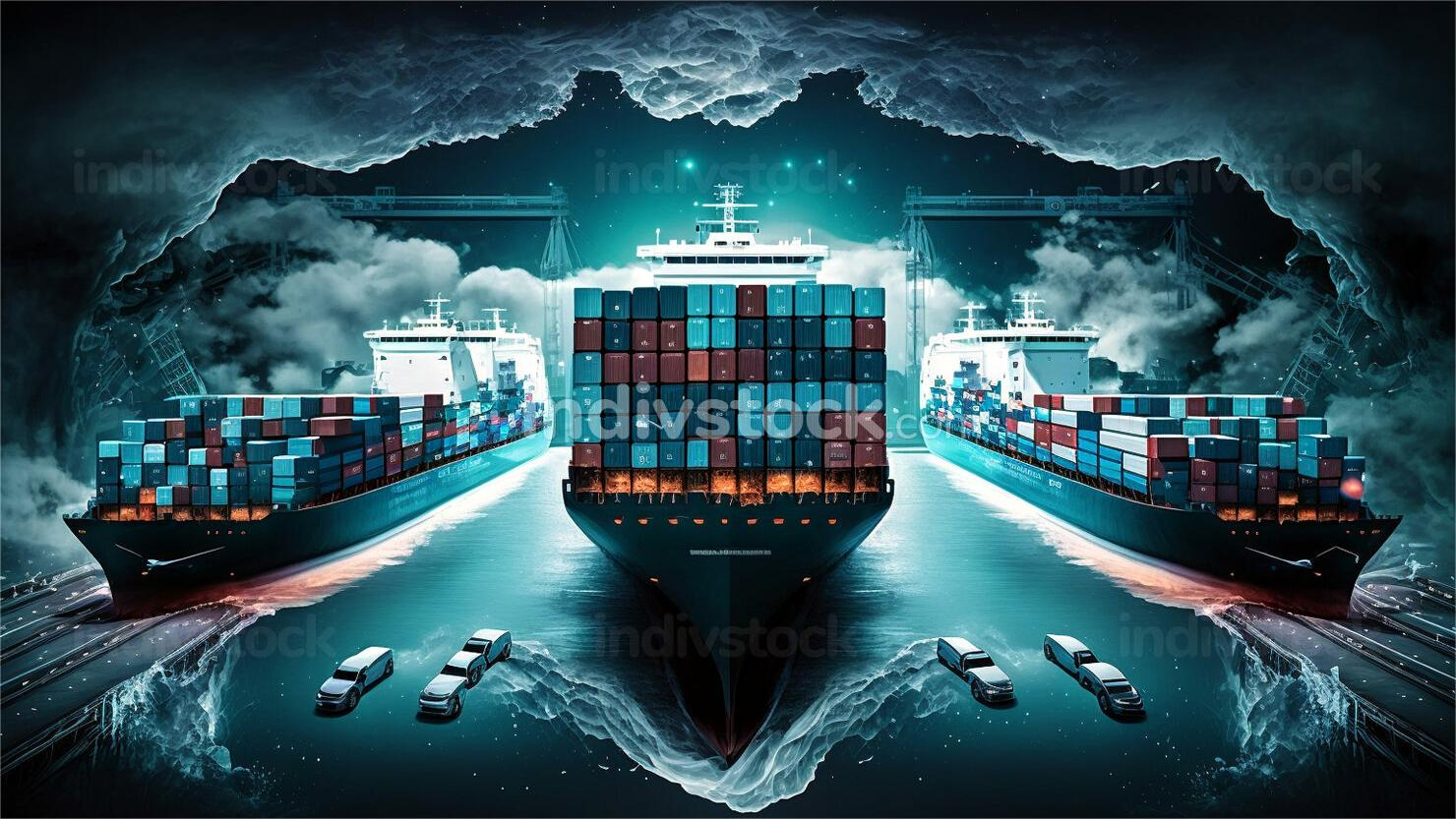
Navigating the complexities of global trade requires robust DSV-Freight australia import logistics solutions. Importers often face challenges such as fluctuating freight rates and complex customs regulations in the 2026 market. Consequently, finding a reliable partner is essential for maintaining a competitive edge and ensuring timely delivery to customers. This guide provides a comprehensive overview of how to streamline your operations and reduce costs effectively.
What Are Modern Australia Import Logistics Solutions?
Modern logistics frameworks for the Australian market focus on transparency and speed. Businesses must integrate advanced tracking systems with traditional transport methods to ensure cargo safety. Moreover, the 2026 landscape demands higher sustainability standards and digital documentation. Therefore, adopting digital australia import logistics solutions has become a necessity rather than an option for growing enterprises.
Importers should look for providers that offer real-time data and automated reporting. Such features allow for better inventory management and reduced lead times. Additionally, these systems help in identifying potential bottlenecks before they impact the delivery schedule. Ultimately, a data-driven approach minimizes risks and enhances overall supply chain resilience.
How Does Sea Freight Compare to Other Shipping Options?
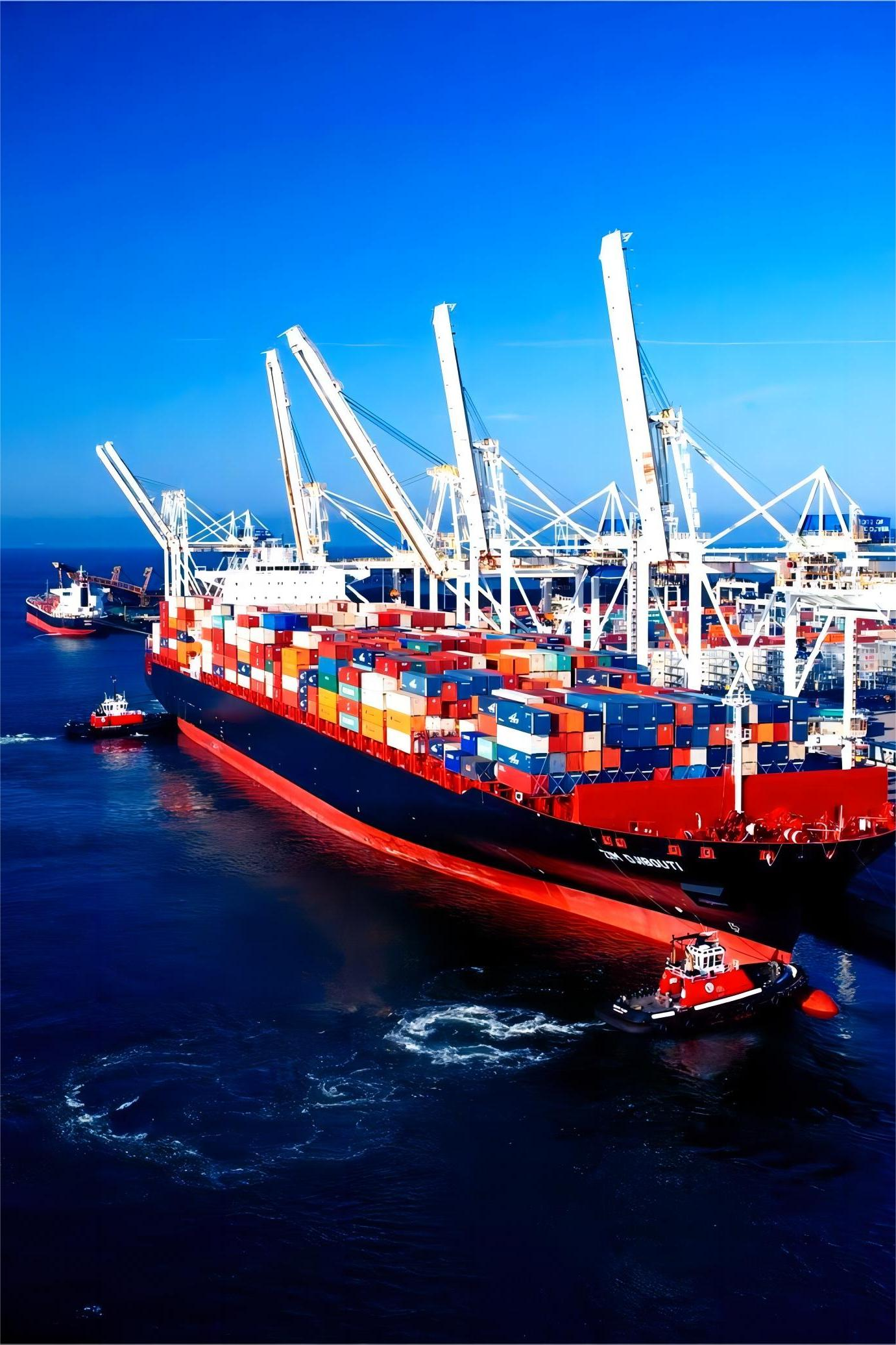
Choosing sea freight remains the most popular choice for bulk commodities and large volumes. This method offers the lowest cost per unit, which is vital for maintaining healthy profit margins. However, transit times are significantly longer compared to air transport. In addition, port congestion can occasionally disrupt schedules during peak seasons.
Standard ocean freight services include Full Container Load (FCL) and Less than Container Load (LCL). While FCL is faster for large shipments, LCL provides cost flexibility for smaller loads. Consequently, businesses must weigh the trade-offs between speed and expense when planning their shipments. Meanwhile, the 2026 market has seen a stabilization in ocean rates after previous global disruptions.
| Shipping Method | Cost Range | Transit Time | Best For |
|---|---|---|---|
| Sea Freight (FCL) | $1,400 – $2,000 | 12-18 Days | Large volumes |
| Sea Freight (LCL) | $80 – $150/CBM | 15-22 Days | Small shipments |
| Air Freight | $4.50 – $8.00/kg | 3-7 Days | Urgent cargo |
| Express Service | $7.00 – $12.00/kg | 2-5 Days | E-commerce |

Why Choose Air Freight for Urgent Cargo?
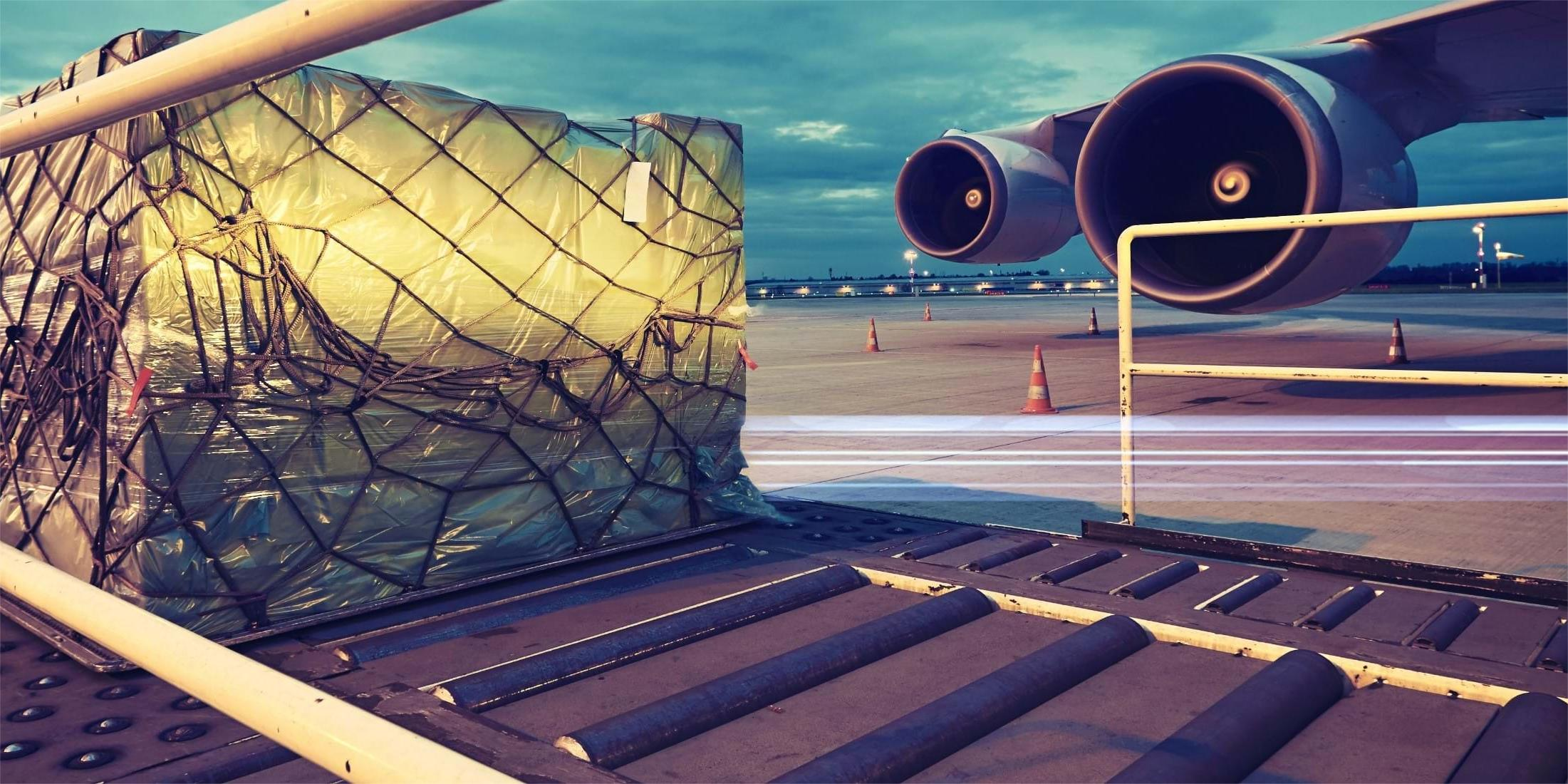
For high-value or time-sensitive goods, air freight is the superior choice. This mode of transport reduces the time cargo spends in transit from weeks to just a few days. Although the costs are higher, the reduction in inventory holding costs can offset the initial investment. Indeed, many technology and fashion retailers rely on air transport to meet rapid market demands.
Many businesses also utilize express service for small parcels and samples. This option provides the fastest possible transit times with simplified documentation requirements. Furthermore, it often includes end-to-end tracking that ensures peace of mind for both the sender and the receiver. As a result, express shipping has become a cornerstone of modern e-commerce logistics.
Can Customs Brokerage Services Prevent Delivery Delays?
Professional customs brokerage is essential for navigating the complex Australian regulatory environment. The Australian Border Force maintains strict biosecurity and safety standards that must be met for every shipment. Incorrect paperwork can lead to expensive storage fees or even the seizure of goods. Therefore, having an expert handle your declarations is a vital component of australia import logistics solutions.
Understanding the latest 2026 tariff updates is also crucial for accurate financial planning. Experts can help identify duty-saving opportunities through free trade agreements or specific concessions. Moreover, they ensure that all taxes, such as GST, are calculated correctly to avoid future audits. Consequently, investing in professional brokerage services saves both time and money in the long run.
Do You Need Door-to-Door Delivery for Your Business?
Streamlining your supply chain with door to door services eliminates the need to manage multiple contractors. This comprehensive solution handles everything from the initial pickup at the factory to final delivery at your warehouse. This approach significantly reduces the administrative burden on your staff. Many companies find that this integrated model provides better accountability and clearer communication.
This service is particularly beneficial for businesses without a dedicated logistics department. By outsourcing the entire process, you can focus on marketing and sales rather than transport coordination. Additionally, it provides a single point of contact for all shipment inquiries. Without a doubt, the convenience of a single-provider solution is a major advantage for many Australian importers.
Which Option Should You Choose? Decision Framework
Selecting the right method depends on several factors including budget, urgency, and cargo type. If your primary goal is cost reduction, sea freight is the logical choice for large volumes. On the other hand, if you need to stock a product quickly to meet a surge in demand, air freight is necessary. Below are specific criteria to help you decide which australia import logistics solutions fit your needs.
Budget priority: Recommend Sea Freight FCL if shipping more than 15 CBM. For smaller volumes under 10 CBM, Sea Freight LCL is more economical. Speed priority: Recommend Air Freight for deliveries required within 7 days. Cargo type considerations: Hazardous materials or extremely heavy machinery often require specialized sea freight handling. Volume thresholds: Once your volume exceeds 15 CBM, the cost of FCL often becomes lower than LCL per cubic meter.
Realistic Case Studies for Australian Importers
Examining real-world examples helps illustrate the practical application of these services. Below are three scenarios based on early 2026 market data. These cases highlight the costs and timelines associated with different shipping methods to Australia.
Case Study 1: Electronics Distribution. Route: Shenzhen to Sydney. Cargo: Consumer Electronics, 5 CBM, 1200 kg. Method: LCL Sea Freight. Total Landed Cost: $1,250. Transit Time: 18 days. Key Insight: Consolidating cargo helped the client save 40% compared to air freight while meeting their inventory cycle.
Case Study 2: Furniture Retailer. Route: Ningbo to Melbourne. Cargo: Home Furniture, 68 CBM (40HQ). Method: FCL Sea Freight. Total Landed Cost: $2,100. Transit Time: 16 days. Key Insight: Utilizing a 40HQ container maximized space and lowered the shipping cost per item to its lowest possible level.
Case Study 3: Urgent Spare Parts. Route: Shanghai to Brisbane. Cargo: Industrial Components, 250 kg. Method: Air Freight. Total Landed Cost: $1,800. Transit Time: 4 days. Key Insight: The high cost was justified by preventing a factory shutdown that would have cost the client $10,000 per day in lost production.
Understanding 2026 Freight Rates and Cost Management
Analyzing current market trends is essential for setting accurate budgets. As of early 2026, ocean freight rates have remained relatively stable, though fuel surcharges continue to fluctuate. Seasonal patterns still play a major role, with rates typically increasing by 15-25% during the August to October peak season. Importers should plan their shipments well in advance to avoid these price spikes.
Fuel costs and carrier capacity are the primary drivers of pricing in the current environment. Furthermore, port infrastructure improvements in Australia have helped reduce some of the congestion-related surcharges seen in previous years. However, it is always wise to obtain a current quote before finalizing any large orders. Note: Freight rates are subject to change based on fuel costs, carrier capacity, and seasonal demand. Contact us for a current quote tailored to your specific shipment.
Alternative Strategies for Shipping to Australia
Importers should consider alternative approaches to optimize their logistics spend. For instance, using transshipment hubs like Singapore can sometimes offer lower rates than direct routes. Although this adds a few days to the transit time, the cost savings can be substantial for non-urgent goods. Another strategy involves sea-air hybrid solutions, which balance cost and speed by using sea freight for the long haul and air for the final leg.
Effective warehouse management in Australia can also reduce the need for expensive express shipping. By maintaining higher safety stock levels, businesses can rely more on sea freight. Consequently, this reduces the overall logistics spend over the fiscal year. Each alternative has its own set of trade-offs that must be evaluated based on specific business goals.
Summary of Australia Import Logistics Solutions
Successful trade with Australia requires a strategic approach to logistics and a deep understanding of the regulatory landscape. By choosing the right mix of sea and air freight, businesses can balance cost and speed effectively. Moreover, partnering with professional brokers ensures that customs compliance never becomes a hurdle. Ultimately, implementing robust australia import logistics solutions will drive long-term growth and reliability in your global operations.
Need a tailored shipping solution?
Maximize your business efficiency with tailored australia import logistics solutions designed for the 2026 market. Our team provides comprehensive support from customs clearance to final delivery. Contact us today to receive a competitive quote and streamline your supply chain. Send Inquiry: