

Australia Ecommerce Fulfillment Center: 2026 Logistics Guide
Establishing a robust supply chain requires a strategic partnership with a reliable Australia ecommerce fulfillment center to handle the complexities of modern retail. Many businesses struggle with high shipping costs and long delivery schedules when managing international orders independently. By leveraging the expertise at Top Logistics, brands can streamline their operations and ensure customer satisfaction through efficient inventory management and rapid local dispatch. This guide explores how localized warehousing transforms your business model for the 2026 market landscape.
What is an Australia Ecommerce Fulfillment Center?
A dedicated Australia ecommerce fulfillment center acts as the central hub for your inventory, handling everything from storage to final delivery. Moreover, these facilities specialize in receiving bulk shipments from overseas and breaking them down into individual customer orders. This localized approach significantly reduces the transit time for domestic customers compared to shipping directly from international origins.
Consequently, businesses can offer faster delivery schedules, which is a critical factor in maintaining a competitive edge in 2026. Furthermore, these centers often provide value-added services such as kitting, labeling, and quality control. By utilizing a third-party logistics provider, you eliminate the need for expensive long-term warehouse leases and labor management.
In addition, a professional fulfillment center utilizes advanced inventory management software to provide real-time visibility into stock levels. This technology ensures that you never miss a sale due to unexpected stockouts. Therefore, integrating your online store with a local facility simplifies the entire supply chain and allows you to focus on marketing and product development.
How Does a Fulfillment Center Improve Delivery Schedules?
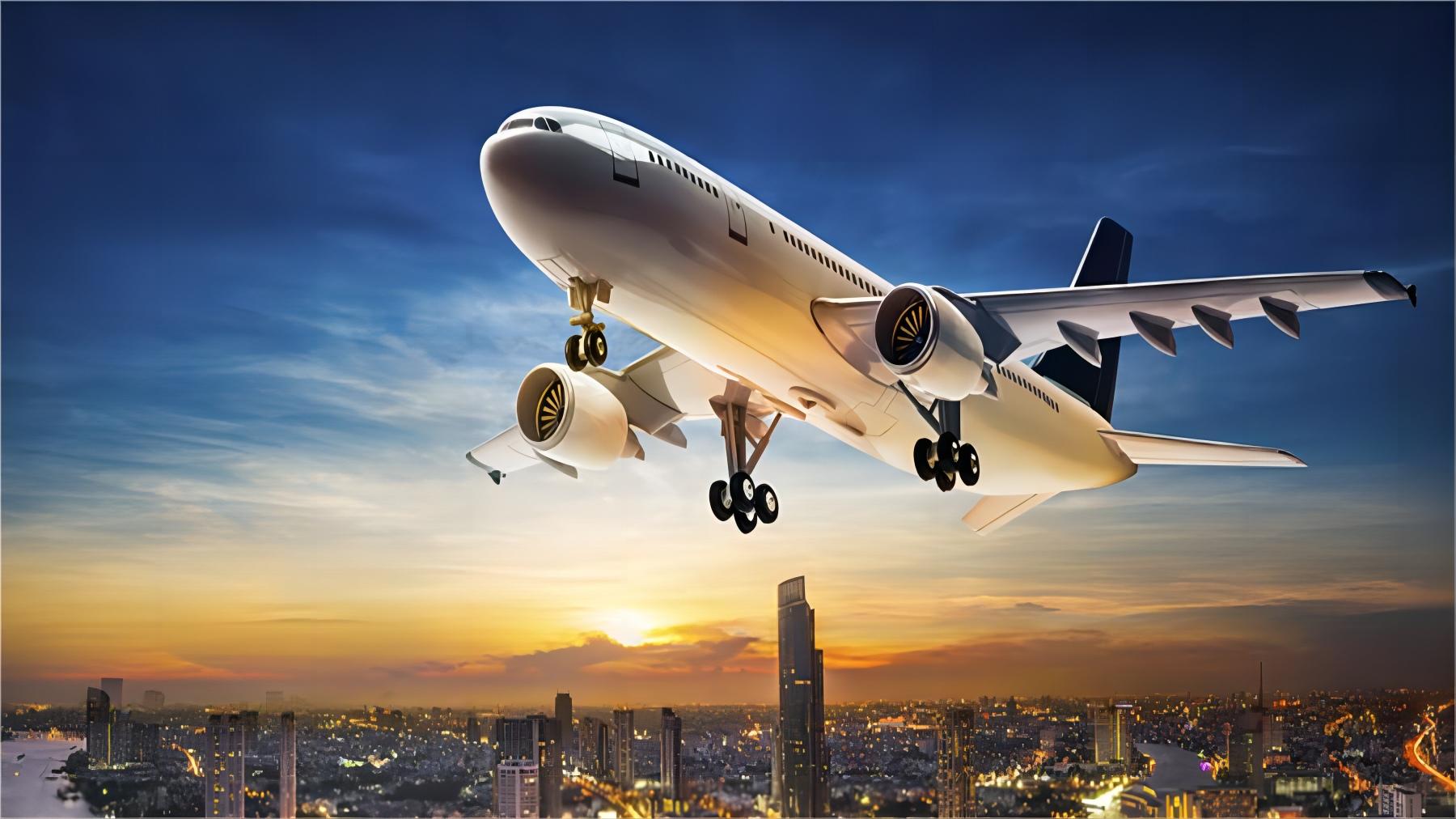
Speed remains the most influential factor in online purchasing decisions today. When you store goods in an Australia ecommerce fulfillment center, you bypass the 10 to 15-day delay associated with international shipping for every single order. Instead, most domestic shipments reach customers within 1 to 3 business days, depending on their proximity to major hubs like Sydney or Melbourne.
Meanwhile, the use of localized hubs allows for more flexible shipping options, including same-day or next-day delivery in metropolitan areas. Additionally, local carriers have established routes that optimize the last-mile delivery process. As a result, your brand can compete directly with large domestic retailers on delivery performance.
To achieve these speeds, many companies utilize express service options for urgent inventory replenishment. This ensures that high-demand items are always available for immediate picking and packing. Without a doubt, the proximity to the end consumer is the most effective way to minimize logistics bottlenecks and improve the overall customer experience.
How Does Sea Freight Compare to Other Shipping Options?
When moving large volumes of inventory from China to your Australia ecommerce fulfillment center, choosing the right transport method is essential for cost control. Sea freight remains the most economical choice for bulky or heavy goods that do not require immediate delivery. However, businesses must plan for longer transit times compared to air-based alternatives.
Specifically, sea freight typically takes between 12 and 18 days to reach major Australian ports from China. In contrast, air freight can deliver goods within 3 to 7 days but at a significantly higher price point. For small, high-value items, the speed of air transport might justify the cost, but for general consumer goods, ocean transport is usually the preferred strategy.
Indeed, many successful brands use a hybrid approach to balance costs and speed. For instance, they might ship the bulk of their inventory via sea while using air freight for seasonal peaks or new product launches. This strategy ensures a steady supply chain while maintaining healthy profit margins. Below is a detailed comparison of the primary shipping methods available for this route.
| Shipping Method | Cost Range (2026) | Transit Time | Best For |
|---|---|---|---|
| Sea Freight (FCL) | $1,400 – $2,000 per 40HQ | 12 – 18 Days | Bulk inventory and heavy goods |
| Sea Freight (LCL) | $60 – $90 per CBM | 15 – 22 Days | Mid-sized shipments |
| Air Freight | $4.50 – $7.00 per KG | 3 – 7 Days | High-value or urgent stock |
| Express Courier | $8.00 – $12.00 per KG | 2 – 5 Days | Small parcels and samples |
Which Option Should You Choose for Your Business?
Selecting the ideal logistics path depends on your specific budget, cargo volume, and urgency. If your priority is minimizing the landed cost per unit, sea freight is the clear winner for shipments exceeding 2 cubic meters. On the other hand, if you are testing a new product or need to restock quickly before a major sale, air freight is more appropriate.
Furthermore, businesses using Amazon FBA must adhere to strict delivery windows and labeling requirements. A fulfillment center can act as a prep hub, ensuring all items meet platform standards before being forwarded to Amazon warehouses. This prevents costly rejection fees and storage surcharges at the FBA level.
Consequently, you should evaluate your inventory turnover rate before committing to a specific method. High-turnover items benefit from the lower costs of sea freight, while low-turnover, high-margin items might tolerate the expense of air transport. Always consider the total landed cost, including duties and local handling fees, when making your decision.
| Priority | Recommended Method | Volume Threshold | Key Benefit |
|---|---|---|---|
| Budget / Low Cost | Sea Freight (FCL) | > 15 CBM | Lowest cost per unit |
| Speed / Urgency | Air Freight | < 500 KG | Fastest market entry |
| Small Batch / Test | Sea Freight (LCL) | 1 – 10 CBM | Flexible and economical |
| Max Convenience | Express Service | < 100 KG | Door-to-door simplicity |
Understanding Customs and Documentation in 2026
Navigating the Australian border requires a thorough understanding of import regulations and tax obligations. Every shipment entering the country must pass through customs, where authorities verify the cargo and apply relevant GST or duties. Therefore, partnering with a provider that offers expert customs brokerage is vital to avoid delays.
Moreover, the Australian government has implemented stricter biosecurity measures in 2026 to protect local ecosystems. Failure to provide correct documentation, such as packing lists or commercial invoices, can result in expensive quarantine inspections or even cargo seizure. Consequently, you must ensure all wood packaging materials comply with international standards.
In addition, having a clear customs checklist helps streamline the clearance process. Most delays occur due to simple clerical errors or missing certificates of origin. By preparing these documents in advance, you ensure that your goods move quickly from the port to your Australia ecommerce fulfillment center without unnecessary storage fees.
| Document Name | Purpose | Required For | Critical Detail |
|---|---|---|---|
| Commercial Invoice | Value declaration | All shipments | Must match payment |
| Packing List | Content verification | All shipments | Detailed item breakdown |
| Bill of Lading | Title of goods | Sea freight | Master and House BL |
| Packing Declaration | Biosecurity check | Sea freight | Wood treatment status |
Case Study 1: Scaling a Fashion Brand in Sydney
———————————————————
Route: Guangzhou, China to Sydney, Australia
Cargo: Apparel and Accessories, 12 CBM, 2,400 kg
Container: LCL (Less than Container Load)
Shipping Details:
– Carrier: Major ocean carrier via Shenzhen
– Port of Loading: Shenzhen
– Port of Discharge: Port Botany (Sydney)
– Route Type: Direct
Cost Breakdown:
– Ocean Freight: $960
– Origin Charges: $250
– Destination Charges: $400
– Customs and Duties: $1,200
– Total Landed Cost: $2,810
Timeline:
– Booking to Loading: 3 days
– Sea Transit: 14 days
– Customs Clearance: 2 days
– Total Door-to-Door: 19 days
Key Insight: By switching from air freight to sea LCL, the brand reduced its per-unit shipping cost by 65 percent, allowing for more aggressive local marketing spend in early 2026.
———————————————————
Case Study 2: Electronics Restock for Peak Season
———————————————————
Route: Shanghai, China to Melbourne, Australia
Cargo: Consumer Electronics, 2 CBM, 450 kg
Container: Air Freight
Shipping Details:
– Carrier: Commercial air cargo service
– Port of Loading: Shanghai Pudong (PVG)
– Port of Discharge: Melbourne (MEL)
– Route Type: Direct
Cost Breakdown:
– Air Freight: $2,475
– Origin Charges: $150
– Destination Charges: $220
– Customs and Duties: $850
– Total Landed Cost: $3,695
Timeline:
– Booking to Loading: 1 day
– Air Transit: 1 day
– Customs Clearance: 1 day
– Total Door-to-Door: 3 days
Key Insight: Using air freight during the Q4 peak season allowed the client to replenish stock within 72 hours, preventing a potential $20,000 loss in sales due to out-of-stock items.
———————————————————
Case Study 3: Bulk Furniture Import to Brisbane
———————————————————
Route: Ningbo, China to Brisbane, Australia
Cargo: Flat-pack Furniture, 68 CBM, 18,000 kg
Container: 40HQ (High Cube)
Shipping Details:
– Carrier: COSCO Shipping
– Port of Loading: Ningbo-Zhoushan
– Port of Discharge: Port of Brisbane
– Route Type: Direct
Cost Breakdown:
– Ocean Freight: $1,850
– Origin Charges: $350
– Destination Charges: $550
– Customs and Duties: $2,100
– Total Landed Cost: $4,850
Timeline:
– Booking to Loading: 5 days
– Sea Transit: 16 days
– Customs Clearance: 3 days
– Total Door-to-Door: 24 days
Key Insight: Utilizing a full 40HQ container maximized the shipping volume, resulting in the lowest possible freight rate per cubic meter for these bulky items as of early 2026.
———————————————————
Logistics Trends Influencing Australia in 2026
As we progress through 2026, several logistics trends are reshaping how an Australia ecommerce fulfillment center operates. Firstly, there is a significant shift toward sustainable packaging and carbon-neutral shipping options. Many consumers now prioritize brands that demonstrate environmental responsibility in their supply chain.
Secondly, the integration of artificial intelligence in warehouse management systems has optimized order picking and inventory forecasting. This technology allows centers to predict demand spikes and suggest inventory movements before shortages occur. Consequently, businesses can maintain leaner stock levels while still meeting customer expectations.
Furthermore, the rise of social commerce has increased the volume of small, frequent orders. This shift requires fulfillment centers to be more agile in their cargo handling and packing processes. Meanwhile, the expansion of regional delivery networks in Western Australia and Queensland is making fast shipping more accessible to rural customers.
Finally, freight rates have stabilized after the volatility seen in previous years. However, seasonal demand during the late-year holidays still causes temporary price increases. By staying informed about these trends, you can better prepare your business for the evolving demands of the Australian market.
Mastering Your Australian Supply Chain
To summarize, a well-managed Australia ecommerce fulfillment center is the backbone of any successful online business targeting the Oceanic market. By strategically choosing between sea and air freight, you can balance the need for low costs with the demand for fast delivery. Furthermore, professional customs brokerage ensures that your goods enter the country without unnecessary delays or penalties.
As market conditions in 2026 continue to evolve, staying flexible and data-driven will be key to your success. Whether you are shipping bulk containers or individual parcels, the right logistics partner provides the infrastructure needed to scale. Invest in a reliable Australia ecommerce fulfillment center today to secure your brand’s future in this growing digital economy.
Start Your Shipment
Ready to optimize your supply chain with a professional Australia ecommerce fulfillment center? Contact our logistics experts today to receive a customized quote and streamline your shipping from China. Visit our inquiry page to get started: Send Inquiry link
Frequently Asked Questions
What is the average transit time from China to Australia?
How much does a 40HQ container cost to Australia in 2026?
Can I use a fulfillment center for Amazon FBA prep?
What are the main ports in Australia for ecommerce imports?
Are there extra taxes for importing into Australia?
Is rail freight an option from China to Australia?
What documents do I need for Australian customs?
How can I reduce my shipping costs for small volumes?