


Air Freight China to Tahiti: 2026 Shipping Rates and Fast Logistics Guide
Air freight China to Tahiti serves as the primary lifeline for businesses requiring rapid delivery of high-value goods across the Pacific Ocean. Navigating the complexities of international logistics requires a seasoned partner like Top Logistics to manage the intricate supply chain from Shanghai or Shenzhen to Papeete. Consequently, understanding the specific requirements for French Polynesia is essential for maintaining a competitive edge in 2026. This comprehensive guide explores everything from current freight rates to essential documentation for seamless imports.
Understanding the Logistics of Air Freight China to Tahiti
Shipping goods via air freight remains the most efficient method for transporting electronics, fashion, and perishables to the islands. Moreover, the geographic isolation of Tahiti makes air transport a critical component of the local economy. Shippers generally utilize major hubs such as Shanghai Pudong or Hong Kong International for these routes. Consequently, cargo handling at these facilities is optimized for speed and security.
Transit times typically range from 5 to 9 days depending on the specific flight connections and transshipment points. Furthermore, most cargo destined for Faaa International Airport in Papeete will transit through major gateways like Los Angeles, San Francisco, or Tokyo. Therefore, choosing a forwarder with strong carrier relationships is vital for securing space during peak seasons. As a result, businesses can avoid the long delays associated with maritime transport.
Market trends in early 2026 indicate a stabilization of fuel surcharges compared to previous years. Additionally, the increased frequency of passenger flights to French Polynesia has expanded belly cargo capacity significantly. Nevertheless, demand for space remains high for specialized cargo requiring temperature control. Industry experts suggest booking at least 7 to 10 days in advance to ensure the best possible freight rates.
How Does Air Freight Compare to Other Shipping Options?
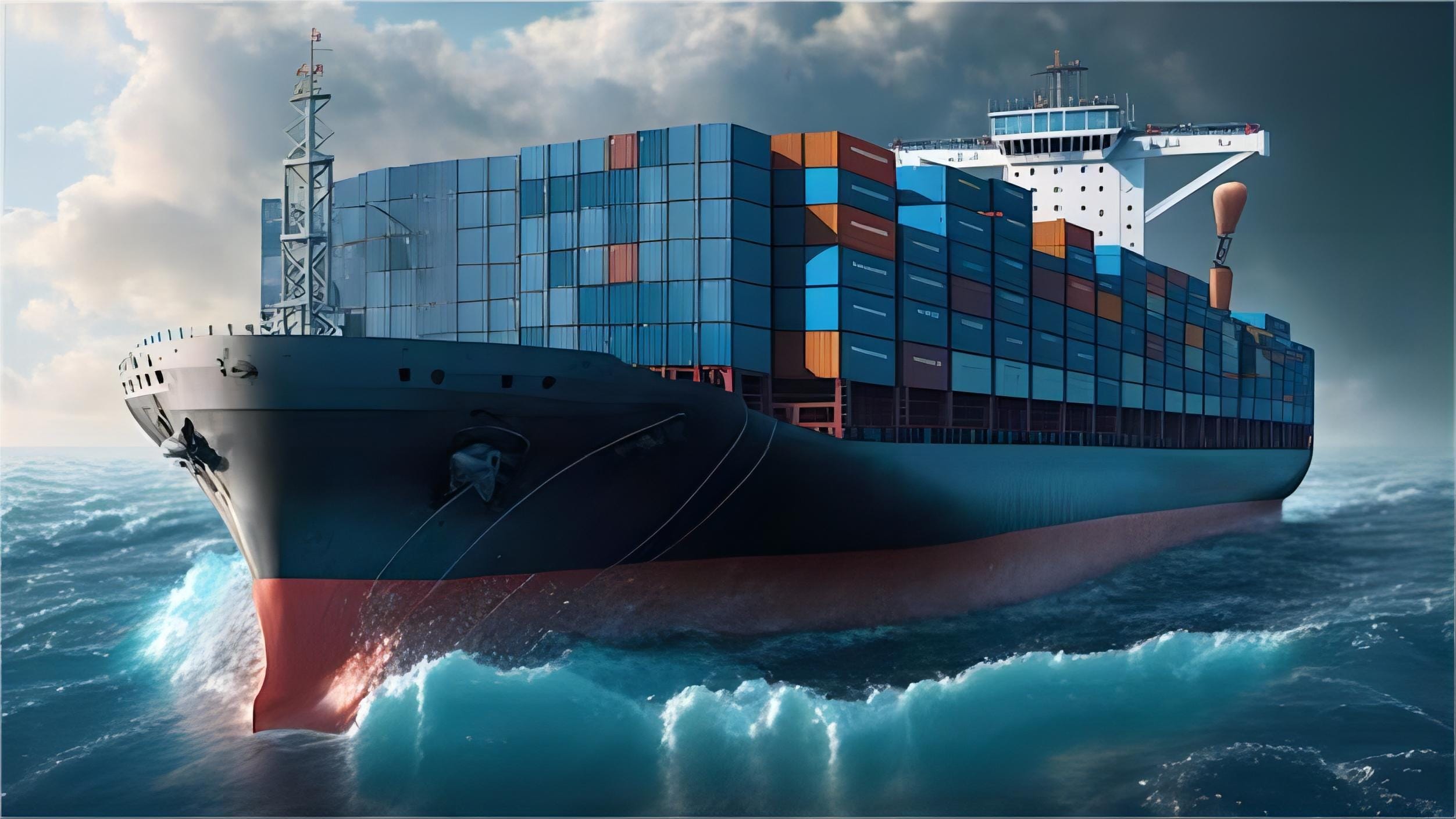
Evaluating different transport modes is crucial for balancing cost and speed in your supply chain. While sea freight offers much lower costs for bulk items, it cannot compete with the transit time of air transport. For instance, a container ship may take 35 to 45 days to reach Papeete from Ningbo. In contrast, air cargo arrives in less than a quarter of that time.
Alternative strategies often involve hybrid solutions or utilizing different service levels based on urgency. For smaller shipments under 100 kilograms, express service might be more cost-effective due to all-inclusive pricing. Meanwhile, larger consignments benefit from standard air freight rates which are calculated based on chargeable weight. Without a doubt, each method has specific trade-offs regarding budget and reliability.
Cost-saving strategies include consolidating multiple small orders into a single air shipment to reach higher weight brackets. Furthermore, opting for deferred air service can reduce costs by 15 percent if the timeline allows for an extra 3 days of transit. According to industry benchmarks for 2026, air freight is preferred for any cargo valued above 15 dollars per kilogram. This ensures that the inventory carrying costs do not exceed the shipping savings of slower methods.
| Shipping Method | Cost Range (USD) | Transit Time | Best For |
|---|---|---|---|
| Standard Air Freight | $8.50 – $14.00 / kg | 5 – 8 Days | Electronics, Fashion |
| Express Courier | $15.00 – $22.00 / kg | 3 – 5 Days | Documents, Samples |
| LCL Sea Freight | $180 – $350 / CBM | 35 – 45 Days | Furniture, Machinery |
| FCL Sea Freight | $3,200 – $4,800 / 20GP | 30 – 40 Days | Bulk Inventory |

Key Factors Influencing Air Freight Costs in 2026
Freight rates are influenced by several dynamic variables including seasonal demand and global oil prices. Specifically, the period leading up to the end-of-year holidays often sees a 20 percent spike in costs. Consequently, planning shipments during the shoulder seasons of March through May can result in significant savings. Moreover, the chargeable weight calculation, which compares actual weight to volumetric weight, is a critical factor in final pricing.
Local handling fees at both the origin and destination also contribute to the total landed cost. For example, terminal handling charges in Shanghai have seen minor adjustments in early 2026 due to infrastructure upgrades. Additionally, security surcharges and automated manifest system fees are standard requirements for all air cargo. Therefore, shippers must ensure their quotes include these line items to avoid unexpected expenses upon arrival in Tahiti.
Note: Freight rates are subject to change based on fuel costs, carrier capacity, and seasonal demand. Contact us for a current quote tailored to your specific shipment.
Essential Documentation for Tahiti Customs Clearance
Navigating the regulatory environment in French Polynesia requires precise documentation to avoid costly storage fees. Utilizing a professional customs brokerage service is highly recommended for first-time importers. Notably, all commercial invoices must be translated or provided in French to facilitate faster processing by local authorities. Furthermore, certain products like electronics may require specific certificates of conformity.
Customs duties in Tahiti can be complex, often consisting of various local taxes and import levies. Consequently, having an accurate Packing List that matches the Air Waybill is non-negotiable for smooth clearance. In addition, the Certificate of Origin plays a vital role in determining if any preferential trade agreements apply. As a result, meticulous preparation of paperwork is the most effective way to prevent transit delays.
Typical rates as of early 2026 suggest that customs clearance in Papeete takes approximately 24 to 48 hours for air shipments. However, any discrepancies in the paperwork can extend this timeline to several weeks. Therefore, verifying all details before the plane departs China is a standard best practice for experienced logistics managers. Market data suggests that 80 percent of delays are caused by documentation errors rather than carrier issues.
| Document Name | Purpose | Required By | Notes |
|---|---|---|---|
| Air Waybill (AWB) | Contract of Carriage | Carrier / Customs | Must match invoice |
| Commercial Invoice | Valuation for Duty | Tahiti Customs | Preferably in French |
| Packing List | Inventory Details | Warehouse / Customs | Detailed item count |
| Certificate of Origin | Proof of Source | Customs Authority | Required for all goods |
Real-World Case Studies for Air Freight China to Tahiti
Analyzing real-world scenarios helps businesses understand the practical applications of air logistics. Below are two examples based on Q1 2026 market rates and actual transit data for the China-Tahiti route.
Case Study 1: High-Value Electronics Distribution. Route: Shenzhen (SZX) to Papeete (PPT). Cargo: 1,200 kg of smartphones and tablets. Shipping Method: Standard Air Freight via LAX. Total Landed Cost: 14,800 USD. Timeline: 7 days door-to-door. Key Insight: Utilizing a direct flight from Shenzhen to a major US hub for transshipment saved 2 days compared to routing through Hong Kong.
Case Study 2: Urgent Fashion Apparel Launch. Route: Shanghai (PVG) to Papeete (PPT). Cargo: 450 kg of seasonal clothing. Shipping Method: Express Service. Total Landed Cost: 8,200 USD. Timeline: 5 days. Key Insight: Paying a premium for express handling ensured the inventory arrived before the peak shopping weekend, offsetting the higher freight cost with increased sales volume.
Which Option Should You Choose? Decision Framework
Choosing the right shipping strategy depends on your specific business priorities and cargo characteristics. If budget priority is your main concern and the goods are not time-sensitive, sea freight is the logical choice. However, for high-value items where speed priority is paramount, air freight China to Tahiti is the only viable solution. Additionally, consider the volume thresholds; shipments under 0.5 CBM are almost always better suited for air transport.
Cargo type considerations also play a major role in the decision-making process. For instance, perishable goods or pharmaceuticals require the temperature-controlled environments found in modern air cargo holds. On the other hand, heavy machinery or raw materials are typically better served by maritime containers. To summarize, analyze your profit margins and customer expectations before committing to a specific shipping mode.
Industry average for this route suggests that a hybrid approach can also work for large projects. You might send the initial 10 percent of inventory via air to satisfy immediate demand while the remaining 90 percent travels by sea. Consequently, this strategy balances the need for speed with the necessity of cost control. Market intelligence for 2026 indicates that more companies are adopting this ‘split-shipment’ model to manage cash flow effectively.
Maximizing Efficiency with Door to Door Services
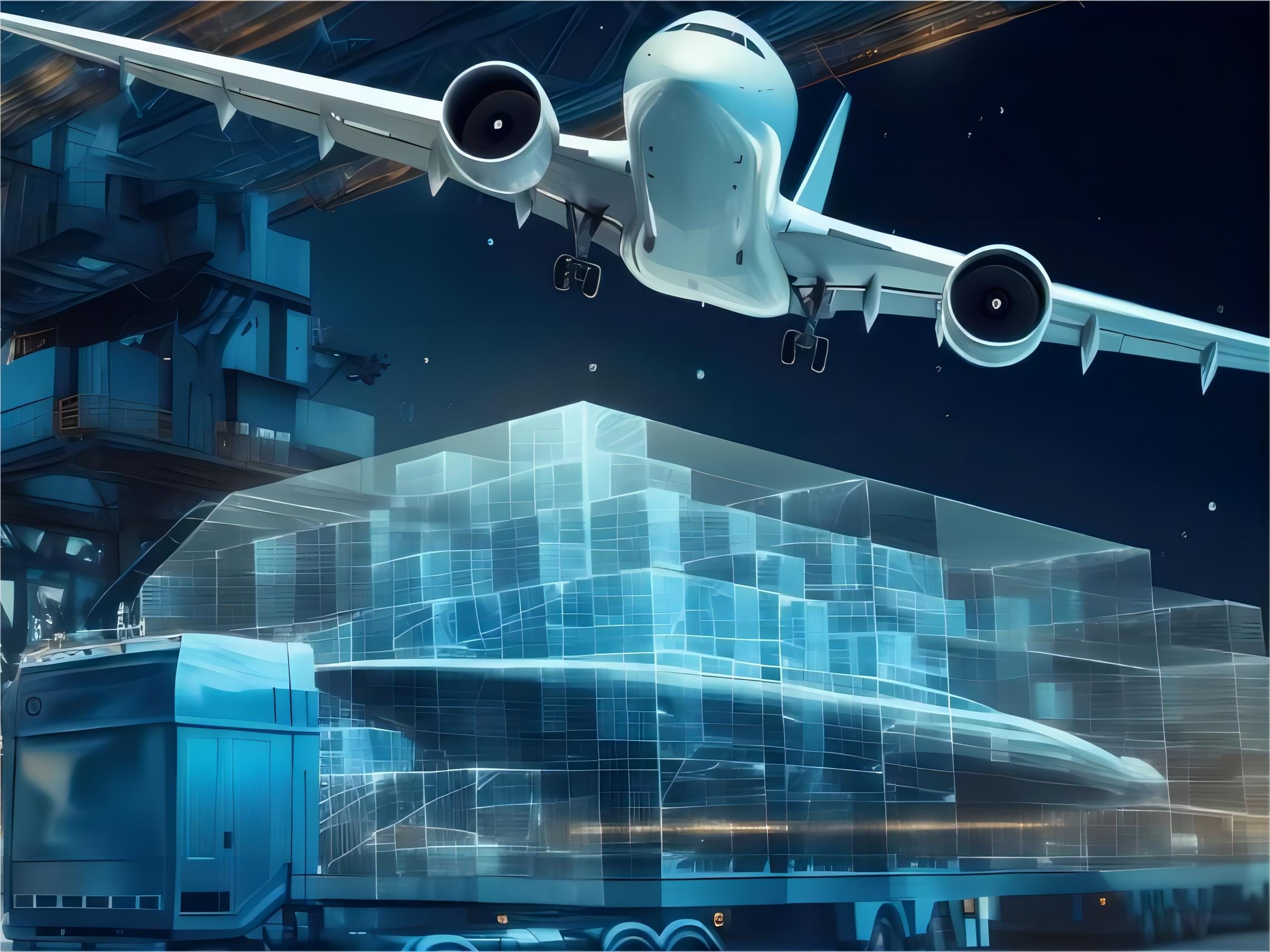
Streamlining your logistics often involves choosing a door to door service model. This approach eliminates the need for the importer to manage multiple local transport providers in Tahiti. Furthermore, it provides a single point of accountability for the entire journey from the Chinese factory to the warehouse in Papeete. Indeed, many businesses find that the slight premium for this service is outweighed by the reduction in administrative burden.
Logistics trends in 2026 show an increasing reliance on end-to-end tracking technology. Shippers now expect real-time updates as their cargo moves through transshipment hubs. Consequently, top-tier forwarders are investing heavily in digital platforms to provide this transparency. Meanwhile, local delivery in Tahiti has become more efficient with the expansion of specialized courier networks across the main island. Therefore, a comprehensive door-to-door solution is more accessible than ever before.
Final Thoughts on Air Freight China to Tahiti
Successfully managing air freight China to Tahiti requires a combination of strategic planning and expert execution. By understanding the cost drivers, documentation needs, and transit options available in 2026, businesses can ensure their goods arrive safely and on time. Moreover, the choice between express, standard air, and sea freight should be guided by a clear understanding of your supply chain goals.
Indeed, the Pacific logistics landscape continues to evolve with new carrier routes and technological advancements. Staying informed about these changes is essential for any importer looking to optimize their operations. Whether you are shipping electronics, fashion, or essential supplies, air freight remains the gold standard for speed and reliability in the region. Partnering with the right logistics provider will ensure your business thrives in the competitive Tahiti market.

Get Your Shipping Quote Today
Ready to streamline your air freight China to Tahiti? Contact Top Logistics today for a customized quote and expert guidance on your next shipment. Visit our website to learn more or send an inquiry to our logistics team. Visit https://toplogisticslt.com/ to get started.
Request Quote