


China to Tonga Container Freight: 2026 Ultimate Shipping Guide
Managing international trade between Asian hubs and the South Pacific requires a strategic approach to logistics. Navigating China to Tonga container freight involves understanding complex maritime routes, seasonal weather patterns, and regional customs regulations. This comprehensive guide provides the essential data, cost benchmarks, and strategic insights needed for successful importation in 2026. Whether you are shipping commercial goods or industrial equipment, our analysis ensures your cargo reaches Nuku’alofa efficiently.
Understanding China to Tonga Container Freight in 2026
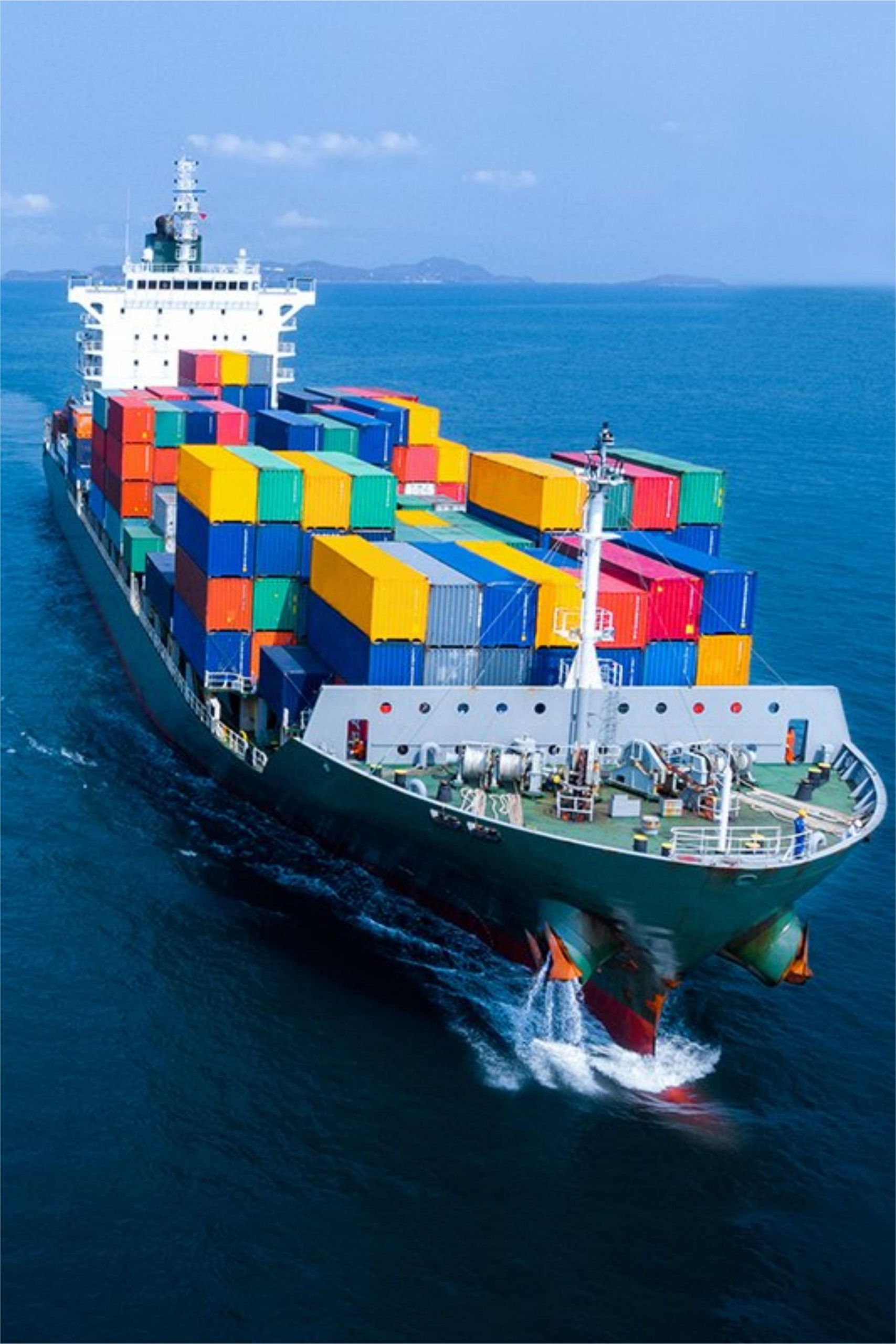
The logistics landscape in 2026 has evolved significantly due to technological advancements and shifting trade alliances in the Pacific. Shipping to Tonga requires a deep understanding of the transshipment hubs that connect major Chinese ports to the island nation. Historically, most cargo moves through larger regional ports before reaching its final destination.
Consequently, businesses must account for these connections when planning their delivery schedules. China remains the primary source of consumer goods, construction materials, and machinery for the Tongan market. Therefore, establishing a reliable supply chain is paramount for maintaining inventory levels and meeting local demand.
Moreover, the geopolitical stability of the Oceania region has fostered more direct maritime links. This stability allows for more predictable freight cycles compared to previous years. However, shippers must remain vigilant regarding seasonal fluctuations in the South Pacific.
Primary Shipping Methods: FCL vs LCL
When arranging sea freight, the choice between Full Container Load (FCL) and Less than Container Load (LCL) is your first major decision. FCL provides a dedicated container for your goods, which typically reduces handling risks and improves security. This method is ideal for large-scale shipments or fragile equipment that requires minimal disturbance.
In contrast, LCL allows multiple shippers to share space within a single container. This approach is highly cost-effective for smaller volumes that do not justify the price of a full 20GP or 40HQ unit. Specifically, businesses importing textiles or small electronics often find LCL to be the most economical solution.
Additionally, the transit times for LCL can be slightly longer due to the consolidation and deconsolidation processes at the ports. You must factor in an extra 5 to 7 days for these logistics steps. Nevertheless, the cost savings for shipments under 15 cubic meters are often worth the additional time.
How Sea Freight Compares to Other Shipping Options
While maritime transport is the backbone of Tongan trade, other modes like air freight offer distinct advantages for specific needs. Speed is the primary differentiator, as planes can bridge the distance in a fraction of the time required by ships. However, the cost per kilogram for air transport is substantially higher than sea-based alternatives.
For EACH shipping scenario, we suggest at least 2-3 alternative approaches based on your priority. If your priority is budget, sea freight is the undisputed winner. On the other hand, if you are dealing with perishable goods or urgent medical supplies, air freight is the only viable path.
Hybrid solutions, such as sea-air combinations via Fiji or Australia, have also gained popularity in 2026. These routes offer a middle ground in terms of both cost and speed. Industry average for this route suggests that hybrid models can save up to 20 percent in costs compared to pure air freight while arriving 15 days faster than standard sea routes.
| Shipping Method | Cost Range | Transit Time | Best For |
|---|---|---|---|
| Sea FCL (20GP) | $2,200 – $3,500 | 28-35 Days | Bulk Goods |
| Sea LCL | $140 – $280/CBM | 35-45 Days | Small Batches |
| Air Freight | $7.50 – $14/kg | 5-8 Days | Urgent Cargo |
| Sea-Air Hybrid | Moderate | 15-20 Days | Retail Goods |
Key Ports and Transit Schedules for 2026
Most China to Tonga container freight originates from major industrial hubs like Shanghai, Ningbo, and Shenzhen. These ports offer the highest frequency of departures and the most competitive rates due to high volume. Consequently, choosing a major port of loading can reduce your overall lead time by several days.
The primary port of discharge in Tonga is Nuku’alofa, which handles the vast majority of the nation’s international cargo. Some smaller shipments may be destined for Neiafu, but these often require additional local transshipment. Understanding the capabilities of these ports is essential for accurate delivery planning.
Market data suggests that transit times have stabilized in early 2026. While weather events can still cause delays, the overall efficiency of the transshipment hubs in Singapore and Brisbane has improved. Shippers should expect a door-to-door timeline of approximately 40 to 50 days for most standard sea shipments.
| Origin Port | Direct/Trans | Sea Transit | Total Door-to-Door |
|---|---|---|---|
| Shanghai | Transshipment | 30 Days | 45 Days |
| Shenzhen | Transshipment | 28 Days | 42 Days |
| Ningbo | Transshipment | 32 Days | 48 Days |
| Qingdao | Transshipment | 35 Days | 52 Days |
Cost Factors and Market Intelligence
Several variables influence the final price of container shipping in the current market. Fuel surcharges, port handling fees, and seasonal demand peaks are the most significant contributors to price volatility. For instance, rates typically increase by 15 to 25 percent during the peak season from August to October.
To mitigate these costs, many businesses utilize door to door services that bundle all fees into a single transparent quote. This approach simplifies budgeting and reduces the likelihood of unexpected destination charges. Furthermore, booking your space at least 3 to 4 weeks in advance can secure lower base rates.
As of Q1 2026, freight rates from China to Oceania have remained relatively stable after the disruptions of previous years. However, you should always monitor local Tongan port fees, which can change with new government regulations. Note: Freight rates are subject to change based on fuel costs, carrier capacity, and seasonal demand. Contact us for a current quote tailored to your specific shipment.
Customs and Documentation Checklist
Navigating the legal requirements of Tongan customs is a critical step in the logistics process. Incomplete or inaccurate documentation is the leading cause of delivery delays and additional storage fees at the port. Therefore, partnering with a professional customs brokerage is highly recommended for first-time importers.
The Tongan Customs Service requires specific documents for all commercial imports to assess duties and taxes correctly. These include the commercial invoice, packing list, and the bill of lading. Additionally, certain products like food or chemicals may require phytosanitary certificates or special permits.
Moreover, the 2026 digital customs initiative in Tonga has streamlined the filing process. Electronic submissions are now the standard, allowing for faster clearance times if all data is correct. Typically, customs clearance in Nuku’alofa takes between 2 to 5 business days depending on the complexity of the cargo.
| Document Name | Purpose | Issuer | Necessity |
|---|---|---|---|
| Bill of Lading | Title of Goods | Carrier | Mandatory |
| Commercial Invoice | Value Declaration | Exporter | Mandatory |
| Packing List | Cargo Detail | Exporter | Mandatory |
| Certificate of Origin | Duty Preference | Chamber of Commerce | Recommended |
Real-World Case Studies for China to Tonga Container Freight
Case Study 1: Solar Energy Equipment from Shenzhen to Nuku’alofa. A Tongan renewable energy firm required the transport of 200 solar panels and battery systems. They utilized a 40HQ container via transshipment in Brisbane. The total ocean freight cost was $3,850, with a transit time of 34 days. The shipment was successful due to careful packing and early customs filing, resulting in zero port storage fees.
Case Study 2: Retail Apparel from Shanghai to Neiafu. A local boutique imported 8 CBM of mixed clothing using LCL services. The cargo was consolidated in Shanghai and transshipped through Fiji. Total landed cost was $2,100, including local delivery. Despite a 5-day delay in Fiji due to port congestion, the goods arrived in time for the holiday season. This case highlights the importance of building a buffer into your delivery schedule.
Case Study 3: Construction Machinery from Qingdao to Nuku’alofa. An infrastructure project required heavy excavators shipped as Breakbulk on a container vessel. The total door-to-door cost reached $12,000 due to specialized handling and oversized permits. By using a direct route to the regional hub, the client saved 10 days in transit compared to standard feeder services. Based on early 2026 market rates, this was considered a highly efficient move.

Strategic Decision Framework: Which Option to Choose?
Selecting the optimal shipping strategy requires a clear assessment of your business priorities. If your primary goal is cost minimization, Sea LCL or FCL is the logical choice for almost all scenarios. However, for high-value items where the cost of capital is high, the speed of air freight may justify the expense.
Volume thresholds also play a significant role in your decision. For shipments under 1 cubic meter, express services are often more practical than sea freight. Once you exceed 15 cubic meters, the transition to a 20GP container usually offers better value and security than LCL.
Finally, consider the nature of your cargo. Fragile or hazardous materials often require the specialized handling found in FCL shipments. For those shipping to other regions like Australia or nearby islands, regional hubs can provide flexible routing options that save both time and money.
Final Thoughts on Shipping to Tonga
Successfully managing China to Tonga container freight requires a combination of local knowledge and global logistics expertise. By choosing the right shipping method and preparing documentation meticulously, you can avoid the common pitfalls of international trade. Remember that the cheapest option is not always the most efficient if it leads to stockouts or damaged goods.
As we move through 2026, staying informed about market trends and port developments in Nuku’alofa will remain crucial. Utilize the tables and case studies provided in this guide to benchmark your own shipping performance. With the right partner and a proactive strategy, your Pacific trade operations can achieve new levels of reliability and profitability.

Need a tailored shipping solution?
Ready to streamline your China to Tonga container freight operations? Contact our expert logistics team today for a customized quote and professional guidance on your next shipment. Visit Top Logistics to get started. Send Inquiry: Visit https://toplogisticslt.com/ to learn more.