

China to New Zealand Import Export Logistics: 2026 Guide
Successfully navigating the complexities of China to New Zealand import export logistics is essential for businesses aiming to thrive in the modern Pacific trade corridor. As we move through 2026, the logistics landscape has evolved with new digital tracking requirements and updated environmental regulations. Consequently, importers must understand the nuances of freight forwarding to ensure their goods arrive safely and on schedule. This comprehensive guide provides the strategic insights needed to optimize your supply chain from Shanghai to Auckland.
✦
What are the Primary Shipping Methods for China to New Zealand?
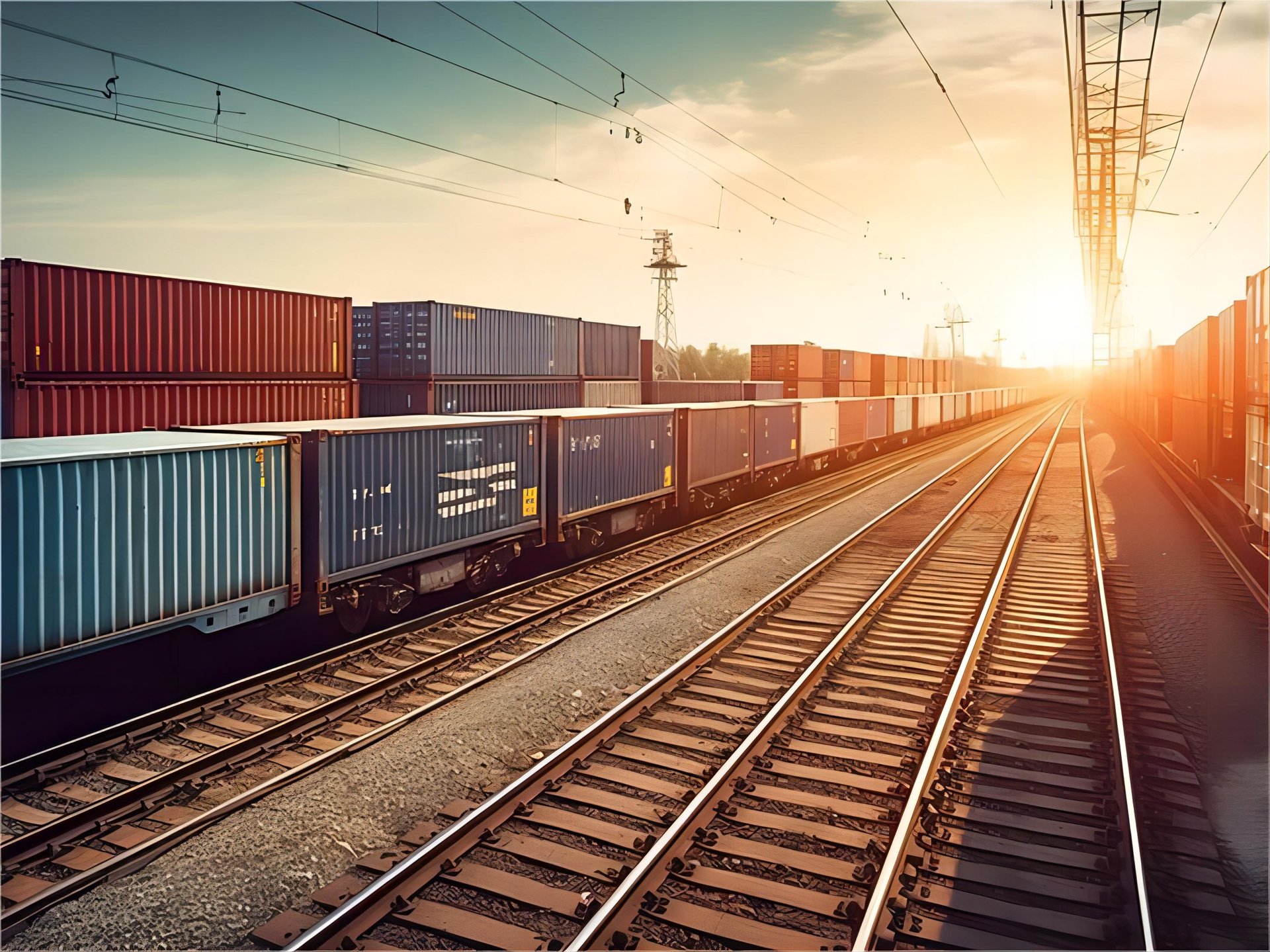
Choosing the right transportation mode is the most critical decision in the shipping process. Historically, businesses have relied on two main avenues: ocean freight and air cargo. Each method offers distinct advantages depending on the volume of goods and the required delivery speed. Furthermore, the choice between these methods significantly impacts the total landed cost of your products in the New Zealand market.
For large-scale shipments, sea freight remains the most economical solution for bulk commodities and heavy machinery. Most cargo departs from major hubs like Shanghai, Ningbo, or Shenzhen and arrives at New Zealand ports such as Auckland, Tauranga, or Lyttelton. In contrast, businesses dealing with high-value electronics or urgent medical supplies often prefer air freight to minimize transit times. Although more expensive, air transport provides a level of security and speed that sea routes cannot match in the current 2026 market.
Additionally, the rise of e-commerce has led to increased demand for specialized courier solutions. These services bridge the gap for small parcels that do not justify a full container load. Therefore, understanding the volume thresholds for each method is vital for maintaining a healthy profit margin.
| Method | Transit Time | Cost Level | Best For |
|---|---|---|---|
| Sea Freight (FCL) | 14-22 Days | Low | Bulk goods, Furniture |
| Sea Freight (LCL) | 18-25 Days | Medium | Small business stock |
| Air Freight | 3-7 Days | High | Electronics, Samples |
| Express Service | 2-4 Days | Very High | Urgent documents, Small parcels |
How Does Sea Freight Compare to Other Shipping Options?
When evaluating China to New Zealand import export logistics, sea freight is often compared against air and express services. While sea freight offers the lowest cost per unit, it requires significantly more lead time for inventory management. Specifically, a 40HQ container from Shenzhen to Auckland might cost $1,600 to $2,200 in early 2026, whereas air freight for the same weight would be astronomically higher. However, sea freight is subject to port congestion and weather-related delays that can disrupt tight schedules.
Alternative strategies involve utilizing hybrid solutions or optimizing container space. For instance, some companies use Sea-Air combinations via transshipment hubs, though this is less common for the New Zealand route compared to European destinations. Another strategy is to maximize Full Container Load (FCL) shipments instead of Less than Container Load (LCL) to avoid the higher handling fees associated with consolidation. Consequently, if your volume exceeds 15 CBM, FCL is almost always the more cost-effective choice.
Moreover, businesses must consider the trade-offs between direct routes and transshipment. Direct services from China to Auckland are faster but may carry a premium price. Meanwhile, routes that stop in Southeast Asia or Australia can save 10% on freight costs but add 5 to 7 days to the total transit time. Therefore, the decision depends on whether your priority is budget or speed.
| Shipping Method | Cost Range | Transit Time | Limitations |
|---|---|---|---|
| Sea FCL 20GP | $900 – $1,300 | 15-20 Days | Fixed volume capacity |
| Sea LCL (per CBM) | $60 – $95 | 20-25 Days | Higher risk of damage |
| Air Freight (per kg) | $4.50 – $7.50 | 3-6 Days | Strict weight limits |
| Express Courier | $8.00 – $12.00 | 2-4 Days | Highest cost per unit |
Navigating New Zealand Customs and Compliance Requirements
One of the most challenging aspects of trans-Pacific trade is dealing with the customs brokerage process. New Zealand has some of the world’s strictest biosecurity laws, managed by the Ministry for Primary Industries (MPI). Any shipment containing organic matter, wood packaging, or used machinery must undergo rigorous inspection. Failure to comply with these standards can result in expensive fumigation fees or even the destruction of cargo.
Furthermore, importers must be prepared for the financial obligations of GST and import duties. Most goods imported into New Zealand are subject to a 15% Goods and Services Tax based on the landed value. Additionally, specific tariff classifications under the NZ-China Free Trade Agreement can reduce or eliminate duties for qualifying products. However, obtaining a valid Certificate of Origin is a mandatory step to claim these preferential rates.
Indeed, working with a professional logistics partner can streamline this process. They ensure that all documentation, including the Bill of Lading, Commercial Invoice, and Packing List, is accurate and submitted on time. As a result, your goods can clear customs within 24 to 48 hours of arrival, avoiding costly demurrage charges at the port.
Real-World Case Studies in China-NZ Logistics
Case Study 1: Large Scale Furniture Import. Route: Foshan, China to Auckland, NZ. Cargo: Home Furniture, 68 CBM. Container: 40HQ. Shipping Details: Carrier: COSCO. Port of Loading: Nansha. Port of Discharge: Auckland. Route Type: Direct. Cost Breakdown: Ocean Freight: $1,950; Origin Charges: $350; Destination Charges: $420; Customs and Duties: $4,800; Total Landed Cost: $7,520. Timeline: Booking to Loading: 4 days; Sea Transit: 18 days; Customs Clearance: 2 days; Total Door-to-Door: 24 days. Key Insight: Utilizing FCL allowed the importer to avoid the damage risks associated with LCL for fragile furniture items.
Case Study 2: Urgent Electronics Restock. Route: Shenzhen, China to Christchurch, NZ. Cargo: Smartwatch components, 1.2 CBM, 280 kg. Shipping Details: Carrier: Air China Cargo. Port of Loading: Shenzhen Baoan. Port of Discharge: Christchurch International. Route Type: Transshipment via Sydney. Cost Breakdown: Air Freight: $1,680; Origin Charges: $120; Destination Charges: $150; Customs and Duties: $2,100; Total Landed Cost: $4,050. Timeline: Booking to Loading: 1 day; Air Transit: 3 days; Customs Clearance: 1 day; Total Door-to-Door: 5 days. Key Insight: Despite higher costs, the speed of air freight prevented a stock-out during a major 2026 promotional event.
Which Shipping Option Should You Choose?
Deciding on the best logistics strategy requires a clear understanding of your business priorities. If your primary goal is budget optimization, sea freight is the clear winner for shipments over 2 cubic meters. Specifically, planning your inventory cycles 3 months in advance allows you to take advantage of the lower rates offered by ocean carriers. Moreover, choosing a door to door service can simplify your operations by consolidating all costs into a single invoice.
On the other hand, if you are launching a new product or responding to an unexpected surge in demand, speed becomes the priority. In these scenarios, express service or standard air freight is necessary to maintain customer satisfaction. For shipments under 100 kg, express couriers are often more efficient because they handle the entire customs process as part of their service fee. Consequently, small businesses often start with express and transition to sea freight as their volumes grow.
Finally, consider the nature of your cargo. Perishable goods or high-security items may require specialized handling that only certain carriers provide. Always request a detailed quote that includes all potential surcharges, such as Low Sulphur Surcharge (LSS) or Peak Season Surcharge (PSS), to avoid surprises in your 2026 logistics budget.
Trends Influencing China to New Zealand Logistics in 2026
The logistics industry is currently experiencing a digital revolution that is enhancing transparency for New Zealand importers. Specifically, blockchain-based tracking systems now allow businesses to monitor their cargo in real-time from the factory floor in China to the warehouse in Wellington. This level of visibility helps in managing expectations with end customers and optimizing local delivery schedules. Furthermore, the adoption of green fuels by major shipping lines is beginning to influence freight rates, with eco-friendly routes sometimes carrying a small ‘carbon premium’.
Additionally, the 2026 market has seen a shift toward decentralized warehousing. Instead of shipping everything to Auckland, more companies are utilizing direct calls to Tauranga and Lyttelton to reduce inland transport costs. This strategy is particularly effective for heavy goods destined for the South Island. As a result, diversifying your ports of entry can lead to significant savings on the final leg of the journey.
Moreover, geopolitical stability in the Pacific region has helped stabilize freight rates compared to the volatility seen in 2024 and 2025. While seasonal fluctuations during the Chinese New Year and the Q4 peak season still exist, they are more predictable now. Therefore, businesses that lock in annual contracts with freight forwarders in early 2026 are seeing the best price stability.
Mastering Your Pacific Trade Strategy
In summary, managing China to New Zealand import export logistics effectively requires a balanced approach to cost, speed, and compliance. By understanding the differences between sea and air freight, and staying informed about 2026 customs regulations, you can ensure a smooth flow of goods. Whether you are a small business owner or a large enterprise, the right logistics partner is the key to unlocking the full potential of your international trade operations. Start optimizing your routes today to stay ahead in the competitive New Zealand market.
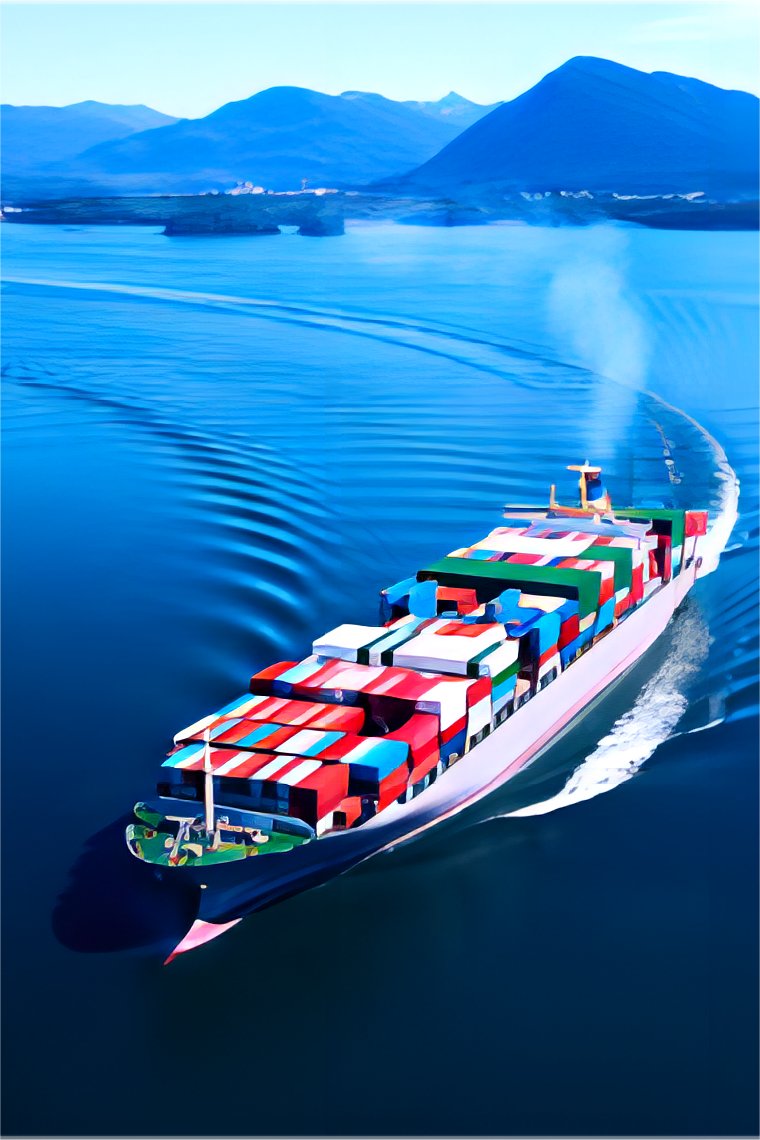
Streamline your supply chain today with professional China to New Zealand import export logistics solutions. Contact our expert team for a customized freight quote tailored to your specific business needs. Visit https://toplogisticslt.com/ to learn more and request your free consultation. Send Inquiry: Visit our website to get started.
Frequently Asked Questions
How long does sea freight take from China to New Zealand?
What is the cheapest way to ship small parcels to NZ?
Do I need a customs broker for New Zealand imports?
What are the major import ports in New Zealand?
Are there specific items prohibited from China to NZ?
How is GST calculated on imported goods?
What is the difference between FCL and LCL?
Can I track my shipment from China in real-time?