

International Freight New Zealand Imports: The 2026 Logistics Guide
Managing international freight New Zealand imports requires a sophisticated understanding of global supply chains and local maritime regulations. Consequently, businesses must navigate fluctuating fuel surcharges and strict biosecurity protocols to ensure their cargo arrives on time. This comprehensive guide explores the most efficient logistics strategies for 2026, helping you minimize transit times and reduce overall landed costs for your New Zealand-bound shipments.
What Are the Primary Methods for International Freight New Zealand Imports?
Selecting the right transportation mode is the most critical decision in the procurement process. Furthermore, the geographical isolation of New Zealand means that sea and air remain the only viable options for international trade. Importers must weigh the urgency of their inventory needs against the budget constraints of their business model.
Sea freight remains the backbone of the industry, handling over 90 percent of the country’s import volume by weight. Specifically, sea freight offers the most economical solution for bulk commodities, heavy machinery, and large consumer goods. For smaller, high-value shipments, air freight provides the speed necessary to maintain lean inventory levels, although it comes at a significantly higher price point.
Moreover, the choice between Full Container Load (FCL) and Less than Container Load (LCL) further complicates the decision. FCL is generally faster and more secure for large volumes, while LCL allows smaller businesses to share container space and reduce costs. In 2026, we have seen a rise in hybrid solutions that combine different modes to balance cost and speed.
| Shipping Method | Average Transit Time | Cost Level | Best For |
|---|---|---|---|
| Sea Freight (FCL) | 14 – 22 Days | Low | Bulk goods and large volumes |
| Sea Freight (LCL) | 18 – 28 Days | Medium-Low | Small pallets and crates |
| Air Freight | 3 – 7 Days | High | Urgent or high-value items |
| Express Courier | 2 – 5 Days | Very High | Documents and small parcels |
How Does Sea Freight Compare to Other Shipping Options?
Analyzing the trade-offs between different logistics modes is essential for maintaining a competitive edge. While sea freight is the most common method for international freight New Zealand imports, it is not always the most efficient for every scenario. Businesses must consider the total landed cost, which includes port fees, trucking, and insurance.
Consequently, air freight is often preferred for electronics, pharmaceuticals, and seasonal fashion items where time-to-market is critical. Nevertheless, for heavy industrial equipment or furniture, the cost of air transport would be prohibitive. Therefore, most high-volume importers utilize a diversified strategy, using sea freight for the majority of their stock and air freight for urgent replenishment.
Comparing these options requires looking at the 2026 market data, where sea freight rates have stabilized at approximately 1,200 to 1,800 dollars per 20GP container from major Asian ports. In contrast, air freight rates currently fluctuate between 4.50 and 7.00 dollars per kilogram depending on the season and carrier capacity.
| Shipping Method | Cost Range (USD) | Transit Time | Limitations |
|---|---|---|---|
| Sea Freight | $1,200 – $2,500 | 14-30 Days | Slow transit, port congestion |
| Air Freight | $5,000 – $15,000 | 3-7 Days | High cost, weight limits |
| Express Service | $100 – $500 (per parcel) | 2-5 Days | Very expensive for bulk |
Why Is Customs Brokerage Vital for New Zealand Compliance?
Navigating the regulatory landscape is perhaps the most daunting aspect of importing into New Zealand. The Ministry for Primary Industries (MPI) enforces some of the strictest biosecurity laws in the world to protect the local ecosystem. Consequently, any errors in documentation can lead to significant delays, additional storage fees, or even the destruction of goods.
Engaging a professional customs brokerage service ensures that all declarations are accurate and compliant with the latest 2026 regulations. Brokers handle the calculation of GST, customs duties, and the Import Entry Transaction Fee (IETF). Furthermore, they provide expert advice on tariff classifications, which can potentially save importers thousands of dollars in unnecessary duties.
Moreover, specialized services like Amazon FBA logistics require precise labeling and prep work before reaching New Zealand fulfillment centers. Without a dedicated broker, managing these requirements across international borders becomes a logistical nightmare. Professional brokers also manage the complex ‘Customs Value’ calculations, ensuring that all freight and insurance costs are correctly included in the taxable total.
Can Door to Door Logistics Simplify Your Supply Chain?
Implementing a door to door service model eliminates the need for importers to manage multiple vendors. This all-inclusive approach covers everything from the initial pick-up at the factory to the final delivery at a warehouse in Auckland or Christchurch. As a result, businesses can focus on sales and marketing rather than tracking individual containers across different stages of the journey.
Additionally, this model provides much better visibility and accountability throughout the transit process. When a single provider manages the entire chain, the risk of communication breakdowns between truckers, port authorities, and customs agents is minimized. For many small to medium enterprises, this convenience far outweighs the slightly higher service fee associated with integrated logistics.
Furthermore, modern tracking technology in 2026 allows for real-time updates at every milestone. Importers can see exactly when their cargo clears customs and when it is loaded onto a local delivery truck. This level of transparency is essential for managing customer expectations and planning warehouse labor requirements effectively.
What Real-World Examples Demonstrate Successful Import Strategies?
Examining actual shipping data provides valuable context for new importers. Below are two detailed case studies based on market rates from early 2026. These examples illustrate the typical costs and timelines associated with different cargo types and shipping methods.
Case Study 1: High-Volume Electronics Import Route: Shenzhen, China to Auckland, New Zealand Cargo: Consumer Electronics, 65 CBM, 12,000 kg Container: 40HQ Shipping Details: – Carrier: Major Carrier (Direct Service) – Port of Loading: Shenzhen – Port of Discharge: Auckland – Route Type: Direct Cost Breakdown: – Ocean Freight: $1,950 – Origin Charges: $380 – Destination Charges: $420 – Customs and Duties: $1,450 – Total Landed Cost: $4,200 Timeline: – Booking to Loading: 5 days – Sea Transit: 16 days – Customs Clearance: 2 days – Total Door-to-Door: 23 days Key Insight: Using a direct route saved 6 days compared to transshipment options.
Case Study 2: Urgent Industrial Machinery Parts Route: Shanghai, China to Wellington, New Zealand Cargo: Steel Components, 3 CBM, 850 kg Container: LCL (Less than Container Load) Shipping Details: – Carrier: Major Carrier – Port of Loading: Shanghai – Port of Discharge: Wellington – Route Type: Transshipment via Singapore Cost Breakdown: – Ocean Freight: $450 – Origin Charges: $150 – Destination Charges: $280 – Customs and Duties: $320 – Total Landed Cost: $1,200 Timeline: – Booking to Loading: 3 days – Sea Transit: 24 days – Customs Clearance: 3 days – Total Door-to-Door: 30 days Key Insight: LCL was 40 percent cheaper than air freight for this weight, despite the longer transit time.
Note: Freight rates are subject to change based on fuel costs, carrier capacity, and seasonal demand. Contact us for a current quote tailored to your specific shipment. While these examples focus on China, similar principles apply when shipping from Australia or other regional hubs.
Which Option Should You Choose for Your Specific Cargo?
Deciding on a shipping strategy requires a clear framework based on your business priorities. If your primary goal is cost reduction, sea freight is the clear winner for almost all cargo types. However, if you are dealing with perishable goods or high-value items with a short shelf life, the speed of air freight justifies the additional expense.
Importers should also consider the volume of their shipments. For cargo under 15 CBM, LCL is typically the most cost-effective sea freight option. Once you exceed 15 CBM, the price gap between LCL and a 20GP full container narrows significantly, making FCL a more attractive choice due to its faster transit and reduced handling risks.
Specifically, businesses should evaluate their ‘Speed vs. Budget’ requirements. For a budget priority, choose Sea Freight FCL or LCL. For a speed priority, choose Air Freight. For cargo type considerations, use Sea Freight for heavy/bulky items and Air Freight for fragile/expensive items. Volume thresholds suggest switching from LCL to FCL at approximately 15-18 CBM.
| Priority | Recommended Method | Key Benefit | Trade-off |
|---|---|---|---|
| Lowest Cost | Sea Freight LCL | Pay only for space used | Longer transit times |
| Maximum Speed | Air Freight | Delivery in under a week | Highest shipping cost |
| High Volume | Sea Freight FCL | Lower cost per unit | Requires large inventory |
| Small Parcels | Express Service | Simplified customs | Weight restrictions |
What Are the Current Trends in New Zealand Logistics for 2026?
Staying informed about market trends is vital for long-term planning. As of Q1 2026, freight rates from Asia to New Zealand have stabilized after the disruptions seen in previous years. Furthermore, many carriers have introduced more fuel-efficient vessels, which has helped mitigate the impact of rising carbon taxes.
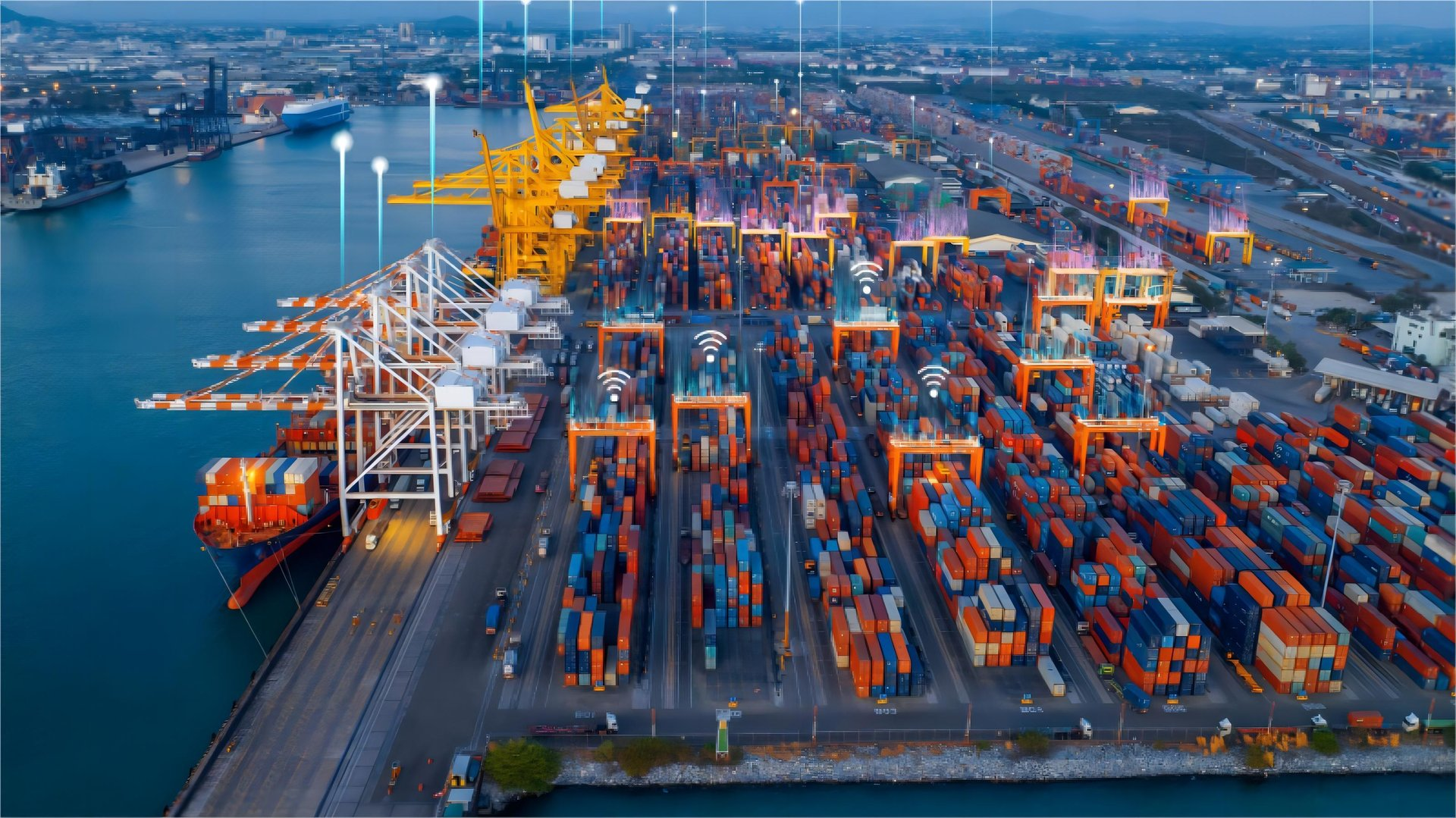
Additionally, the integration of AI-driven logistics platforms has improved route optimization and port scheduling. Consequently, transit times have become more predictable, although seasonal peaks still cause occasional congestion during the October to December period. Importers are encouraged to book their space at least 3-4 weeks in advance during these peak windows to avoid premium surcharges.
Moreover, the focus on sustainable shipping is increasing. Many New Zealand companies are now requesting ‘Green Freight’ options, which utilize biofuels or carbon-offsetting programs. While these options may carry a small premium, they are becoming an essential part of corporate social responsibility for modern importers.
Maximizing Efficiency in New Zealand Imports
To summarize, successful international freight New Zealand imports depend on selecting the right shipping mode, ensuring customs compliance, and choosing a reliable logistics partner. By understanding the differences between sea and air freight, businesses can make informed decisions that balance cost and speed.
Ultimately, the goal is to create a resilient supply chain that can withstand market fluctuations and regulatory changes. Whether you are a small business owner or a large-scale distributor, applying the strategies outlined in this guide will help you navigate the complexities of New Zealand logistics with confidence. Start planning your next shipment today to secure the best rates and transit times available in the 2026 market.
Need a tailored shipping solution?
Streamline your supply chain today with expert guidance on international freight New Zealand imports. Visit our inquiry page to receive a personalized quote and optimize your logistics strategy for 2026. Send Inquiry: https://toplogisticslt.com/