

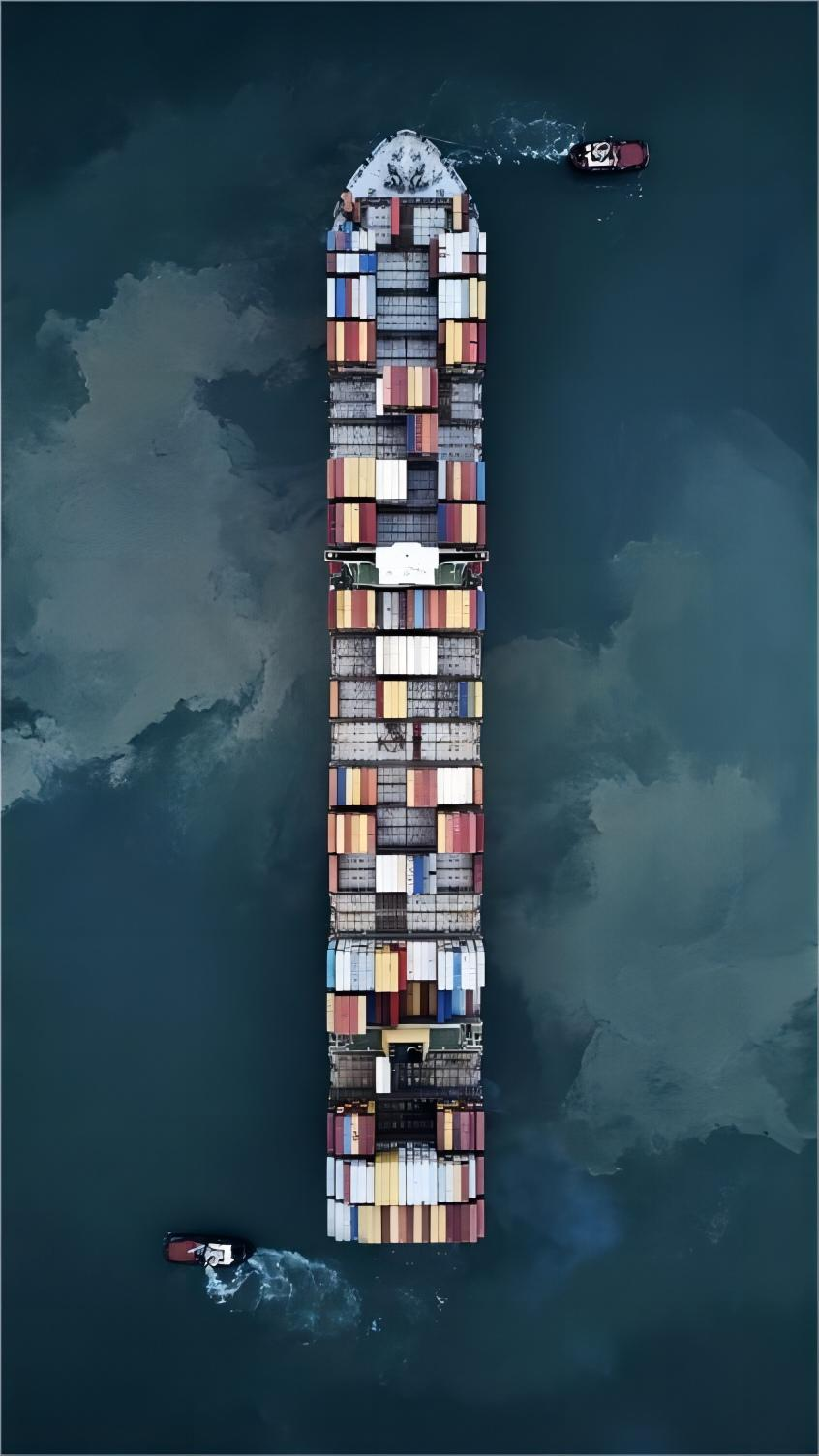
Comprehensive Logistics Services for Australian Importers in 2026 | Top 5 Options: 1. Strategic Logistics Services for A
Australian businesses operating in the global marketplace require robust logistics services for Australian importers to navigate the complexities of international trade effectively. Specifically, the geographical isolation of the continent makes efficient supply chain management a critical factor for commercial success. Consequently, partnering with a professional freight forwarder ensures that your cargo arrives safely and on schedule. This guide provides an in-depth analysis of the best strategies for managing your imports in 2026.

Why Modern Logistics Services for Australian Importers Matter
Specifically, the current trade environment in 2026 demands higher transparency and faster transit times than ever before. Importers must manage fluctuating shipping costs while ensuring that their inventory levels remain stable. Therefore, professional logistics services for Australian importers provide the necessary infrastructure to handle these variables with precision.
Moreover, advanced tracking technologies now allow businesses to monitor their shipments in real-time across the Pacific and Indian Oceans. This visibility reduces the risk of stockouts and allows for better planning of local distribution schedules. Consequently, companies that invest in high-quality logistics partnerships often see a significant improvement in their bottom line.
Additionally, the regulatory landscape in Australia continues to evolve with new environmental and security requirements. Experienced providers stay ahead of these changes to prevent costly delays at the border. Indeed, a proactive approach to logistics management is the hallmark of a successful importing business in the modern era.
Primary Shipping Methods: Sea Freight vs Air Freight
Choosing between sea freight and air freight is one of the most significant decisions an importer will make. Usually, sea freight offers the most cost-effective solution for large volumes of goods, such as furniture or industrial machinery. Meanwhile, air freight serves as the primary choice for high-value or time-sensitive items like electronics and fashion.
Furthermore, the transit time for ocean transport from major Asian hubs to Australian ports typically ranges from 12 to 22 days. In contrast, air cargo can reach major cities like Sydney or Melbourne in as little as 3 to 7 days. Therefore, the choice depends heavily on your specific budget and delivery requirements.
Significantly, freight rates in 2026 have stabilized following the disruptions of previous years, making it easier to forecast annual shipping expenses. Nevertheless, importers should always maintain a flexible strategy to account for seasonal peaks. Specifically, the period leading up to the end-of-year holidays often sees a spike in both demand and pricing.
| Shipping Method | Cost Level | Transit Time | Best For |
|---|---|---|---|
| Sea Freight (FCL) | Low | 12-18 Days | Bulk Shipments |
| Sea Freight (LCL) | Medium | 15-22 Days | Small Volumes |
| Air Freight | High | 3-7 Days | Urgent Goods |
| Express Service | Very High | 2-4 Days | Documents/Samples |
How Does Sea Freight Compare to Other Shipping Options?
Regarding the Australian route, sea freight remains the dominant mode of transport due to the lack of viable land-based alternatives like rail. However, within the realm of ocean transport, importers can choose between Full Container Load (FCL) and Less than Container Load (LCL) options. Specifically, FCL is ideal for those who can fill a 20GP or 40HQ container, providing better security and faster handling.
Consequently, LCL shipping allows smaller businesses to share container space, which significantly reduces the entry barrier for new importers. Furthermore, hybrid solutions like sea-air services are becoming more popular for shipments that require a balance between cost and speed. These strategies involve shipping by sea to a hub like Singapore and then completing the journey by air.
Similarly, choosing a direct route over a transshipment option can save several days of transit time. While direct services often carry a premium price, the reduction in handling risks and potential delays is often worth the investment. Therefore, importers should evaluate the total landed cost rather than just the initial freight rate.
| Method | Cost Range | Transit Time | Best For |
|---|---|---|---|
| Direct Sea | $1,200-2,000 | 12-15 Days | Speed Priority |
| Transshipment | $900-1,500 | 18-25 Days | Budget Priority |
| Sea-Air Hybrid | $3,000-5,000 | 8-12 Days | Balanced Needs |
| FCL Priority | $1,500-2,500 | 11-14 Days | High Value Bulk |

Understanding Customs Brokerage and Compliance
Navigating the complexities of the Australian Border Force requires specialized knowledge of customs brokerage procedures. Specifically, incorrect documentation can lead to significant fines and lengthy delays at the port of entry. Therefore, professional logistics services for Australian importers include comprehensive compliance checks to ensure all paperwork meets local standards.
Moreover, the implementation of new digital customs platforms in 2026 has streamlined the filing process for many businesses. However, the requirement for accurate tariff classification and valuation remains a critical responsibility for the importer. Consequently, working with an experienced broker helps minimize the risk of audits and ensures that you pay the correct amount of duties and taxes.
Additionally, certain goods may require specific permits or quarantine inspections under Australia’s strict biosecurity laws. Indeed, failing to declare organic materials or restricted items can result in the destruction of the cargo. Therefore, a thorough understanding of the Import Processing Charge and GST requirements is essential for maintaining a smooth supply chain.
| Document Name | Purpose | Required By | Criticality |
|---|---|---|---|
| Commercial Invoice | Valuation | Customs | Mandatory |
| Packing List | Cargo Detail | Port/Customs | Mandatory |
| Bill of Lading | Title of Goods | Carrier | Mandatory |
| Origin Certificate | Duty Reduction | Customs | Optional/Advised |
Door to Door Solutions for Seamless Delivery
Many businesses now prefer door to door services to simplify their logistics operations. Specifically, this model involves the freight forwarder managing every step of the journey, from the supplier’s warehouse in China to the final destination in Australia. Consequently, the importer only needs to deal with a single point of contact, which reduces administrative overhead.
Furthermore, this integrated approach often includes local cartage and de-vanning services once the container arrives at the Australian port. Therefore, businesses can focus on their core operations while the logistics provider handles the complexities of transport and local delivery. Significantly, door to door services provide a more predictable pricing structure, as most costs are bundled into a single quote.
Indeed, the rise of e-commerce has increased the demand for these comprehensive solutions among smaller retailers. Meanwhile, larger corporations utilize these services to optimize their just-in-time inventory systems. Ultimately, the convenience and reliability of end-to-end management make it a preferred choice for many modern importers.
Cost-Saving Strategies and Alternative Approaches
Implementing effective cost-saving strategies is vital for maintaining healthy margins when shipping from China to Australia. Specifically, consolidating multiple small shipments into a single LCL or FCL load can significantly reduce per-unit transport costs. Additionally, negotiating annual contracts with carriers can provide more stable pricing during peak seasons.
Moreover, optimizing the packaging of your goods to maximize container space utilization is a simple yet effective way to lower expenses. For instance, reducing the amount of dead air in boxes can allow for more products to fit in a single shipment. Consequently, this lowers both the freight cost and the carbon footprint of your logistics operations.
Furthermore, importers should consider using bonded warehouses to defer the payment of duties and GST until the goods are ready for sale. Therefore, this improves cash flow and provides more flexibility in managing inventory levels. Note: Freight rates are subject to change based on fuel costs, carrier capacity, and seasonal demand. Contact us for a current quote tailored to your specific shipment.
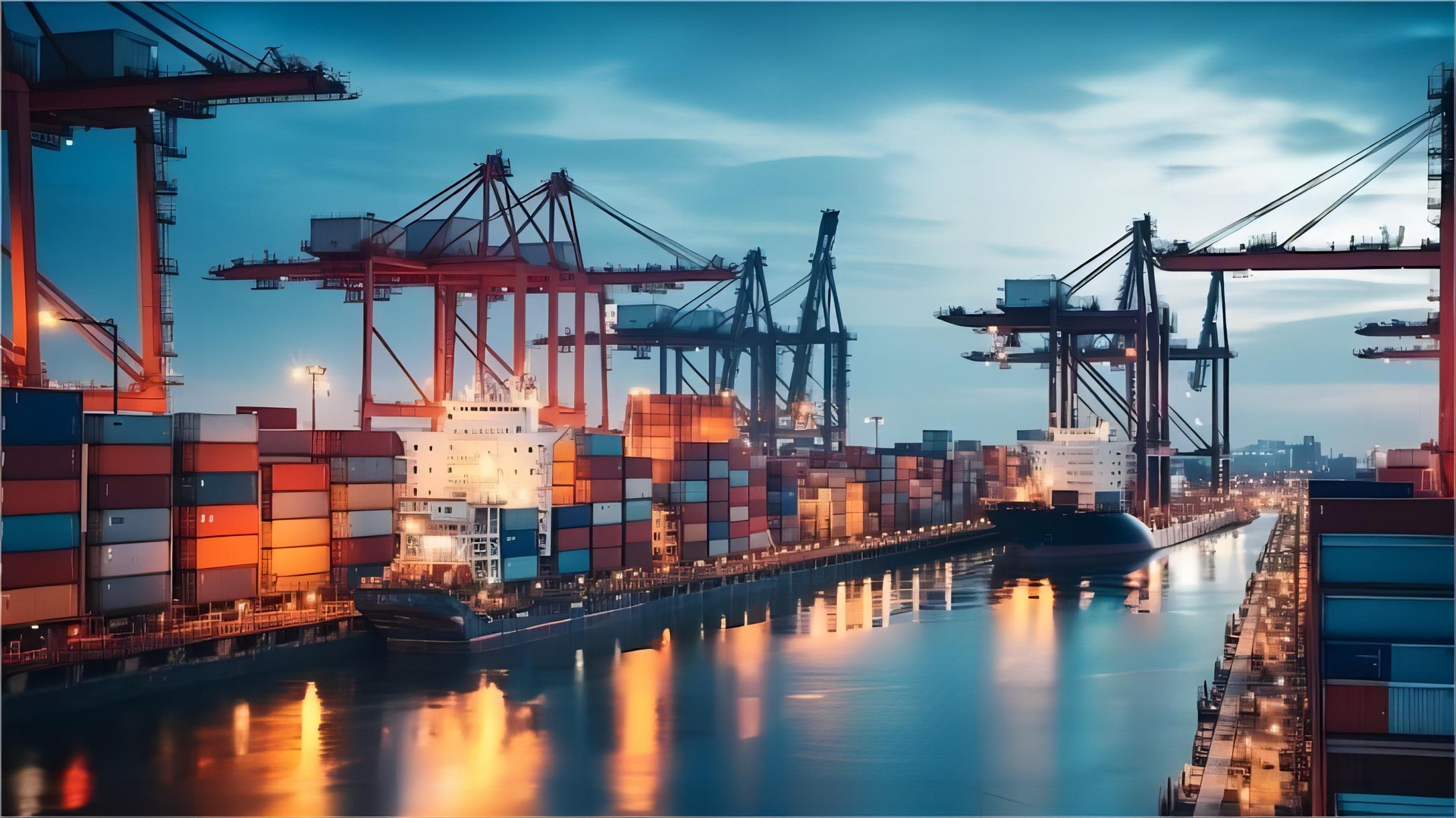
Real-World Case Studies for Australian Cargo
Case Study 1: High-Tech Electronics from Shenzhen to Sydney. Specifically, a local retailer needed to import 5 CBM of high-end tablets for a product launch. Route: Shenzhen to Sydney. Cargo: Electronics, 5 CBM, 1,200 kg. Method: LCL Sea Freight via major carrier. Ocean Freight: $450. Origin/Dest Charges: $650. Total Landed Cost: $1,100. Timeline: 16 days door-to-door. Key Insight: Early booking during the 2026 Q1 period avoided the post-Lunar New Year congestion.
Case Study 2: Furniture Shipment from Ningbo to Melbourne. Specifically, a home styling business required a full 40HQ container for a new showroom. Route: Ningbo to Melbourne. Cargo: Assembled Furniture, 68 CBM, 12,000 kg. Container: 40HQ. Method: FCL Sea Freight. Ocean Freight: $1,850. Customs and Duties: $4,200. Total Landed Cost: $6,050. Timeline: 19 days. Key Insight: Utilizing a direct service saved 5 days compared to a transshipment via Singapore, ensuring the showroom opened on schedule.
Case Study 3: Urgent Fashion Inventory from Shanghai to Brisbane. Specifically, a boutique needed to restock seasonal items quickly. Route: Shanghai to Brisbane. Cargo: Apparel, 2 CBM, 400 kg. Method: Air Freight. Total Cost: $3,200. Timeline: 4 days. Key Insight: While air freight was more expensive, the immediate availability of stock prevented a projected $10,000 loss in seasonal sales.
Which Option Should You Choose? Decision Framework
Choosing the right logistics services for Australian importers depends on several key criteria. Specifically, if your primary goal is budget optimization, sea freight remains the undisputed leader for large volumes. However, if speed is your top priority to meet market demand, air freight or express services are necessary. Therefore, you must weigh the cost against the urgency of your inventory needs.
Moreover, the nature of your cargo plays a significant role in the decision-making process. For example, perishable goods or hazardous materials require specialized handling and faster transit times. Consequently, you must ensure that your logistics provider has the expertise and equipment to manage these specific requirements safely.
Finally, consider the volume of your shipments over a long-term period. If you consistently ship small quantities, an LCL or sea-air hybrid strategy might be more sustainable than occasional FCL loads. Ultimately, a balanced approach that utilizes different methods based on current market conditions will provide the most resilience for your supply chain.
Mastering Logistics Services for Australian Importers
To summarize, successful importing in 2026 requires a strategic approach to logistics management and a deep understanding of the global freight landscape. Specifically, by choosing the right shipping methods and ensuring customs compliance, businesses can significantly reduce their operational risks. Moreover, the integration of professional logistics services for Australian importers allows for greater focus on growth and customer satisfaction.
Therefore, staying informed about market trends and maintaining a flexible supply chain will remain key advantages in the years to come. Whether you utilize sea freight for bulk shipments or air freight for urgent deliveries, the right partnership makes all the difference. Consequently, we encourage you to evaluate your current logistics strategy and embrace the tools and services available for 2026 success.
Ready to streamline your logistics?
Professional logistics services for Australian importers provide the foundation for a scalable and efficient international business. Our team offers tailored solutions to optimize your 2026 supply chain, ensuring your cargo arrives on time and within budget. Contact us today to request a comprehensive quote and discover how we can simplify your importing process. Visit our website to start your inquiry and secure the best freight rates for your next shipment.
Request Quote