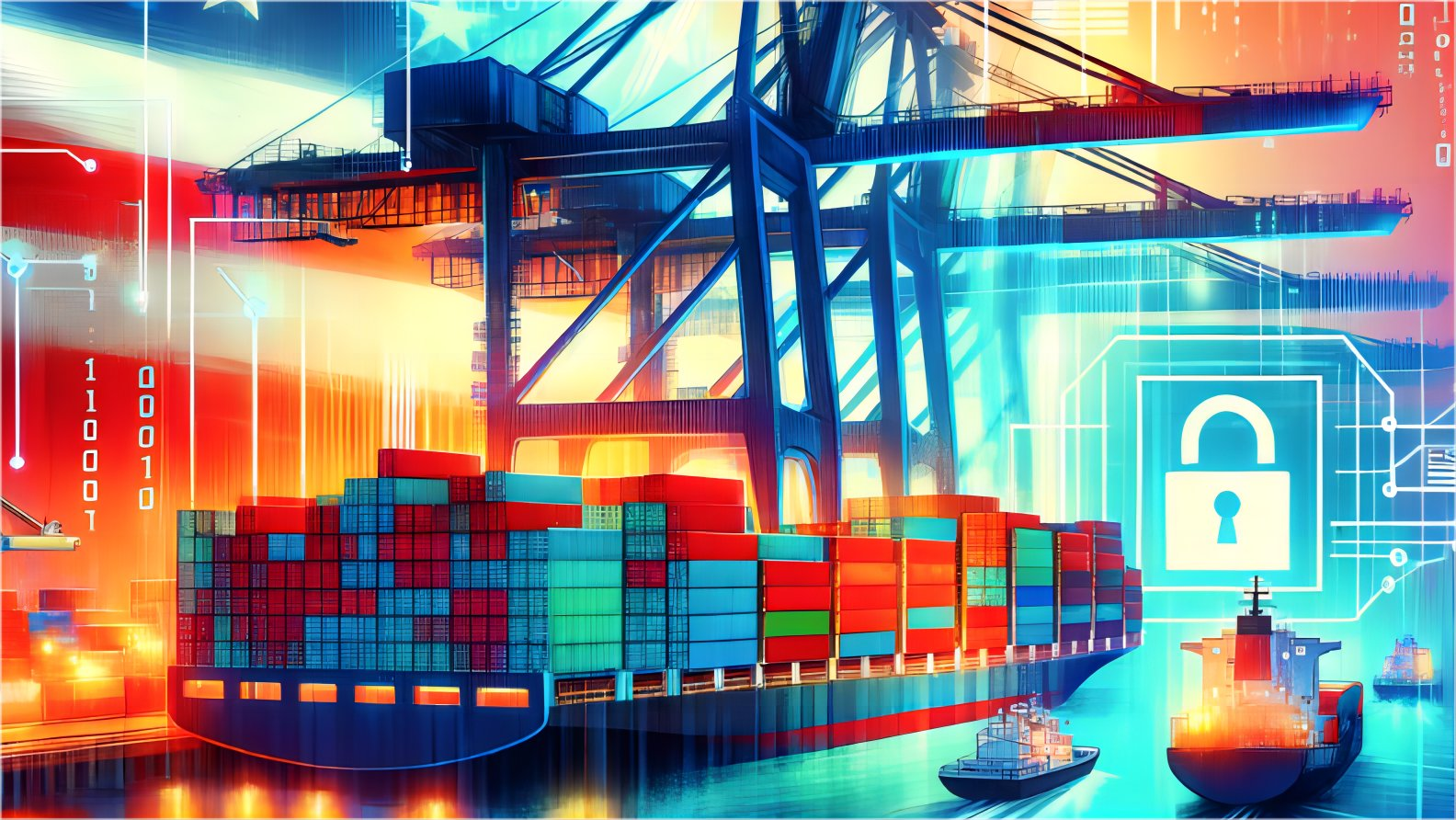


China to Australia Shipping Solution: 2026 Freight and Logistics Guide
Finding a reliable China to Australia shipping solution is essential for businesses navigating the complex global trade landscape of 2026. Many importers struggle with rising fuel surcharges and unpredictable port congestion that can disrupt delivery schedules. This guide provides comprehensive insights into optimizing your logistics strategy to ensure your cargo arrives safely and on time. Whether you are shipping small parcels or full containers, understanding the nuances of the route will save you significant time and money.
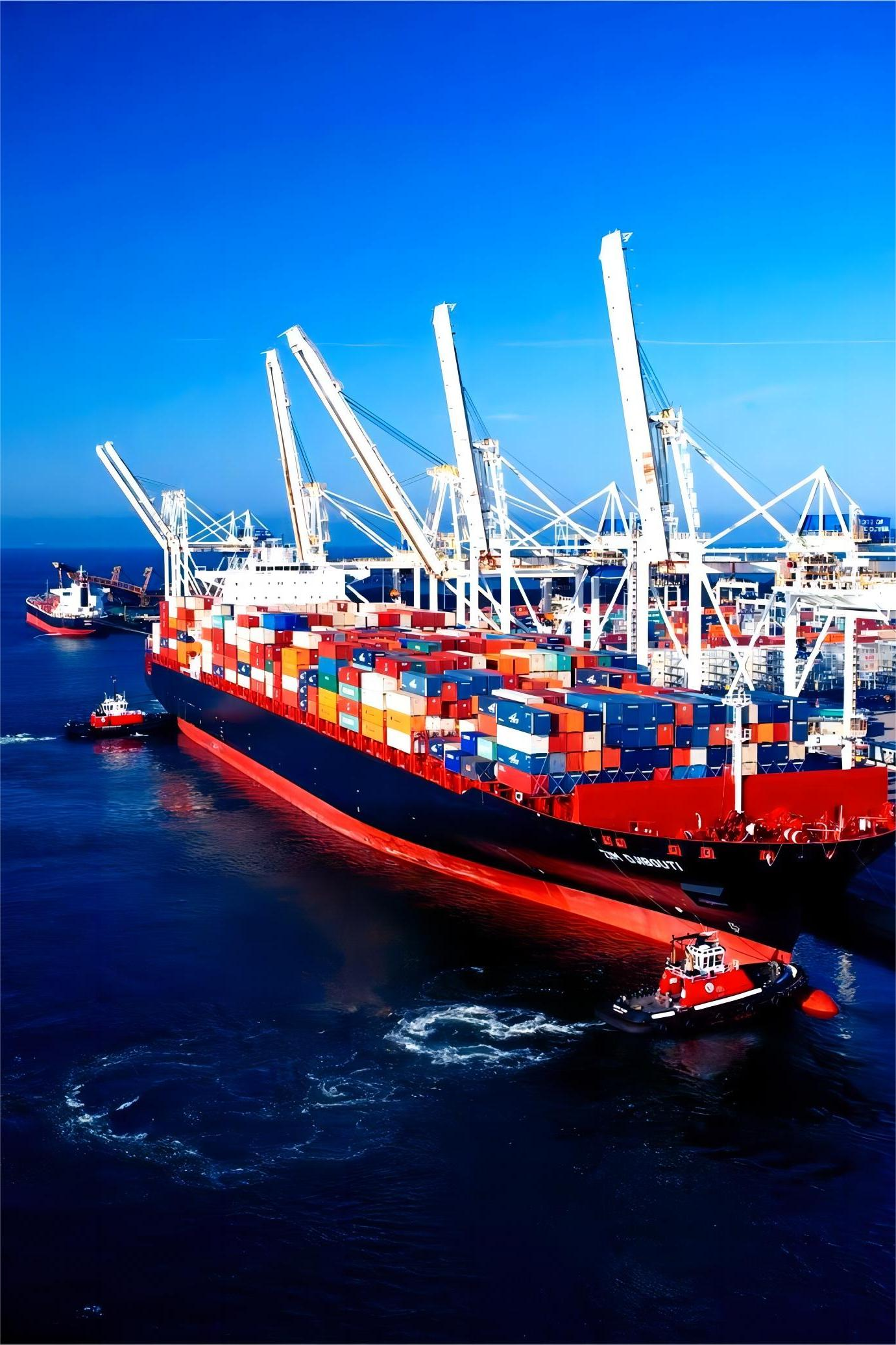
What is the Best China to Australia Shipping Solution for Your Business?
Choosing the right logistics path depends heavily on your specific cargo volume and budget constraints. In 2026, the market offers various methods ranging from economical sea freight to rapid air delivery services. Businesses must evaluate their priorities between speed and cost to maintain a healthy supply chain.
Moreover, the current economic climate has made efficiency more critical than ever before. Selecting a professional sea freight service allows for the transport of large volumes at a fraction of the cost of air travel. This method remains the backbone of trade between these two nations.
Alternatively, urgent shipments require a faster approach to meet tight market demands. Utilizing air freight ensures that high-value or perishable goods reach Australian shores within a matter of days. While more expensive, the reduced transit time often justifies the higher investment for many tech and fashion retailers.
How Much Does a China to Australia Shipping Solution Cost in 2026?
Freight rates in early 2026 have shown moderate stability despite global shifts in energy pricing. Most carriers have updated their surcharges to reflect new environmental regulations and port automation costs. Therefore, budgeting for your shipment requires a clear understanding of current market benchmarks.
Consequently, importers should prepare for seasonal fluctuations that typically occur during the peak shipping months. Rates often climb by 15 percent to 25 percent between August and October as retailers stock up for the holiday season. Planning your shipments outside of these windows can lead to substantial savings for your business.
Typical rates as of early 2026 are summarized in the table below to help you estimate your landed costs. Please remember that these figures represent industry averages and may vary based on specific carrier agreements and cargo types.
| Container Type | Average Rate (USD) | Transit Time | Best For |
|---|---|---|---|
| 20GP Container | $850 – $1,250 | 14 – 18 Days | Heavy machinery |
| 40HQ Container | $1,450 – $2,100 | 16 – 22 Days | Large volume goods |
| LCL (per CBM) | $60 – $95 | 18 – 25 Days | Small shipments |
| Air Freight (kg) | $4.50 – $7.50 | 3 – 7 Days | Urgent inventory |

How Does Sea Freight Compare to Other Shipping Options?
Evaluating different transport methods is vital for any comprehensive China to Australia shipping solution. While sea freight is the most common choice, it is not always the most efficient for every scenario. For instance, low-volume shipments might benefit more from consolidated services or express couriers.
In contrast, air freight provides unmatched speed but comes with significant weight and size limitations. Businesses must weigh the cost of inventory holding against the higher price of rapid delivery. A balanced approach often involves using sea freight for core stock and air freight for emergency replenishments.
Hybrid solutions like sea-air combinations have also gained popularity in 2026 for those seeking a middle ground. This strategy involves shipping by sea to a hub like Singapore before flying the goods to Australia. It offers a 30 percent cost reduction compared to pure air freight while saving 10 days over pure sea freight.
Note: Freight rates are subject to change based on fuel costs, carrier capacity, and seasonal demand. Contact us for a current quote tailored to your specific shipment.
| Shipping Method | Cost Range | Transit Time | Limitations |
|---|---|---|---|
| Sea Freight FCL | Low | 12 – 20 Days | High minimum volume |
| Sea Freight LCL | Medium | 18 – 25 Days | Risk of congestion |
| Air Freight | High | 3 – 7 Days | Weight restrictions |
| Express Service | Very High | 2 – 5 Days | Small parcels only |
Navigating Customs and Documentation for Australian Imports
Successful importing requires strict adherence to the Australian Border Force regulations and biosecurity standards. Failure to provide accurate documentation can lead to expensive delays or even the seizure of your goods. Consequently, many businesses hire a customs brokerage to manage this complex process.
Furthermore, you must ensure that all wood packaging materials comply with ISPM 15 standards to avoid quarantine issues. Australia is particularly strict regarding biological risks, and non-compliant pallets will be treated or destroyed at your expense. Always verify your supplier’s packing methods before the cargo leaves the port in China.
Essential documents include the commercial invoice, packing list, and the bill of lading or airway bill. Additionally, a Certificate of Origin may be required to claim preferential tariff rates under the China-Australia Free Trade Agreement. Keeping these records organized will significantly speed up the clearance process at the port of discharge.
Which Option Should You Choose?
Deciding on the optimal China to Australia shipping solution involves a clear decision framework based on your business goals. If your primary priority is budget and you are moving more than 15 cubic meters, FCL sea freight is almost always the best choice. This method provides the lowest cost per unit and better security for your items.
On the other hand, if you are shipping smaller quantities under 10 cubic meters, LCL shipping is more economical. However, you should be aware that LCL involves more handling and slightly longer transit times due to the consolidation process. For e-commerce sellers, an Amazon FBA specialized service can streamline the entire journey to Australian warehouses.
Speed-sensitive cargo such as electronics or seasonal fashion should utilize air freight or express services. If your goods are worth more than $2,000 and weigh less than 500kg, the speed and security of air transport often outweigh the higher freight costs. Ultimately, the choice should align with your customer’s expectations and your profit margins.

Maximizing Efficiency with Door to Door Services
Implementing a door to door strategy removes the burden of managing multiple logistics providers. This comprehensive service covers everything from the factory pickup in China to the final delivery at your Australian warehouse. Indeed, this approach minimizes the risk of communication gaps between different agents.
Moreover, a single point of contact simplifies the tracking and management of your supply chain. You can monitor your shipment’s progress through every stage, including inland trucking, port handling, and final mile delivery. This transparency is invaluable for maintaining accurate inventory levels and meeting customer deadlines.
Professional logistics providers in 2026 use advanced tracking technology to provide real-time updates on cargo location. By consolidating all services under one roof, you often benefit from better bulk rates and more coordinated scheduling. This integration is a key component of a modern China to Australia shipping solution.
Real-World Case Studies: Successful Shipments to Australia
Examining real scenarios helps illustrate how a tailored China to Australia shipping solution works in practice. Below are two examples based on actual shipments handled during the Q1 2026 period. These cases highlight the importance of choosing the right method for the specific cargo type and volume.
Case Study 1: Electronics from Shenzhen to Sydney. Cargo: 3 CBM High-end Audio Equipment. Method: LCL Sea Freight. Origin: Shenzhen. Destination: Sydney. Total Landed Cost: $1,450. Timeline: 18 Days. Key Insight: Using LCL allowed the client to maintain stock without the cost of a full container.
Case Study 2: Furniture from Ningbo to Melbourne. Cargo: Residential Furniture, 40HQ Container. Method: FCL Sea Freight. Origin: Ningbo. Destination: Melbourne. Total Landed Cost: $4,200. Timeline: 22 Days. Key Insight: Direct routing from Ningbo saved 4 days compared to transshipment via Singapore.
For more specific information regarding regional routes, visit our page on shipping to Australia. These examples demonstrate that with the right planning, international logistics can be both predictable and cost-effective.
Final Thoughts on Your China to Australia Shipping Solution
Successfully navigating the logistics of 2026 requires a proactive and informed approach to freight management. By understanding the differences between sea and air options, you can select a China to Australia shipping solution that balances speed and cost perfectly. Furthermore, staying updated on customs regulations and market trends will help you avoid unnecessary delays and expenses.
Ultimately, partnering with an experienced logistics provider ensures that your goods are handled with care and delivered efficiently. Whether you are a small business or a large enterprise, the right shipping strategy is a vital driver of growth in the Australian market. Take the time to analyze your shipping data and optimize your routes for a more resilient and profitable future.
Start Your Shipment
Streamline your supply chain today with a customized China to Australia shipping solution tailored to your business needs. Contact our expert team at Top Logistics for a competitive freight quote and professional guidance on your next shipment. Visit our website to get started: Send Inquiry at https://toplogisticslt.com/
Request Quote