

Top China to Australia Shipping Agent: Reliable 2026 Logistics Guide
“Navigating the complexities of international trade requires a professional china to australia shipping agent to manage your supply chain efficiently. Selecting the right logistics partner ensures that your goods move across borders without unnecessary delays or hidden expenses. Consequently, businesses can focus on growth while experts handle the intricate details of freight forwarding and customs compliance.”
Why You Need a China to Australia Shipping Agent
❖Managing shipments between these two major trading partners involves more than just booking a container. A dedicated agent acts as your primary advocate, coordinating with carriers and local port authorities to streamline operations. Furthermore, they provide essential market intelligence regarding current freight trends and potential congestion at major Australian hubs like Sydney or Melbourne.
Consequently, working with a specialist reduces the risk of expensive errors during the documentation phase. These professionals understand the specific biosecurity requirements enforced by the Australian Department of Agriculture, Fisheries and Forestry. Therefore, they can advise on necessary treatments such as fumigation for timber products or specific packaging standards for sensitive electronics.

Moreover, a local expert provides real-time tracking and proactive communication throughout the transit process. Instead of dealing with multiple vendors, you have a single point of contact who manages everything from the factory floor to your warehouse. Indeed, this centralized approach minimizes communication gaps and ensures that your supply chain remains resilient against global disruptions.
Comprehensive Shipping Methods: Sea vs Air vs Express
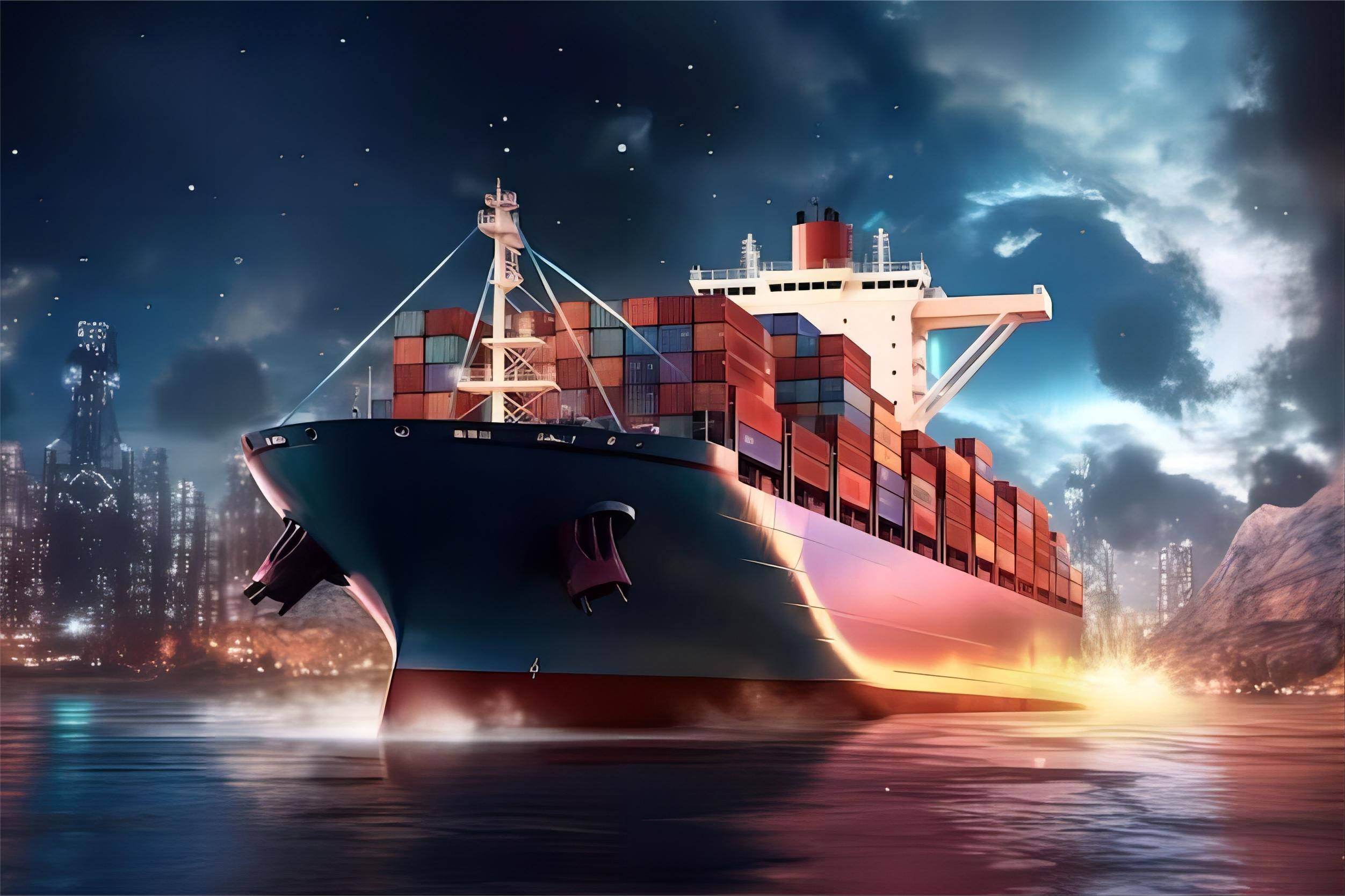
❖Choosing the right transport mode depends heavily on your budget, cargo volume, and required delivery speed. For large-scale shipments, sea freight remains the most cost-effective solution for Australian importers. It allows for high-volume transport of bulk goods, heavy machinery, and consumer retail products at a fraction of the cost of air travel.
On the other hand, air freight serves businesses that prioritize speed and high-value cargo security. While the costs are significantly higher, the transit time is reduced from weeks to mere days, which is vital for perishable goods or urgent product launches. Additionally, express services provide the ultimate convenience for small parcels, offering a seamless courier experience with integrated customs handling.
Selecting between these options requires a careful analysis of your landed cost and inventory turnover goals. While sea freight saves money, it ties up capital in transit for longer periods. Conversely, air freight improves cash flow by allowing for faster restocking cycles, though it may reduce your overall profit margins on low-cost items.
| Method | Transit Time | Cost Level | Best For |
|---|---|---|---|
| Sea Freight (FCL) | 12-22 Days | Low | Bulk goods, machinery |
| Sea Freight (LCL) | 18-28 Days | Moderate | Medium shipments |
| Air Freight | 3-7 Days | High | Electronics, urgent stock |
| Express Courier | 2-5 Days | Very High | Samples, documents |
Understanding 2026 Shipping Costs and Market Rates
❖Freight rates from China to Australia have reached a period of relative stability in early 2026 following previous market fluctuations. However, prices still vary based on seasonal demand, fuel surcharges, and the specific port of loading in China. Typically, shipping from southern ports like Shenzhen or Guangzhou is slightly cheaper than from northern locations like Tianjin due to shorter sailing distances.
Current market data suggests that a 20GP container currently averages between $850 and $1,250, depending on the carrier and service speed. For larger volumes, a 40HQ container often provides better value, with rates ranging from $1,450 to $2,100. Furthermore, peak seasons such as the lead-up to the Christmas holidays or the weeks preceding Chinese New Year often see rate hikes of 15% to 25%.
Note: Freight rates are subject to change based on fuel costs, carrier capacity, and seasonal demand. Contact us for a current quote tailored to your specific shipment.
| Route | 20GP Container | 40HQ Container | Transit Time |
|---|---|---|---|
| Shanghai to Sydney | $950 – $1,200 | 1,600 – $1,950 | 14-18 Days |
| Shenzhen to Melbourne | $850 – $1,100 | $1,450 – $1,800 | 12-16 Days |
| Ningbo to Brisbane | $900 – $1,150 | $1,550 – $1,900 | 15-19 Days |
| Qingdao to Perth | $1,050 – $1,300 | $1,800 – $2,200 | 18-24 Days |
Essential Documentation and Customs Brokerage
❖Navigating the legal requirements for Australian imports is a critical task for any shipping agent. You must ensure that every shipment includes a detailed commercial invoice, a packing list, and a valid bill of lading. Additionally, utilizing professional customs brokerage services ensures that your goods are classified under the correct HS codes to avoid overpaying duties.
Australia has strict biosecurity laws that require specific declarations for organic materials or wooden packaging. Consequently, a packing declaration is mandatory for all sea freight shipments entering the country. Failure to provide accurate documentation can lead to expensive quarantine inspections or even the destruction of the cargo at the port of entry.
Moreover, the China-Australia Free Trade Agreement (ChAFTA) offers significant duty reductions for many product categories. To benefit from these concessions, you must provide a valid Certificate of Origin issued by the relevant Chinese authorities. Indeed, a knowledgeable agent will verify these documents before the ship leaves China to prevent delays during the clearance process.
Door to Door Shipping Solutions for Australian Businesses
❖Modern importers increasingly prefer door to door logistics to simplify their operations. This service covers the entire journey, including factory pickup in China, export clearance, ocean transit, and final delivery to your Australian address. Consequently, it removes the burden of coordinating with multiple local trucking companies and port handlers.
Specifically, this model is ideal for small to medium enterprises that may not have a dedicated logistics department. By outsourcing the entire process, business owners can ensure that their landed costs are predictable and transparent. Furthermore, the agent manages the final mile delivery, ensuring that the truck scheduled for delivery is compatible with your warehouse’s unloading capabilities.
Additionally, door-to-door services often include cargo insurance as a standard or optional add-on. This provides peace of mind, knowing that your investment is protected against potential damage or loss during the long transoceanic journey. Therefore, while the upfront cost might seem higher than port-to-port shipping, the reduced risk and saved time often result in better long-term value.
Navigating Amazon FBA Logistics from China
❖Selling on the Australian marketplace requires strict adherence to Amazon’s receiving guidelines and scheduling requirements. A specialist in Amazon FBA shipping ensures that your products are labeled correctly and palletized according to specific warehouse standards. Consequently, this prevents costly rejections at the fulfillment center and ensures your inventory is available for sale quickly.
Furthermore, agents familiar with FBA can manage the Appointment Scheduling (CARP) system on your behalf. They coordinate with Amazon’s preferred carriers or use their own specialized fleet to meet strict delivery windows. Indeed, this level of precision is essential for maintaining a high seller rating and avoiding stock-out situations during major sales events.
Additionally, many agents offer value-added services such as quality inspections and repackaging at their Chinese warehouses. This allows you to catch manufacturing defects before the goods are shipped halfway across the world. By consolidating multiple supplier orders into a single shipment, you can also significantly reduce your per-unit shipping costs.
How Sea Freight Compares to Other Shipping Options
❖While sea freight is the primary choice for the China-Australia route, it is important to analyze how it stacks up against alternatives. Unlike the China-Europe route, rail freight is not a viable option for Australia due to its geographic isolation as an island nation. Therefore, the comparison is strictly between sea, air, and hybrid sea-air solutions.
Sea freight offers the lowest cost per unit but requires the longest lead time, often necessitating a 4-6 week planning cycle. In contrast, air freight offers unmatched speed for high-priority shipments but can cost five to ten times more than ocean transport. Consequently, many businesses use sea freight for their base inventory and air freight for emergency restocks.
Hybrid solutions, such as shipping via sea to a regional hub and then flying to Australia, are occasionally used to balance cost and speed. However, for most Australian routes, the direct sea journey is efficient enough that these complex strategies are rarely necessary. Instead, focusing on optimizing FCL vs. LCL usage usually yields better financial results for the importer.
| Shipping Method | Cost Range | Transit Time | Best For | Limitations |
|---|---|---|---|---|
| Sea Freight (FCL) | $1,500 – $2,200 | 14-22 Days | Standard Inventory | Requires large volume |
| Sea Freight (LCL) | $50 – $90/CBM | 20-28 Days | Small Businesses | Higher per-unit cost |
| Air Freight | $4.50 – $7.50/kg | 3-7 Days | High-Value Goods | Weight/Volume limits |
| Express Service | $8.00 – $12.00/kg | 2-5 Days | Urgent Samples | Very expensive for bulk |
Real-World Logistics Case Studies for 2026
❖Case Study 1: Electronics Distribution to Sydney
A Sydney-based electronics retailer needed to transport 500 home theater systems from Shenzhen. Based on Q3 2025 market rates, they opted for a 40HQ container via a major carrier like COSCO. The ocean freight cost was $1,950, with origin charges at $350 and destination handling at $420. Despite a minor two-day delay at the Port of Sydney, the total door-to-door transit time was 21 days. The key insight was that pre-clearing the customs documentation allowed the goods to bypass a secondary inspection queue.
Case Study 2: Furniture Import to Melbourne
An boutique furniture store in Melbourne imported 8 CBM of handcrafted tables from Ningbo using LCL shipping. The total landed cost was $1,280, which included sea freight, fumigation services, and local delivery. Because the agent consolidated the shipment efficiently, the sea transit took exactly 17 days. This case highlights the importance of professional fumigation certificates, as Australian customs verified the documents within 24 hours of arrival.
Which Option Should You Choose?
❖Deciding on the best shipping strategy requires a clear understanding of your business priorities and cargo characteristics. If your primary goal is budget optimization, sea freight (FCL) is the undisputed winner for shipments larger than 15 CBM. For smaller volumes, LCL provides a balance of cost-savings without the need to fill an entire container.
Speed priority dictates the use of air freight, especially for seasonal fashion or tech gadgets with short lifecycles. If you are shipping to remote areas in Australia, ensure your agent has a strong local trucking network for the final mile. Ultimately, a reliable china to australia shipping agent will help you weigh these factors to create a customized logistics plan that supports your bottom line.
Success with Your China to Australia Shipping Agent
Securing a dependable china to australia shipping agent is the most effective way to ensure your international trade operations remain profitable and stress-free. By understanding the different shipping methods, staying informed about 2026 market rates, and preparing meticulous documentation, you can navigate the complexities of global logistics with confidence.
Furthermore, leveraging professional services for customs brokerage and door-to-door delivery allows you to focus on your core business activities. Whether you are a first-time importer or an established enterprise, the right partner will provide the scalability and expertise needed to thrive in the competitive Australian market. Start planning your next shipment today to take advantage of current market stability.
Ready to streamline your logistics?
Ready to streamline your imports? Contact our expert team today for a competitive quote and personalized logistics support for your next shipment from China to Australia.
Request Quote