

40hc container shipping cost australia: 2026 Freight Rate Guide
Understanding the 40hc container shipping cost australia is vital for businesses looking to optimize their supply chain in 2026. By partnering with a reliable partner like Toplogisticslt, you can navigate the complexities of international trade and secure competitive rates. This guide explores current market trends, transit times, and cost-saving strategies for your next shipment. Consequently, importers can make informed decisions that protect their profit margins while ensuring timely delivery of goods.
✦
What Factors Determine the 40hc Container Shipping Cost Australia?
Several variables influence the total price you pay for moving a 40ft high cube container to Australian ports. Primarily, ocean freight rates fluctuate based on global fuel prices and carrier capacity. Moreover, seasonal demand peaks during the lead-up to major holidays, which often results in higher surcharges.
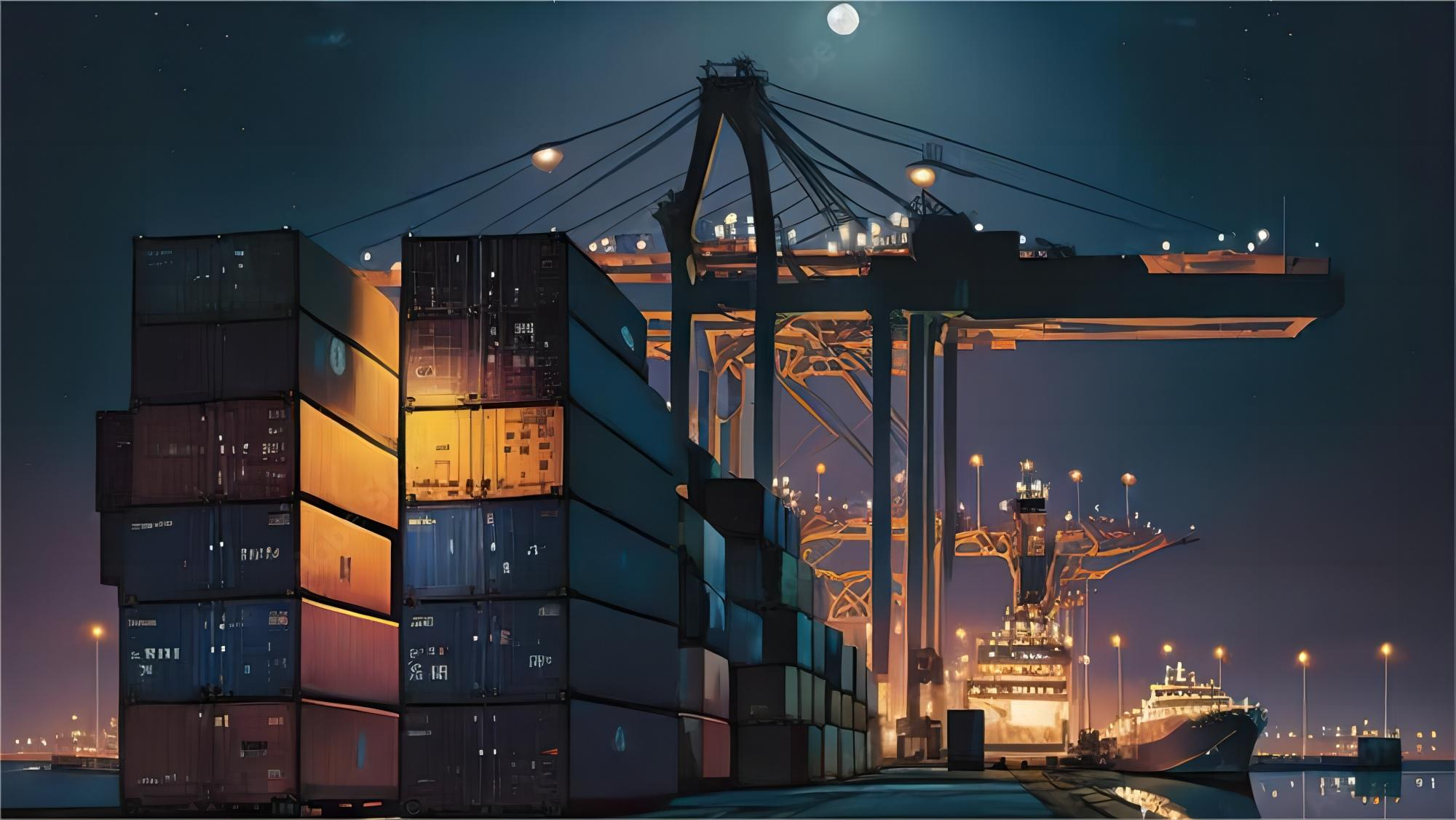
Port infrastructure and handling fees at major hubs like Sydney, Melbourne, and Brisbane also contribute to the final tally. Indeed, terminal handling charges can vary significantly between different stevedores. Furthermore, the distance from the Chinese port of loading to the Australian port of discharge dictates the base transit cost.
Currency exchange rates between the USD and AUD play a crucial role in daily pricing updates. Therefore, businesses should monitor market trends closely to lock in rates when the Australian dollar is strong. Additionally, the type of cargo and its weight can trigger specific handling requirements that add to the expense.
How Does Sea Freight Compare to Other Shipping Options?
When evaluating the 40hc container shipping cost australia, it is essential to compare sea freight against alternative methods. While air freight offers unmatched speed, the cost for a full 40HQ volume would be astronomical. Consequently, sea freight remains the standard for bulk shipments and oversized items.
For smaller volumes, Less than Container Load (LCL) might seem attractive at first glance. However, once your cargo exceeds 15 cubic meters, booking a Full Container Load (FCL) usually becomes more economical. In contrast, rail freight is not a viable option for this specific route due to geographical constraints between China and Australia.
Hybrid solutions like sea-air are occasionally used for urgent shipments, though they are rare for the Australian market. Most businesses prefer the reliability of direct sea routes to maintain a steady inventory flow. Nevertheless, choosing the right method depends on your specific balance of budget and urgency.
| Shipping Method | Cost Range (USD) | Transit Time | Best For |
|---|---|---|---|
| Sea Freight (40HQ) | $1,400 – $2,200 | 12 – 18 Days | Bulk Goods |
| Air Freight (Full) | $25,000+ | 3 – 5 Days | Urgent Cargo |
| LCL (per CBM) | $60 – $110 | 15 – 22 Days | Small Batches |
| Sea-Air Hybrid | $8,000 – $12,000 | 8 – 12 Days | Mid-range Speed |
Analyzing 2026 Transit Times for Australia Shipping
Transit times for shipping to Australia have stabilized in early 2026. Typically, a direct vessel from Shanghai to Sydney takes approximately 14 to 16 days. Meanwhile, shipments originating from Southern China ports like Shenzhen may arrive in as little as 12 days.
Weather conditions and port congestion can occasionally introduce delays of 3 to 5 days. Accordingly, savvy importers build a buffer into their supply chain schedules to account for these variables. Furthermore, transshipment through hubs like Singapore can extend the journey but may offer lower freight rates.
Customs processing at the destination also impacts the total door-to-door timeline. Most containers clear within 24 to 48 hours if all documentation is accurate. However, any discrepancies in the commercial invoice or packing list can lead to lengthy inspections and additional storage fees.
Hidden Costs: Customs Brokerage and Local Charges
The ocean freight rate is only one part of the total 40hc container shipping cost australia. Importers must also account for customs brokerage services to ensure compliance with Australian Border Force regulations. These professional fees cover the preparation and submission of necessary legal documents.
Import duties and the Goods and Services Tax (GST) represent significant additional outlays. Currently, the GST is calculated at 10% of the landed value of the goods. Additionally, quarantine inspection fees are common for timber products or organic materials to protect Australia’s unique ecosystem.
Local trucking and delivery from the port to your warehouse add another layer of expense. If you choose a door to door service, these costs are usually bundled into a single quote. Otherwise, you must negotiate separate rates with local transport providers in each Australian state.
Which Shipping Option Should You Choose?
Budget Priority
If your primary goal is to minimize the 40hc container shipping cost australia, consider booking during off-peak windows. Rates are generally lower in the second quarter of the year. Moreover, choosing a slower transit with transshipment can save several hundred dollars per container.
Speed and Reliability
For time-sensitive inventory, direct sailings from major Chinese hubs are the best choice. While these routes carry a premium, they minimize the risk of delays at intermediate ports. Furthermore, utilizing premium carriers ensures better equipment availability during busy seasons.
Volume Thresholds
Shipments exceeding 20 cubic meters almost always benefit from FCL shipping. A 40ft high cube container offers roughly 76 cubic meters of space, making it the most cost-effective per unit of volume. In contrast, smaller loads should stick to LCL to avoid paying for empty container space.
Real Case Studies for Australia Container Shipping
Reviewing real-world examples helps clarify the actual 40hc container shipping cost australia in current market conditions. These scenarios reflect typical shipments processed in early 2026.
Case Study 1: Furniture Import. Route: Ningbo, China to Sydney, Australia. Cargo: Home furniture, 68 CBM, 12,000 kg. Container: 40HQ. Carrier: COSCO. Port of Loading: Ningbo. Port of Discharge: Sydney. Route Type: Direct. Cost Breakdown: Ocean Freight $1,650, Origin Charges $320, Destination Charges $450, Customs/Duties (Estimated) $2,100. Total Landed Cost: $4,520. Timeline: 15 days sea transit, 22 days door-to-door. Key Insight: Booking 3 weeks in advance secured a lower rate before a mid-month price hike.

Case Study 2: E-commerce Electronics. Route: Shenzhen, China to Melbourne, Australia. Cargo: Consumer electronics, 62 CBM, 8,500 kg. Container: 40HQ. Carrier: Maersk. Port of Loading: Yantian. Port of Discharge: Melbourne. Route Type: Direct. Cost Breakdown: Ocean Freight $1,850, Origin Charges $350, Destination Charges $480, Customs/Duties (Estimated) $5,400. Total Landed Cost: $8,080. Timeline: 14 days sea transit, 19 days door-to-door. Key Insight: Using Amazon FBA preparation services at the origin streamlined the final delivery process.
Cost-Saving Strategies for 2026
To reduce your 40hc container shipping cost australia, focus on optimizing your container packing. Maximizing the use of the 40ft high cube’s extra height can significantly lower your per-item shipping cost. Additionally, consolidating multiple smaller orders into a single FCL shipment eliminates redundant documentation fees.
Negotiating long-term contracts with freight forwarders can provide price stability in a volatile market. Furthermore, digital freight platforms allow you to compare real-time quotes from multiple carriers instantly. Indeed, transparency in pricing is the best tool for any modern importer.
Note: Freight rates are subject to change based on fuel costs, carrier capacity, and seasonal demand. Contact us for a current quote tailored to your specific shipment.
Final Thoughts on Shipping to Australia
Navigating the 40hc container shipping cost australia requires a blend of market knowledge and strategic planning. By understanding the factors that drive freight rates, you can better manage your logistics budget and avoid unexpected expenses. Furthermore, selecting the right shipping partner ensures that your cargo reaches Australian shores safely and efficiently.
As market conditions evolve throughout 2026, staying informed about industry trends will remain a competitive advantage. Whether you are shipping furniture, electronics, or industrial machinery, the 40ft high cube container offers the best balance of volume and value. Start planning your next shipment today to take advantage of current market opportunities.