


40hc Container Shipping China to Australia: 2026 Costs and Guide
Successfully managing 40hc container shipping china to australia requires a deep understanding of the 2026 maritime landscape and evolving trade regulations. Importers frequently face challenges with fluctuating fuel surcharges and port congestion that can disrupt even the most planned supply chains. Visit toplogisticslt.com to discover how our expert logistics solutions can simplify your international trade operations today.
What is 40hc Container Shipping China to Australia?
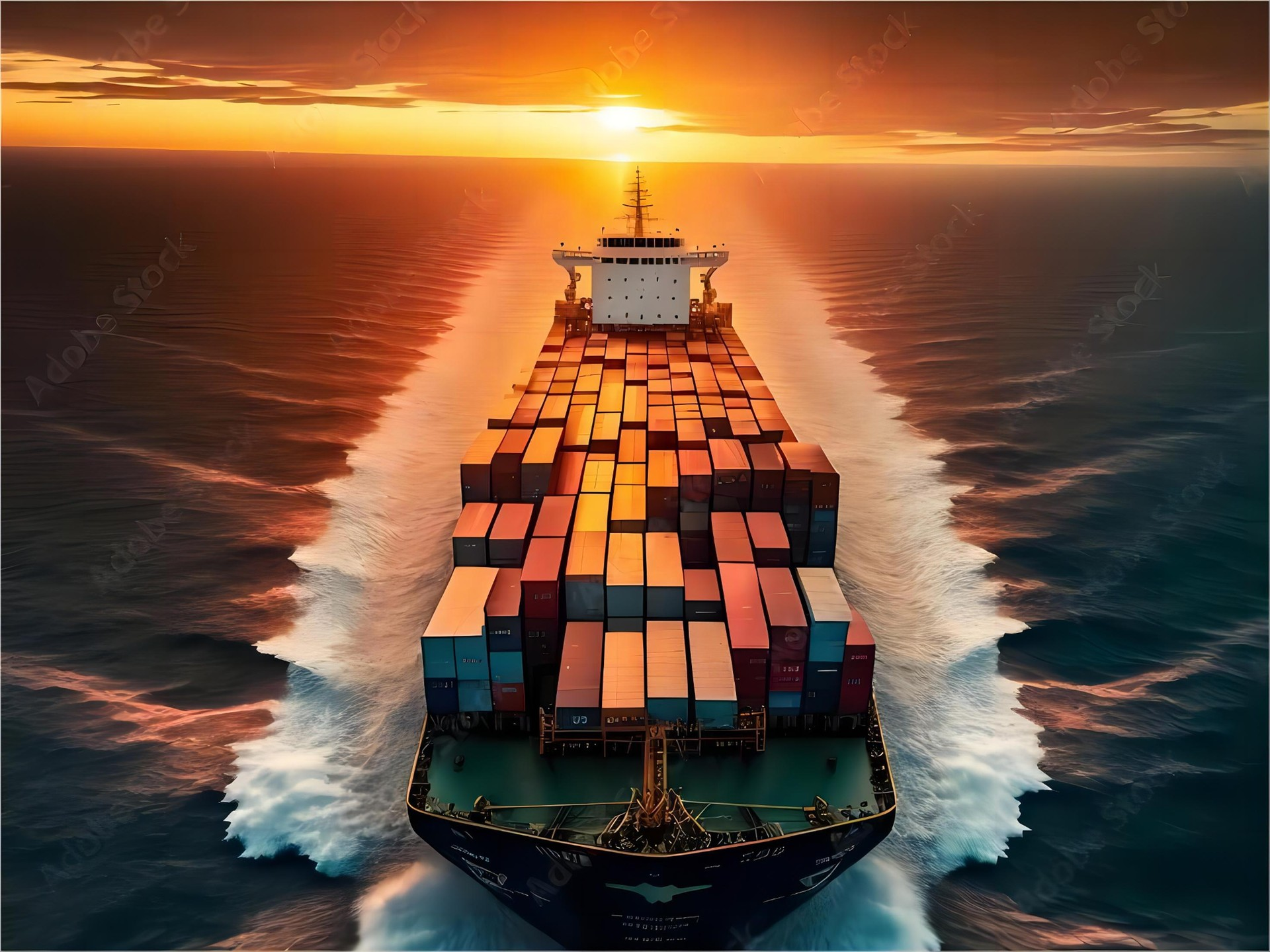
Specifically, the 40hc or High Cube container offers an extra foot of vertical space compared to standard units, making it ideal for voluminous cargo. This container type provides approximately 76 cubic meters of space, which is essential for businesses moving large quantities of furniture or electronics. Furthermore, sea freight remains the most cost-effective method for transporting these high-capacity units across the Pacific.
Consequently, many Australian importers prefer the 40hc because it maximizes the value of every shipment by reducing the cost per cubic meter. Meanwhile, the extra height allows for the stacking of specialized equipment that would otherwise require multiple smaller containers. Indeed, choosing the right container size is a fundamental step in optimizing your 2026 logistics budget.
How Much Does 40hc Container Shipping China to Australia Cost?
Determining the exact cost of 40hc container shipping china to australia depends on several variables including port of origin and current fuel prices. As of early 2026, market rates have stabilized following the volatility seen in previous years, yet seasonal demand still influences final pricing. Additionally, utilizing professional customs brokerage services can help prevent unexpected fees during the clearance process.
Typically, ocean freight rates for a 40HQ unit range between 1,400 and 2,000 USD depending on the carrier and the specific route taken. Moreover, importers must account for local charges such as terminal handling fees and documentation costs at both ends. Without a doubt, requesting a real-time quote is the only way to ensure accuracy in your financial planning.
| Container Type | Average Rate | Capacity (CBM) | Best For |
|---|---|---|---|
| 20GP Standard | $800 – $1,200 | 33 CBM | Heavy/Small Goods |
| 40GP Standard | $1,200 – $1,800 | 67 CBM | General Cargo |
| 40HQ (40HC) | $1,400 – $2,000 | 76 CBM | Bulky/Light Goods |
Transit Times for 40hc Shipping Routes
Shipping transit times vary significantly based on whether you choose a direct route or a transshipment service via Southeast Asian hubs. For instance, direct sailings from Shanghai to Sydney generally take between 12 and 18 days under normal weather conditions. In contrast, shipments originating from northern ports like Tianjin may require up to 25 days to reach Melbourne or Brisbane. Therefore, understanding the geography of Australia and its major ports is vital for scheduling.
Furthermore, port congestion in 2026 remains a factor that can add several days to the total door-to-door timeline. Nevertheless, major carriers like COSCO and Maersk continue to offer reliable weekly schedules that help businesses maintain consistent inventory levels. Accordingly, planners should always include a buffer of 3 to 5 days to account for potential maritime delays.
| Origin (China) | Destination (AU) | Direct Days | Service Type |
|---|---|---|---|
| Shenzhen | Sydney | 12 – 15 | Express Direct |
| Shanghai | Melbourne | 15 – 18 | Standard Direct |
| Ningbo | Brisbane | 14 – 17 | Standard Direct |
| Qingdao | Fremantle | 22 – 28 | Transshipment |
How Does 40hc Shipping Compare to Other Shipping Options?
While 40hc container shipping china to australia is the industry standard for bulk goods, other methods might suit smaller or more urgent needs. For example, Less than Container Load (LCL) is often more economical for shipments that do not fill at least half of a 20ft unit. However, the risk of damage increases with LCL because goods from multiple shippers are handled together in one container. Consequently, many businesses opt for door to door FCL services to ensure cargo integrity.
On the other hand, air freight offers unmatched speed but comes at a significantly higher cost that can be ten times more expensive than sea freight. Therefore, air transport is usually reserved for high-value electronics or urgent replacement parts that cannot wait for the two-week ocean voyage. Indeed, a balanced logistics strategy often involves a mix of these various transport modes.
| Method | Cost Range | Transit Time | Best For |
|---|---|---|---|
| Sea (40HQ) | $1,400 – $2,000 | 12 – 25 Days | Bulk Inventory |
| Sea (LCL) | $50 – $120/CBM | 18 – 30 Days | Small Batches |
| Air Freight | $4 – $8 / kg | 3 – 7 Days | Urgent Goods |
| Sea-Air Hybrid | Medium | 10 – 15 Days | Balanced Needs |
Which Option Should You Choose?
Choosing the right shipping option depends primarily on your budget, cargo volume, and required delivery date. If your priority is minimizing costs and you have over 60 CBM of goods, the 40HQ container is undoubtedly your best choice. Conversely, if you are shipping fragile items that require minimal handling, FCL provides a dedicated space that reduces the likelihood of transit damage. To summarize, analyze your specific cargo dimensions before committing to a container type.
Additionally, consider the destination infrastructure as some smaller Australian warehouses may have difficulty unloading a 40ft high-cube unit. Meanwhile, if you are an e-commerce seller, using Amazon FBA logistics might require specific palletization that fits better in a standard 40GP. Ultimately, the decision should align with both your financial goals and your operational capabilities.
Case Study 1: Electronics from Shenzhen to Sydney
Case Study 01: High-Volume Electronics Export
Route: Shenzhen, China to Sydney, Australia
Cargo: Consumer electronics, 72 CBM, 14,000 kg
Container: 40HQ (High Cube)
Shipping Details:
– Carrier: COSCO Shipping Line
– Port of Loading: Yantian Port
– Port of Discharge: Port Botany
– Route Type: Direct Service
Cost Breakdown:
– Ocean Freight: $1,650
– Origin Charges: $320
– Destination Charges: $450
– Customs and Duties: $2,100
– Total Landed Cost: $4,520
Timeline:
– Booking to Loading: 3 days
– Sea Transit: 14 days
– Customs Clearance: 2 days
– Total Door-to-Door: 19 days
Key Insight: Using a 40HQ allowed the shipper to fit 15% more product than a standard 40GP, significantly lowering the landed cost per unit.
Case Study 2: Furniture from Ningbo to Melbourne
Case Study 02: Residential Furniture Import
Route: Ningbo, China to Melbourne, Australia
Cargo: Flat-pack furniture, 68 CBM, 18,500 kg
Container: 40HQ (High Cube)
Shipping Details:
– Carrier: MSC Mediterranean Shipping Company
– Port of Loading: Ningbo-Zhoushan Port
– Port of Discharge: Port of Melbourne
– Route Type: Direct Service
Cost Breakdown:
– Ocean Freight: $1,780
– Origin Charges: $290
– Destination Charges: $480
– Customs and Duties: $1,400
– Total Landed Cost: $3,950
Timeline:
– Booking to Loading: 5 days
– Sea Transit: 17 days
– Customs Clearance: 3 days
– Total Door-to-Door: 25 days
Key Insight: Strategic booking four weeks in advance during the 2026 Q2 period helped the client avoid a 15% peak season surcharge.
Alternative Strategies and Cost-Saving Tips
To further reduce the expense of 40hc container shipping china to australia, importers should consider consolidating shipments from multiple suppliers into a single FCL. This approach, known as buyer’s consolidation, allows you to avoid the higher per-unit rates associated with LCL shipping. Furthermore, choosing off-peak shipping windows, such as the period immediately following Chinese New Year, can result in significant freight savings. Indeed, timing is often as important as the choice of carrier.
Moreover, ensure that all wooden packaging materials comply with Australia’s strict biosecurity regulations to avoid costly fumigation fees at the border. Specifically, using plastic pallets or ensuring ISPM-15 compliance for timber is essential for a smooth entry into the country. Consequently, careful preparation of documentation and cargo will prevent delays that lead to expensive port storage charges. Note: Freight rates are subject to change based on fuel costs, carrier capacity, and seasonal demand. Contact us for a current quote tailored to your specific shipment.
Final Thoughts on 40hc Container Logistics
In conclusion, 40hc container shipping china to australia remains the most efficient way to transport large volumes of goods across the ocean in 2026. By understanding the cost structures, transit times, and customs requirements, businesses can build more resilient and profitable supply chains. Furthermore, choosing a reliable freight forwarder ensures that your cargo is handled with care and reaches its destination on schedule. Always stay informed about market trends to maintain your competitive edge in the Australian market.
Need a tailored shipping solution?
Ready to optimize your supply chain with affordable 40hc container shipping china to australia? Contact our team of logistics experts today for a personalized quote and professional guidance on your next shipment.