


2026 China to Australia Cargo Rates: Complete Pricing Guide
Navigating the complexities of china to australia cargo rates requires a strategic approach in 2026 to ensure your supply chain remains competitive. Visit Top Logistics to streamline your international shipping operations and secure the most reliable pricing for your imports. Consequently, businesses must evaluate various transport modes to balance budget constraints with urgent delivery schedules effectively.
What Factors Influence China to Australia Cargo Rates in 2026?
Understanding the primary drivers of shipping costs is essential for any importer looking to optimize their logistics budget this year. Specifically, fuel surcharges and carrier capacity fluctuations continue to play a significant role in determining the final price you pay at the port. Moreover, seasonal demand spikes during the pre-Lunar New Year period and the Australian Q4 retail rush often lead to temporary price surges.
Furthermore, port congestion in major hubs like Shanghai or Shenzhen can result in equipment imbalances that further inflate local handling fees. Therefore, staying informed about regional economic shifts and trade policies is vital for accurate financial forecasting. Additionally, the implementation of new environmental regulations in 2026 has introduced green levies that carriers are now passing on to shippers through updated base rates.
Notably, the choice between different shipping methods will be the most significant factor in your total landed cost calculation. While sea freight remains the most economical choice for bulk goods, the rising efficiency of air corridors has made rapid transit more accessible for high-value electronics. Accordingly, businesses must weigh the cost of inventory holding against the premium paid for faster delivery times.
How Much Does Sea Freight Cost for Australian Imports?
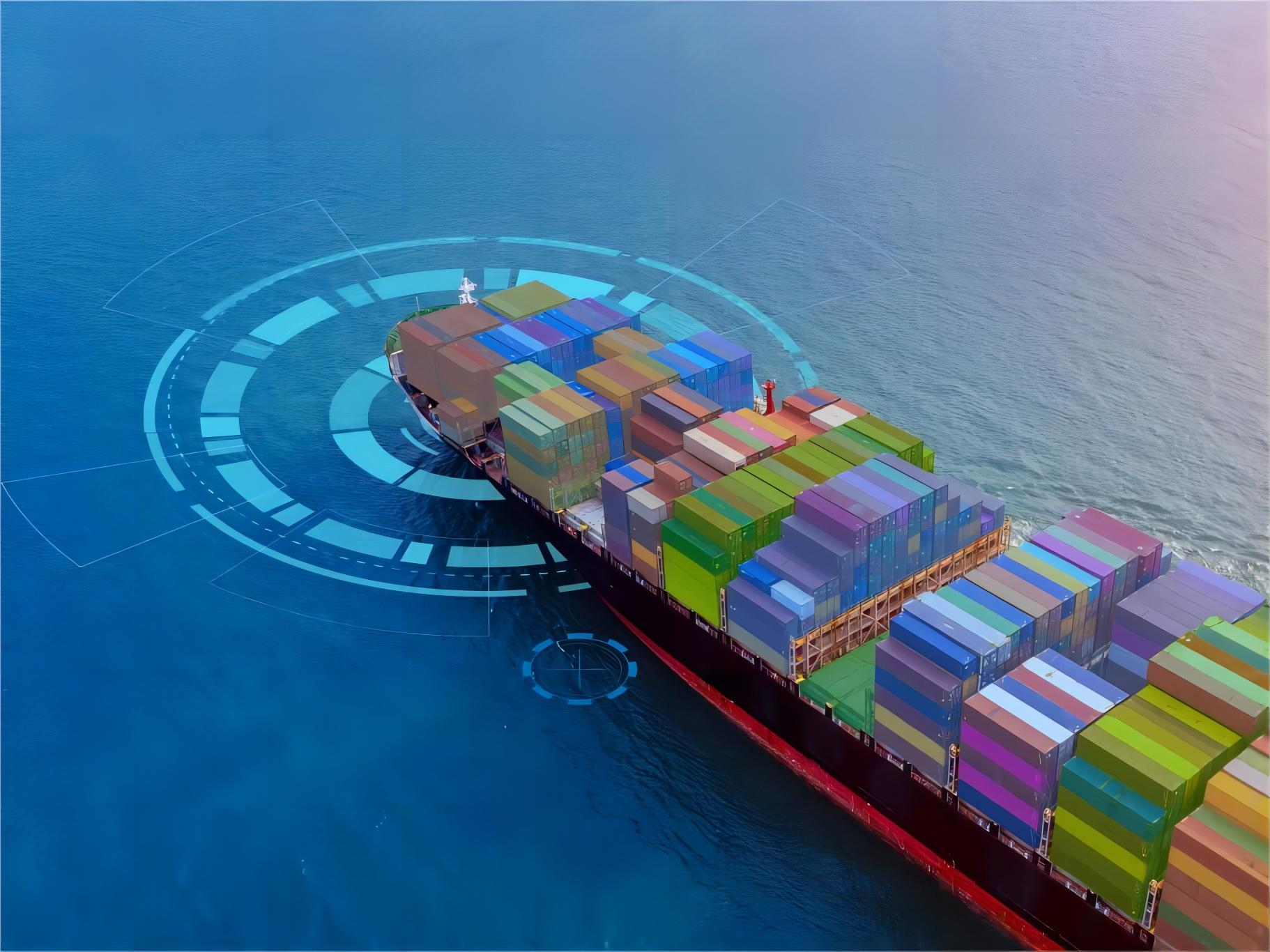
Sea freight continues to be the backbone of trade between these two nations due to its high capacity and relatively low cost per unit. When evaluating sea freight options, you will typically choose between Full Container Load (FCL) and Less than Container Load (LCL) services. Consequently, your volume will dictate whether you pay for a dedicated 20ft or 40ft container or share space with other shippers.
Typically, FCL rates for a 20GP container from Shenzhen to Sydney range between 800 and 1,200 USD depending on the carrier and season. In contrast, a 40HQ container might cost between 1,400 and 2,000 USD, offering better value for high-volume shipments of furniture or industrial machinery. Meanwhile, LCL shipments are priced per cubic meter, making them ideal for smaller consignments that do not justify a full box.
Indeed, the price per CBM for LCL services usually falls between 50 and 90 USD, though destination handling charges can add significantly to the total. Therefore, it is important to calculate the break-even point where switching from LCL to FCL becomes more cost-effective for your business. Generally, once your cargo exceeds 15 cubic meters, a dedicated 20ft container becomes the more economical choice.
| Container Type | Average Cost (USD) | Transit Time (Days) | Best For |
|---|---|---|---|
| 20GP (Standard) | 800 – 1,200 | 12 – 18 | Heavy/Dense Goods |
| 40GP (Standard) | 1,200 – 1,800 | 14 – 20 | General Volume |
| 40HQ (High Cube) | 1,400 – 2,000 | 14 – 20 | Light/Bulky Goods |
| LCL (Per CBM) | 50 – 90 | 18 – 25 | Small Shipments |
Understanding Air Freight and Cargo Speed
When time is of the essence, air freight provides the fastest route to the Australian market for urgent cargo. Although the rates are substantially higher than ocean transport, the reduction in transit time can be critical for perishable goods or high-demand fashion items. Specifically, air cargo can move from major Chinese hubs to Sydney or Melbourne in as little as 3 to 7 days.
Current market data for 2026 suggests that air freight rates per kilogram typically hover between 4.50 and 7.00 USD for standard shipments. However, these prices can fluctuate based on the weight-to-volume ratio of your cargo, also known as chargeable weight. Therefore, optimizing your packaging to reduce excess volume is a key strategy for lowering your total air transport expenses.
Moreover, choosing between standard air freight and express services can further refine your logistics spend based on specific deadline requirements. While standard air freight utilizes commercial airlines, express carriers provide end-to-end solutions that include customs clearance and local delivery. Consequently, businesses must decide if the convenience of a door-to-door service justifies the additional premium.

How Does Sea Freight Compare to Other Shipping Options?
Comparing different logistics modes is vital for determining the most efficient strategy for your specific cargo type and budget. While sea freight is the dominant method for this route, alternatives like air freight and international courier services offer different benefits. Indeed, an objective analysis of these options reveals significant trade-offs in terms of cost, speed, and reliability.
Furthermore, hybrid solutions such as sea-air combinations have gained popularity for shipments that require a balance of speed and economy. In these scenarios, goods might be shipped by sea to a regional hub like Singapore before being flown to Australia to bypass port congestion. Nevertheless, direct sea routes remain the primary choice for over 90 percent of trade volume due to their unmatched cost-efficiency.
Note: Freight rates are subject to change based on fuel costs, carrier capacity, and seasonal demand. Contact us for a current quote tailored to your specific shipment.
| Shipping Method | Cost Range | Transit Time | Limitations |
|---|---|---|---|
| Sea Freight (FCL) | 800 – 2,000 USD | 12 – 20 Days | Slowest transit |
| Air Freight | 4.50 – 7.00 USD/kg | 3 – 7 Days | Expensive for bulk |
| Express Courier | 8.00 – 12.00 USD/kg | 2 – 4 Days | Strict size limits |
| LCL Sea Freight | 50 – 90 USD/CBM | 18 – 25 Days | Higher risk of damage |
Navigating Customs Brokerage and Duties
Securing a professional customs brokerage service is a critical step in managing your total china to australia cargo rates. Because Australia has strict biosecurity and customs regulations, any errors in documentation can lead to costly delays or significant fines. Moreover, the China-Australia Free Trade Agreement (ChAFTA) allows for reduced or zero tariffs on many goods, provided the correct paperwork is filed.
Initially, you must ensure that your supplier provides a valid Certificate of Origin to take advantage of these preferential trade terms. Additionally, understanding the Australian Goods and Services Tax (GST) requirements is essential for accurate landed cost calculations. Usually, GST is calculated at 10 percent of the value of the taxable importation, which includes the cargo value, insurance, and freight costs.
Finally, certain products may require specific permits or treatments, such as fumigation for timber products, which adds to the overall logistics expense. Therefore, working with an experienced broker who understands the local requirements in Sydney, Melbourne, and Brisbane is highly recommended. By proactively addressing these compliance issues, you can avoid the unexpected storage fees that often arise from customs hold-ups.
Real-World Case Studies for 2026 Shipments
Case Study 1: FCL Furniture Shipment
Route: Shenzhen, China to Sydney, Australia
Cargo: Home Furniture, 68 CBM, 12,000 kg
Container: 40HQ Full Container Load
Shipping Details:
– Carrier: Major Ocean Carrier
– Port of Loading: Shenzhen
– Port of Discharge: Sydney
– Route Type: Direct
Cost Breakdown:
– Ocean Freight: 1,850 USD
– Origin Charges: 250 USD
– Destination Charges: 450 USD
– Customs and Duties: 1,200 USD (Estimated)
– Total Landed Cost: 3,750 USD
Timeline:
– Booking to Loading: 4 days
– Sea Transit: 15 days
– Customs Clearance: 2 days
– Total Door-to-Door: 21 days
Key Insight: Utilizing a 40HQ container allowed the client to maximize volume and reduce the cost per unit of furniture significantly.
Case Study 2: Urgent Electronics Air Freight
Route: Shanghai, China to Melbourne, Australia
Cargo: Consumer Electronics, 2 CBM, 450 kg
Shipping Method: Standard Air Freight
Shipping Details:
– Carrier: Direct Air Cargo Service
– Port of Loading: Shanghai Pudong (PVG)
– Port of Discharge: Melbourne (MEL)
Cost Breakdown:
– Air Freight: 2,475 USD (5.50 USD/kg)
– Origin Handling: 150 USD
– Destination Handling: 200 USD
– Customs and Taxes: 3,500 USD (High Value)
– Total Landed Cost: 6,325 USD
Timeline:
– Booking to Loading: 2 days
– Air Transit: 1 day
– Customs Clearance: 1 day
– Total Door-to-Door: 4 days
Key Insight: While expensive, the speed of air freight allowed the retailer to restock a trending product during a peak sales window.

Which Option Should You Choose? Decision Framework
Choosing the right shipping method depends on your specific priorities regarding cost, speed, and the nature of your goods. If your primary goal is budget optimization, sea freight is almost always the superior choice for shipments larger than 1 cubic meter. Conversely, if you are shipping high-value items with short shelf lives, the speed of air freight justifies the higher expense.
Similarly, businesses should consider the volume thresholds that make different methods viable for their operations. For instance, shipments under 100 kg are often most economical when sent via express courier due to simplified pricing structures. However, once you exceed the 150 kg mark, standard air freight usually offers a more competitive rate per kilogram.
Regarding cargo type, bulky items like machinery or construction materials are physically restricted to sea transport due to airline weight and size limits. Meanwhile, fragile or high-sensitivity components benefit from the reduced handling and smoother transit found in air cargo environments. Ultimately, a balanced logistics strategy often involves using a mix of these services to meet varying customer demands.
Maximizing Efficiency with Amazon FBA and Express
For e-commerce sellers, integrating Amazon FBA logistics into your supply chain can provide a significant competitive advantage. This service allows you to ship goods directly from Chinese factories to Amazon fulfillment centers across Australia, streamlining the entire distribution process. Consequently, you can leverage Amazon’s vast delivery network to reach customers faster and more reliably.
Additionally, utilizing an Express Service is often the best solution for samples or small replenishment orders. These services provide real-time tracking and guaranteed delivery windows, which are essential for maintaining high customer satisfaction levels. Therefore, many successful importers keep an express account active for emergency shipments even when their primary volume moves by sea.
Moreover, consolidating multiple small orders into a single shipment can help you qualify for better rates from express carriers. By grouping items before they leave China, you reduce the per-package handling fees and simplify the customs entry process in Australia. Accordingly, effective coordination with your freight forwarder is key to implementing these cost-saving measures.
Summary of 2026 Shipping Strategies
In conclusion, managing china to australia cargo rates effectively requires a deep understanding of market trends, shipping modes, and customs regulations. By carefully selecting between FCL, LCL, and air freight, you can balance the need for speed with the necessity of cost control. Furthermore, leveraging free trade agreements and professional brokerage services will ensure your goods move across borders without unnecessary financial penalties.
As we move through 2026, staying adaptable to changing global conditions will be the hallmark of a successful import business. Whether you are shipping heavy machinery or delicate electronics, the right logistics partner can help you navigate these complexities with ease. Always remember to request updated quotes frequently to ensure your pricing reflects the most current market reality.
Need a tailored shipping solution?
Ready to optimize your supply chain and secure the best china to australia cargo rates for your business? Contact the experts at Top Logistics today for a personalized quote and professional guidance on your next shipment. Visit our website to learn more about our comprehensive shipping solutions.