

Warehouse in China with Tracking Poland: The Ultimate Guide
Selecting a reliable warehouse in china with tracking poland is a strategic move for businesses looking to scale their international operations. Visit Top Logistics to discover how professional management can transform your import operations. This guide explores the essential components of tracking and storage for the Polish market to ensure your goods arrive safely and on time.
Why Choose a Warehouse in China with Tracking Poland?
Modern supply chains require absolute transparency from the point of origin to the final destination. Utilizing a warehouse in china with tracking poland allows businesses to monitor inventory levels before the shipping process begins. Consequently, this reduces the risk of stockouts or overstocking in European distribution centers.
Furthermore, having a centralized storage point in China facilitates quality control inspections. You can identify and rectify product defects before the goods leave the country. This proactive approach saves significant costs associated with returning faulty items from Poland.
Moreover, advanced tracking systems provide peace of mind for both the sender and the receiver. Real-time data ensures that every stakeholder knows exactly where the cargo is located. Therefore, planning for warehouse space and labor in Poland becomes much more accurate.
How Does Rail Freight Compare to Other Shipping Options?
Rail freight has become a popular middle-ground solution for companies importing to Poland. It offers a balance between the high speed of air transport and the low cost of sea transport. Specifically, the New Silk Road connection provides direct routes to terminals like Malaszewicze and Warsaw.
However, choosing the right method depends on your specific budget and timeline requirements. While sea freight remains the most economical choice for large volumes, it takes the longest to arrive. In contrast, rail freight significantly cuts down transit time while keeping costs manageable.
Additionally, businesses must consider the environmental impact of their logistics choices. Rail transport generally produces lower emissions per ton-kilometer compared to air freight. Consequently, many eco-conscious brands are shifting their focus toward rail solutions for their Polish deliveries.
| Shipping Method | Cost Range | Transit Time | Best For |
|---|---|---|---|
| Sea Freight | $1,800 – $4,200 | 28-35 Days | Bulk/Large Cargo |
| Rail Freight | $2,500 – $5,000 | 18-24 Days | Medium Shipments |
| Air Freight | $5,000 – $12,000 | 5-9 Days | Urgent/High Value |
| Express | $8,000+ | 3-5 Days | Samples/Documents |
Understanding the Benefits of Air Freight for Urgent Cargo
When time is the most critical factor, air freight is the superior choice for shipping to Poland. This method ensures that high-demand products reach the market before the competition. Furthermore, the security levels at airports are typically higher than at seaports, reducing the risk of theft.
Naturally, the cost of air transport is considerably higher than other modes. Most businesses reserve this option for high-value electronics, pharmaceuticals, or seasonal fashion items. Consequently, precise tracking becomes even more vital to protect the significant investment in air cargo.
Indeed, the integration of a warehouse in china with tracking poland allows for rapid dispatch to major airports like Shanghai Pudong or Beijing Capital. Once the plane departs, digital tracking provides hourly updates until the goods land at Warsaw Chopin Airport. This visibility is essential for maintaining tight delivery schedules.
The Role of Rail Freight in the Polish Supply Chain
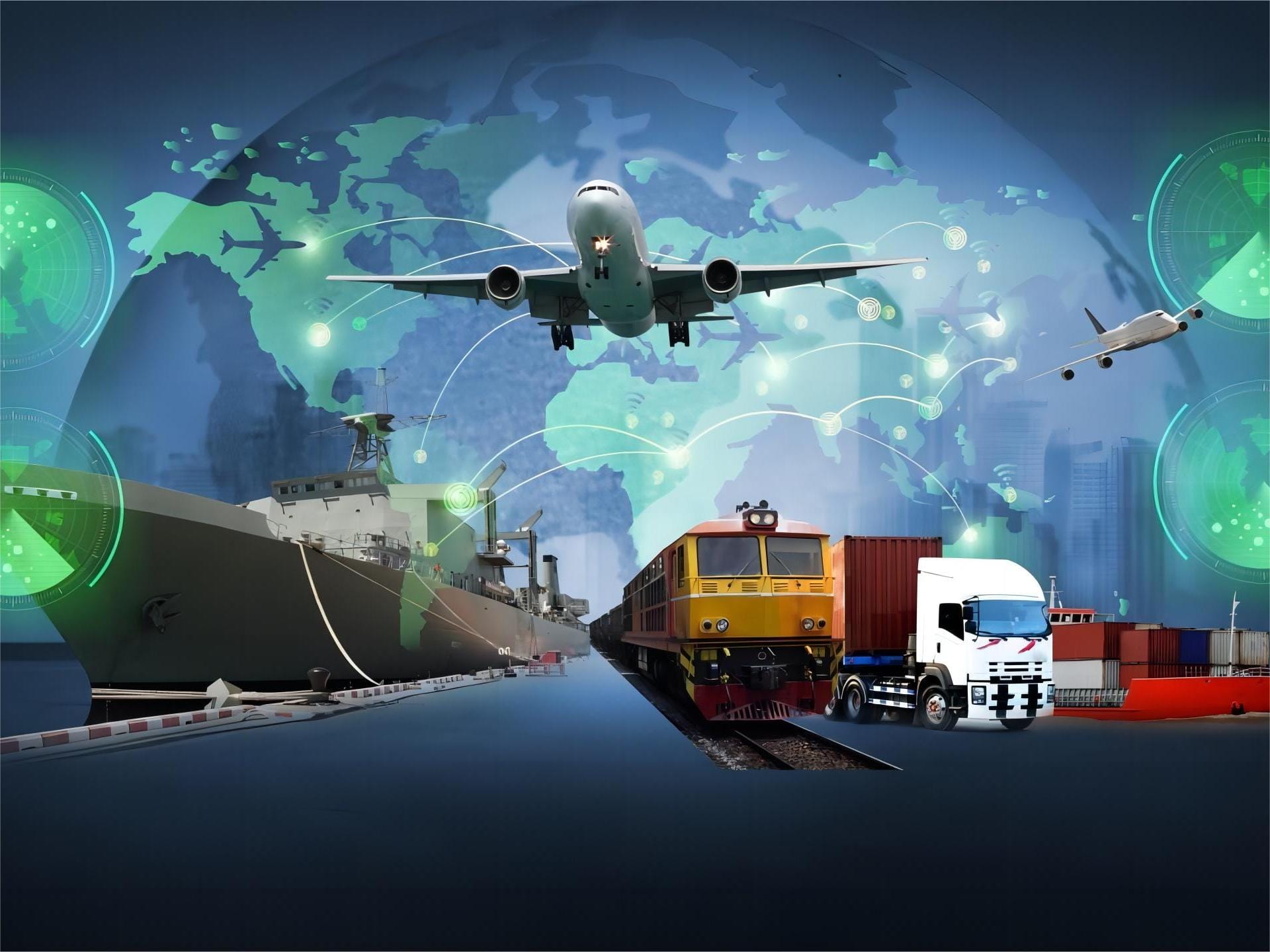
Poland serves as the gateway to Europe for many rail shipments originating in China. Utilizing rail freight allows cargo to bypass the congested ports of Western Europe. Instead, containers arrive directly at the Polish border, where they undergo efficient processing.
Moreover, rail transport is less susceptible to weather-related delays compared to sea freight. While storms can stall vessels for days, trains generally maintain a consistent schedule throughout the year. Therefore, businesses can rely on more predictable delivery windows for their inventory planning.
Specifically, the infrastructure in Poland has seen massive investment to accommodate the growing volume of Chinese goods. Modern terminals are equipped with advanced cargo handling technology to speed up the unloading process. As a result, the total lead time from a Chinese factory to a Polish warehouse is continuously improving.
Navigating Customs Brokerage and Documentation
Importing goods into the European Union requires meticulous attention to detail regarding paperwork. Professional customs brokerage services are essential to avoid costly delays at the border. Without the correct documentation, your shipment could be held indefinitely by Polish authorities.
Required documents typically include the commercial invoice, packing list, and bill of lading. Additionally, certain products may require specific certificates of origin or safety compliance documents. Consequently, working with a logistics provider that understands both Chinese and Polish regulations is a major advantage.
Furthermore, accurate tracking helps your customs broker prepare for the arrival of goods in advance. By knowing the exact ETA, they can submit declarations early, ensuring a smooth transition through the port or rail terminal. This coordination is key to maintaining a fast and reliable supply chain.
| Document Type | Purpose | Source | Importance |
|---|---|---|---|
| Commercial Invoice | Value Declaration | Seller | Critical |
| Packing List | Cargo Details | Warehouse | High |
| Bill of Lading | Title of Goods | Carrier | Critical |
| CE Certificate | Safety Compliance | Manufacturer | Product Specific |
Case Study 1: Electronics from Shenzhen to Warsaw
Route: Shenzhen, China to Warsaw, Poland. Cargo: High-end consumer electronics, 12 CBM, 2,500 kg. Container: LCL (Less than Container Load).
Shipping Details: The client utilized a major rail carrier for this shipment. Port of Loading: Shenzhen North. Port of Discharge: Warsaw Terminal. Route Type: Direct Rail via Kazakhstan and Belarus.
Cost Breakdown: Rail Freight: $3,200. Origin Charges: $450. Destination Charges: $500. Customs and Duties: $1,200. Total Landed Cost: $5,350.
Timeline: Booking to Loading: 3 days. Rail Transit: 19 days. Customs Clearance: 2 days. Total Door-to-Door: 24 days. Key Insight: Real-time tracking allowed the client to launch their marketing campaign exactly as the goods arrived. Note: Freight rates are subject to change based on fuel costs, carrier capacity, and seasonal demand. Contact us for a current quote tailored to your specific shipment.
Case Study 2: Textile LCL from Ningbo to Gdynia
Route: Ningbo, China to Gdynia, Poland. Cargo: Organic cotton textiles, 8 CBM, 1,800 kg. Container: LCL Sea Freight.
Shipping Details: Carrier: Maersk. Port of Loading: Ningbo-Zhoushan. Port of Discharge: Gdynia. Route Type: Transshipment via Hamburg.
Cost Breakdown: Ocean Freight: $1,100. Origin Charges: $300. Destination Charges: $400. Customs and Duties: $600. Total Landed Cost: $2,400.
Timeline: Booking to Loading: 5 days. Sea Transit: 38 days. Customs Clearance: 3 days. Total Door-to-Door: 46 days. Key Insight: Using a warehouse in China with tracking enabled the client to consolidate multiple small orders into one shipment. Note: Freight rates are subject to change based on fuel costs, carrier capacity, and seasonal demand. Contact us for a current quote tailored to your specific shipment.
The Advantage of Door to Door Logistics Solutions
For many small and medium enterprises, managing multiple logistics partners can be overwhelming. Opting for door to door service simplifies the entire process. This model covers everything from the initial pickup at the Chinese factory to the final delivery in Poland.
Additionally, a single point of contact reduces the likelihood of communication breakdowns. You no longer need to coordinate between the warehouse, the freight forwarder, and the local trucking company. Consequently, you can focus more energy on growing your business and less on logistics headaches.
Notably, door-to-door services often include integrated tracking that covers every leg of the journey. Whether your goods are on a truck in Guangdong or a train in Poland, you have full visibility. This end-to-end transparency is the hallmark of a high-quality warehouse in china with tracking poland solution.
Which Shipping Option Should You Choose?
Deciding on the best shipping method requires an analysis of your cargo volume and budget. If your priority is cost savings and you have a flexible schedule, sea freight is the logical choice. However, if you need to restock quickly to meet customer demand, rail or air freight is necessary.
Specifically, for shipments under 15 CBM, LCL (Less than Container Load) is often more economical than paying for a full container. On the other hand, FCL (Full Container Load) offers better security and faster handling for larger volumes. Understanding these thresholds helps you optimize your shipping costs effectively.
Furthermore, consider the nature of your products when choosing a method. Fragile or perishable items may require the speed and stability of air freight. Meanwhile, sturdy bulk goods are perfectly suited for the longer journey across the ocean. Ultimately, the right choice depends on balancing speed, cost, and safety.
Mastering Your Logistics from China to Poland
In conclusion, establishing a robust logistics strategy involves more than just finding a storage space. By utilizing a warehouse in china with tracking poland, you gain the visibility and control needed to succeed in a competitive market. This approach ensures that your goods are managed professionally from the moment they are manufactured.
Whether you choose sea, rail, or air freight, the integration of real-time tracking is non-negotiable for modern business. It allows for better planning, reduced risks, and improved customer satisfaction. Take the next step in professionalizing your imports by partnering with a logistics expert who understands the unique needs of the Polish market.
Ready to streamline your logistics?
Ready to optimize your supply chain with a reliable warehouse in china with tracking poland? Contact Top Logistics today for a customized quote and expert guidance. Send Inquiry: https://toplogisticslt.com/
Request Quote