

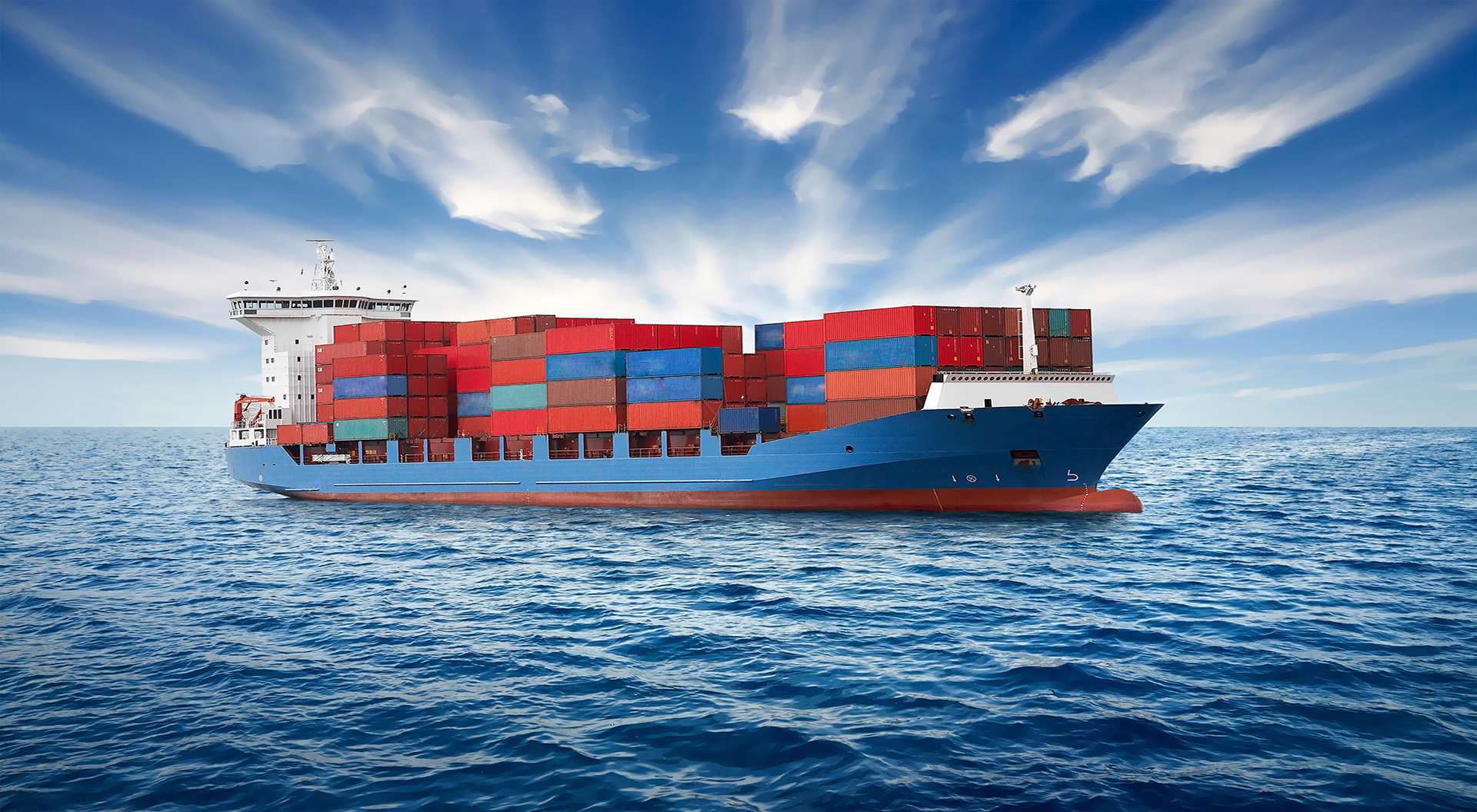
Top Logistics Ltd delivers dependable, budget-focused shipping solutions from China to Ukraine for importers, manufacturers, distributors, and trading businesses across multiple sectors. With practical expertise in China–Ukraine routing and well-established multimodal links through Europe, we provide secure, efficient, and compliant freight programs aligned with your cargo characteristics, required lead time, and total landed-cost targets.
From factory pickup anywhere in China to final delivery in Ukraine, our operations team oversees the entire shipping flow—transport design, export coordination, documentation preparation, customs assistance, and organized inland trucking. Whether you are moving general merchandise, industrial equipment, spare parts, or consolidated shipments, Top Logistics Ltd helps you reduce clearance friction, improve schedule control, and maintain predictable China-to-Ukraine logistics performance.
Top Logistics Ltd organizes ocean freight from major Chinese ports including Shenzhen, Shanghai, Ningbo, and Qingdao to selected European seaports, then arranges onward inland transport into Ukraine. We offer flexible FCL and LCL services, steady carrier planning, disciplined consolidation, and end-to-end coordination from origin pickup to inland delivery. This option is well-suited for cost-driven cargo, routine replenishment, and larger-volume shipments that benefit from structured scheduling and controlled handling.

Top Logistics Ltd provides streamlined air freight from leading Chinese airports to Ukraine via reliable transit hubs, supporting time-sensitive, high-value, and shortage-critical shipments. We manage flight booking, export handling, security screening coordination, and customs-document support, with optional door delivery arrangements. Air freight is frequently chosen for electronics, samples, urgent spare parts, medical-related items, and fast-turn commercial cargo that requires speed and consistent tracking.
Top Logistics Ltd offers end-to-end door-to-door logistics from China to Ukraine, covering factory pickup, export processing, main transport (air/rail/sea + multimodal), customs documentation support, and final delivery to your warehouse, project site, or nominated address in Ukraine. This solution is built for importers who want one coordinated plan, clearer accountability, and fewer handover points—especially important on Ukraine-bound lanes where cross-border transfer timing and inland delivery planning can directly affect total cost and delivery reliability.

Top Logistics Ltd provides professional FCL full-container shipping from China to Ukraine with 20GP, 40GP, and 40HQ container options for high-volume and heavy cargo. We support secure factory loading, route optimization with dependable carriers, stable schedule planning, and shipment visibility throughout the move. FCL is a strong choice for machinery, construction materials, furniture, and large commercial shipments where reduced handling, stronger cargo security, and better unit cost efficiency are priorities.
Top Logistics Ltd delivers cost-efficient LCL shipping from China to Ukraine for small and mid-sized consignments, enabling shippers to share container space through professional consolidation. With careful cargo handling, controlled loading procedures, and coordinated documentation support, LCL helps importers lower freight spend while maintaining delivery reliability, cargo safety, and compliance. This option is ideal when volumes are below FCL break-even but you still need structured schedules and predictable arrival planning.
Top Logistics Ltd will provide most fuel efficient pickup service China
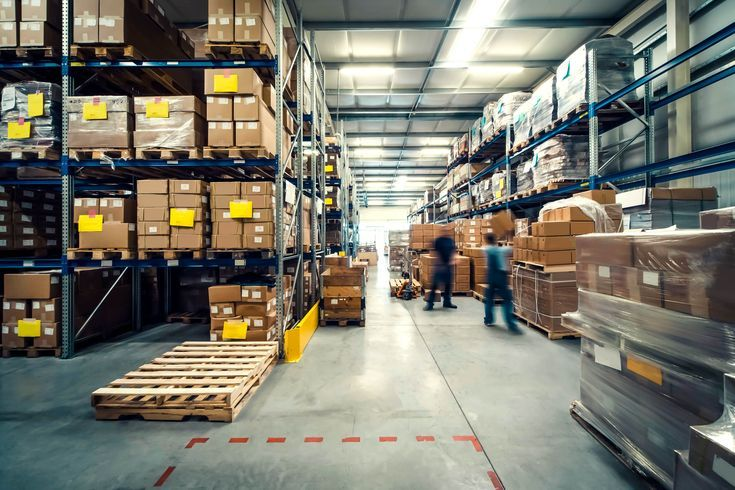
We provide free warehousing services for any of your goods.
The cargo insurance protects your goods all the way to any Any FBA Warehouse
We handle all paperwork and other details for you.

Ensure safe packaging and loading of goods in your suppliers' factory.
Ukraine shipments are typically routed through European gateways and then moved into Ukraine by truck/rail, because end-to-end direct options are limited and schedules can vary. In practice, you’ll usually choose among:
Door-to-door time is not only “transport days.” It includes: factory pickup booking, export handling, line-haul, hub dwell time, border transfer, and last-mile delivery booking.
The most common required documents include:
Import costs commonly include customs duty (HS-code driven), import VAT, plus brokerage and handling fees. Costs can increase if customs challenges:
DDP-style shipping may be possible depending on cargo type and the ability to set up a compliant importer/tax payment arrangement. The main risks are:
LCL can be economical at small volumes, but as volume increases, LCL’s per-CBM pricing plus destination handling can approach (or exceed) FCL cost. FCL becomes more attractive when:
The most common operational causes are:
Battery logistics is mainly about compliance and correct classification:
The safest savings usually come from planning and packaging, not from cutting compliance:
Yes. Multi-supplier shipments often fail due to missing cartons, inconsistent labels, and last-minute document conflicts. A controlled consolidation process includes:
The overall code quality of the international logistics system demonstrates a solid engineering foundation. The architecture is well-structured, with clear separation between freight management, customs clearance, tracking, and billing modules, which improves maintainability and scalability. Naming conventions are consistent and business-oriented, making complex logistics workflows such as multi-leg transportation, carrier allocation, and door-to-door delivery easier to understand and extend. Error handling and data validation are implemented thoughtfully, reducing risks in high-volume shipment processing. Overall, the codebase reflects a strong balance between performance, reliability, and long-term extensibility, which is critical for global freight operations.
Our customer support team delivers responsive and knowledgeable assistance throughout the entire international logistics process. From shipment booking and cargo tracking to customs clearance and final delivery, inquiries are handled promptly with clear, accurate communication. The team understands complex transportation routes, carrier schedules, and documentation requirements, ensuring potential issues are resolved before they impact delivery timelines. This high level of support builds trust and provides customers with confidence in every shipment.
The design quality of the international logistics platform emphasizes clarity, efficiency, and usability. The interface is clean and well-organized, allowing users to manage shipments, track cargo status, and access transportation details with minimal effort. Visual hierarchy and consistent layout improve navigation across freight booking, documentation, and delivery modules. The design effectively supports complex logistics operations while maintaining a professional and modern appearance.
The platform offers comprehensive feature availability to support end-to-end international logistics operations. Key functions such as freight booking, real-time shipment tracking, customs documentation management, carrier coordination, and delivery status updates are consistently accessible and reliable. These features ensure smooth handling of complex transportation workflows and provide users with full operational visibility at every stage of the supply chain.
The overall code quality of the international logistics system demonstrates a solid engineering foundation. The architecture is well-structured, with clear separation between freight management, customs clearance, tracking, and billing modules, which improves maintainability and scalability. Naming conventions are consistent and business-oriented, making complex logistics workflows such as multi-leg transportation, carrier allocation, and door-to-door delivery easier to understand and extend. Error handling and data validation are implemented thoughtfully, reducing risks in high-volume shipment processing. Overall, the codebase reflects a strong balance between performance, reliability, and long-term extensibility, which is critical for global freight operations.