

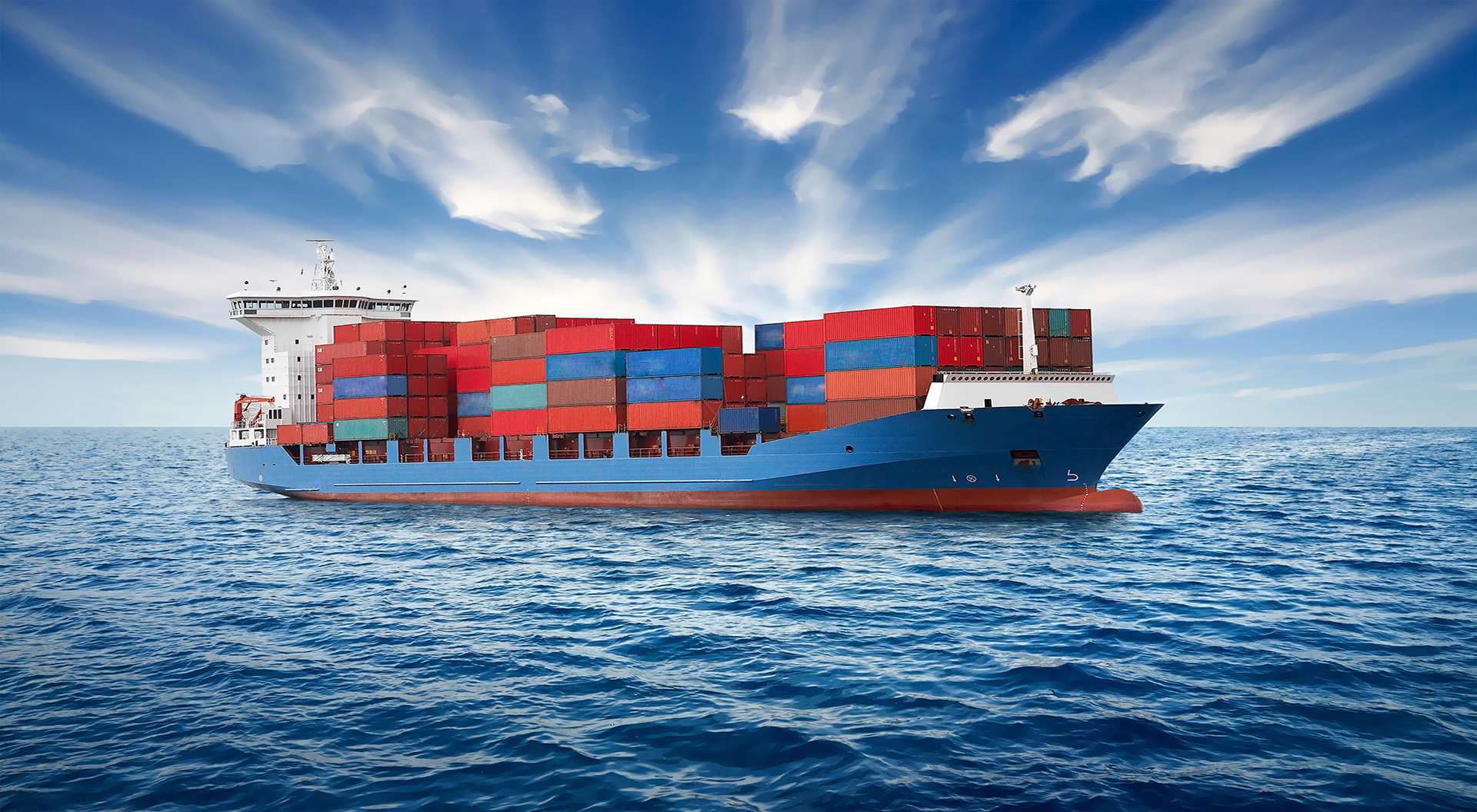
Top Logistics Ltd provides structured and dependable shipping services from China to Tunisia, supporting importers, manufacturers, retailers, contractors, and project buyers with organized freight management and practical delivery planning across Asia–Mediterranean trade lanes. With solid experience coordinating Tunisia-bound cargo through reliable carrier networks and controlled documentation workflows, we arrange secure ocean and air transportation, optimized routing selections, and compliant paperwork prepared to match your cargo type, shipment volume, and required delivery timeline.
From supplier pickup in China to final delivery in Tunisia, Top Logistics Ltd manages the complete logistics chain, including export booking, loading supervision, freight forwarding coordination, customs clearance support, and inland transportation at destination. Whether you are shipping commercial inventory, industrial equipment, construction materials, automotive parts, or consolidated cargo, we focus on stable transit planning and smoother clearance procedures to keep China–Tunisia shipments predictable and under control.
Top Logistics Ltd offers cost-effective and reliable sea freight services from China to Tunisia via major Chinese ports and practical Mediterranean routing options into Tunisia’s main seaport gateways. Supported by coordinated carrier planning and controlled cargo handling, we help reduce avoidable delays and keep shipment milestones transparent. Sea freight is a strong option for general merchandise, project materials, and heavy cargo where economical transportation and scalable capacity are priorities.

For urgent, time-sensitive, or high-value shipments, Top Logistics Ltd arranges fast and secure air freight from China to Tunisia using major airline networks into Tunis-Carthage (TUN) and other workable airports via hubs when required. We prioritize uplift reliability, export coordination, and end-to-end tracking so your cargo moves with fewer disruptions. Air freight solutions can include documentation support and delivery planning aligned with flight availability and Tunisian clearance requirements.

Top Logistics Ltd provides fully managed door-to-door shipping from China to Tunisia, covering each step from supplier pickup to final delivery. Services can include export paperwork preparation, international transport, customs clearance coordination, duty/tax planning, and last-mile delivery to your warehouse, factory, store, or project site. With centralized coordination and shipment visibility, we simplify cross-border logistics while balancing speed, cargo security, and total landed cost.

Top Logistics Ltd handles Full Container Load (FCL) shipping from China to Tunisia for shippers who need dedicated container capacity, clearer scheduling, and reduced handling exposure. We support 20GP, 40GP, and 40HQ containers with coordinated booking into Tunisia’s main ports and onward inland delivery planning. FCL is ideal for higher-volume cargo that benefits from sealed container movement and improved cost predictability per unit.
For smaller volumes or consolidated orders, Top Logistics Ltd offers flexible LCL (Less than Container Load) shipping from China to Tunisia. Through structured consolidation schedules and controlled cargo handling from origin warehouse to destination deconsolidation, we help keep freight moving smoothly while minimizing unnecessary delays. LCL is a practical option for smaller shipments, while still maintaining reliable transit planning and clearance coordination in Tunisia.
Top Logistics Ltd will provide most fuel efficient pickup service China

We provide free warehousing services for any of your goods.

The cargo insurance protects your goods all the way to any Any FBA Warehouse
We handle all paperwork and other details for you.

Ensure safe packaging and loading of goods in your suppliers' factory.
Tunisia is commonly served through Rades (Tunis area) for container imports, with other ports used depending on cargo type and delivery region. The best gateway depends on the consignee’s location (Tunis area vs Sfax vs inland), carrier service patterns, and inland trucking cost. We select routing based on total landed cost and discharge/release reliability—not only the ocean freight rate.
Many Tunisia routings involve Mediterranean transshipment hubs, which can add variability. If a connection is missed or feeder space is constrained, cargo may roll to the next sailing. We reduce this risk by choosing routings with realistic connection buffers, booking early during peak periods, and aligning factory readiness with cutoffs to avoid rollovers.
Sea freight is typically measured in weeks, influenced by origin port, service schedule, and transshipment timing. Air freight is usually days, but total time depends on flight availability into Tunis and clearance speed after arrival. We provide a milestone plan (pickup, cutoff, departure, arrival, clearance, delivery) so your planning reflects the full end-to-end process.
Clearance typically requires a Commercial Invoice, Packing List, and Bill of Lading/Air Waybill, plus permits/certificates for regulated goods where applicable. Delays often come from vague descriptions, incorrect HS codes, mismatched weights/carton counts, and inconsistent consignee/importer details. For machinery, missing model/serial lists and technical specs can trigger extra queries. We pre-check documents, standardize invoice wording, and align shipment data before departure to reduce clearance issues.
Landed cost includes freight, destination handling, customs brokerage, duties/taxes based on HS code and customs valuation, and inland delivery. The final payable can change if customs challenges classification or declared value. We help forecast landed cost by confirming HS codes early, ensuring invoice values reflect real transactions, and providing an itemized estimate including port charges and delivery scope.
LCL is suitable for smaller shipments but includes consolidation/deconsolidation and destination CFS charges that can be significant. FCL reduces handling touches and can be more secure and predictable for mixed cartons, fragile goods, or higher-value cargo. We compare LCL vs FCL using your actual CBM/weight plus destination handling and delivery costs so you choose based on total landed cost—not only the freight line item.
Yes. Delivery planning depends on the exact address, receiving hours, and unloading capability (dock/forklift/manual offload). Some industrial sites require appointments and have specific receiving rules. We confirm delivery windows, contact persons, and unloading requirements early to avoid failed deliveries, truck waiting charges, and re-delivery costs.
Demurrage/detention usually occurs when clearance is delayed due to missing documents, late duty/tax payment, inspections, or when trucking pickup/empty return is not arranged promptly after release. We reduce risk by pre-alerting documents, coordinating with the customs broker early, confirming Incoterms and who pays which charges, and scheduling trucking before arrival so pickup and empty return occur within free time.
Goods that often require extra attention include chemicals/cosmetics, batteries and electronics, medical items, food-contact goods, used equipment, and branded products. Missing MSDS, unclear composition, incomplete technical specs, incorrect HS codes, or labeling issues can trigger holds. We recommend providing product datasheets and precise invoice descriptions early so requirements can be confirmed before shipping.
For oversized/project cargo, we verify piece-level dimensions and weights, select the correct equipment (flat rack, open top, breakbulk, or special trucks), and confirm delivery-site readiness (crane capacity, access roads, unloading windows). We also plan arrival timing to reduce port storage exposure and coordinate delivery scheduling so the cargo moves promptly after release.
The platform offers comprehensive feature availability to support end-to-end international logistics operations. Key functions such as freight booking, real-time shipment tracking, customs documentation management, carrier coordination, and delivery status updates are consistently accessible and reliable. These features ensure smooth handling of complex transportation workflows and provide users with full operational visibility at every stage of the supply chain.
Our customer support team delivers responsive and knowledgeable assistance throughout the entire international logistics process. From shipment booking and cargo tracking to customs clearance and final delivery, inquiries are handled promptly with clear, accurate communication. The team understands complex transportation routes, carrier schedules, and documentation requirements, ensuring potential issues are resolved before they impact delivery timelines. This high level of support builds trust and provides customers with confidence in every shipment.
The overall code quality of the international logistics system demonstrates a solid engineering foundation. The architecture is well-structured, with clear separation between freight management, customs clearance, tracking, and billing modules, which improves maintainability and scalability. Naming conventions are consistent and business-oriented, making complex logistics workflows such as multi-leg transportation, carrier allocation, and door-to-door delivery easier to understand and extend. Error handling and data validation are implemented thoughtfully, reducing risks in high-volume shipment processing. Overall, the codebase reflects a strong balance between performance, reliability, and long-term extensibility, which is critical for global freight operations.