

Shipping from China to Solomon Islands

Services

What we do

Services

img

Sea Freight From China To Solomon Islands

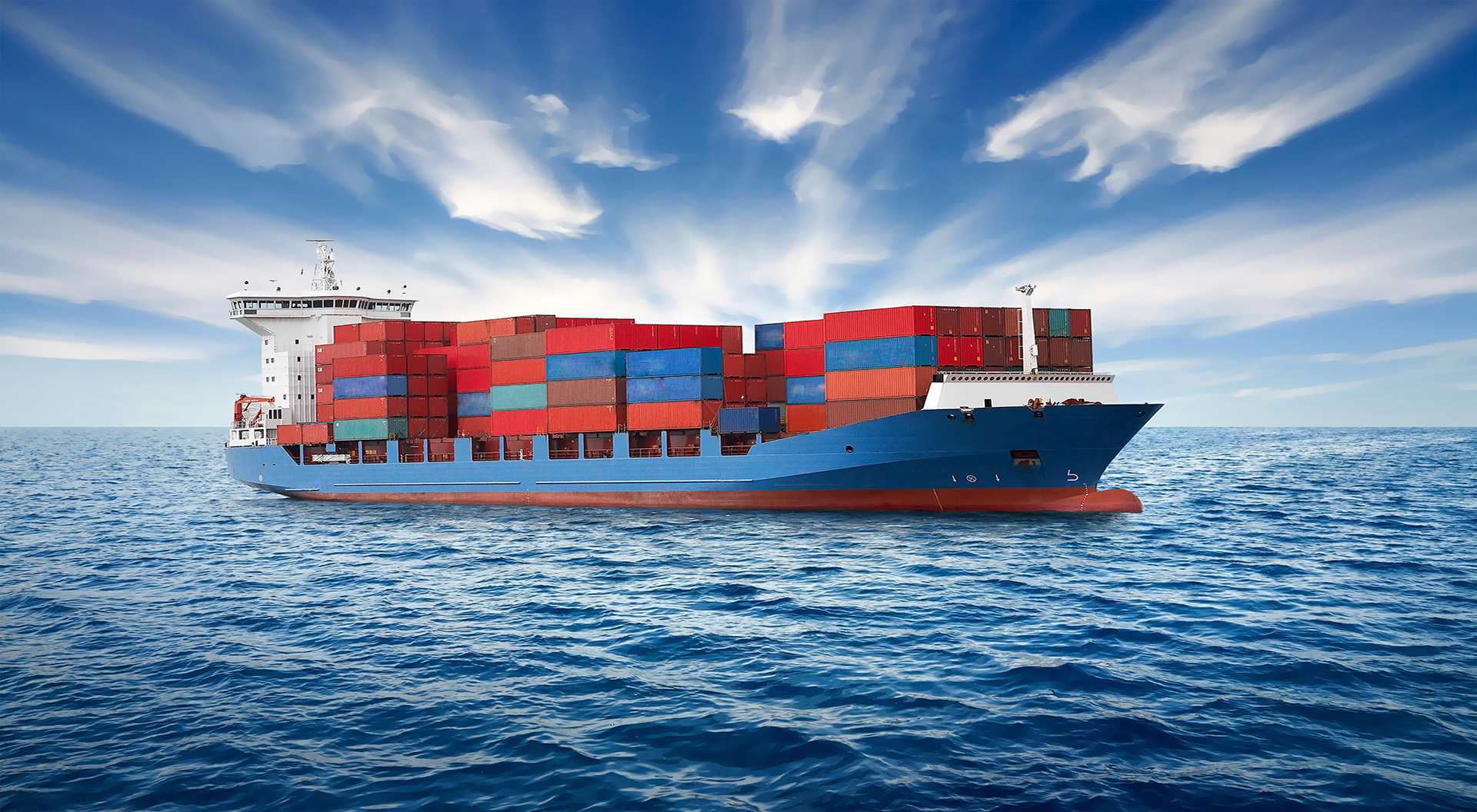
Top Logistics Ltd offers cost-effective and reliable sea freight services from China to the Solomon Islands via major Chinese ports and practical Pacific routing options into the Solomon Islands’ served ports, typically involving transshipment through a regional hub with onward feeder service. Supported by coordinated carrier planning and controlled cargo handling, we help reduce avoidable delays and keep shipment milestones transparent. Sea freight is the primary option for bulk supplies, building materials, and heavier cargo where economical transportation and scalable capacity are priorities.

img

Air Freight From China To Solomon Islands

For urgent, time-sensitive, or high-value shipments, Top Logistics Ltd arranges air freight from China to the Solomon Islands through major airline networks and workable transit connections into Honiara (HIR) and other airports where service is available. Because flight frequency and uplift capacity can be limited, we focus on realistic scheduling, export coordination, and end-to-end tracking so your cargo moves with fewer disruptions. Air freight solutions can include documentation support and delivery planning aligned with Solomon Islands clearance requirements.
img

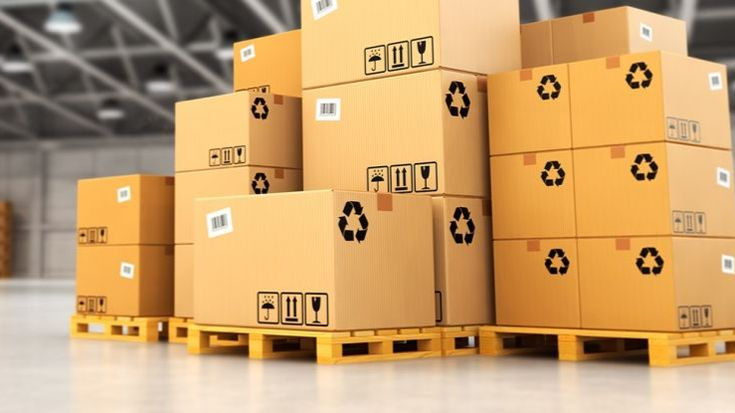
Door to Door Shipping from China to Solomon Islands

Top Logistics Ltd provides fully managed door-to-door shipping from China to the Solomon Islands, covering each step from supplier pickup to final delivery. Services can include export paperwork preparation, international transport, customs clearance coordination, duty/tax planning, and last-mile delivery to your warehouse, store, government facility, or project site—primarily on Guadalcanal (Honiara area) and other islands where local delivery capability allows. With centralized coordination and shipment visibility, we simplify cross-border logistics while balancing speed, cargo security, and total landed cost.

FCL Shipping from China To Solomon Islands

Top Logistics Ltd handles Full Container Load (FCL) shipping from China to the Solomon Islands for shippers who need dedicated container capacity and reduced handling exposure. We support 20GP, 40GP, and 40HQ containers routed via suitable Pacific connections with onward feeder service into the Solomon Islands. FCL is ideal for higher-volume shipments and project cargo that benefit from sealed container movement and improved cargo control.

LCL Shipping from China To Solomon Islands

For smaller volumes or consolidated orders, Top Logistics Ltd offers flexible LCL (Less than Container Load) shipping from China to the Solomon Islands. Through structured consolidation schedules and controlled cargo handling from origin warehouse to destination deconsolidation, we help keep freight moving smoothly while minimizing unnecessary delays. LCL is a practical option for smaller shipments, but it must be planned carefully due to limited sailing frequency and destination handling timelines.

Features

More Services Shipping from China To Solomon Islands

img

Pickup and Delivery

Top Logistics Ltd will provide most fuel efficient pickup service China
img

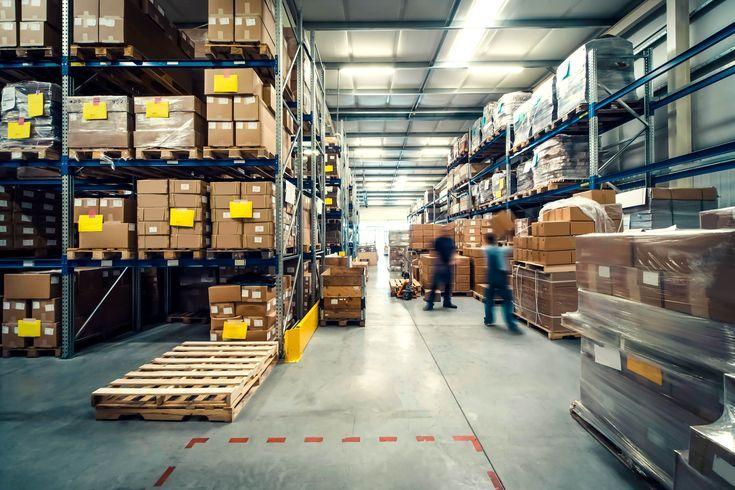
Warehousing

We provide free warehousing services for any of your goods.
img

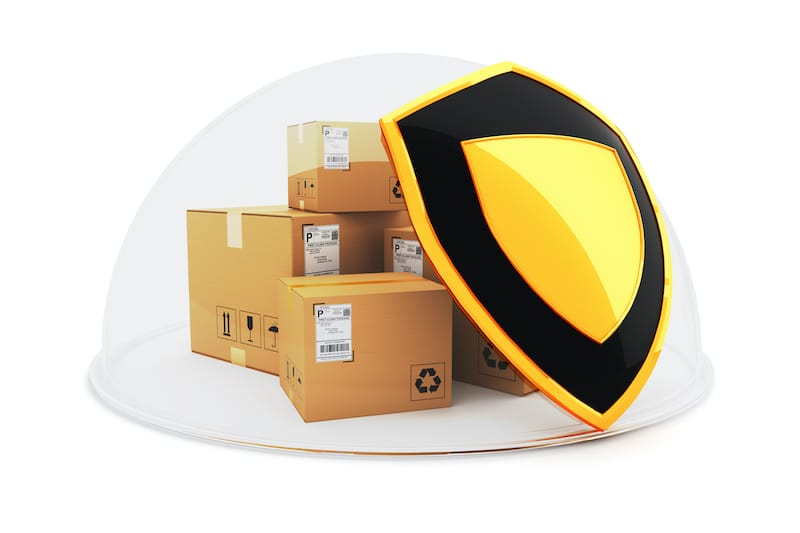
Cargo Insurance

The cargo insurance protects your goods all the way to any Any FBA Warehouse
img

Custom Clearance

We handle all paperwork and other details for you.

img

Loading Inspection

Ensure safe packaging and loading of goods in your suppliers' factory.

Here We Are

GET ANYTYPE QUOTE FROM HERE.

Your Best Freight Forwarder from China to Solomon Islands

  • Provide the best ocean freight from China to Solomon Islands
  • Provide the competitive air freight from China to Solomon Islands
  • The professional work for customs clearance in China
  • Provide the free warehouse service and loading solution
  • The container loading supervision service
  • Pick up and delivery service in China
  • 24/7 online support
What customers also want to know

Professional Shipping from China to Solomon Islands: The Ultimate FAQ Guide

Most ocean imports are handled through Honiara (Guadalcanal), which is the main commercial and logistics center. Local delivery planning matters because trucking capacity, appointment windows, and unloading equipment can be limited. We confirm the receiver’s contact details, unloading capability, and pickup/delivery plan before arrival so cargo can move quickly after release and avoid storage charges.

Direct services from China to the Solomon Islands are limited, so cargo commonly routes via a regional Pacific hub and then connects by feeder. This adds variability because feeder sailings can be infrequent; missing a connection may push cargo to the next available sailing. We reduce risk by selecting routings with realistic connection buffers, booking early, and aligning factory readiness with cutoffs so cargo makes the planned schedule.

Sea freight is typically measured in weeks, including mainline sailing, transshipment waiting time, feeder sailing, discharge, and local release. Air freight is usually days, but total time depends on flight frequency into Honiara and clearance speed. We provide a milestone timeline (pickup, cutoff, departure, arrival, clearance, delivery) so your planning includes connection and local handling time, not just main transit days.

Clearance typically requires a Commercial InvoicePacking List, and Bill of Lading/Air Waybill, plus any permits/certificates for regulated goods. Delays often come from vague descriptions (“general goods”), missing HS codes, mismatched weights/carton counts, and incomplete consignee/importer details. We pre-check the full document set and align it with booking and packing data before departure to reduce amendments and clearance issues.

Landed cost includes freight, destination handling, customs brokerage, duties/taxes based on HS code and customs value, and local delivery. Because island destinations can have meaningful destination handling and delivery costs, budgeting only the freight rate can cause surprises. We help forecast landed cost by confirming HS codes early and providing an itemized estimate including destination charges and delivery scope.

For remote island destinations, the decision is often driven by service frequency and handling risk:

  • LCL is suitable for small shipments but involves more handling and depends on consolidation cutoffs and limited feeder space.
  • FCL reduces handling touches and improves cargo control, but you must confirm the consignee can unload and return the container within free time.
    We compare options using total landed cost, feeder availability, and local receiving capability—not only the headline freight rate.

Door delivery can be arranged in many cases around Honiara; outside Guadalcanal it depends on local transport availability, inter-island transfer schedules, and site access. We confirm the final island/location, local contact, unloading capability, and delivery windows early. For outer islands, we may plan delivery to a practical receiving point and define the service scope clearly to avoid failed delivery attempts and extra costs.

The most reliable savings come from early planning: consolidate suppliers into fewer shipments, optimize packaging to reduce CBM, and book early to meet limited-frequency cutoffs. Choosing a routing with better feeder reliability can reduce total cost by avoiding long storage and re-handling at the hub. We provide routing options with transparent cost/time trade-offs.

To quote accurately, we need the destination port/island (Honiara or other), cargo description and HS code (or product specs), cartons/pallets, gross weight, dimensions/CBM, pickup location in China, ready date, Incoterms, whether cargo is hazardous, and whether you need port-to-port or door-to-door. For outer island deliveries, we also need the exact final location and receiver contact details to plan the domestic transfer correctly.

Batteries, chemicals, aerosols, fuel-related goods, and certain electronics may require special handling—especially by air. Dangerous goods require correct classification, compliant packing/labels, and documentation such as MSDS and DG declarations (plus UN38.3 for lithium batteries where applicable). We review cargo details early and confirm carrier acceptance before booking to avoid rejection or delays.

Don’t Take Our Words for it

Listen to What Our Clients Say about Our Freight Forwarding Service

Features Availability

The platform offers comprehensive feature availability to support end-to-end international logistics operations. Key functions such as freight booking, real-time shipment tracking, customs documentation management, carrier coordination, and delivery status updates are consistently accessible and reliable. These features ensure smooth handling of complex transportation workflows and provide users with full operational visibility at every stage of the supply chain.

Warleman Joliues
Co-Founder Carion ltd

Design Quality

The design quality of the international logistics platform emphasizes clarity, efficiency, and usability. The interface is clean and well-organized, allowing users to manage shipments, track cargo status, and access transportation details with minimal effort. Visual hierarchy and consistent layout improve navigation across freight booking, documentation, and delivery modules. The design effectively supports complex logistics operations while maintaining a professional and modern appearance.

Jon D. William
Founder of Mixbix

Code Quality

The overall code quality of the international logistics system demonstrates a solid engineering foundation. The architecture is well-structured, with clear separation between freight management, customs clearance, tracking, and billing modules, which improves maintainability and scalability. Naming conventions are consistent and business-oriented, making complex logistics workflows such as multi-leg transportation, carrier allocation, and door-to-door delivery easier to understand and extend. Error handling and data validation are implemented thoughtfully, reducing risks in high-volume shipment processing. Overall, the codebase reflects a strong balance between performance, reliability, and long-term extensibility, which is critical for global freight operations.

Sakira K. Lilliam
Ceo of Axone