

Top Logistics Ltd provides structured and dependable shipping services from China to Norway, supporting importers, manufacturers, retailers, e-commerce brands, and project buyers with organized freight management and practical delivery planning into a high-compliance Nordic market. With solid experience coordinating routings through European gateways and direct Nordic services, we arrange secure ocean, air, and rail solutions, optimized routing selections, and compliant documentation prepared to match your cargo type, shipment volume, and required delivery timeline.
From supplier pickup in China to final delivery in Norway, Top Logistics Ltd manages the complete logistics chain, including export booking, loading supervision, freight forwarding coordination, customs clearance support, and inland transportation to Oslo, Bergen, Stavanger, Trondheim, and other destinations. Whether you are shipping commercial inventory, industrial equipment, spare parts, seafood-industry supplies, or consolidated cargo, we focus on stable transit planning and smooth clearance procedures to keep China–Norway shipments predictable and under control.
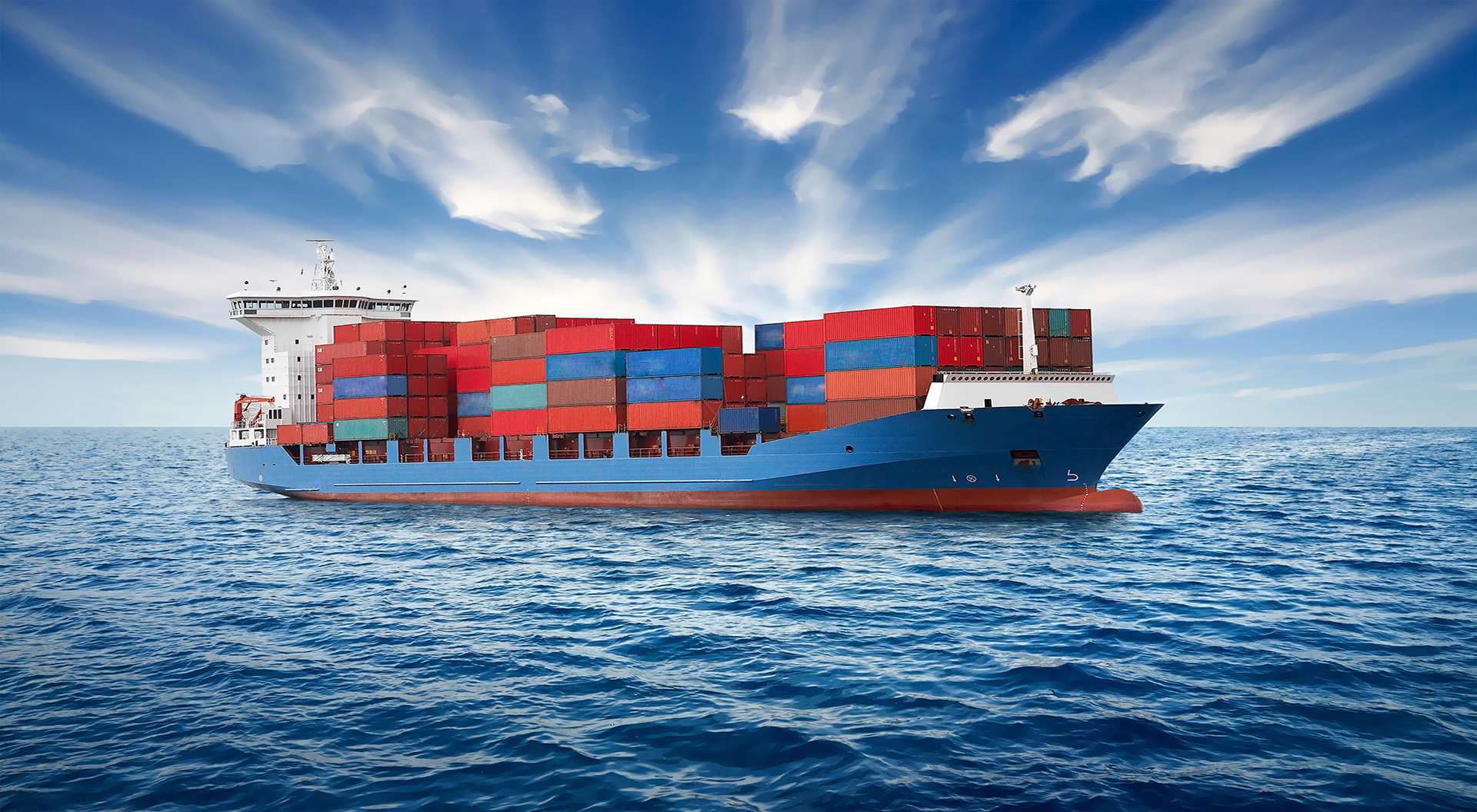
Top Logistics Ltd offers cost-effective and reliable sea freight services from China to Norway via major Chinese ports and established European gateway ports, followed by onward feeder/direct Nordic services and inland delivery within Norway. Supported by coordinated carrier planning and controlled cargo handling, we help reduce avoidable delays and maintain consistent transit performance. Sea freight is a strong option for heavier cargo where economical transportation and scalable capacity are priorities.
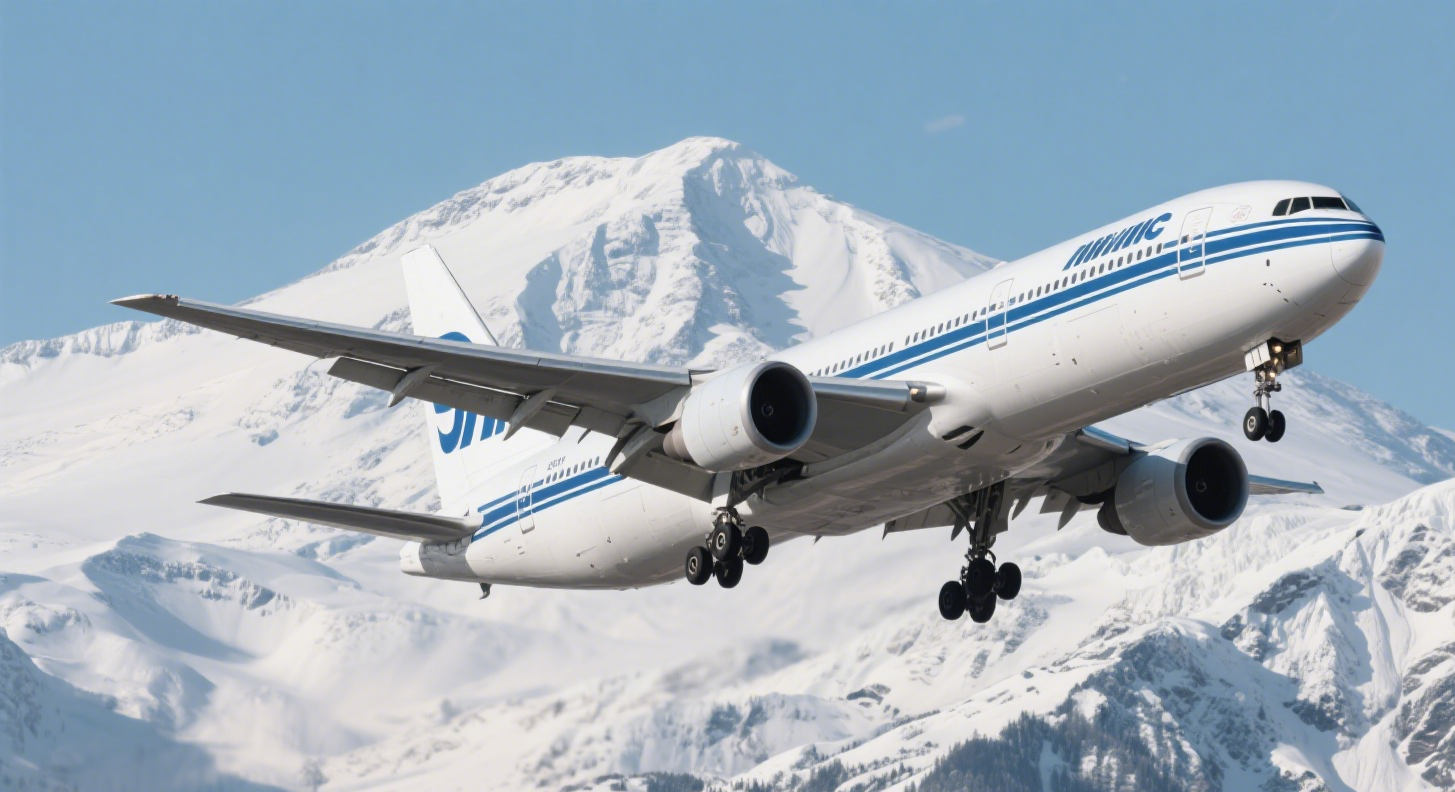
For urgent, time-sensitive, or high-value shipments, Top Logistics Ltd arranges fast and secure air freight from China to Norway through major airline networks into Oslo (OSL) and other workable airports via European hubs when required. We prioritize uplift reliability, export coordination, and end-to-end tracking so your cargo moves with fewer disruptions. Air freight solutions can include documentation support and delivery planning aligned with flight availability and Norwegian clearance requirements.

Top Logistics Ltd provides stable rail freight solutions from China to Norway using established Eurasian rail corridors into key European terminals, with onward trucking/ferry connections into Norway where appropriate. We coordinate booking, export handling, rail documentation, terminal transfers, and last-mile delivery planning to keep rail movements traceable and predictable. Rail is well suited for containerized cargo that needs a balanced option between ocean cost efficiency and air speed.

Top Logistics Ltd handles Full Container Load (FCL) shipping from China to Norway for shippers who need dedicated container capacity, clearer scheduling, and reduced handling exposure. We support 20GP, 40GP, and 40HQ containers via European gateways or Nordic services, with onward inland transport within Norway. FCL is ideal for higher-volume cargo that benefits from sealed container movement and improved cost predictability per unit.
For smaller volumes or consolidated orders, Top Logistics Ltd offers flexible LCL (Less than Container Load) shipping from China to Norway. Through structured consolidation schedules and controlled cargo handling from origin warehouse to destination deconsolidation, we help keep freight moving smoothly while minimizing unnecessary delays. LCL is a practical option for smaller shipments, while still maintaining reliable transit planning and Norwegian clearance coordination.
Top Logistics Ltd will provide most fuel efficient pickup service China
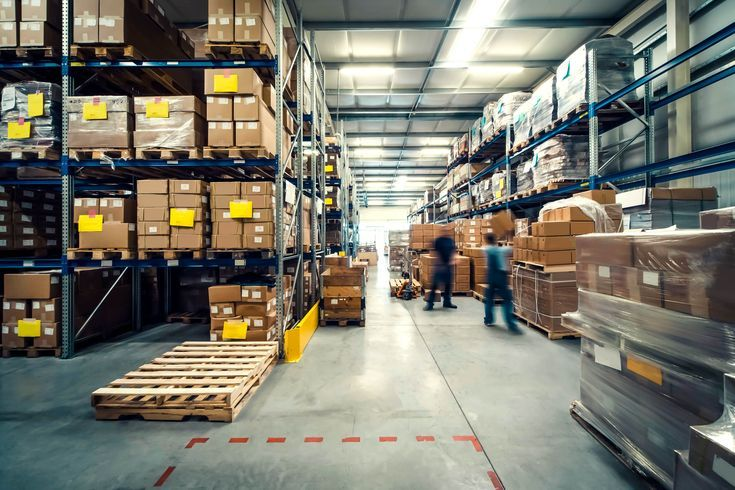
We provide free warehousing services for any of your goods.
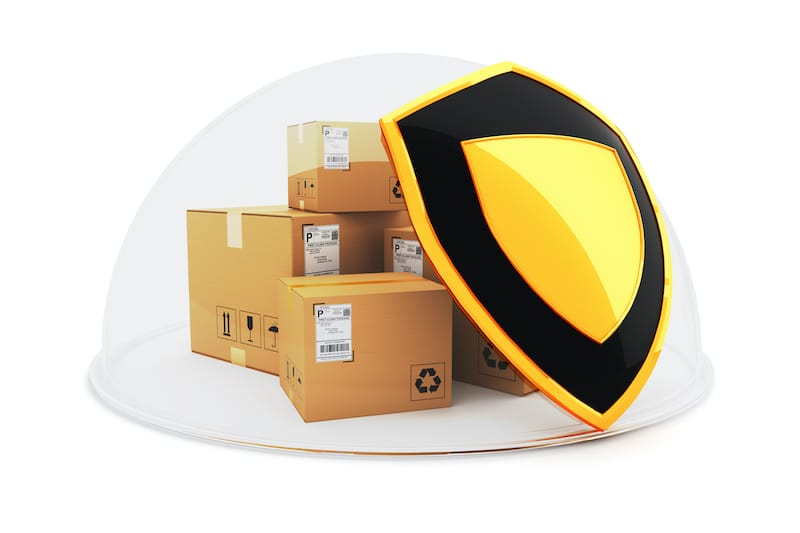
The cargo insurance protects your goods all the way to any Any FBA Warehouse
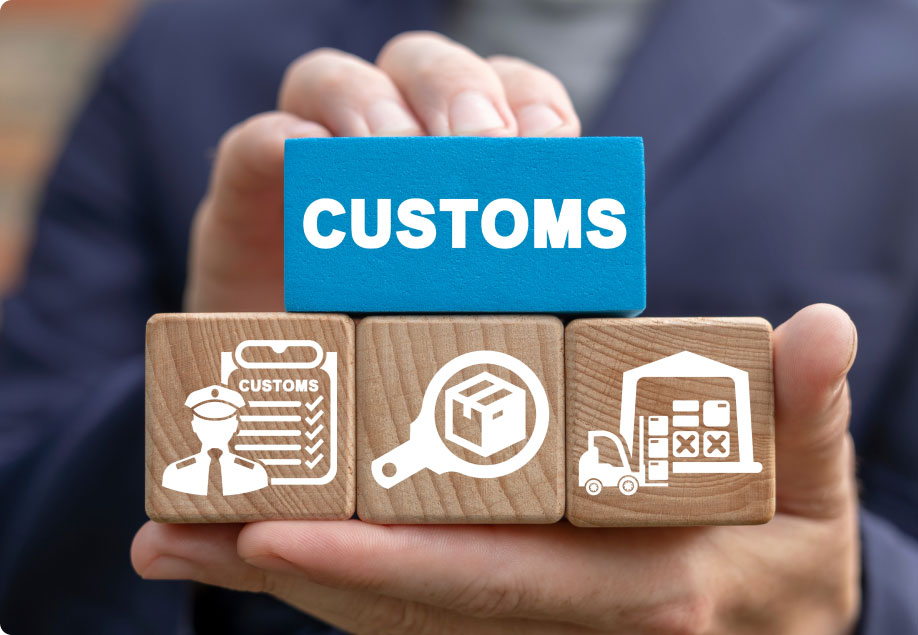
We handle all paperwork and other details for you.

Ensure safe packaging and loading of goods in your suppliers' factory.
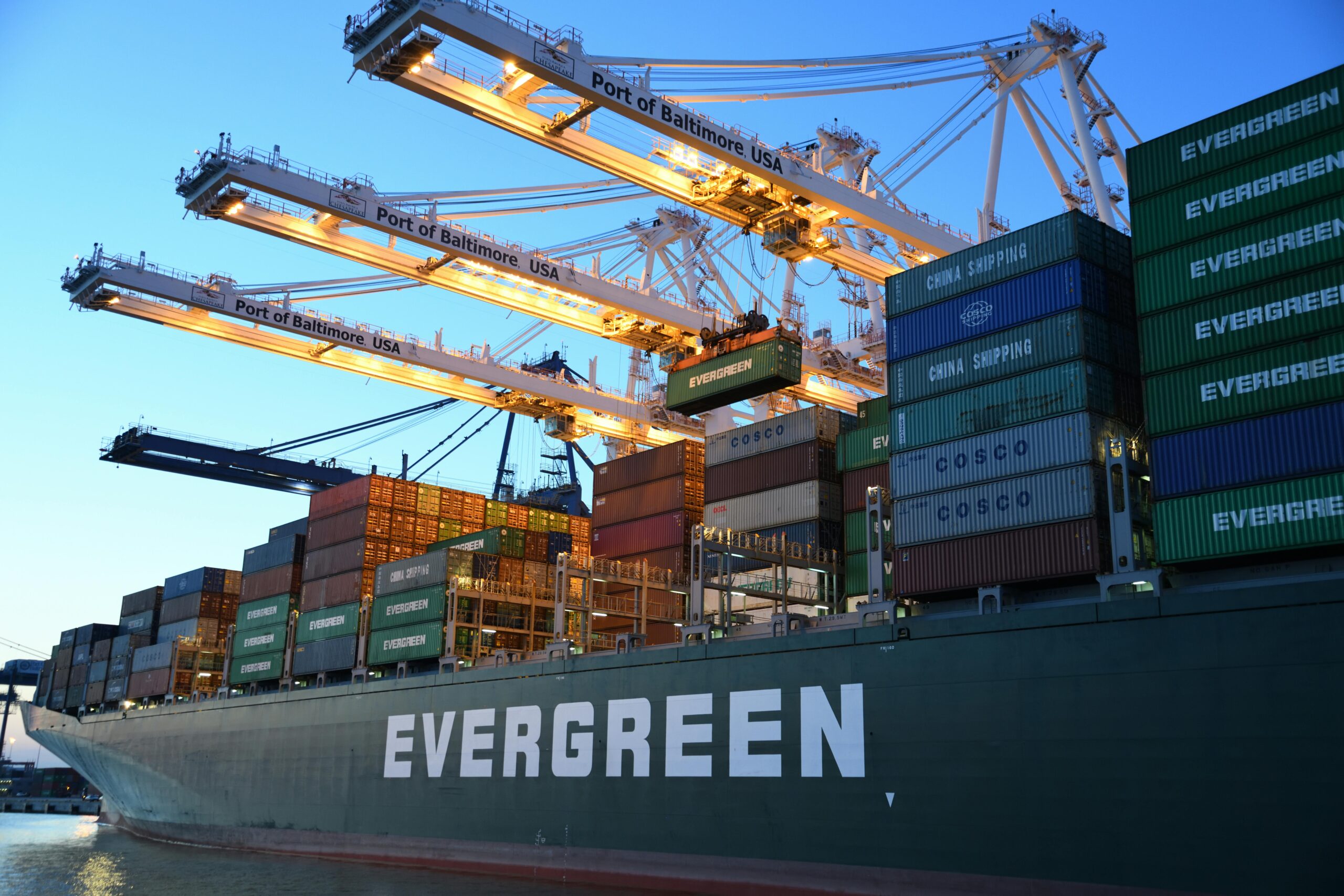
Norway is part of the EEA but outside the EU Customs Union, so imports must be cleared under Norwegian customs rules and Norwegian VAT handling. Even if your shipment routes via an EU gateway, it typically must move under transit and then clear in Norway. This makes document accuracy and transit procedure setup critical; mistakes can cause holds at the gateway or delays at the Norwegian border/entry. We confirm the intended clearance point and prepare the correct document flow before departure.
Many shipments arrive via large European ports and then move onward by feeder/direct Nordic services to Norway, or by truck after EU entry. The best routing depends on delivery region (Oslo area vs west coast), sailing frequency, and inland cost. We compare options based on total lead time and reliability, including the onward leg into Norway, because a “cheap” gateway can become expensive if the last-mile is inefficient.
Transit time depends on origin in China, mode, and onward connection into Norway:
Typical documents include Commercial Invoice, Packing List, and Bill of Lading/Air Waybill, plus product compliance documents when applicable. Delays often come from vague descriptions, incorrect HS codes, mismatched weights/carton counts, and missing importer details required for clearance. If your cargo includes regulated products, missing supporting documents can also trigger holds. We standardize document templates and cross-check everything against the booking and packing data before shipping.
Landed cost includes freight, destination handling, brokerage, duty (HS-code dependent), and Norwegian VAT assessed on the import value basis under local rules. The most accurate forecast requires correct HS classification, correct customs value, and clear Incoterms. We help you estimate landed cost by confirming HS codes early and providing an itemized cost view that includes destination charges and final delivery within Norway.
LCL is suitable for smaller volumes but includes consolidation/deconsolidation fees and can be sensitive to weekly cutoffs. FCL reduces handling touches and becomes more economical as volume increases, especially if delivering to one consignee. Because Norway is outside the EU Customs Union, clearance and transit planning can also influence cost—extra handovers may add time and charges. We compare LCL vs FCL using total landed cost (gateway fees + onward leg + clearance + delivery) rather than only the base freight rate.
Rail makes sense when you want a mid-speed option with stable capacity for containerized freight. However, the final leg into Norway often requires additional trucking and sometimes ferry/bridge routing depending on the arrival terminal. We plan last-mile delivery early—appointments, vehicle type, and receiving hours—so the cargo does not incur terminal storage while waiting for a truck slot.
Yes. Delivery constraints can include appointment-only warehouses, limited receiving hours, and access limitations for larger vehicles, especially in city centers or remote areas. For industrial deliveries, we confirm unloading capability (dock/forklift) and whether the consignee can unload quickly to avoid waiting time charges. For remote locations, we plan buffer time for weather and route conditions.
Goods such as chemicals, batteries, electronics, medical-related items, and products requiring specific labeling/certifications can face extra checks. Missing MSDS, unclear technical specs, incorrect HS codes, or incomplete compliance files can trigger holds. We recommend preparing product datasheets and compliance documents early and ensuring the invoice description matches the actual goods to reduce inspection and classification disputes.
We recommend reinforced export packing, palletization where appropriate, and moisture protection for ocean shipments. FCL reduces handling touches for sensitive cargo, and air may be preferable for urgent high-value items if compliant. Cargo insurance is strongly recommended because carrier liability is limited; we help set insured value correctly and explain claim evidence requirements in advance.
Our customer support team delivers responsive and knowledgeable assistance throughout the entire international logistics process. From shipment booking and cargo tracking to customs clearance and final delivery, inquiries are handled promptly with clear, accurate communication. The team understands complex transportation routes, carrier schedules, and documentation requirements, ensuring potential issues are resolved before they impact delivery timelines. This high level of support builds trust and provides customers with confidence in every shipment.
The design quality of the international logistics platform emphasizes clarity, efficiency, and usability. The interface is clean and well-organized, allowing users to manage shipments, track cargo status, and access transportation details with minimal effort. Visual hierarchy and consistent layout improve navigation across freight booking, documentation, and delivery modules. The design effectively supports complex logistics operations while maintaining a professional and modern appearance.
The platform offers comprehensive feature availability to support end-to-end international logistics operations. Key functions such as freight booking, real-time shipment tracking, customs documentation management, carrier coordination, and delivery status updates are consistently accessible and reliable. These features ensure smooth handling of complex transportation workflows and provide users with full operational visibility at every stage of the supply chain.