

Top Logistics Ltd provides structured logistics coordination for shipments from China to North Korea, supporting authorized importers and compliant trade activities with organized freight management and practical delivery planning. Because routing, carrier availability, and documentation acceptance for this lane can be highly restricted and changeable, we focus on careful pre-checking, realistic scheduling, and strict document control based on the specific cargo, shipper/consignee details, and the latest operational constraints.
From supplier pickup in China to final delivery planning for North Korea, Top Logistics Ltd manages key steps such as export booking coordination, loading supervision, freight forwarding support, documentation preparation, and handover planning with permitted service partners where feasible. Whether the shipment is commercial goods, equipment, or consolidated cargo, we focus on stable transit planning and compliance-first execution to reduce avoidable delays and prevent shipments from being rejected due to documentation or routing issues.
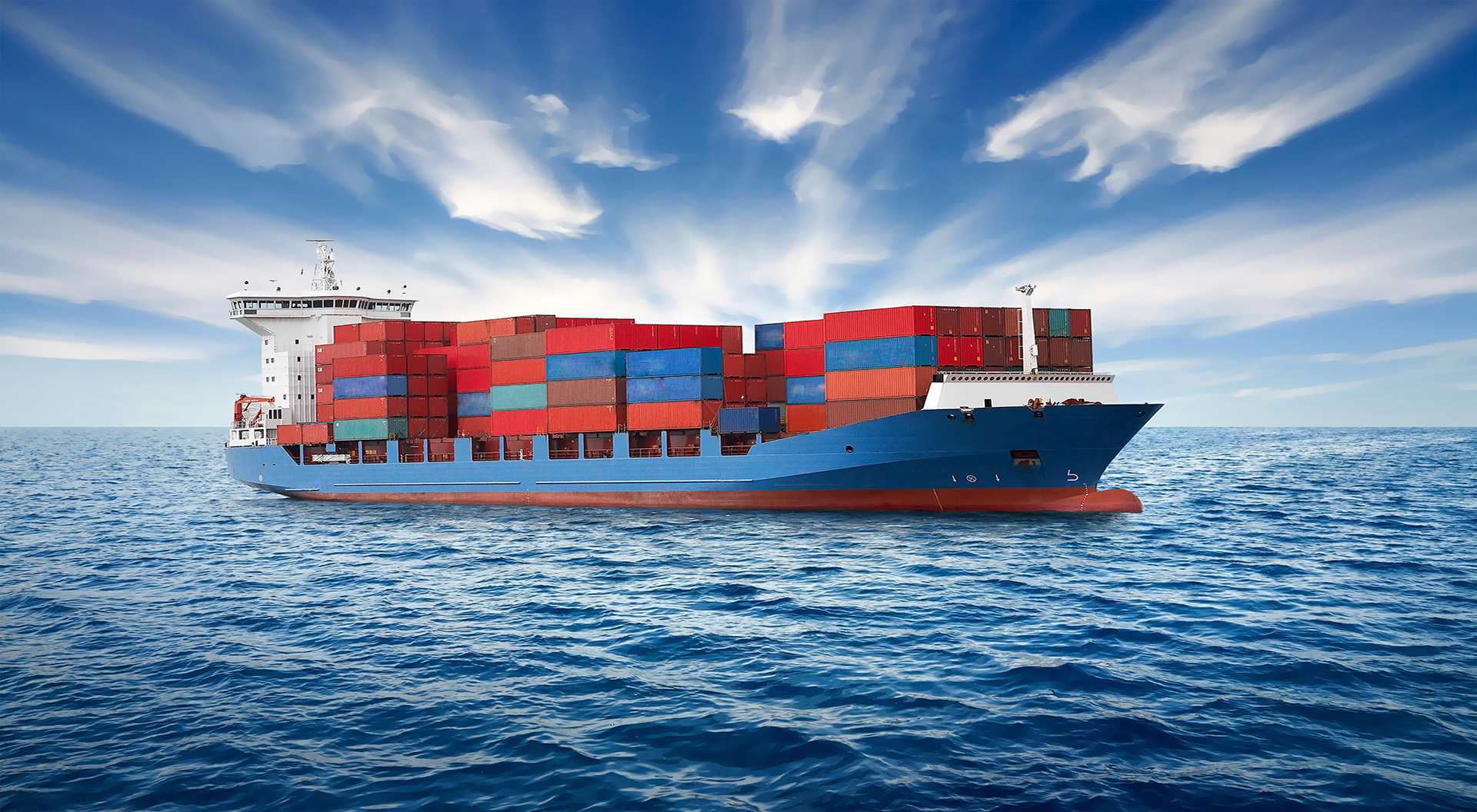
Top Logistics Ltd can support sea freight coordination from China toward North Korea where services are available and legally permitted, using suitable China departure ports and workable coastal routing plans. Because sailing availability and port acceptance can be limited, we prioritize confirmed space, controlled documentation, and realistic delivery windows rather than optimistic schedules. Sea freight may be suitable for heavier cargo when a compliant routing can be secured.

Top Logistics Ltd can assist with air freight coordination from China to North Korea only when routes, airlines, and cargo types are permitted and verifiably compliant. Given that capacity and acceptance may be limited, we focus on pre-confirmation of eligibility, strict documentation checks, and milestone visibility. Air freight is generally considered only for small, time-sensitive shipments when a lawful, workable uplift option exists.

Top Logistics Ltd may be able to coordinate door-to-door logistics planning on a case-by-case basis where permitted, including pickup in China and delivery arrangements aligned with compliant routing and destination receiving capability. Because last-mile arrangements can be constrained, we define service scope clearly, confirm the consignee’s receiving plan, and build a phased execution plan to reduce the risk of cargo being held due to missing approvals or unclear delivery responsibility.

Top Logistics Ltd can coordinate Full Container Load (FCL) solutions where permitted and operationally feasible, supporting standard container types such as 20GP, 40GP, and 40HQ. FCL can reduce handling touches and improve cargo control, but it also requires careful planning for acceptance, release, and equipment return terms. We confirm feasibility and cost exposure upfront before recommending an FCL plan.
For smaller volumes, Top Logistics Ltd may arrange LCL coordination only when consolidation, routing, and destination handling are permitted and workable. Because LCL involves more touch points and relies on consolidated schedules, we focus on packing standards, document accuracy, and confirmed consolidation cutoffs to reduce delay risk. We also clarify destination handling scope early, since small-market destinations can have limited deconsolidation capacity.
Top Logistics Ltd will provide most fuel efficient pickup service China

We provide free warehousing services for any of your goods.

The cargo insurance protects your goods all the way to any Any FBA Warehouse
We handle all paperwork and other details for you.

Ensure safe packaging and loading of goods in your suppliers' factory.
Feasibility depends on the cargo type, shipper/consignee identities, the intended routing/mode, and whether the shipment is permitted under all applicable laws and regulations. To assess feasibility, we need a detailed cargo description, HS code (or full product specs), value, quantity, end user/consignee details, pickup point in China, desired delivery point, and whether any component is controlled or dual-use. Without these details, quoting or routing would be unreliable and could create compliance risk.
The biggest constraints are typically limited carrier/airline acceptance, changing operational windows, and strict scrutiny of documents and cargo categories. Even if transport is theoretically possible, space availability and acceptance can change quickly. We handle this by confirming acceptance before pickup where possible, using realistic schedules, and avoiding commitments that depend on unconfirmed capacity.
At minimum, shipments typically require a Commercial Invoice, Packing List, and transport document (BL/AWB), but additional declarations or supporting documentation may be required depending on the cargo. Accuracy is critical because small inconsistencies—consignee name, product description, value, or quantity—can lead to rejection, holds, or costly rework. We standardize documents and cross-check every field against the booking and packing data to reduce correction risk mid-transit.
Controlled, sensitive, or dual-use items can be restricted. Some categories—electronics components, industrial equipment, chemicals, telecom-related items, and certain machinery—may trigger higher scrutiny depending on specifications and end use. We do not guess eligibility. Instead, we ask for detailed specs and assess whether the shipment can be handled compliantly; if it cannot, we advise against shipping.
Transit time can vary widely due to routing constraints, limited frequency, and administrative processes. Even when transport is possible, it may not follow standard commercial schedules. We provide a milestone timeline based on confirmed legs (pickup, export handling, departure, transfer points, arrival, release) and build buffer time, because “normal” lane averages are not reliable for constrained destinations.
Not necessarily. Air can be faster when uplift exists and acceptance is confirmed, but flight frequency and acceptance can be more constrained than sea for certain cargo. Sea may offer better capacity for heavy cargo when a permitted service exists, but it can also involve longer waiting times. We recommend mode based on feasibility, acceptance, and risk—not just speed.
Door-to-door depends on whether compliant last-mile arrangements are possible and whether the consignee can receive and clear the cargo under the planned structure. Before offering door-to-door, we confirm delivery address details, receiving contact, unloading capability, and who is responsible for any local charges. We also define service boundaries clearly because “door-to-door” can be interpreted differently in constrained markets.
We reduce risk by doing pre-checks before cargo leaves the supplier: document consistency checks, packaging verification, and acceptance confirmation with the intended service partners. We also avoid vague descriptions and ensure packing lists are detailed. If the shipment requires any special approval, we confirm that pathway before booking rather than hoping it will clear later.
We recommend export-grade packing: reinforced cartons, palletization where suitable, shock protection for sensitive items, and moisture protection. Clear labeling and accurate package counts help inspections proceed faster and reduce disputes about shortages or mismatched packing. For fragile equipment, crating may be appropriate to prevent damage during additional handling.
Cargo insurance availability depends on the shipment structure and insurer acceptance. Even where insurance is possible, coverage terms can vary. We can discuss options after we confirm cargo details and routing feasibility. Regardless, we recommend treating packing and handling controls as primary protection because claims require strong evidence and carrier liability is limited.
The overall code quality of the international logistics system demonstrates a solid engineering foundation. The architecture is well-structured, with clear separation between freight management, customs clearance, tracking, and billing modules, which improves maintainability and scalability. Naming conventions are consistent and business-oriented, making complex logistics workflows such as multi-leg transportation, carrier allocation, and door-to-door delivery easier to understand and extend. Error handling and data validation are implemented thoughtfully, reducing risks in high-volume shipment processing. Overall, the codebase reflects a strong balance between performance, reliability, and long-term extensibility, which is critical for global freight operations.
The platform offers comprehensive feature availability to support end-to-end international logistics operations. Key functions such as freight booking, real-time shipment tracking, customs documentation management, carrier coordination, and delivery status updates are consistently accessible and reliable. These features ensure smooth handling of complex transportation workflows and provide users with full operational visibility at every stage of the supply chain.
The design quality of the international logistics platform emphasizes clarity, efficiency, and usability. The interface is clean and well-organized, allowing users to manage shipments, track cargo status, and access transportation details with minimal effort. Visual hierarchy and consistent layout improve navigation across freight booking, documentation, and delivery modules. The design effectively supports complex logistics operations while maintaining a professional and modern appearance.