

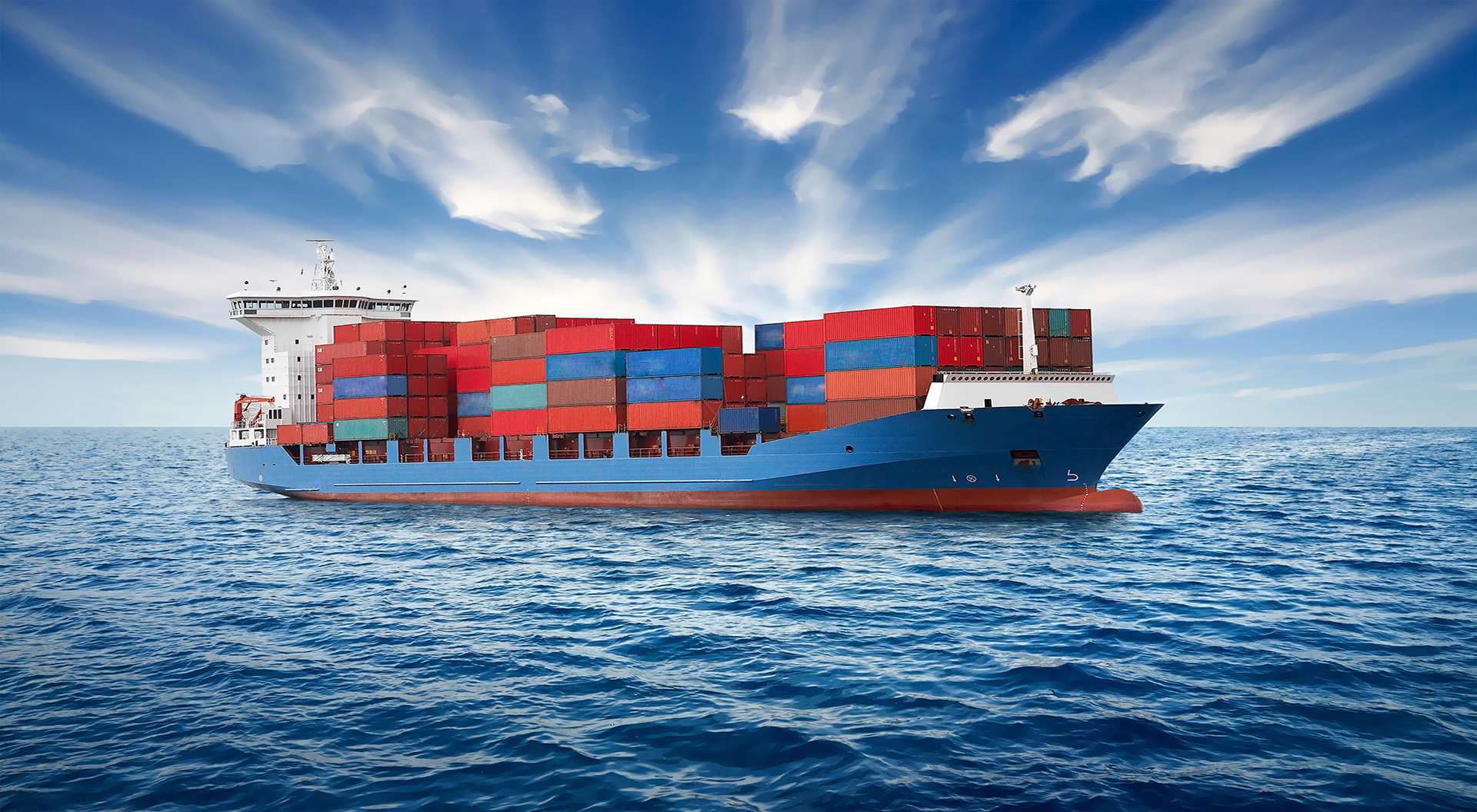
Shipping cargo from China to Greenland requires carefully structured routing due to limited direct maritime connections and Arctic operating conditions. Unlike mainstream European destinations, Greenland depends heavily on feeder services routed through Northern Europe or Denmark before final ocean delivery to its coastal ports. Top Logistics Ltd designs multi-stage freight programs that combine Asian export handling with Northern European transshipment coordination and final Arctic distribution planning.
From factory pickup in Shenzhen, Shanghai, Ningbo, and Qingdao to feeder vessel loading in Aalborg or Aarhus before final sailing to Nuuk, Sisimiut, or Ilulissat, every shipment must be scheduled around seasonal vessel frequency and port infrastructure limitations. Transit planning, documentation accuracy, and cargo protection are critical when navigating long-haul and cold-climate logistics corridors.
Our structured approach ensures cargo stability, customs compliance under Danish authority, and reliable delivery across Greenland’s limited but strategically important commercial hubs.
Top Logistics Ltd organizes multi-leg ocean freight solutions linking Chinese export ports with Greenland via Northern European transshipment gateways. Containers typically sail from Asia to Denmark or other Scandinavian hubs before transferring onto feeder vessels serving Nuuk and surrounding coastal ports. We coordinate container booking, export declaration, transshipment timing alignment, Arctic sailing schedules, and final port discharge management. This structured sea freight model supports construction materials, retail goods, machinery components, and bulk shipments entering Greenland’s remote supply chain network.
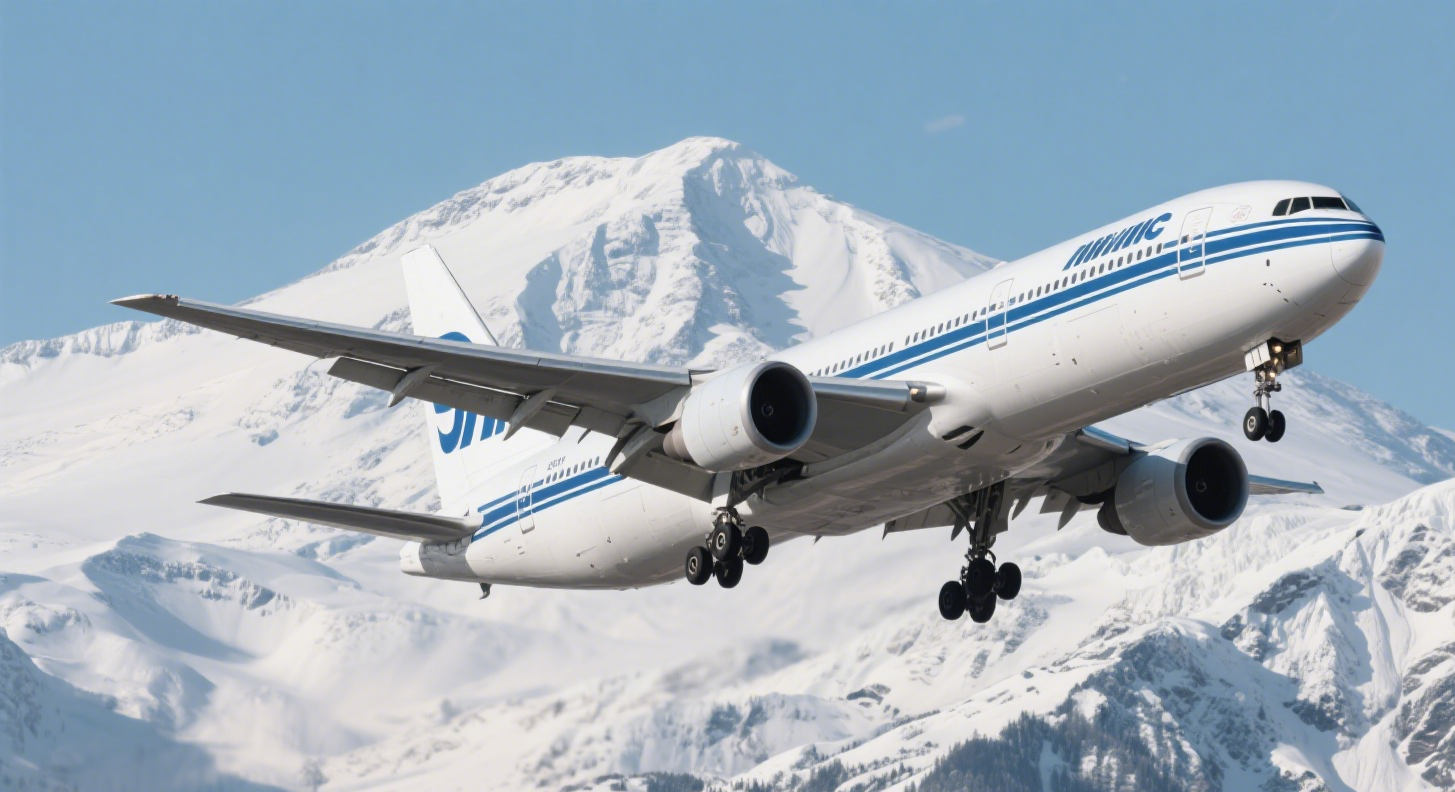
Top Logistics Ltd provides air cargo services connecting China with Greenland through European aviation hubs before final routing into Nuuk. Given limited direct long-haul flights, air freight often moves via Copenhagen before onward transfer. We manage airline space allocation, documentation compliance under Danish customs procedures, cargo screening, and ground handling coordination. This solution is suitable for urgent spare parts, technical equipment, medical supplies, and high-value commercial shipments requiring reduced transit cycles.
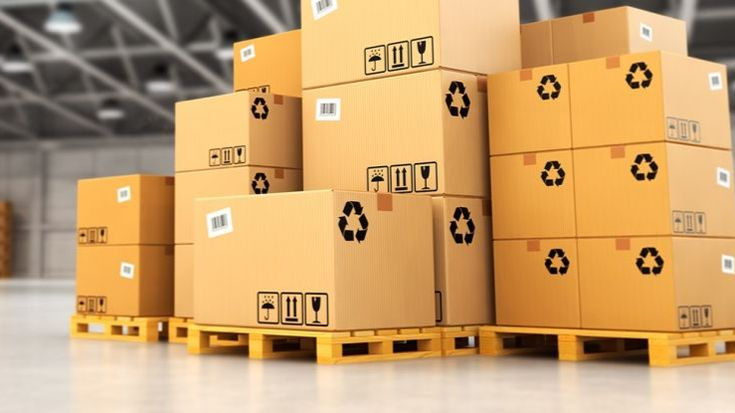
Top Logistics Ltd delivers integrated door-to-door logistics solutions structured around Greenland’s geographic constraints. The service includes supplier pickup, export customs filing, international freight transport, transshipment coordination in Northern Europe, Danish customs clearance, and final local distribution. Because Greenland’s inland transport options are limited and weather-sensitive, shipment planning emphasizes schedule buffering, cargo protection, and coordinated delivery windows to ensure reliable end-point arrival.

Full Container Load (FCL) shipping is recommended for bulk cargo or heavy freight entering Greenland. Due to transshipment requirements, containers are typically routed from Chinese main ports to Northern Europe before being loaded onto feeder vessels servicing Greenlandic ports.
FCL offers significant advantages in this corridor. Cargo remains sealed throughout multiple transfer stages, reducing handling exposure during transshipment. For construction materials, industrial equipment, packaged food supplies, and seasonal inventory replenishment, a dedicated container ensures cargo security across long ocean distances and Arctic weather conditions.
Upon arrival at Nuuk or other primary ports, containers proceed through Danish customs-controlled clearance processes. After release, cargo is transported via local trucking services or coastal redistribution depending on final destination. Because vessel frequency to Greenland can be limited, early booking is strongly recommended to maintain schedule reliability.
Less than Container Load (LCL) shipping provides a flexible solution for smaller shipments moving through this complex route. Cargo is consolidated at origin warehouses in China, shipped to Northern European hubs, and then grouped again for feeder transfer into Greenland.
Given the multiple handling stages involved, precise documentation and protective packaging are especially important. Each consignee clears goods under Danish customs procedures upon arrival. While transit time may be slightly longer than standard European routes due to feeder coordination, LCL significantly reduces freight commitment for SMEs, equipment suppliers, and businesses supporting Greenland’s local retail and infrastructure sectors.
Because Greenland’s shipping frequency is not daily, shipment planning must account for feeder departure schedules to avoid extended storage time at transshipment ports.
Top Logistics Ltd will provide most fuel efficient pickup service China
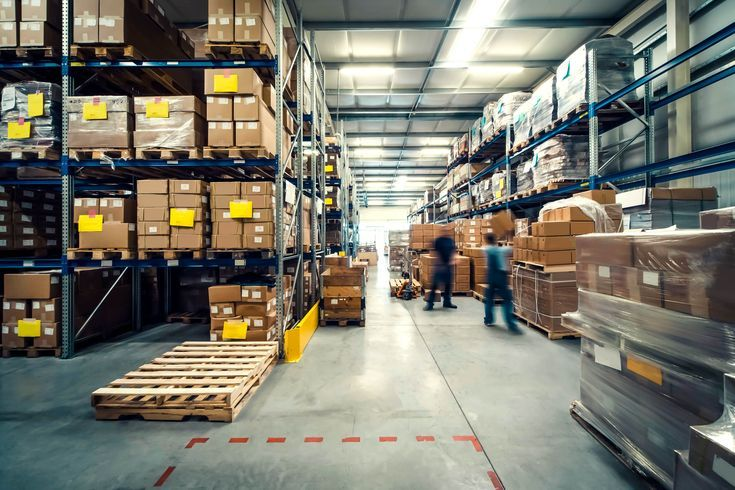
We provide free warehousing services for any of your goods.
The cargo insurance protects your goods all the way to any Any FBA Warehouse
We handle all paperwork and other details for you.

Ensure safe packaging and loading of goods in your suppliers' factory.
Sea freight from China to Greenland generally requires 40–65 days depending on season, ice conditions, and transshipment efficiency in Denmark. During winter months, schedules may extend due to Arctic weather, limited sailings, and port congestion in Nuuk or Sisimiut.
Direct container shipping from China to Greenland is not commonly available. Most FCL shipments must transit through Denmark. This means longer transit times, additional port handling, and coordination between mainline carriers and regional Arctic shipping operators.
Yes, LCL shipping from China to Greenland is possible but involves consolidation in China and deconsolidation in Denmark before final feeder transport. Because Greenland has low cargo volume, LCL services operate less frequently and require careful scheduling to avoid storage delays.
The main cargo port in Greenland is Nuuk, which handles the majority of container freight. Sisimiut and Ilulissat also receive shipments but have more limited infrastructure. Port capacity and equipment are smaller compared to European terminals, so container discharge must be pre-arranged.
Although Greenland is part of the Kingdom of Denmark, it is outside the EU customs territory. Therefore, shipping from China to Greenland requires independent customs declaration. Import duties and VAT regulations differ from Denmark, and documentation must clearly specify Greenland as final destination.
Door-to-door delivery from China to Greenland is feasible but logistically complex. After sea freight arrival in Nuuk, inland distribution often relies on local trucking or coastal vessels. Remote towns without road connections may require secondary maritime transport.
Shipping to Greenland faces Arctic climate challenges, limited port infrastructure, seasonal sailing schedules, and higher freight rates due to low cargo volume. Ice conditions in winter can impact feeder vessel reliability, making accurate transit planning essential.
Yes. Cargo shipping from China to Greenland should use reinforced packaging due to extended transit time, cold temperatures, and multiple handling points during transshipment. Moisture protection and temperature-resistant materials are strongly recommended.
Common imports to Greenland include construction materials, machinery parts, consumer goods, frozen food equipment, and energy-related supplies. Because Greenland relies heavily on imports, containerized freight supports infrastructure and retail distribution across the island.
The design quality of the international logistics platform emphasizes clarity, efficiency, and usability. The interface is clean and well-organized, allowing users to manage shipments, track cargo status, and access transportation details with minimal effort. Visual hierarchy and consistent layout improve navigation across freight booking, documentation, and delivery modules. The design effectively supports complex logistics operations while maintaining a professional and modern appearance.
Our customer support team delivers responsive and knowledgeable assistance throughout the entire international logistics process. From shipment booking and cargo tracking to customs clearance and final delivery, inquiries are handled promptly with clear, accurate communication. The team understands complex transportation routes, carrier schedules, and documentation requirements, ensuring potential issues are resolved before they impact delivery timelines. This high level of support builds trust and provides customers with confidence in every shipment.
The overall code quality of the international logistics system demonstrates a solid engineering foundation. The architecture is well-structured, with clear separation between freight management, customs clearance, tracking, and billing modules, which improves maintainability and scalability. Naming conventions are consistent and business-oriented, making complex logistics workflows such as multi-leg transportation, carrier allocation, and door-to-door delivery easier to understand and extend. Error handling and data validation are implemented thoughtfully, reducing risks in high-volume shipment processing. Overall, the codebase reflects a strong balance between performance, reliability, and long-term extensibility, which is critical for global freight operations.