

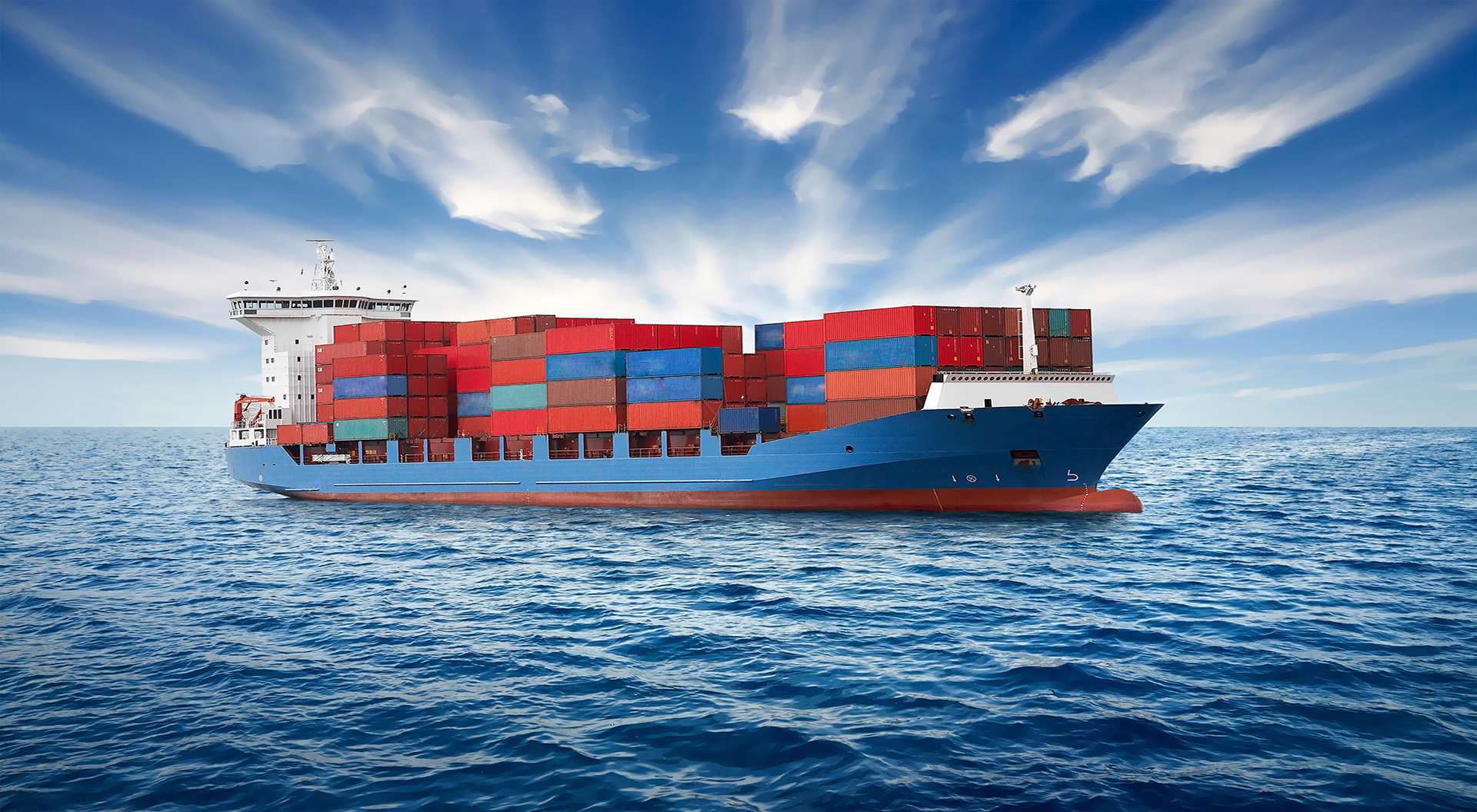
Top Logistics Ltd provides reliable, cost‑effective freight solutions from China to Georgia for importers, manufacturers, construction firms, traders, and e‑commerce sellers. Using established China–Black Sea and China–Caucasus routes plus strong partnerships in Georgian ports and inland hubs, we design secure, compliant transport plans that match your cargo type, deadlines, and budget.
From factory pick‑up in China to final delivery in Tbilisi, Batumi, Poti, Kutaisi, Rustavi, and industrial zones across the country, Top Logistics Ltd manages the full logistics chain: export procedures, sea, rail, road, or air transport, Georgian customs clearance, and domestic distribution. Whether you move consumer goods, machinery, textiles, building materials, foodstuffs, or consolidated small consignments, we ensure a smooth, transparent, and hassle‑free China–Georgia shipping experience.
Top Logistics Ltd organises dependable sea freight from major Chinese ports such as Shanghai, Ningbo, Shenzhen, Qingdao, and Tianjin to Georgia via Black Sea gateways. Containers usually move to Poti or Batumi through transshipment hubs like Istanbul, Piraeus, or Constanţa. With regular sailings, competitive FCL and LCL options, and professional port handling, sea freight is the most economical option for large‑volume imports of consumer goods, construction materials, metal products, furniture, and project cargo bound for Georgia and neighbouring Caucasus markets.

Top Logistics Ltd delivers fast and secure air freight from key Chinese airports to Tbilisi International Airport and nearby hubs such as Istanbul, Baku, or Dubai with onward trucking into Georgia. Designed for urgent, high‑value, or temperature‑sensitive shipments, our air solutions feature optimised routings, priority handling, and complete documentation support to ensure short transit times and reliable delivery to warehouses, factories, and retailers across Georgia.
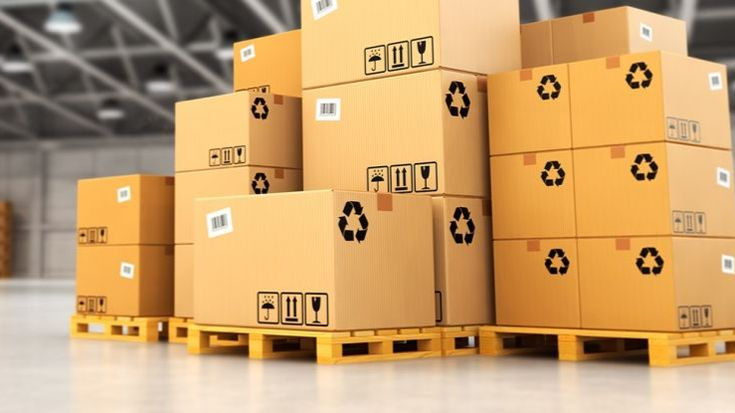
Top Logistics Ltd provides integrated door‑to‑door logistics from China to Georgia by combining sea, rail, road, and air as needed. We arrange factory pick‑ups, handle export customs in China, oversee main‑leg transport via Black Sea or overland corridors, coordinate customs clearance in Georgia, and organise last‑mile delivery to your facilities or customers. This end‑to‑end solution simplifies coordination, increases shipment visibility, and gives you predictable transit times and costs for every China–Georgia move.

Top Logistics Ltd specialises in Full Container Load (FCL) services from China to Georgia, offering 20GP, 40GP, and 40HQ containers for high‑volume or heavy consignments. We supervise secure stuffing at origin, select stable carrier and rail services to Black Sea and Caucasus corridors, and track containers throughout their journey. FCL is ideal for building materials, machinery, food and beverage in volume, automotive parts, and large wholesale orders where low unit freight cost, reduced handling, and strong cargo security are essential.
Top Logistics Ltd provides Less than Container Load (LCL) shipping from China to Georgia, enabling small and medium‑sized shipments to share container space. We consolidate LCL cargo at primary Chinese ports, route it via suitable sea or rail corridors to Black Sea hubs, and deconsolidate at Poti, Batumi, or nearby terminals for inland delivery to Georgian consignees. LCL is particularly suited to spare parts, sample orders, smaller retail assortments, and e‑commerce replenishment where volumes do not yet justify full containers.
Top Logistics Ltd will provide most fuel efficient pickup service China
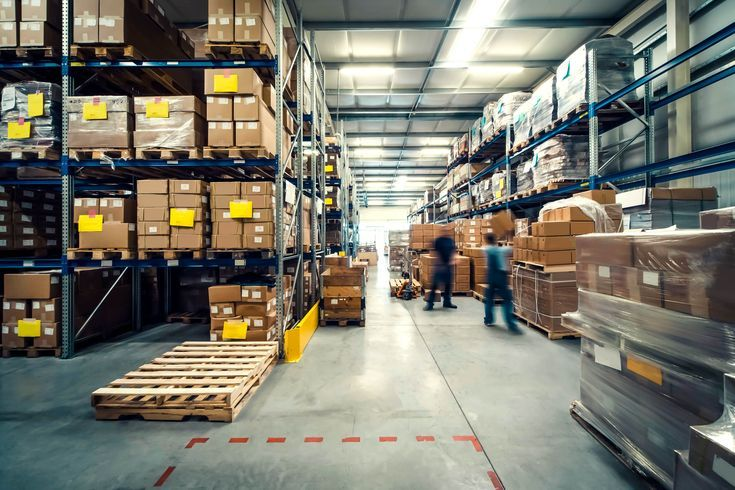
We provide free warehousing services for any of your goods.

The cargo insurance protects your goods all the way to any Any FBA Warehouse
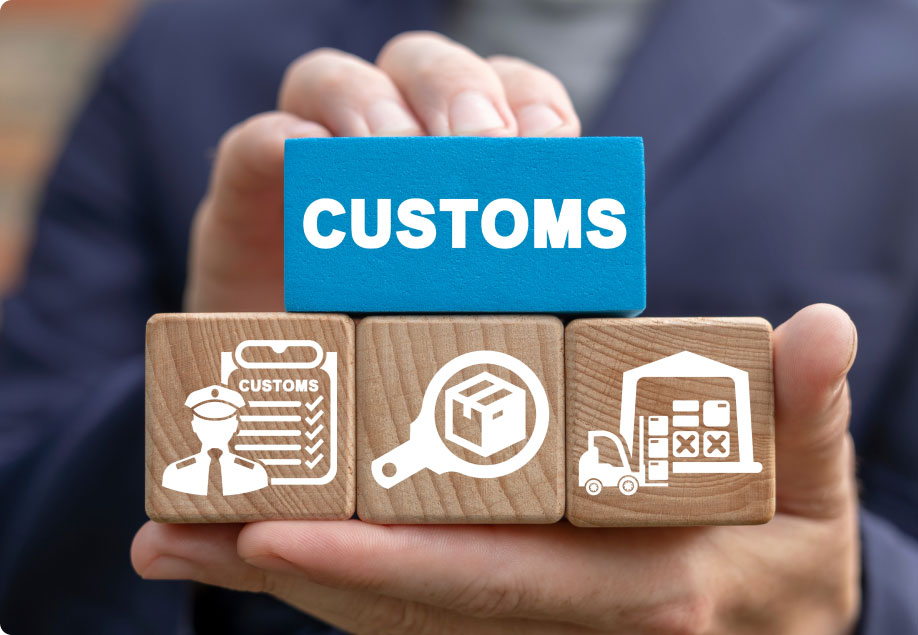
We handle all paperwork and other details for you.

Ensure safe packaging and loading of goods in your suppliers' factory.
Transit time depends on the route and service you choose. For standard sea freight, containers leaving ports such as Shanghai, Ningbo, or Shenzhen typically reach Poti or Batumi in about 25–32 days on the water. Once you add export handling in China, transshipment at hubs like Istanbul or Piraeus, Georgian customs, and final trucking to cities such as Tbilisi or Kutaisi, a realistic door‑to‑door window is around 35–45 days. Rail and multimodal services from Chinese inland hubs via Kazakhstan and Azerbaijan or other corridors usually deliver to Tbilisi and nearby logistics centres in about 18–25 days door‑to‑door, offering a faster but slightly more expensive option than sea. Air freight routed through hubs like Istanbul, Dubai, or Baku generally reaches Georgian consignees in 4–8 days, including all handling and clearance, and is best reserved for high‑value or urgent shipments. Top Logistics Ltd compares current schedules on all three modes to give you route‑specific estimates before you book.
When your shipment arrives at Poti, Batumi, or Tbilisi airport, the carrier files a manifest and your customs broker submits an electronic declaration to the Georgian Revenue Service. This declaration includes HS codes, customs value, origin, and Incoterms, backed by your invoice, packing list, and transport document. Customs then runs a risk assessment: low‑risk consignments may be released with minimal checks, while others are routed for document review or physical inspection. Duties, VAT, and any excise taxes must be paid (or secured under a bonded/free‑zone regime) before release. Top Logistics Ltd works with local brokers to pre‑check your HS classifications, values, and origin data, prepare declarations before the vessel or aircraft arrives, and coordinate any inspections. This approach keeps clearance times short and helps you avoid storage and demurrage charges.
At minimum, you need a commercial invoice, a detailed packing list, and a bill of lading, rail waybill, or air waybill. Depending on your products, customs or other agencies may also require a certificate of origin, certificates of conformity or test reports for electrical goods and building materials, sanitary or phytosanitary certificates for food and agricultural items, MSDS and dangerous‑goods declarations for chemicals and batteries, and import licences for medicines, telecom equipment, or dual‑use products. Errors such as vague descriptions, missing HS codes, inconsistent weights, or mismatched consignee details are common reasons for clearance delays. Top Logistics Ltd reviews every document from your Chinese suppliers before loading, cross‑checks figures and wording against Georgian requirements, and requests corrections straight away, so your file is complete and consistent when it reaches customs.
Georgia applies duty rates based on HS codes, and many everyday goods are either duty‑free or subject to relatively low tariffs. Duties are charged on the customs value, which is normally the CIF value (cost, insurance, and freight to the Georgian border or port). On top of duty, most products attract 18% VAT, calculated on the customs value plus duties and certain fees; excise taxes apply only to specific items such as alcohol, tobacco, and fuel. Top Logistics Ltd can take your product list, HS codes, and target delivery terms and run a pre‑shipment cost model that estimates duty, VAT, and typical port and handling charges. This gives you a realistic landed‑cost figure so you can set sales prices, compare sourcing options, or decide whether to import finished goods or semi‑finished components.
Full Container Load (FCL) is usually better when your goods can fill a significant portion of a 20‑ or 40‑foot container or when they are valuable, fragile, or confidential. Your cargo stays in a sealed container from the Chinese loading point through hubs to Georgia, which reduces the number of times it is handled, lowers the risk of damage or pilferage, and generally speeds up processing at ports and depots. Less than Container Load (LCL) is more economical for small or irregular shipments because you pay only for the space you use—but the goods must be consolidated with other freight in China and deconsolidated in Georgia or at a regional hub. That adds extra handling steps and can extend total transit by several days. Top Logistics Ltd compares detailed FCL and LCL quotes, including all side costs, for each shipment so you can see exactly how much you save or spend in exchange for speed and security.
For sea freight, containers generally move from Chinese ports to large hubs such as Istanbul, Piraeus, or Constanţa and then on to Poti or Batumi on the Black Sea. For rail and multimodal solutions, common corridors run from Chinese inland hubs across Kazakhstan and the Caspian Sea into Azerbaijan, then onward by rail or truck to Georgia, with occasional alternative routings via Russia depending on regulations and your company’s policy. Each route has its own profile: Black Sea routes are cost‑effective but can be affected by winter weather or regional congestion; Caspian multimodal routes are faster but rely on ferry connections and multiple border crossings. Top Logistics Ltd continuously monitors performance and regulatory changes on these corridors and recommends the option that balances time, cost, and geopolitical risk for your specific shipment.
After release at Poti, Batumi, or Tbilisi terminals, your cargo is moved by truck—or in some project cases, by rail—to its final destination. Georgia has improving highway links between ports and major cities such as Tbilisi, Kutaisi, Rustavi, and Gori, but certain mountain roads can be challenging during winter or heavy rain. Top Logistics Ltd selects appropriate vehicles—container chassis for FCL, curtain‑sider or box trucks for palletised LCL and airfreight, and low‑bed trailers for heavy machinery—and schedules deliveries with your warehouse or factory. We also arrange unloading equipment if required, manage container returns to avoid detention charges, and supply signed PODs and tracking updates so you can confirm each delivery in your internal systems.
Yes. Food, beverages, and agricultural products must comply with Georgian food‑safety and labelling rules and often require sanitary or phytosanitary certificates and, in some cases, pre‑registration with local authorities. Electrical goods, building materials, toys, and other safety‑critical products may need conformity certificates or to meet specific technical regulations, especially when they are part of public‑sector projects or must be compatible with EU standards. Chemicals and hazardous substances must follow transport rules and may require registration or permits. Top Logistics Ltd reviews your product catalogue, flags items that trigger such rules, and connects you with approved laboratories or certification bodies. We then synchronise certification lead times with your shipping plan so that all required approvals are in place when the goods reach Georgian borders.
The biggest savings usually come from better planning and consolidation. Combining several small orders from one or more Chinese suppliers into fewer full containers reduces freight and terminal charges per unit. Choosing sea freight via Black Sea for non‑urgent cargo and reserving rail or air only for faster‑moving or high‑margin items helps keep your average cost down. Top Logistics Ltd also looks at packaging and pallet dimensions to improve container utilisation, negotiates long‑term rates with carriers based on your forecast volumes, and recommends the most efficient hubs and corridors. Shipping outside global peak periods—such as before Chinese New Year, Golden Week, or Christmas—can further lower rates and reduce the risk of roll‑overs and congestion‑related surcharges.
Common reasons for delay include incomplete or inconsistent documentation, incorrect HS classifications, missing licences or certificates, congestion at transshipment ports, rail‑border bottlenecks, winter weather across the Black Sea or Caucasus, and random customs inspections. Top Logistics Ltd mitigates these risks through strict pre‑shipment document checks, early booking on reliable services, and proactive coordination with carriers and customs brokers. We track each container or air shipment in real time and maintain alternative routing scenarios so we can, for example, move a shipment through a different hub or shift part of the journey from sea to rail or air if your deadlines become critical. We also keep you informed with early‑warning updates and realistic revised ETAs whenever external factors affect your cargo.
The design quality of the international logistics platform emphasizes clarity, efficiency, and usability. The interface is clean and well-organized, allowing users to manage shipments, track cargo status, and access transportation details with minimal effort. Visual hierarchy and consistent layout improve navigation across freight booking, documentation, and delivery modules. The design effectively supports complex logistics operations while maintaining a professional and modern appearance.
The platform offers comprehensive feature availability to support end-to-end international logistics operations. Key functions such as freight booking, real-time shipment tracking, customs documentation management, carrier coordination, and delivery status updates are consistently accessible and reliable. These features ensure smooth handling of complex transportation workflows and provide users with full operational visibility at every stage of the supply chain.
The overall code quality of the international logistics system demonstrates a solid engineering foundation. The architecture is well-structured, with clear separation between freight management, customs clearance, tracking, and billing modules, which improves maintainability and scalability. Naming conventions are consistent and business-oriented, making complex logistics workflows such as multi-leg transportation, carrier allocation, and door-to-door delivery easier to understand and extend. Error handling and data validation are implemented thoughtfully, reducing risks in high-volume shipment processing. Overall, the codebase reflects a strong balance between performance, reliability, and long-term extensibility, which is critical for global freight operations.