

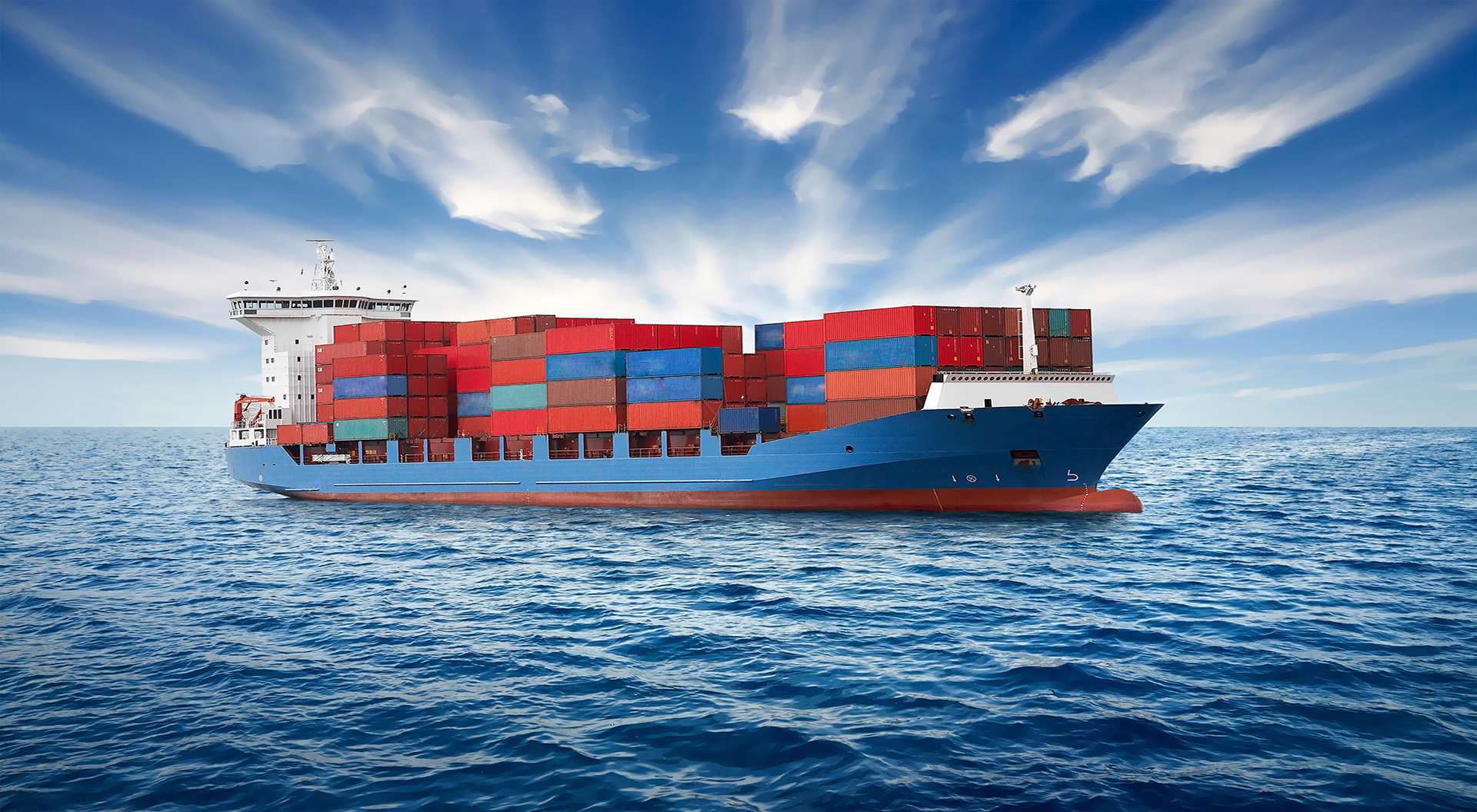
Top Logistics Ltd provides reliable, cost‑effective freight solutions from China to Gabon, serving importers, timber and mining operations, construction firms, government agencies, NGOs, and local traders. Using established Asia–West Africa trade lanes and strong partnerships at Gabonese and regional ports, we design secure, compliant transport plans that match your cargo type, delivery deadlines, and budget.
From factory pick‑up in China to final delivery in Libreville, Port‑Gentil, Franceville, Moanda, and industrial zones across the country, Top Logistics Ltd manages the full logistics chain: export procedures in China, sea or air transport via key hubs, Gabonese customs clearance, and inland trucking. Whether you move machinery, construction materials, consumer goods, timber‑related equipment, or consolidated small consignments, we ensure a smooth, transparent, and hassle‑free China–Gabon shipping experience.
Top Logistics Ltd organises dependable sea freight from major Chinese ports such as Shanghai, Ningbo, Shenzhen, Qingdao, and Tianjin to Gabonese gateways including Owendo/Libreville and Port‑Gentil, often via regional hubs like Pointe‑Noire, Lomé, or other Gulf of Guinea ports. With regular sailings, competitive FCL and LCL options, and professional handling of containers and breakbulk cargo, ocean freight is the most economical choice for building materials, vehicles, FMCG, industrial machinery, and project cargo destined for Gabon’s urban centres and resource projects.

Top Logistics Ltd offers fast, secure air freight from key Chinese airports to Libreville International Airport, typically routed through hubs such as Addis Ababa, Istanbul, Paris, Dubai, or Casablanca. Designed for urgent, high‑value, or sensitive cargo, our air solutions feature optimised connections, priority handling, and full documentation support, ensuring short transit times and reliable delivery for oil‑and‑gas spares, telecom equipment, pharmaceuticals, samples, and other time‑critical shipments across Gabon.

Top Logistics Ltd delivers integrated door‑to‑door logistics from China to Gabon, combining sea, air, and regional road services. We collect cargo at Chinese factories, handle export customs, supervise main‑leg transport and transshipment, manage customs clearance in Libreville or Port‑Gentil, and arrange final delivery to warehouses, mines, logging concessions, construction sites, and retail outlets. This end‑to‑end service removes the need to juggle multiple agents and gives you clear visibility on costs and transit times for every China–Gabon movement.

Top Logistics Ltd specialises in Full Container Load (FCL) shipping from China to Gabon, offering 20GP, 40GP, and 40HQ containers for large or heavy consignments. We oversee secure stuffing and lashing at origin, select carriers with stable Asia–West Africa services, and monitor containers through each hub. FCL is ideal for vehicles, heavy machinery, steel and cement, timber‑processing equipment, and large commercial orders where low unit freight cost, reduced handling, and stronger cargo security are essential.
Top Logistics Ltd provides Less than Container Load (LCL) services from China to Gabon, allowing small and mid‑sized consignments to share container space. We consolidate shipments at main Chinese ports, route them via regional hubs, and deconsolidate at Libreville or nearby CFS facilities for delivery across Gabon. LCL is especially useful for spare parts, tools, small machines, and mixed consumer‑goods orders where cargo volume does not yet justify a full container but regular supply from China is required.
Top Logistics Ltd will provide most fuel efficient pickup service China
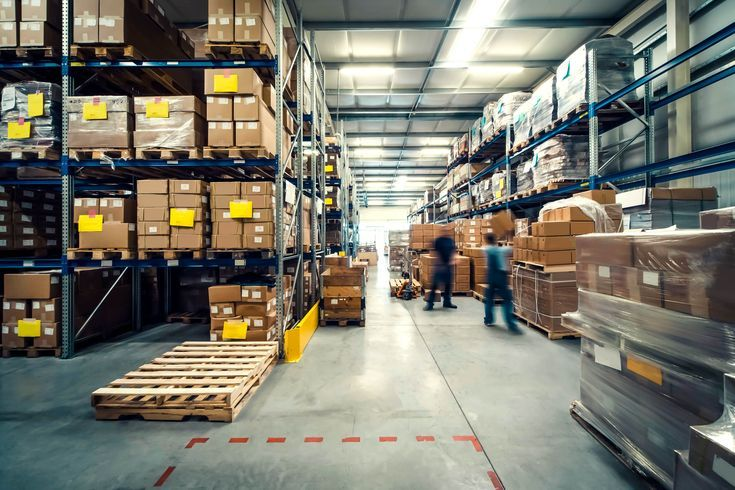
We provide free warehousing services for any of your goods.

The cargo insurance protects your goods all the way to any Any FBA Warehouse
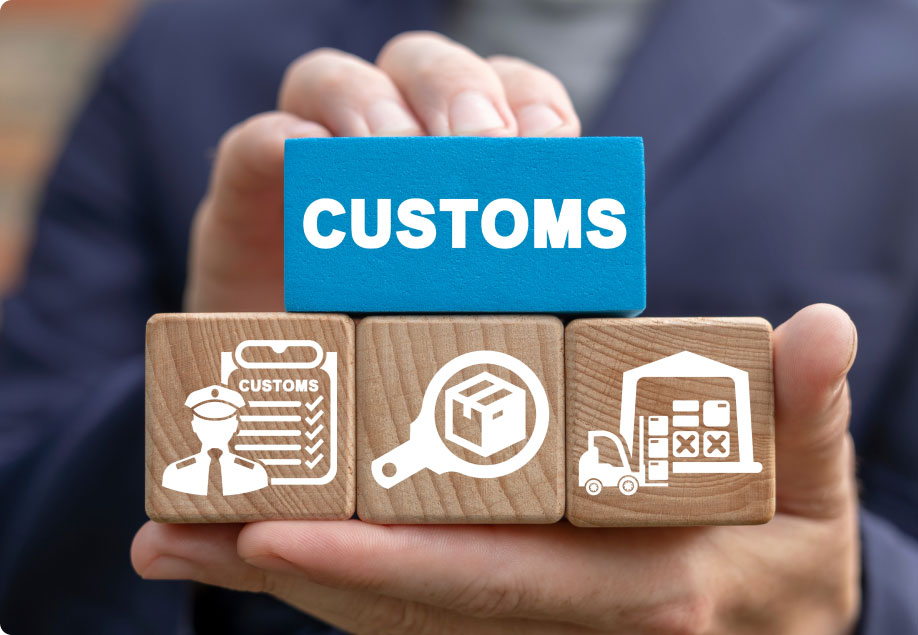
We handle all paperwork and other details for you.

Ensure safe packaging and loading of goods in your suppliers' factory.
Sea freight from ports like Shanghai, Ningbo, or Shenzhen to West African hubs and on to Libreville or Port‑Gentil usually takes about 30–40 days at sea. Once you include export handling in China, transshipment waiting time, Gabonese customs, and inland delivery, realistic door‑to‑door transit is roughly 40–55 days, depending on the chosen route and congestion at hubs. Air freight from China to Libreville via Addis Ababa, Istanbul, Paris, Dubai, or Casablanca generally arrives within 5–10 days door‑to‑door, considering consolidation time, flight connections, and customs clearance. Variations come from sailing/flight schedules, seasonal peaks, and port or airport capacity. Top Logistics Ltd checks available options for each shipment and recommends the routing that best fits your required lead time and budget.
Gabon is part of the CEMAC customs union and applies its common external tariff along with national taxes. When your shipment arrives at Libreville or Port‑Gentil, a licensed customs broker submits an import declaration with your commercial invoice, packing list, bill of lading or air waybill, and any required certificates. Customs verifies HS classifications, values, and origin, then calculates duties, VAT, and other levies. They may also order a physical inspection. For some categories, pre‑shipment inspection or an import licence may be required. Top Logistics Ltd works with experienced Gabonese brokers to prepare accurate declarations, confirm whether pre‑shipment inspection is needed, and coordinate any checks so that cargo is released quickly and storage/demurrage charges are minimised.
Standard documentation comprises a commercial invoice, packing list, and transport document (bill of lading or air waybill). Depending on the product, you may also need:
Import duties in Gabon are based on the CEMAC tariff and are applied to the customs value (usually CIF). In addition, imports may be subject to VAT, statistical taxes, and sector‑specific levies or excise duties—for example on fuel, alcohol, or tobacco. Some capital goods for approved investment projects, mining operations, or special economic zones may benefit from reduced rates or exemptions, but these must be agreed with authorities in advance. Top Logistics Ltd uses your product descriptions and HS codes to obtain estimated duty, VAT, and fee calculations from local specialists before shipment, giving you a realistic landed‑cost picture so you can plan pricing and project budgets.
FCL is generally preferred for Gabon whenever volumes allow. Containers remain sealed through long ocean legs and regional hubs, experience fewer handling operations, and are less exposed to pilferage or damage—important when moving vehicles, machinery, or valuable consumer goods. FCL also tends to move faster through ports due to simpler processing. LCL is useful for small or irregular shipments such as parts, tools, or mixed consignments, but it involves consolidation and deconsolidation, adding handling and a few days to transit. Top Logistics Ltd compares FCL and LCL costs and timings for each shipment and can consolidate several of your POs into shared FCLs when that offers better economics and security.
Primary Gabonese ports are Owendo/Libreville and Port‑Gentil. Because direct services from every Chinese port are limited, containers usually travel via Gulf of Guinea hubs such as Pointe‑Noire (Republic of Congo), Lomé (Togo), or other regional transshipment ports, then connect to feeder or direct calls into Gabon. The chosen hub influences sailing frequency, transshipment time, and local port charges. Some routes may be slightly longer but more reliable or cheaper overall. Top Logistics Ltd evaluates carrier rotations, hub congestion, and your delivery deadlines to select routings that provide stable schedules and competitive total cost for your Gabon destinations.
After customs release, shipments are moved by road—or occasionally river/coastal craft—to destinations such as Libreville city, Port‑Gentil, Franceville, Moanda, and remote logging or mining sites. Road infrastructure on main corridors is improving but secondary roads can be affected by heavy rain and limited maintenance, lengthening transit times. Top Logistics Ltd works with vetted local hauliers who understand Gabonese road conditions and security requirements, selecting appropriate vehicles (flatbeds for machinery, container trucks for FCL, box trucks for higher‑value goods) and coordinating delivery schedules, off‑loading equipment, and any required permits for oversized loads.
Equipment for these sectors—such as drilling rigs, pumps, crushers, conveyors, forestry machines, and camp modules—can be oversized, heavy, or sensitive. They may require special lifting gear, route surveys, and road permits, as well as strict adherence to project timelines and HSE requirements. Top Logistics Ltd offers project‑logistics support: we select suitable ports with heavy‑lift capacity, arrange flat‑rack or breakbulk shipments or even charter vessels when needed, and coordinate with Gabonese authorities for abnormal‑load permits and escorts. We also plan staging areas, lifting and lashing schemes, and phased delivery to remote sites so that your equipment arrives safely and ready for installation.
The main levers are consolidation, routing, and mode selection. Consolidating multiple orders into full containers at Chinese hubs reduces per‑unit freight and port/handling charges. Choosing carriers and hubs with consistent schedules avoids additional storage and demurrage caused by missed connections. For non‑urgent cargo, standard FCL sea freight is far cheaper than air and often more economical than repeated small LCL shipments. Top Logistics Ltd helps optimise packaging and palletisation to maximise container utilisation, negotiates favourable rates with carriers serving West Africa, and plans shipping calendars around known peak seasons (such as pre‑Chinese‑New‑Year or year‑end project rushes) when space is tight and prices increase.
Delays often stem from incomplete or inconsistent documents, missing licences or inspection certificates, port congestion at regional hubs, limited feeder schedules into Gabon, customs queries, or weather‑related disruption in the Gulf of Guinea. Top Logistics Ltd mitigates these risks by thoroughly checking all documents before loading, confirming regulatory requirements with Gabonese brokers, booking space early on suitable services, and monitoring vessel movements and port status throughout the voyage. If a transshipment delay or schedule change occurs, we work with carriers to rebook containers, manage port storage and detention exposure, and keep you updated with revised ETAs and contingency options.
The design quality of the international logistics platform emphasizes clarity, efficiency, and usability. The interface is clean and well-organized, allowing users to manage shipments, track cargo status, and access transportation details with minimal effort. Visual hierarchy and consistent layout improve navigation across freight booking, documentation, and delivery modules. The design effectively supports complex logistics operations while maintaining a professional and modern appearance.
The platform offers comprehensive feature availability to support end-to-end international logistics operations. Key functions such as freight booking, real-time shipment tracking, customs documentation management, carrier coordination, and delivery status updates are consistently accessible and reliable. These features ensure smooth handling of complex transportation workflows and provide users with full operational visibility at every stage of the supply chain.
The overall code quality of the international logistics system demonstrates a solid engineering foundation. The architecture is well-structured, with clear separation between freight management, customs clearance, tracking, and billing modules, which improves maintainability and scalability. Naming conventions are consistent and business-oriented, making complex logistics workflows such as multi-leg transportation, carrier allocation, and door-to-door delivery easier to understand and extend. Error handling and data validation are implemented thoughtfully, reducing risks in high-volume shipment processing. Overall, the codebase reflects a strong balance between performance, reliability, and long-term extensibility, which is critical for global freight operations.