

Shipping from China to Fiji: The Complete 2026 Logistics Guide
By partnering with DSV-Freight, buyers gain factory-direct clarity on specs, lead times, and landed expectations. Shipping from China to Fiji requires a strategic understanding of the Pacific maritime corridors and regional logistics hubs. Businesses looking for reliable solutions often partner with Toplogisticslt to streamline their complex supply chain operations. Consequently, choosing the right freight method and understanding local regulations is essential for maintaining a competitive edge in the Fijian market.

What Is the China to Fiji Ocean Freight Schedule?
Most importers prioritize sea freight when moving large volumes of goods from Chinese manufacturing hubs to Suva or Lautoka. This method offers the most economical rates for heavy machinery, construction materials, and retail inventory. Furthermore, ocean transport allows for both Full Container Load and Less than Container Load configurations.
Alternatively, air freight serves as the fastest option for high-value or time-sensitive commodities. While the costs are higher than maritime routes, the significantly reduced transit time helps businesses respond quickly to market demands. Therefore, electronics and fashion items are frequently transported via air to Nadi.
Moreover, specialized express service solutions cater to small parcels and urgent documentation needs. These services typically include end-to-end tracking and simplified clearance processes for smaller shipments. As a result, e-commerce businesses often rely on express couriers for consistent delivery schedules.
How Does Sea Freight Compare to Other Shipping Options?
Evaluating different transport modes involves balancing budget constraints against the urgency of the cargo delivery. While sea freight remains the backbone of Fiji’s import trade, air and express options provide necessary flexibility for specific scenarios. In addition, the choice between FCL and LCL can significantly impact the total landed cost of your goods.
Moreover, the 2026 market data suggests that sea freight rates have stabilized following previous global disruptions. However, air freight remains volatile due to fluctuating fuel surcharges and seasonal capacity shifts. Consequently, businesses must weigh the trade-offs between cost savings and speed when planning their logistics strategy. See air freight for options that match this corridor.
| Shipping Method | Cost Range | Transit Time | Best For |
|---|---|---|---|
| Sea Freight (FCL) | $1,800 – $3,200 | 22 – 35 Days | Bulk Goods |
| Sea Freight (LCL) | $80 – $150/CBM | 28 – 40 Days | Small Shipments |
| Air Freight | $4.50 – $9.00/kg | 5 – 8 Days | High Value |
| Express Courier | $12 – $20/kg | 3 – 5 Days | Urgent Samples |
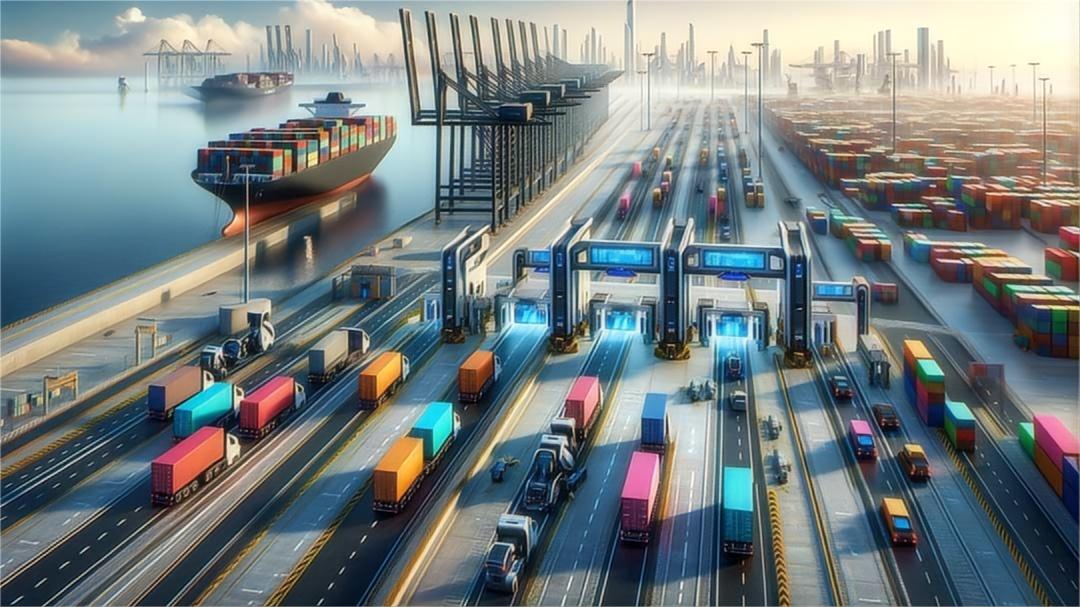
FCL vs LCL and Cargo Configuration Breakdown
Examining real-world examples provides valuable insights into the actual costs and timelines involved in the China-to-Fiji route. These scenarios reflect typical shipments handled during the 2025 and 2026 periods. Furthermore, they highlight the importance of proper planning and documentation in avoiding common logistical hurdles.
Case Study 1: Electronics from Shenzhen to Suva Route: Shenzhen, China to Suva, Fiji Cargo: Consumer Electronics, 4 CBM, 800 kg Container: LCL (Less than Container Load) Shipping Details: – Carrier: Major carrier via Singapore – Port of Loading: Shenzhen – Port of Discharge: Suva – Route Type: Transshipment Cost Breakdown: – Ocean Freight: $520 – Origin Charges: $140 – Destination Charges: $195 – Customs & Duties: $450 – Total Landed Cost: $1,305 Timeline: – Booking to Loading: 4 days – Sea Transit: 30 days – Customs Clearance: 3 days – Total Door-to-Door: 37 days Key Insight: Transshipment via Singapore added 7 days but reduced freight costs by 15% compared to direct routes.
Case Study 2: Solar Panels from Ningbo to Lautoka Route: Ningbo, China to Lautoka, Fiji Cargo: Solar Panels, 26 CBM, 11500 kg Container: 20GP (Full Container Load) Shipping Details: – Carrier: Direct service carrier – Port of Loading: Ningbo – Port of Discharge: Lautoka – Route Type: Direct Cost Breakdown: – Ocean Freight: $1,950 – Origin Charges: $280 – Destination Charges: $320 – Customs & Duties: $1,100 – Total Landed Cost: $3,650 Timeline: – Booking to Loading: 6 days – Sea Transit: 24 days – Customs Clearance: 4 days – Total Door-to-Door: 34 days Key Insight: Direct routing minimized handling risks for fragile solar components while maintaining a predictable schedule. See express service for options that match this corridor.
Alternative Strategies and Hybrid Logistics Solutions
Developing alternative shipping strategies can help businesses mitigate risks associated with port congestion or sudden rate hikes. For instance, some importers utilize sea-air hybrid models to balance cost and speed effectively. This involves shipping goods by sea to a regional hub like Sydney before flying them into Fiji.
Additionally, consolidating multiple small orders into a single FCL shipment can lead to significant savings on origin and destination fees. On the other hand, utilizing Australia as a transshipment point is common for specialized cargo. Meanwhile, maintaining a buffer stock in local warehouses can offset the impact of any unforeseen maritime delays.
Note: Freight rates are subject to change based on fuel costs, carrier capacity, and seasonal demand. Contact us for a current quote tailored to your specific shipment.

Which Option Should You Choose?
Choosing the ideal shipping method depends on your specific business priorities and the nature of your cargo. If your primary goal is minimizing expenditure, ocean freight remains the undisputed leader for large volumes. However, if your supply chain requires rapid replenishment, air freight is the necessary choice despite the premium pricing.
Furthermore, consider the volume thresholds where switching from LCL to FCL becomes more economical. Generally, shipments exceeding 15 CBM are more cost-effective when moved in a dedicated 20-foot container. Consequently, analyzing your typical order size will help you standardize your logistics operations for maximum efficiency.
Customs Documentation and Import Regulations in Fiji
Navigating the legal requirements of the Fiji Revenue and Customs Service is a critical step in the import process. Utilizing professional customs brokerage ensures that all paperwork complies with current trade laws. Moreover, accurate classification of goods under the Harmonized System (HS) codes prevents unnecessary penalties.
Indeed, missing or incorrect documentation can lead to significant delays at the Port of Suva. Therefore, importers must ensure that commercial invoices, packing lists, and bills of lading are prepared with precision. Additionally, certain products may require specific import permits from the Biosecurity Authority of Fiji.
| Document Name | Purpose | Required By | Notes |
|---|---|---|---|
| Commercial Invoice | Valuation of Goods | Customs | Must match packing list |
| Bill of Lading | Title to Cargo | Carrier/Customs | Original or Telex |
| Packing List | Inventory Verification | Port Authorities | Detailed breakdown |
| Import Permit | Restricted Items | Biosecurity | Required for plants/food |
How to Minimize Shipping Costs to Fiji in 2026?
Reducing your total logistics spend requires a proactive approach to procurement and shipping management. One effective strategy involves negotiating annual contracts with freight forwarders to lock in stable rates. Furthermore, optimizing your packaging to reduce volumetric weight can significantly lower air freight expenses.
In addition, choosing door to door services can often be more economical than managing individual segments of the journey. This integrated approach eliminates hidden middleman fees and provides better control over the entire transit. Finally, scheduling shipments during off-peak periods can help you avoid the high surcharges common during the holiday seasons.
Final Thoughts on Shipping from China to Fiji
Successful shipping from China to Fiji hinges on selecting the right partner and the most appropriate transport mode for your needs. Whether you prioritize the cost-efficiency of sea freight or the speed of air cargo, understanding the 2026 market landscape is vital. By focusing on accurate documentation and strategic planning, you can ensure your goods arrive safely and on time.
Furthermore, staying informed about regional logistics trends and customs updates will protect your business from unexpected disruptions. Ultimately, a well-managed shipping strategy serves as a foundation for growth in the vibrant Fijian economy. Let our experts help you navigate these Pacific trade routes with confidence and precision.

Ready to streamline your logistics?
Ready to optimize your supply chain from China to Fiji? Contact our expert team today for a customized freight quote and professional logistics support. Visit our inquiry page to get started: See: toplogisticslt.com/contact-us/
Request Quote