

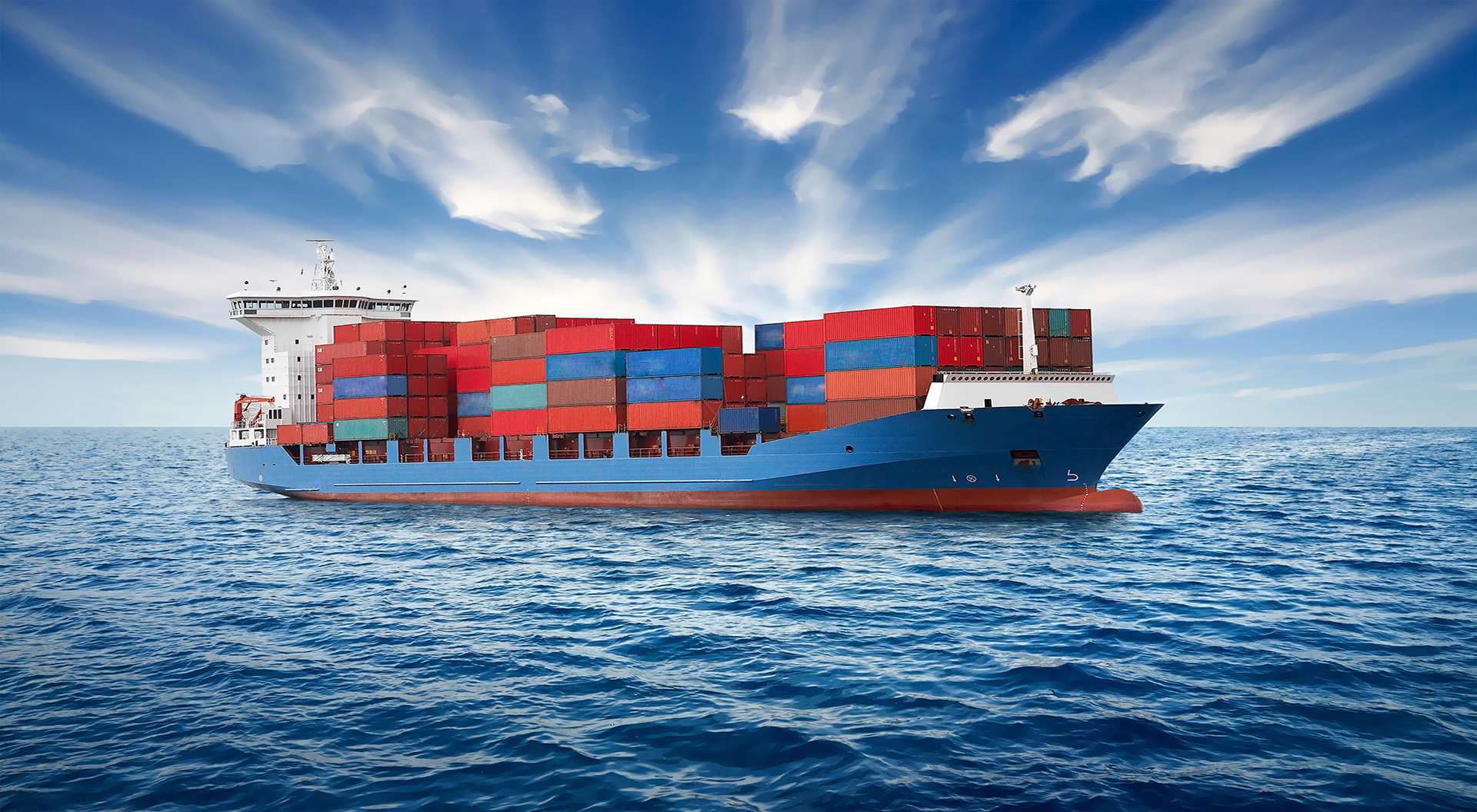
Top Logistics Ltd provides reliable, cost‑effective freight solutions from China to the Fiji Islands, supporting importers, wholesalers, construction firms, hotels and resorts, government agencies, and NGOs. Using established Asia–Pacific shipping and air routes plus trusted partners in Suva and Lautoka, we design secure, compliant transport plans tailored to your cargo type, deadlines, and budget.
From factory pick‑up in China to final delivery in Suva, Lautoka, Nadi, Ba, Labasa and resort areas across Viti Levu and Vanua Levu, Top Logistics Ltd manages the entire logistics chain: export procedures, sea or air transport via regional hubs, Fijian customs clearance, and local distribution. Whether you ship building materials, FMCG, hotel equipment, vehicles, or consolidated small consignments, we ensure a smooth, transparent, and hassle‑free China–Fiji shipping experience.
Top Logistics Ltd organises dependable sea freight from major Chinese ports such as Shanghai, Ningbo, Shenzhen, Qingdao, and Xiamen to Fijian gateways including Suva and Lautoka. Services typically route via Asia–Pacific hubs like Hong Kong, Singapore, or Brisbane before connecting to Fiji. With regular sailings, competitive FCL and LCL options, and professional handling of containers and breakbulk cargo, ocean freight is the most economical solution for construction materials, food and beverages, household goods, hardware, vehicles, and project cargo bound for the Fiji Islands.

Top Logistics Ltd offers fast, secure air freight from key Chinese airports to Nadi International Airport, usually routed through hubs such as Hong Kong, Singapore, Sydney, Auckland, or Brisbane. Designed for urgent, high‑value, or temperature‑sensitive shipments, our air solutions feature optimised connections, priority handling, and full documentation support, enabling short transit times and reliable delivery for electronics, pharmaceuticals, spare parts, high‑end retail goods, and critical hotel or resort supplies throughout Fiji.
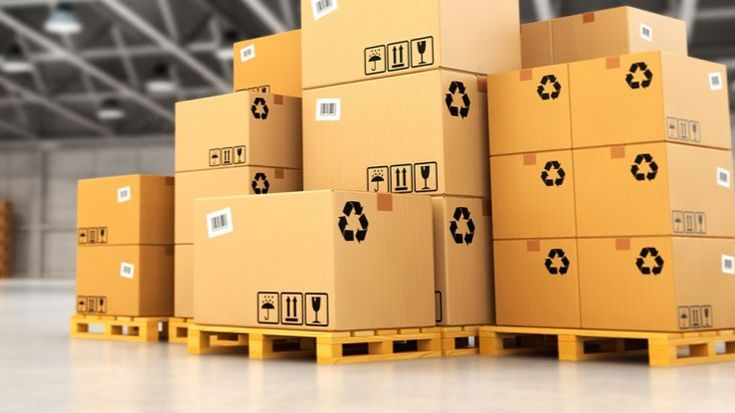
Top Logistics Ltd delivers integrated door‑to‑door logistics from China to Fiji by combining sea, air, and local road distribution. We arrange factory pick‑ups, manage export customs, oversee main‑leg transport and transshipment at regional hubs, and handle Fijian customs clearance and final delivery to warehouses, stores, resorts, construction sites, and government facilities. This end‑to‑end service removes the need to coordinate multiple agents, improves visibility, and keeps your China–Fiji supply chain simple and predictable.

Top Logistics Ltd specialises in Full Container Load (FCL) services from China to Fiji, offering 20GP, 40GP, and 40HQ containers for large or heavy consignments. We supervise secure stuffing and lashing at origin, select reliable carrier services into Suva and Lautoka, and monitor containers throughout the voyage. FCL is ideal for bulk imports of food and beverages, building materials, hotel furniture and fixtures, vehicles, machinery, and supermarket stock where low unit freight cost, reduced handling, and high cargo security are essential.
Top Logistics Ltd provides Less than Container Load (LCL) shipping from China to Fiji, enabling small and medium‑sized consignments to share container space. We consolidate cargo at major Chinese ports, route it through suitable Asia–Pacific hubs, and deconsolidate in Fiji for local delivery. LCL is particularly suitable for spare parts, sample orders, seasonal retail ranges, and NGO supplies where volumes do not yet justify full containers but you still need regular replenishment into the Fiji Islands.
Top Logistics Ltd will provide most fuel efficient pickup service China
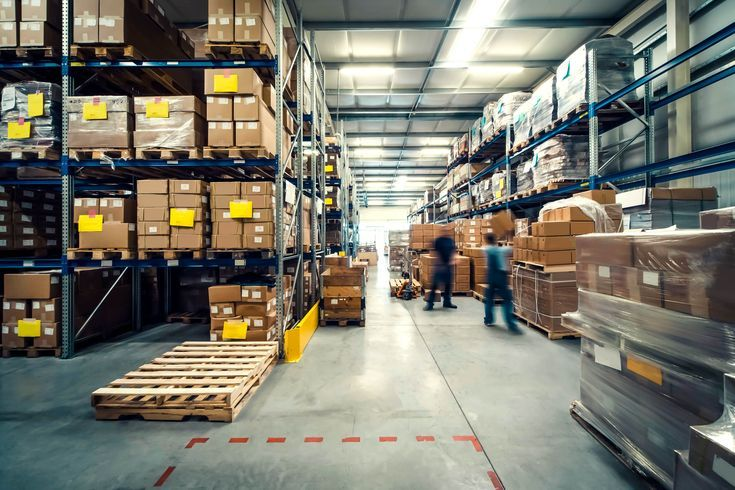
We provide free warehousing services for any of your goods.

The cargo insurance protects your goods all the way to any Any FBA Warehouse
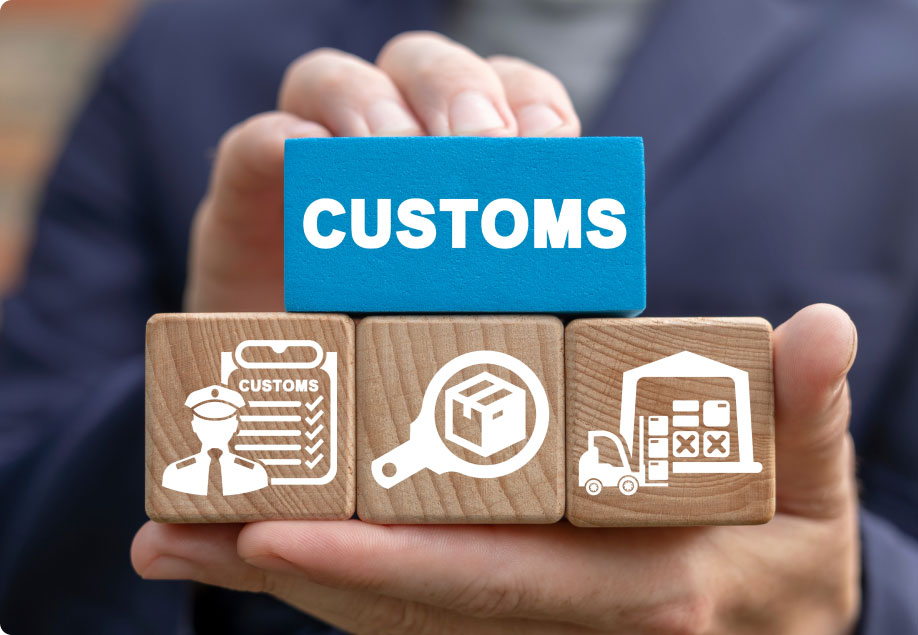
We handle all paperwork and other details for you.

Ensure safe packaging and loading of goods in your suppliers' factory.
Fijian Customs and the Biosecurity Authority of Fiji (BAF) manage import controls. When cargo arrives at Suva, Lautoka, or Nadi, the manifest is lodged and your customs broker submits an import entry with supporting documents: commercial invoice, packing list, bill of lading or air waybill, and any required permits or certificates. Customs assesses duties, VAT (known as VAT or fiscal duty), and any excise, and may direct shipments to inspection depending on risk profiles. BAF inspects or verifies documentation for agricultural, food, plant, and animal products. Top Logistics Ltd works with licensed Fijian brokers to classify your goods correctly, ensure that import permits and biosecurity requirements are in place, and coordinate inspections so cargo is cleared and released as quickly as possible, minimising storage and demurrage.
Essential documents include:
Import duties in Fiji are generally charged on the CIF value of goods and depend on their HS classification and any applicable tariff concessions. In addition to customs duty, imports attract VAT (currently 9%) and may incur excise duty on products such as alcohol, tobacco, fuel, and some luxury items. Environmental or special levies may also apply for certain goods. Some categories—like specific investment‑project equipment, renewable‑energy components, or approved development‑project imports—may qualify for duty exemptions or reduced rates if approved in advance by Fijian authorities. Top Logistics Ltd uses your product descriptions and HS codes to obtain estimated duty, VAT, and fee calculations before shipment, giving you a realistic landed‑cost forecast for pricing and budgeting.
FCL is usually the better choice when your cargo can fill most of a container (or is high‑value, fragile, or theft‑sensitive). With FCL, your goods are sealed in a dedicated container from China to Fiji, experiencing fewer handling steps at hubs and island ports, which reduces damage risk and often shortens transit. This is ideal for supermarket stock, hardware, building materials, hotel or resort outfitting, and project cargo. LCL is suitable for small or irregular consignments where a full container would be under‑utilised; you pay only for the space you use, but your goods pass through consolidation and deconsolidation warehouses, adding handling and a few days to transit. Top Logistics Ltd compares FCL and LCL rates and schedules for each shipment and can consolidate multiple purchase orders into shared FCLs when that provides better value.
Main Fijian ports are Suva and Lautoka for sea freight and Nadi for air. Because direct sailings from every Chinese port to Fiji are limited, containers usually travel via hubs such as Hong Kong, Shenzhen, Singapore, or Brisbane, then connect to south‑Pacific services. The choice of hub affects sailing frequency, transshipment time, port charges, and reliability. Some hubs have weekly or more frequent Fijian connections; others may serve Fiji less often but at lower base freight rates. Top Logistics Ltd evaluates carrier rotations, hub congestion, and your delivery deadlines to select the route offering the most stable transit and competitive total cost.
After customs and biosecurity release, containers and loose cargo are moved by truck from Suva, Lautoka, or Nadi to final destinations: supermarkets and stores, warehouse facilities, resorts along the Coral Coast or Denarau, construction sites, and government or NGO facilities. On Viti Levu, main roads are generally good; to Vanua Levu and outer islands, cargo may be moved onward via inter‑island vessels or smaller landing craft. Top Logistics Ltd cooperates with local hauliers and shipping operators, selecting appropriate vehicles and coastal services, scheduling delivery appointments, and arranging off‑loading equipment when required. We provide proof of delivery and coordinate return of empty containers to avoid detention charges.
Tourism and construction projects typically involve large, phased shipments of tiles, sanitary ware, furniture, lighting, kitchen equipment, linens, and structural materials. These goods must often arrive in sequence with construction milestones and may require special storage conditions or careful handling. Some projects benefit from investment incentives, which demand specific documentation and sometimes import through designated entities. Top Logistics Ltd develops project‑specific logistics plans, aligning FCL deliveries from China with your build schedule, arranging temporary storage in Fiji if needed, and coordinating with customs and investment agencies to ensure that any approved concessions are applied correctly. For oversized or heavy items, we plan suitable equipment—flat‑racks, open‑tops, or breakbulk—and secure road permits and escorts where necessary.
Key strategies include consolidating orders into full containers, choosing efficient hubs, and scheduling shipments outside peak seasons. Consolidation at origin reduces per‑unit freight and handling charges and allows you to leverage better FCL rates. For non‑urgent items, sea freight is far more economical than air; reserve air freight for urgent, seasonal, or high‑value products. Top Logistics Ltd optimises container loading and packaging, negotiates long‑term rates with carriers serving Fiji, and tracks market conditions to advise you when to ship—avoiding price spikes around major holidays (such as Chinese New Year or Christmas) and cyclone season when schedules can be disrupted.
Delays typically arise from incomplete or inconsistent documentation, missing permits or biosecurity certificates, missed vessel cut‑offs in China, limited sailing frequencies to Fiji, transshipment congestion at hubs, and tropical weather events like cyclones. Top Logistics Ltd mitigates these risks by performing thorough pre‑shipment document checks, confirming BAF and permit requirements with local agents, booking space early on suitable services, and monitoring vessel movements and weather forecasts. When delays occur, we work with carriers to re‑schedule or re‑route cargo where possible, provide updated ETAs, and manage port storage and container detention exposure.
Ocean and air shipments to Fiji involve long distances, multiple handling points, and exposure to Pacific weather. Carrier liability is limited by international conventions and often does not cover the full value of your goods. Top Logistics Ltd strongly recommends comprehensive all‑risk cargo insurance from door to door, covering loss or damage from rough seas, handling accidents, theft, and general average. We can arrange appropriate insurance policies, advise on packing and securing cargo to meet insurer requirements, and assist with claims by coordinating surveys and supplying complete transport documentation if an incident occurs.
The design quality of the international logistics platform emphasizes clarity, efficiency, and usability. The interface is clean and well-organized, allowing users to manage shipments, track cargo status, and access transportation details with minimal effort. Visual hierarchy and consistent layout improve navigation across freight booking, documentation, and delivery modules. The design effectively supports complex logistics operations while maintaining a professional and modern appearance.
The platform offers comprehensive feature availability to support end-to-end international logistics operations. Key functions such as freight booking, real-time shipment tracking, customs documentation management, carrier coordination, and delivery status updates are consistently accessible and reliable. These features ensure smooth handling of complex transportation workflows and provide users with full operational visibility at every stage of the supply chain.
The overall code quality of the international logistics system demonstrates a solid engineering foundation. The architecture is well-structured, with clear separation between freight management, customs clearance, tracking, and billing modules, which improves maintainability and scalability. Naming conventions are consistent and business-oriented, making complex logistics workflows such as multi-leg transportation, carrier allocation, and door-to-door delivery easier to understand and extend. Error handling and data validation are implemented thoughtfully, reducing risks in high-volume shipment processing. Overall, the codebase reflects a strong balance between performance, reliability, and long-term extensibility, which is critical for global freight operations.