

Shipping from China to Democratic Republic of Congo

Services

What we do

Services

img

Sea Freight From China To Democratic Republic of Congo

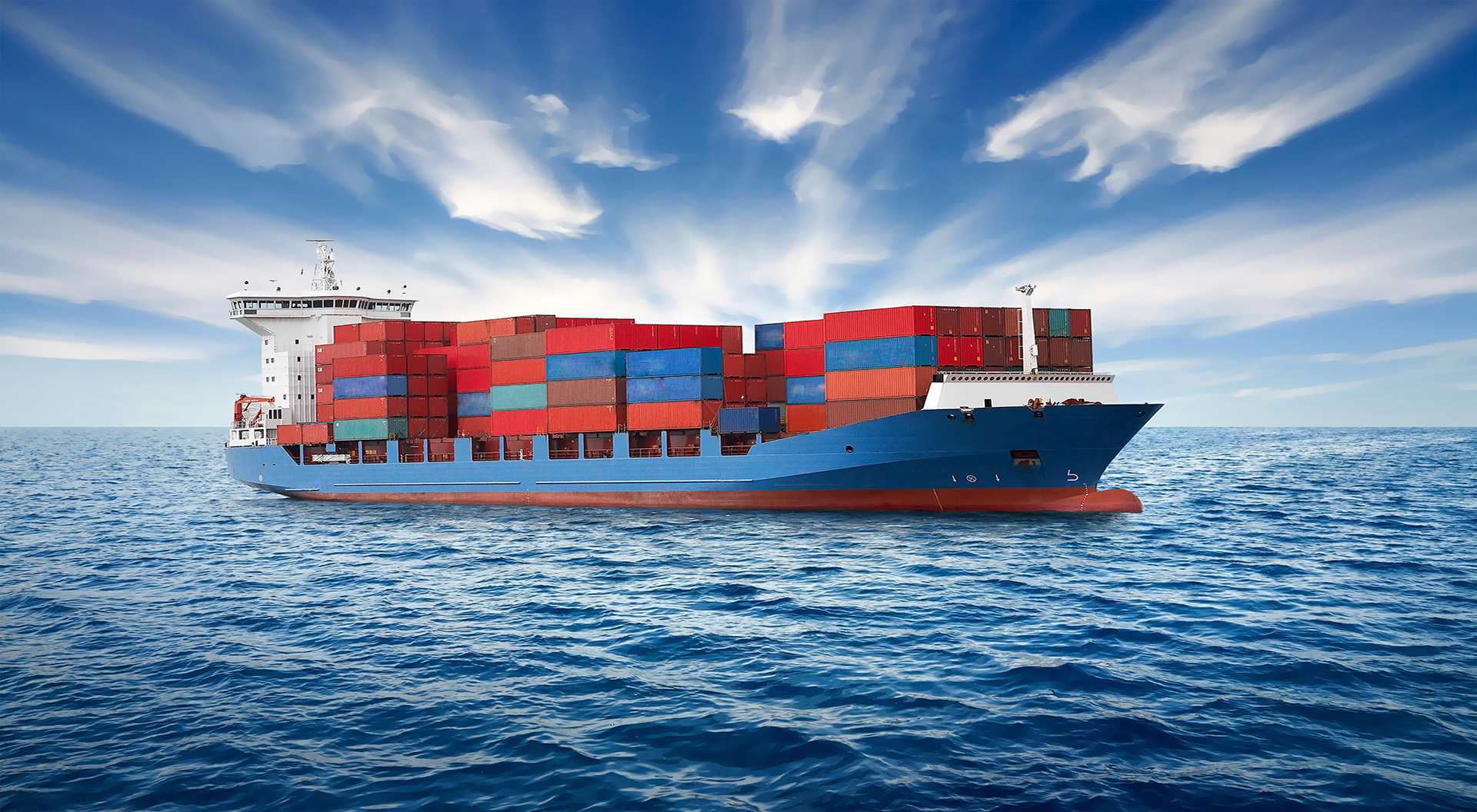
Top Logistics Ltd organises reliable sea freight from major Chinese ports to the DRC via regional gateways such as Matadi and Boma, as well as nearby ports including Durban, Dar es Salaam, and Mombasa with onward inland transport. With regular sailing schedules, competitive FCL and LCL solutions, and careful handling of containers and breakbulk cargo, we provide a stable and economical option for bulk commodities, construction materials, machinery, and consumer goods destined for Congolese markets.

img

Air Freight From China To Democratic Republic of Congo

Top Logistics Ltd offers fast, secure air freight services from key Chinese airports to Kinshasa (N’Djili), Lubumbashi, and other regional airports served through connecting hubs such as Addis Ababa, Johannesburg, Nairobi, and Dubai. Tailored for urgent, high‑value, or sensitive cargo, our air solutions feature optimised routing, priority handling, and full documentation support to minimise transit time and ensure reliable delivery across the DRC, even to challenging destinations.
img

Door to Door Shipping from China to Democratic Republic of Congo

Top Logistics Ltd provides integrated door‑to‑door logistics solutions from China to the DRC, combining sea, air, and cross‑border road or rail transport as needed. We coordinate factory collection, export procedures, main‑leg transport, customs clearance at Congolese or neighbouring ports, and inland delivery to mines, construction sites, warehouses, and retail outlets. This end‑to‑end service simplifies your supply chain, reduces the need for multiple local agents, and offers a single point of contact with full visibility over your China–DRC shipments.

FCL Shipping from China To Democratic Republic of Congo

Top Logistics Ltd specialises in Full Container Load (FCL) services from China to the DRC, offering 20GP, 40GP, and 40HQ containers for large‑volume or heavy cargo. With secure stuffing at Chinese origins, robust lashing for rough‑road conditions, and carefully selected carriers and feeder services, FCL is ideal for machinery, vehicles, construction equipment, building materials, and bulk consumer goods where cargo security, reduced handling, and predictable transit are critical.

LCL Shipping from China To Democratic Republic of Congo

Top Logistics Ltd provides Less than Container Load (LCL) services from China to the DRC, enabling small and medium‑sized consignments to share container space. Through professional consolidation at Chinese ports and controlled deconsolidation at African hubs, we help importers lower freight costs while maintaining reliable transit to Kinshasa and other Congolese destinations. Our LCL solutions are especially useful for spare parts, small equipment, and mixed consumer goods orders that do not justify a full container.

Features

More Services Shipping from China To Democratic Republic of Congo

img

Pickup and Delivery

Top Logistics Ltd will provide most fuel efficient pickup service China
img

Warehousing

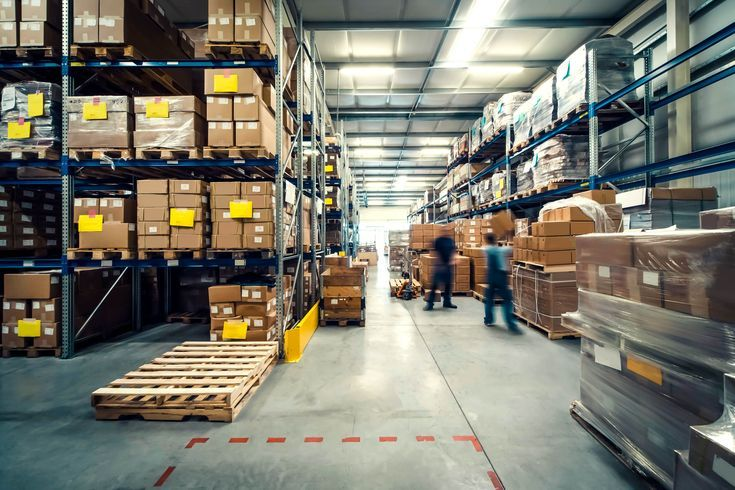
We provide free warehousing services for any of your goods.
img

Cargo Insurance

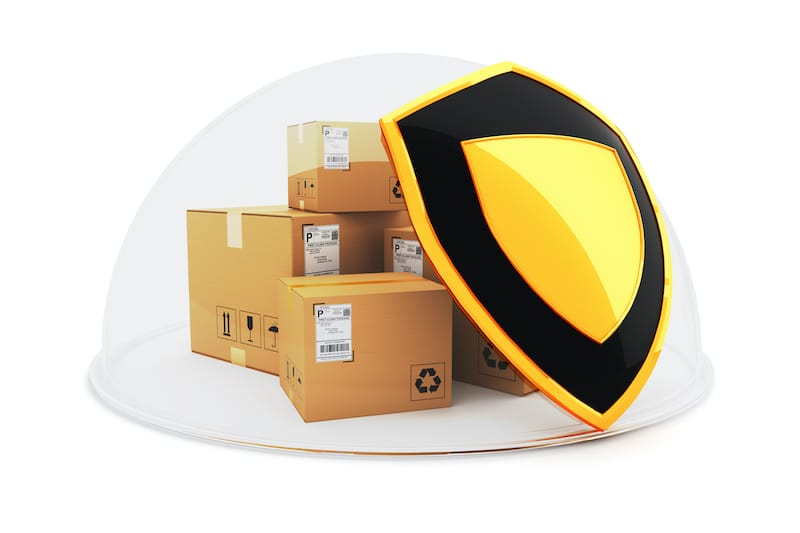
The cargo insurance protects your goods all the way to any Any FBA Warehouse
img

Custom Clearance

We handle all paperwork and other details for you.

img

Loading Inspection

Ensure safe packaging and loading of goods in your suppliers' factory.

Here We Are

GET ANYTYPE QUOTE FROM HERE.

Your Best Freight Forwarder from China to Democratic Republic of Congo

  • Provide the best ocean freight from China to Democratic Republic of Congo
  • Provide the competitive air freight from China to Democratic Republic of Congo
  • The professional work for customs clearance in China
  • Provide the free warehouse service and loading solution
  • The container loading supervision service
  • Pick up and delivery service in China
  • 24/7 online support
What customers also want to know

Professional Shipping from China to Democratic Republic of Congo: The Ultimate FAQ Guide

Sea freight transit time varies significantly depending on the chosen gateway and transshipment ports. Shipments from Chinese ports such as Shanghai, Ningbo, or Shenzhen to Matadi or Boma via West Africa typically require around 40–55 days door‑to‑door, considering ocean sailing, congestion, customs clearance, and inland delivery. If routing via Durban, Dar es Salaam, or Mombasa with overland transport into the DRC (especially to Katanga mining areas), transit can be 45–60 days but may offer better schedule reliability. Air freight, routed through hubs like Addis Ababa, Nairobi, or Johannesburg, usually delivers from China to Kinshasa or Lubumbashi in 5–10 days door‑to‑door, depending on flight frequency, transshipment time, and customs clearance speed. Top Logistics Ltd compares available routings for each shipment to match your time and cost expectations.

Customs in the DRC can be complex and time‑consuming if documentation is incomplete or values are not correctly declared. All imports must be registered, and many shipments require a pre‑shipment inspection (depending on value and product category) and an import licence or FERI/ECTN (Electronic Cargo Tracking Note) before loading in China. On arrival at Matadi, Boma, or a neighbouring port, customs officials check documents, verify classifications, and may physically inspect cargo. Top Logistics Ltd works with experienced local brokers to prepare declarations, obtain FERI/ECTN, confirm HS codes, and guide you on licences required for specific goods such as pharmaceuticals, telecommunications equipment, and vehicles. Our pre‑arrival document review helps prevent storage, demurrage, and fines caused by customs discrepancies.

At minimum, you will need a commercial invoice, detailed packing list, and the relevant transport document (ocean bill of lading or air waybill). For most shipments into the DRC, a FERI/ECTN cargo tracking note must be issued before the vessel departs China; missing this can lead to heavy penalties at destination. Depending on your products, you may also require an import licence, certificate of origin, pre‑shipment inspection report, health or phytosanitary certificates (for foodstuffs and agricultural goods), and conformity certificates for regulated products. Top Logistics Ltd coordinates with your Chinese suppliers to ensure all documents meet Congolese and transit‑country requirements, including correct consignment details, values, and Incoterms, minimising clearance issues on arrival.


Direct maritime access to the DRC is mainly through Matadi and Boma, serving Kinshasa and western regions. However, many imports—particularly mining and project cargo—enter through neighbouring countries: Dar es Salaam (Tanzania), Durban (South Africa), and Mombasa (Kenya) for the south and east, and sometimes Pointe‑Noire (Republic of Congo) for river transport. The best gateway depends on your final destination, cargo type, and urgency. For Kinshasa and surrounding areas, Matadi/Boma is typically most efficient. For Lubumbashi, Kolwezi, and the Copperbelt, routes via Durban or Dar es Salaam with road or rail into the DRC may offer better infrastructure and handling options. Top Logistics Ltd evaluates road conditions, border procedures, and total cost for each corridor to recommend the most practical solution.

Cost control on the China–DRC lane often comes from optimising routing, container utilisation, and local charges. Consolidating purchases into FCL shipments reduces per‑unit sea freight and terminal handling costs. Using regional hubs like Durban or Dar es Salaam can sometimes offer lower ocean rates and better service frequency, though inland haulage must be calculated carefully. Top Logistics Ltd also helps adjust packaging dimensions and palletisation to maximise container space, avoiding partially loaded containers. We negotiate competitive local handling and trucking rates with reliable partners and review customs classifications to ensure you are not overpaying duties due to mis‑categorised goods. Additionally, planning shipments to avoid seasonal congestion (for example, year‑end peaks) can help prevent expensive demurrage and detention.

Key risks include port congestion, extended customs clearance, infrastructure limitations on inland routes, political or security disruptions, and potential cargo damage on rough roads. Top Logistics Ltd mitigates these by selecting carriers with stable schedules, using reliable stevedores and inland hauliers familiar with local conditions, and ensuring containers are properly stuffed and secured for long transit and bumpy roads. We encourage appropriate cargo insurance tailored to the DRC environment and can arrange surveyors for sensitive or high‑value shipments. Our local partners monitor security developments and road conditions and adjust routes or timing when needed, while our documentation checks reduce the chance of customs‑related delays.

FCL is generally preferred for the DRC whenever volume allows, because it offers better security, fewer handling stages, and clearer tracking—important for transit through multiple countries and difficult road conditions. FCL is ideal when your cargo can fill at least most of a 20‑ or 40‑foot container, or when you ship high‑value or sensitive equipment. LCL can still be a good option for low‑volume or trial shipments, particularly for Kinshasa deliveries where consolidated boxes are frequently available. For remote areas like mining sites in Katanga or Kasaï, LCL may involve several additional handling points and longer lead times. Top Logistics Ltd evaluates your shipment size, delivery point, and risk profile to advise whether FCL or LCL is more suitable for each movement.

Inland distribution in the DRC typically relies on a mix of road transport and, in some areas, river or rail links. For Kinshasa, containers from Matadi or Boma are moved by truck or barge up the Congo River. For southern mining regions, containers arriving at Dar es Salaam, Durban, or other ports are hauled by road (and in some corridors rail) through Tanzania, Zambia, or Angola into the DRC. Road quality can vary considerably and may be affected by weather, so transit times are estimates rather than guarantees. Top Logistics Ltd works with vetted hauliers that understand regional border procedures and security requirements, organises escort or convoy services where needed, and schedules movements to avoid known bottlenecks and curfew restrictions, giving you realistic delivery timelines for your final destination.

Mining and infrastructure projects often involve oversized or heavy equipment such as crushers, conveyors, trucks, and prefabricated plant components. These may require breakbulk or Ro‑Ro services rather than standard containers, plus route surveys, special permits, and sometimes temporary infrastructure (e.g., reinforced bridges or off‑loading ramps). Top Logistics Ltd conducts feasibility studies for your project cargo, selecting suitable ports with heavy‑lift equipment, arranging charter or part‑charter vessels if necessary, and coordinating with local authorities in the DRC and transit countries for abnormal‑load permits. We plan detailed transport diagrams, including lifting points, lashing requirements, convoy arrangements, and contingency routes, to move your equipment safely from Chinese manufacturer to remote DRC project sites.

Duties and taxes in the DRC depend on HS classification, customs valuation (CIF value plus certain surcharges), and applicable fiscal policies for specific goods, such as mining equipment or essential commodities. There may also be additional fees such as statistical taxes, inspection charges, and port levies. Top Logistics Ltd and our customs partners use your detailed product information to determine probable duty rates and estimate the total payable before cargo ships, giving you a clearer picture of landed cost. We highlight any available exemptions or reduced rates for special investment projects or government‑approved schemes and help you prepare the necessary documentation to claim them where applicable.

The FERI/ECTN is a mandatory electronic cargo tracking document for most shipments entering the DRC. It contains detailed information about the shipper, consignee, cargo, vessel, and value, allowing Congolese authorities to monitor imports and collect accurate statistics and revenue. Failure to present a valid FERI/ECTN at destination can result in severe fines, delays, and refusal of cargo clearance. Usually, the consignee or their appointed agent is responsible for applying for the FERI/ECTN before the vessel departs from the loading port. Top Logistics Ltd assists by providing the required shipping details, coordinating with authorised issuing agencies, and ensuring the FERI/ECTN number appears correctly on the bill of lading, thereby safeguarding your shipment against avoidable penalties.

To get started, share key information about your planned shipments: cargo description and HS codes, typical order sizes, Chinese origin cities or ports, target DRC destinations, and your required delivery times. Top Logistics Ltd will assess your needs and propose tailored logistics options, comparing direct and indirect port routings, FCL versus LCL, and sea versus air combinations where appropriate. We then prepare a detailed quotation including freight, local charges, approximate duties and taxes (where possible), and documentation requirements such as FERI/ECTN and licences. Once you confirm, we establish clear operating procedures with your Chinese suppliers and Congolese receivers, enabling repeated shipments on the China–DRC corridor to run smoothly under a consistent, well‑managed framework.

Don’t Take Our Words for it

Listen to What Our Clients Say about Our Freight Forwarding Service

Code Quality

The overall code quality of the international logistics system demonstrates a solid engineering foundation. The architecture is well-structured, with clear separation between freight management, customs clearance, tracking, and billing modules, which improves maintainability and scalability. Naming conventions are consistent and business-oriented, making complex logistics workflows such as multi-leg transportation, carrier allocation, and door-to-door delivery easier to understand and extend. Error handling and data validation are implemented thoughtfully, reducing risks in high-volume shipment processing. Overall, the codebase reflects a strong balance between performance, reliability, and long-term extensibility, which is critical for global freight operations.

Sakira K. Lilliam
Ceo of Axone

Design Quality

The design quality of the international logistics platform emphasizes clarity, efficiency, and usability. The interface is clean and well-organized, allowing users to manage shipments, track cargo status, and access transportation details with minimal effort. Visual hierarchy and consistent layout improve navigation across freight booking, documentation, and delivery modules. The design effectively supports complex logistics operations while maintaining a professional and modern appearance.

Jon D. William
Founder of Mixbix

Customer Support

Our customer support team delivers responsive and knowledgeable assistance throughout the entire international logistics process. From shipment booking and cargo tracking to customs clearance and final delivery, inquiries are handled promptly with clear, accurate communication. The team understands complex transportation routes, carrier schedules, and documentation requirements, ensuring potential issues are resolved before they impact delivery timelines. This high level of support builds trust and provides customers with confidence in every shipment.

Sofia Harvey
Chairman News grove