

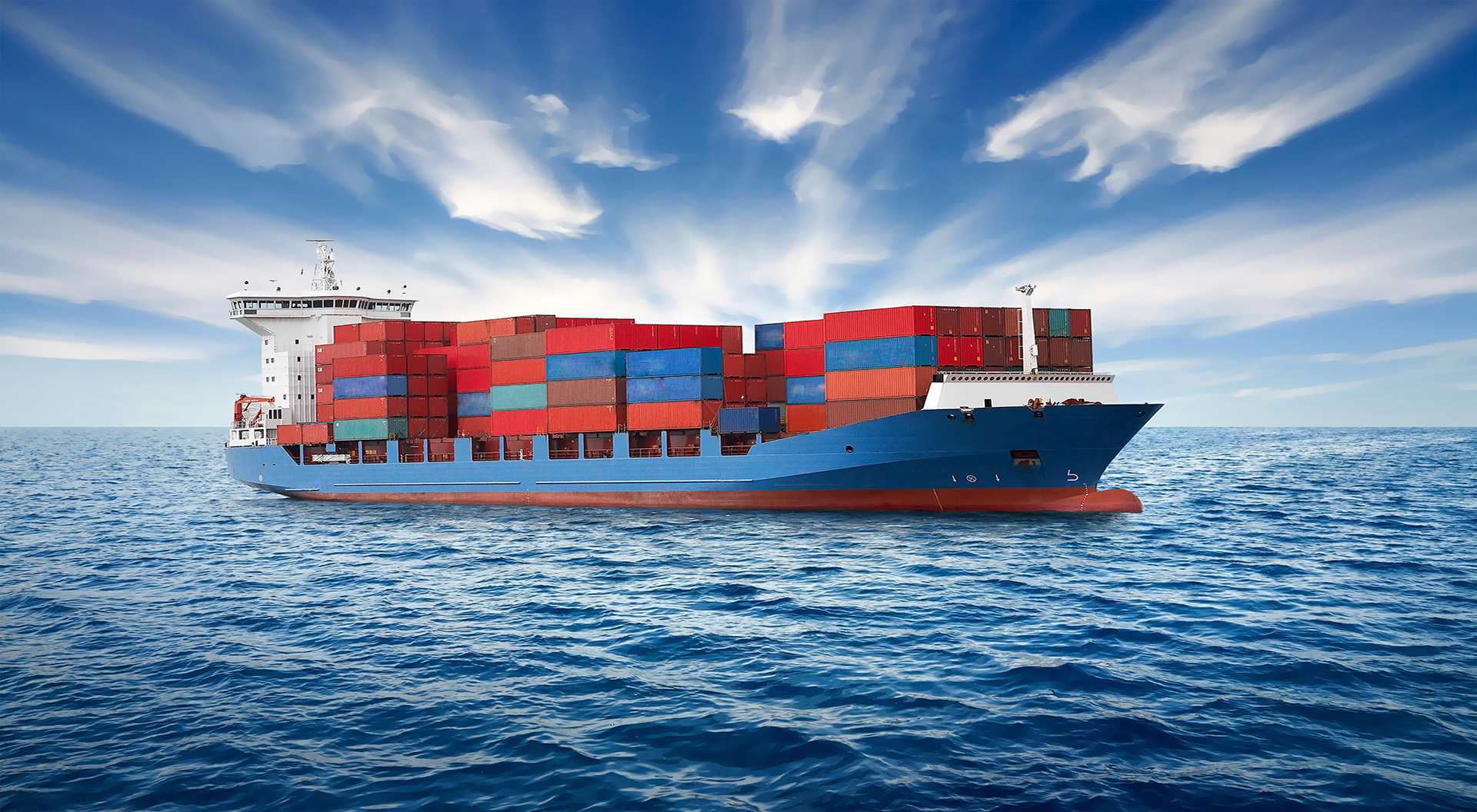
Top Logistics Ltd provides integrated freight solutions from China to Cambodia for manufacturers, garment and shoe factories, construction firms, retailers, and e‑commerce sellers. With strong coverage across Chinese ports and borders and deep experience on the China–Indochina trade lane, Top Logistics Ltd designs reliable, compliant, and cost‑effective routes into Phnom Penh, Sihanoukville, Poipet, Bavet, and SEZs along the Thai and Vietnamese borders. From factory pickup in China to customs clearance and last‑mile delivery in Cambodia, we manage the entire process under one coordinated operation.
Top Logistics Ltd offers dependable sea‑freight services from major Chinese ports—Shanghai, Ningbo, Shenzhen, Guangzhou, Xiamen, Qingdao, Tianjin and others—to Sihanoukville Autonomous Port and via nearby hubs such as Ho Chi Minh City (Cat Lai) and Laem Chabang. We book space on regional loops with stable transit, arrange export clearance in China, and coordinate port handling and on‑carriage by truck or barge to Phnom Penh and inland factories. Sea freight is ideal for large volumes of fabrics, footwear, raw materials, building products, furniture, electronics and general cargo where price per CBM is a key concern.

For urgent or high‑value cargo, Top Logistics Ltd provides air‑freight solutions from Chinese gateways like Shanghai Pudong, Guangzhou, Shenzhen, Hong Kong, and Beijing to Phnom Penh International Airport (PNH) and Siem Reap–Angkor International Airport (SAI), often via Bangkok, Ho Chi Minh City, or Singapore. We match your shipment to routings with reliable transit, appropriate security, and temperature control when required. Typical commodities include time‑critical garment accessories, samples, electronics, pharmaceuticals, luxury goods, and high‑value spare parts. We manage pickup in China, export formalities, flight booking, transfer handling, Cambodian customs, and final‑mile delivery to your factory or warehouse.
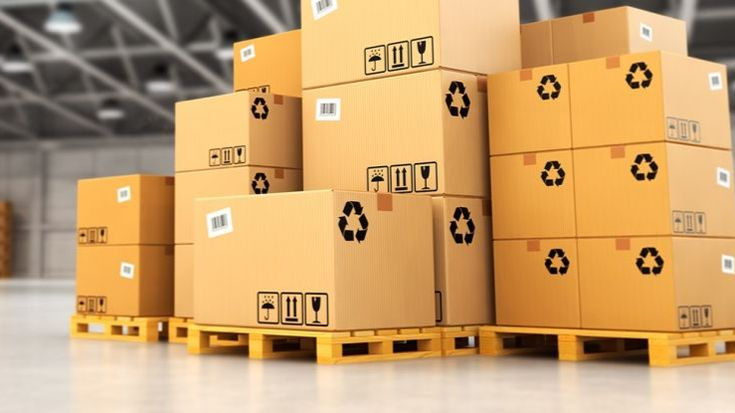
Top Logistics Ltd delivers door‑to‑door shipping from Chinese factories directly to receivers throughout Cambodia. Our team organizes inland collection and consolidation in China, prepares export documentation, moves cargo by sea, air, or cross‑border truck, then oversees import customs clearance and local delivery to Phnom Penh, Sihanoukville, Kampong Speu, Bavet, Poipet, and other industrial zones. Door‑to‑door service is especially suited to buyers who want a single partner to handle Chinese suppliers, international transport, and Cambodian procedures, reducing coordination effort and giving full visibility from PO to delivery.

Top Logistics Ltd offers full‑container‑load (FCL) solutions using 20GP, 40GP, and 40HQ containers, plus flat‑rack and open‑top units for machinery or project cargo. We supervise loading and sealing at Chinese factories or consolidation depots, confirm VGM, and book services to Sihanoukville or nearby hubs with coordinated inland trucking to Cambodian consignees. FCL is ideal for export‑oriented factories importing full lots of fabric and trims, construction projects needing large quantities of steel and materials, and distributors handling high‑volume consumer goods. FCL minimizes intermediate handling, provides better security, and usually offers the lowest unit cost once your volume nears a full container.
For shipments that don’t fill a container, Top Logistics Ltd provides less‑than‑container‑load (LCL) consolidation from Chinese hubs such as Shenzhen, Guangzhou, Shanghai, Ningbo, and Xiamen into Sihanoukville or neighboring ports. We receive cartons from multiple suppliers, palletize and label each consignee’s cargo, and load shared containers on regular sailings. At destination, containers are devanned in CFS facilities; Cambodian consignments are customs‑cleared individually and delivered by truck. LCL works well for smaller buyers, test orders, and mixed SKU replenishments, allowing you to buy in smaller lots without losing the benefits of organized international freight.
Top Logistics Ltd will provide most fuel efficient pickup service China
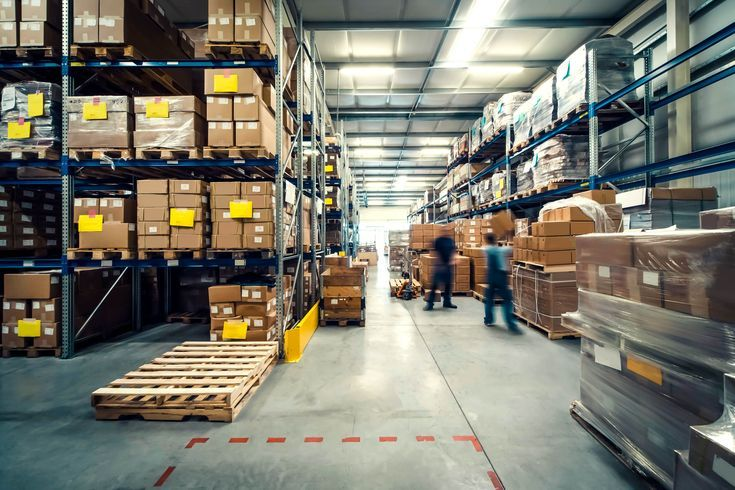
We provide free warehousing services for any of your goods.
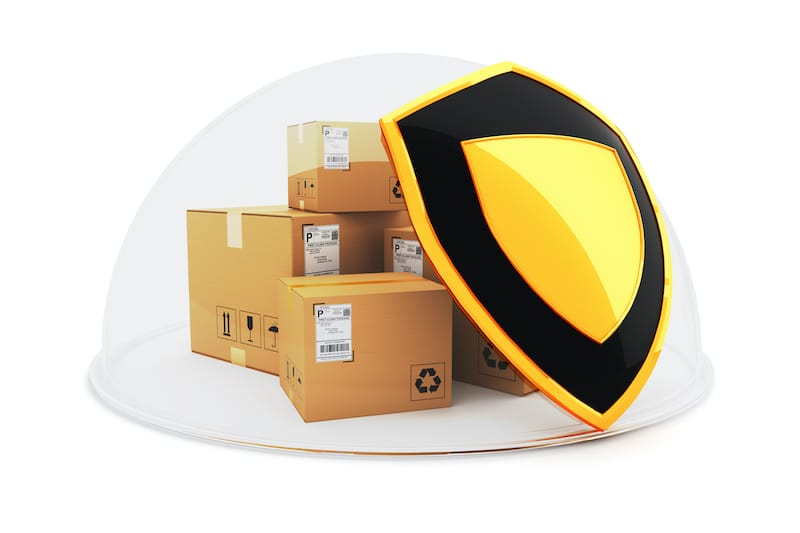
The cargo insurance protects your goods all the way to any Any FBA Warehouse
We handle all paperwork and other details for you.

Ensure safe packaging and loading of goods in your suppliers' factory.
The optimal route depends on your factory location, lead time, and product type:
Via Sihanoukville Port
Via Vietnam / Thailand border crossings
Top Logistics Ltd can map your factory network and compare total transit and cost for both options, then set default routings—e.g., Sihanoukville for Phnom Penh plants, cross‑border for Bavet or Poipet.
On the China–Cambodia lane, the critical points are usually:
Top Logistics Ltd mitigates these by:
When your production schedule is very tight, we may propose a split strategy—air or express LCL for the first tranche of fabric or trims, with the balance moving on standard sea services.
Yes, we regularly handle flows where factories bring in semi‑finished goods or components from China, perform additional work in Cambodia, and then re‑export:
Having one logistics partner on both inbound and outbound legs helps keep your “China + Cambodia” supply chain synchronized.
Inconsistent packing from multiple factories is one of the biggest headaches for Cambodian importers. Top Logistics Ltd addresses it by:
This reduces sorting time at the factory, lowers the chance of mis‑allocated trims, and helps customs verify contents quickly when inspections occur.
Key points include:
Before you order, Top Logistics Ltd can review your product list with local compliance partners and advise if:
Chemical imports raise two sets of issues—transport safety and Cambodian regulation:
By lining up SDS, permits, and carrier acceptance before loading, we avoid last‑minute refusals or costly re‑packing at the port.
Yes, cross‑border truck routes can be viable, especially for southern China origins and Cambodian border SEZs:
Top Logistics Ltd evaluates weight, value, and delivery deadline before recommending cross‑border trucking versus sea, and can propose “sea for bulk + truck for urgent pallets” combinations if you need a layered approach.
While Cambodia and neighboring countries are improving transparency, informal charges still occur. To reduce exposure:
While nobody can promise a completely perfect corridor, this approach keeps your operation as close as possible to best practice and donor/CSR expectations.
Yes. Letter‑of‑credit and documentary‑collection shipments are common on this lane:
Having transport documents aligned with bank rules reduces your risk of delayed payment or cargo being held while corrections are arranged.
For each shipment, we typically provide:
For high‑volume customers, we can also create weekly summary reports by PO, factory, or destination, so your production planners and finance team see the same status information without chasing multiple parties.
The design quality of the international logistics platform emphasizes clarity, efficiency, and usability. The interface is clean and well-organized, allowing users to manage shipments, track cargo status, and access transportation details with minimal effort. Visual hierarchy and consistent layout improve navigation across freight booking, documentation, and delivery modules. The design effectively supports complex logistics operations while maintaining a professional and modern appearance.
Our customer support team delivers responsive and knowledgeable assistance throughout the entire international logistics process. From shipment booking and cargo tracking to customs clearance and final delivery, inquiries are handled promptly with clear, accurate communication. The team understands complex transportation routes, carrier schedules, and documentation requirements, ensuring potential issues are resolved before they impact delivery timelines. This high level of support builds trust and provides customers with confidence in every shipment.
The overall code quality of the international logistics system demonstrates a solid engineering foundation. The architecture is well-structured, with clear separation between freight management, customs clearance, tracking, and billing modules, which improves maintainability and scalability. Naming conventions are consistent and business-oriented, making complex logistics workflows such as multi-leg transportation, carrier allocation, and door-to-door delivery easier to understand and extend. Error handling and data validation are implemented thoughtfully, reducing risks in high-volume shipment processing. Overall, the codebase reflects a strong balance between performance, reliability, and long-term extensibility, which is critical for global freight operations.